Chef Dimitra
Aegean Island Kalamarakia Tiganita (Καλαμαράκια Τηγανητά)
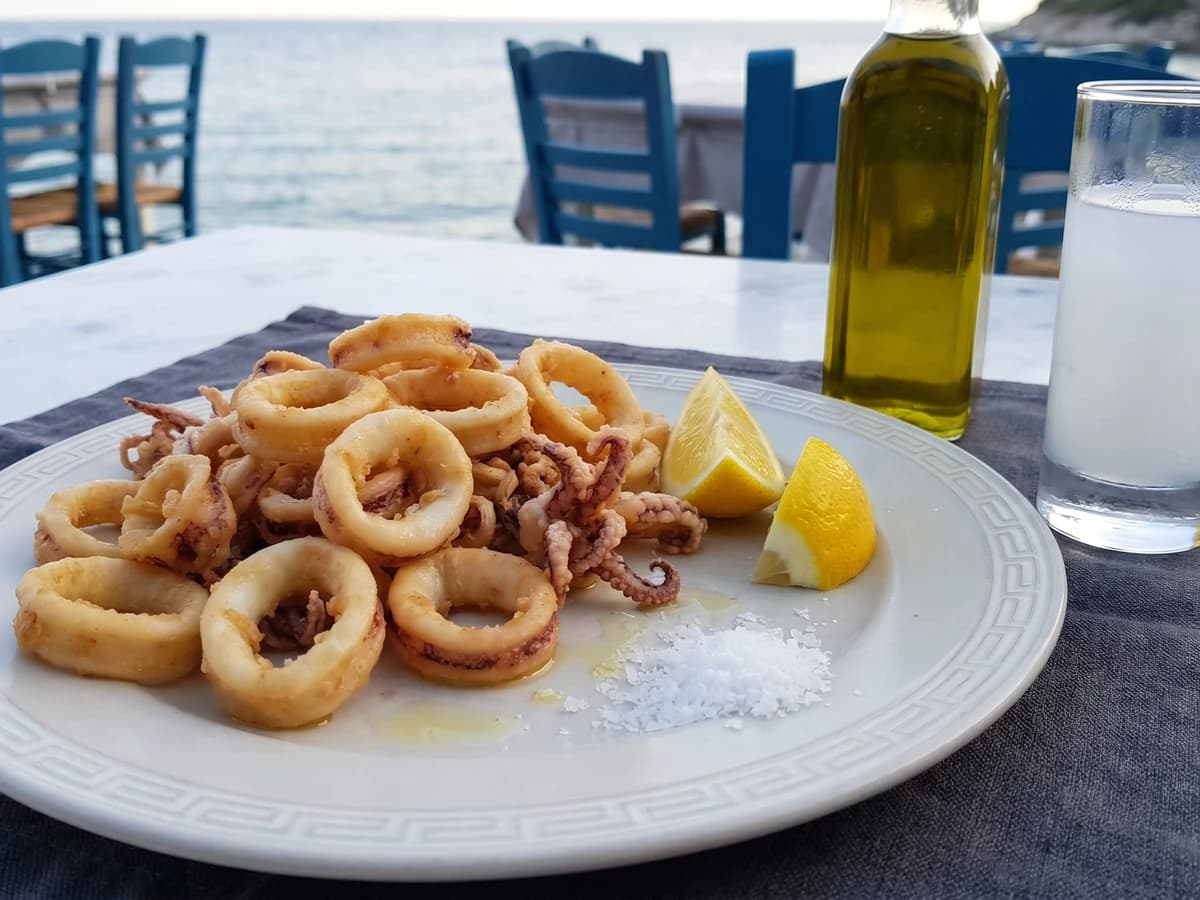
Aegean island fried squid is flour, hot oil, lemon, and nerve. Fry it for a minute or two, no longer, and it stays tender under its crisp coat.
A cooking platform built around craft, culture, and the stories behind what we eat.
Created by
Pale Aegean taramosalata is cured roe, soaked bread, lemon, and olive oil worked slowly until it turns thick and clean, made for lagana on Clean Monday.
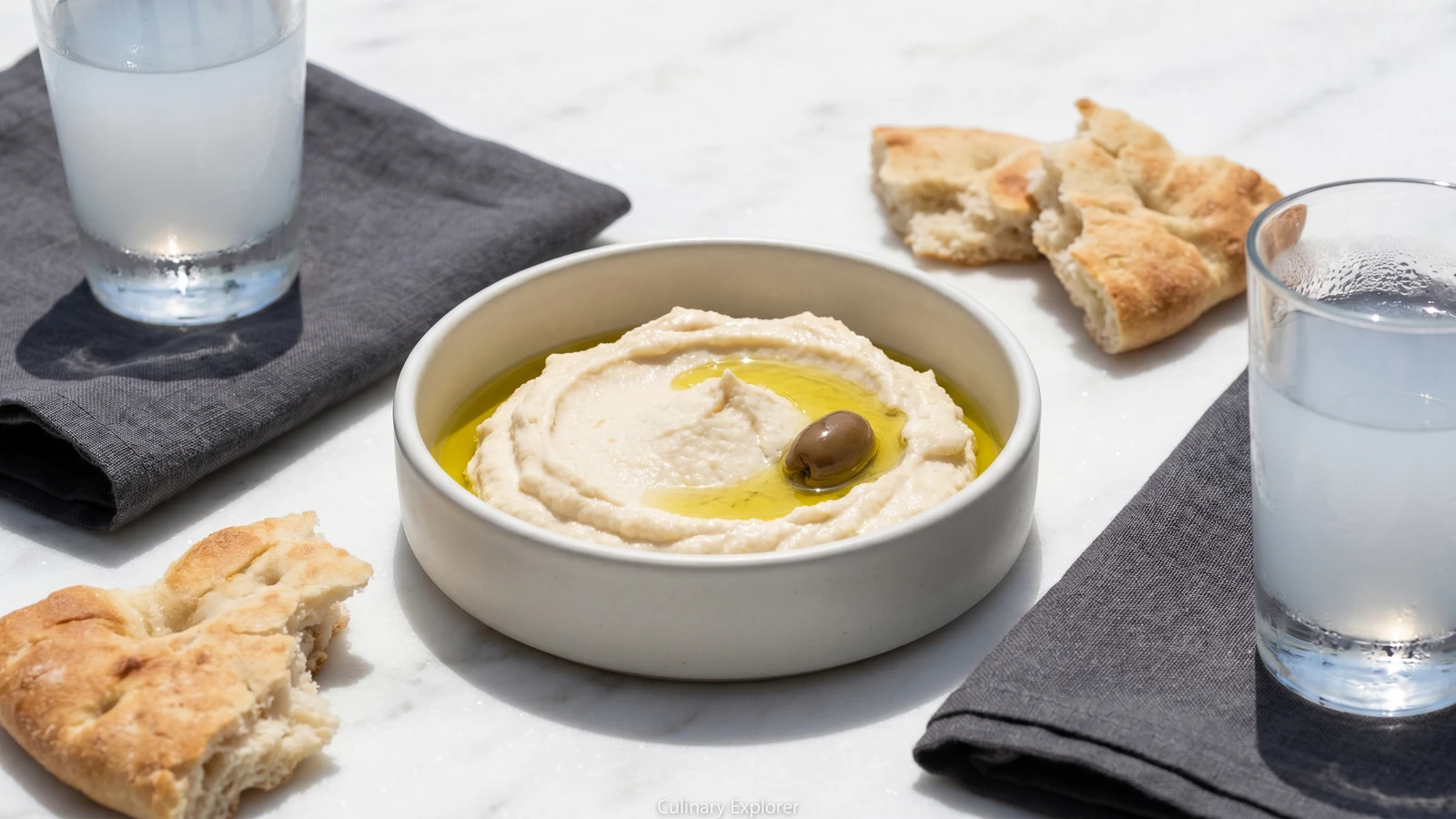
Aegean taramosalata is the pale roe spread of the port table, especially on Clean Monday, when it sits beside lagana, olives, beans, and pickles. This version belongs to the islands and coastal kitchens that keep it simple: white tarama, soaked bread, lemon, and olive oil. No pink dye. No mayonnaise. The region is the dish's surname.
The whole bowl depends on how you add the oil. Tarama is salty and forceful, but it becomes soft when the bread catches the oil little by little. Pour too fast and it splits, leaving a slick dip that tastes heavy. Feed the oil in drops at first, then a thread, and the mixture turns ivory, thick, and clean on the tongue.
The island versions in my notebook argue about onion and about bread versus potato, as Greek kitchens like to argue. I keep this Aegean bread version because it tastes of the old fasting table without feeling old. A recipe written down is a recipe saved, but it still has to live on your plate.
Taramosalata belongs to the Greek Lenten table, especially Clean Monday (Kathara Deftera), the first day of the fast before Easter. Its name comes through Turkish tarama, meaning cured fish roe, and points to the old coastal habit of preserving carp, cod, or gray mullet roe rather than wasting it. The bright pink supermarket version is a twentieth-century commercial habit; older home bowls are ivory, beige, or faintly peach, depending on the roe and oil.
Quantity
80g
Quantity
150g
torn
Quantity
60ml
divided
Quantity
30g
finely grated
Quantity
220ml, plus 15ml
plus extra for serving
Quantity
45 to 75ml
as needed
Quantity
1
for serving
Quantity
as needed
for serving
| Ingredient | Quantity |
|---|---|
| white tarama (cured carp or cod roe paste) | 80g |
| crustless day-old white breadtorn | 150g |
| fresh lemon juicedivided | 60ml |
| white onion (optional)finely grated | 30g |
| mild extra virgin Koroneiki olive oilplus extra for serving | 220ml, plus 15ml |
| cold wateras needed | 45 to 75ml |
| Kalamata olive (optional)for serving | 1 |
| lagana or toasted country breadfor serving | as needed |
Put the torn bread in a bowl of cold water for 10 minutes, then squeeze it hard in your fists until it is damp but no longer dripping. This bread is the body of the taramosalata. Leave too much water in it and the dip goes loose before the oil has even begun.
Taste the tarama first. It should be deeply salty, but not bitter or metallic. Put the tarama in a small food processor with 30ml of the lemon juice and the grated onion, if using, and pulse until smooth. Add the squeezed bread and pulse again, scraping the sides, until you have a thick pale paste.
With the machine running, add the olive oil at first drop by drop, then in the thinnest thread you can manage. Alternate with the remaining lemon juice and spoonfuls of cold water. This is the step that decides the dish: tarama and bread hold oil when it arrives slowly. Hurry, and the oil slips out in a greasy shine instead of turning pale and creamy.
Let the taramosalata stand for 5 minutes, then taste. It should be salty, sharp with lemon, and rounded by the oil, not sour and not heavy. Add a little cold water if it is too stiff, or a few drops of lemon if it tastes flat. Do not add salt.
Spoon the taramosalata into a shallow bowl, cover, and chill for at least 1 hour. The bread firms as it rests, and the salt settles through the whole bowl. If it becomes too firm after chilling, beat in cold water 1 teaspoon at a time.
Make a shallow well in the surface and pour in the 15ml olive oil. Set one Kalamata olive on top if you like. Serve cold or cool with lagana, the flat Clean Monday bread, or with toasted country bread for scraping the bowl clean.
1 serving (about 100g)
Culinary guides, cultural storytelling, and the editorial depth that makes cooking meaningful.
Discover Culinary ExplorerChef Dimitra
Aegean island fried squid is flour, hot oil, lemon, and nerve. Fry it for a minute or two, no longer, and it stays tender under its crisp coat.

Chef Dimitra
Athenian March 25 salt cod, crisp in a puffed beer batter and served with garlic skordalia, the Lenten fish dish Greece keeps for Annunciation day.

Chef Dimitra
Crete names this dish by the pan motion: snails set mouth-down in salted flour, fried in good olive oil, then hit with rosemary and vinegar.

Chef Dimitra
Cretan kolokithoanthoi are squash blossoms filled with herbed rice, folded gently, and fried until the petals crisp around a soft, green summer filling.