
Chef Dean
Basler Brunsli
Chewy Swiss chocolate-almond cookies perfumed with cinnamon and cloves, their crackled sugar crust giving way to fudgy, intensely flavored centers that have graced Basel's Christmas tables for over three centuries.
A cooking platform built around craft, culture, and the stories behind what we eat.

Created by
Chewy almond cookies crowned with glossy meringue, fragrant with cinnamon and tradition. These Southern German stars have graced Christmas tables for centuries, and they deserve a place on yours.
In the Black Forest region of Germany, December kitchens have smelled of cinnamon and almonds for over four hundred years. Zimtsterne appeared in German cookbooks as early as the sixteenth century, long before sugar was affordable to common folk. These were celebration cookies, baked for nobility and church holidays. Today they belong to everyone.
The magic of these stars lies in their contradictions. The exterior stays pale and pristine, almost porcelain-like, while the interior remains dense and chewy with ground almonds. You bite through the delicate meringue glaze into something that resembles marzipan's earthier cousin. That contrast is everything.
I'll tell you now: this dough tests your patience. Ground almonds release oil. The mixture sticks to everything. German grandmothers have been cursing at this dough for generations, yet they make it every December without fail. Why? Because nothing else tastes quite like this. The perfume of cinnamon. The slight crunch giving way to that soft, almondy center. These cookies are worth the trouble.
Roll the dough between sheets of parchment. Work quickly. Keep everything cold. These are the secrets passed down through Swabian kitchens, and they work. By your third batch, you'll move with confidence. By your fifth, you'll understand why German families consider Zimtsterne non-negotiable.
Quantity
3 (about 100g)
Quantity
1/4 teaspoon
Quantity
300g (2 1/2 cups)
Quantity
350g (3 1/2 cups)
Quantity
1 tablespoon
Quantity
1/2 teaspoon
Quantity
1 teaspoon
finely grated
| Ingredient | Quantity |
|---|---|
| large egg whites | 3 (about 100g) |
| fine sea salt | 1/4 teaspoon |
| powdered sugar, sifted | 300g (2 1/2 cups) |
| blanched almond flour | 350g (3 1/2 cups) |
| ground Ceylon cinnamon | 1 tablespoon |
| pure almond extract | 1/2 teaspoon |
| lemon zestfinely grated | 1 teaspoon |
In the bowl of a stand mixer fitted with the whisk attachment, beat egg whites and salt on medium speed until foamy, about one minute. Increase speed to medium-high and gradually add the powdered sugar, one tablespoon at a time. Continue beating until the mixture holds stiff, glossy peaks that don't droop when you lift the whisk. This takes 5 to 7 minutes. The meringue should look like thick, shiny marshmallow cream.
Transfer one generous cup of the meringue to a small bowl. Cover tightly with plastic wrap pressed directly against the surface and refrigerate. This becomes your glaze. Don't skip this step or you'll have nothing to top your stars with.
To the remaining meringue in the mixer bowl, add the almond flour, cinnamon, almond extract, and lemon zest. Switch to the paddle attachment and mix on low speed until a thick, slightly sticky dough forms. It will look like dense cookie dough with a matte surface. If it seems too wet to handle, add almond flour one tablespoon at a time until it holds together without being overly tacky.
Divide the dough in half. Place each portion between two sheets of parchment paper and roll to about 1/3-inch thickness. Slide both portions onto a baking sheet and refrigerate for at least 45 minutes, or until firm enough to cut cleanly. Cold dough is manageable dough.
Line two baking sheets with parchment paper. Remove one dough portion from the refrigerator and peel away the top parchment. Dip a 2-inch star cutter in powdered sugar and cut shapes, pressing straight down without twisting. Transfer stars to prepared baking sheets, spacing them one inch apart. Gather scraps gently, re-roll between parchment, chill briefly, and cut again. Repeat with remaining dough.
Remove the reserved meringue from the refrigerator. Using a small offset spatula or the back of a spoon, spread a thin layer over each star, covering it completely to the points. Work gently. The glaze should be smooth and even, hiding the cinnamon dough beneath a snowy white coat. Let the glazed cookies rest at room temperature for 30 minutes. This sets the surface and prevents cracking.
Heat your oven to 275°F (135°C). Position a rack in the center. Bake one sheet at a time for 10 to 12 minutes. The glaze should remain white or turn only the faintest ivory. The cookies will feel slightly soft when hot but firm as they cool. If the glaze begins to brown, your oven runs hot. Reduce the temperature by 15 degrees for the next batch.
Let cookies cool on the baking sheet for 5 minutes, then transfer to a wire rack. They crisp slightly at the edges while the centers stay chewy. Store in an airtight container at room temperature, layered between sheets of parchment. A slice of apple in the container keeps them tender for weeks.
1 serving (about 33g)
Culinary guides, cultural storytelling, and the editorial depth that makes cooking meaningful.
Discover Culinary ExplorerChef Dean
Chewy Swiss chocolate-almond cookies perfumed with cinnamon and cloves, their crackled sugar crust giving way to fudgy, intensely flavored centers that have graced Basel's Christmas tables for over three centuries.

Chef Dean
Tender, golden Swiss butter cookies perfumed with fresh lemon zest, brushed with egg wash to achieve that signature glossy finish that has graced holiday tins from Zurich to Geneva for generations.

Chef Dean
Nuremberg's legendary soft gingerbread cookies, rich with ground nuts and ancient spices, baked on delicate wafer bases and finished with gleaming chocolate or snow-white icing. A gift-worthy tradition since the medieval spice trade.
Chef Dean
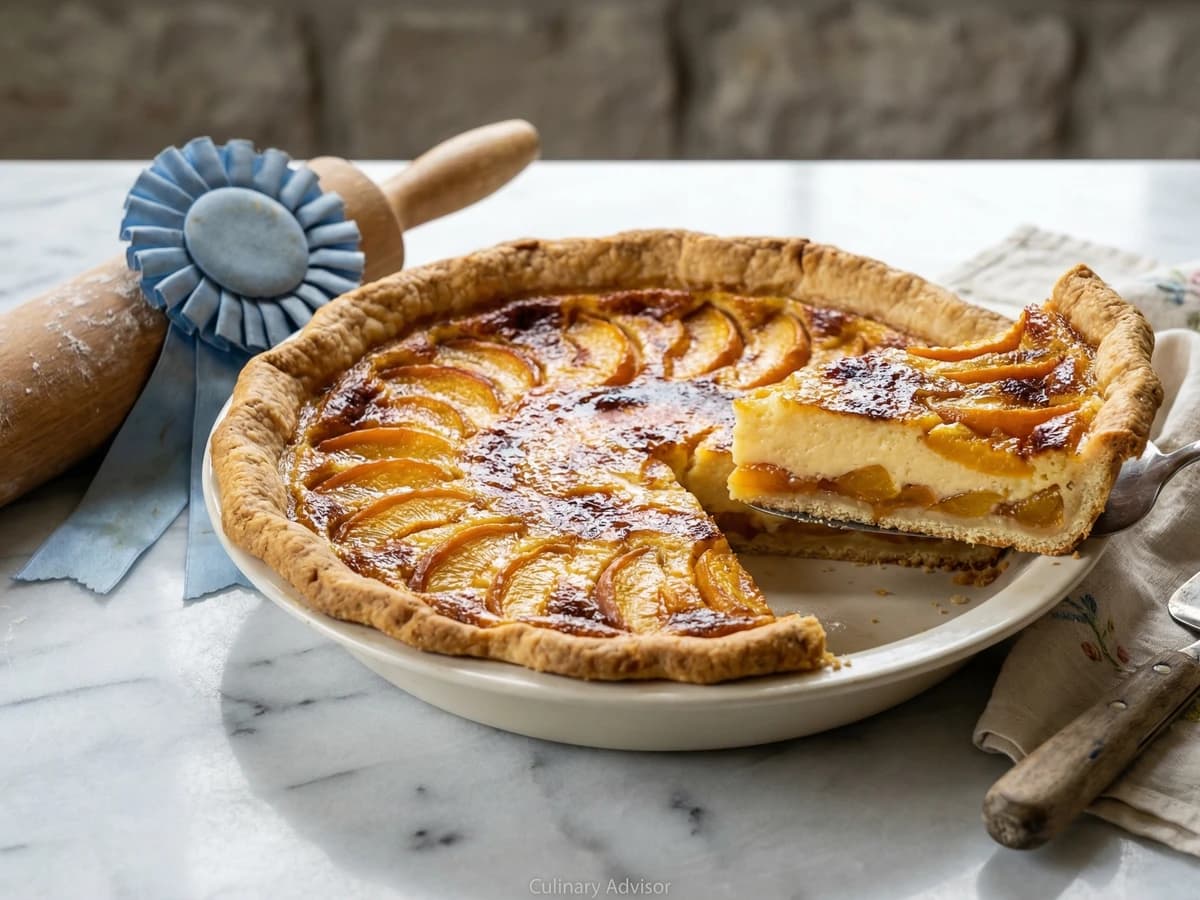
A pillowy yeasted crust cradling ripe fruit beneath a trembling layer of sweet cream custard, baked until golden and served with the pride of generations of German-Russian grandmothers who carried this recipe across an ocean and a continent.