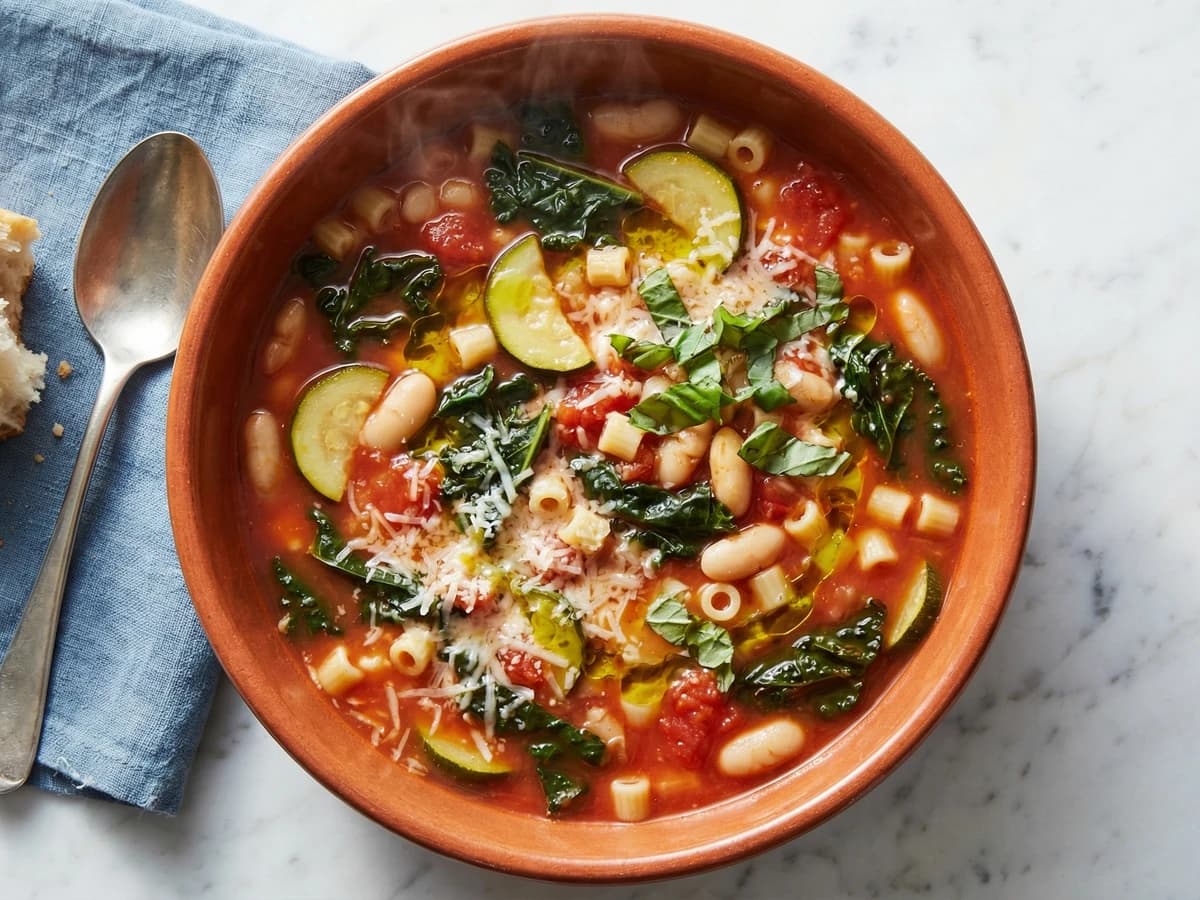
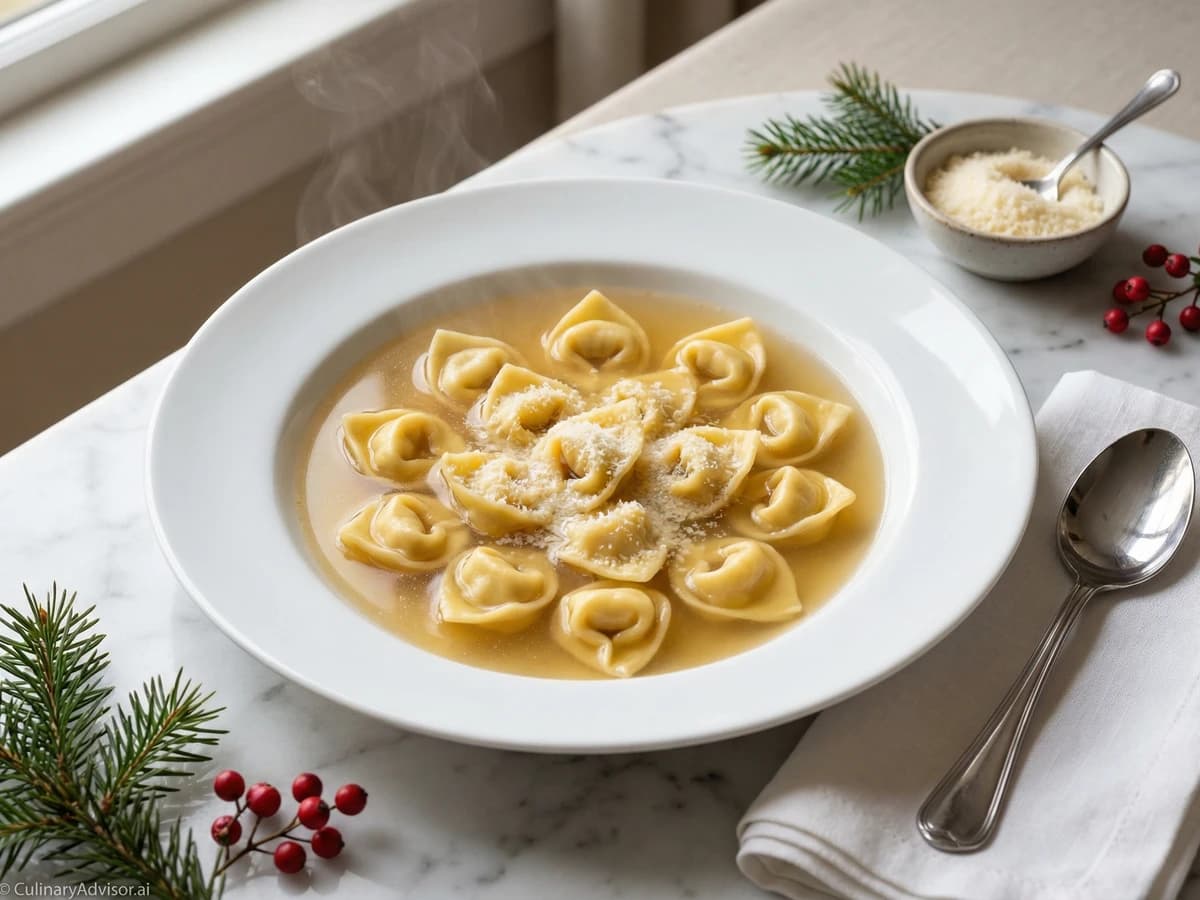
A bowl of creamy cannellini beans, simmered until they melt into their broth, finished with a branch of rosemary and a generous pour of olive oil so good you could drink it.
Soups & Stews
Italian
Weeknight
Budget Friendly
Comfort Food
20 min
Active Time
1 hr 30 min cook•1 hr 50 min total
Yield6 servings
Start with the beans. Dried cannellini, not canned. You want beans that will release their starch slowly into the broth, turning the whole pot silky and rich. Good dried beans from a source that moves them quickly make all the difference. Old beans never fully soften.
This is Tuscan cooking at its most honest. A handful of ingredients. Time. Attention. The beans do the work if you let them. You are not building layers of complexity here. You are coaxing out what the ingredients already possess.
The olive oil matters more than almost anything else. Pour it generously at the end, when the soup is in the bowl. Use oil you would happily eat on bread. The heat of the soup releases its fragrance, and suddenly you understand why Tuscans call it liquid gold. The rosemary should be fresh, stripped from a woody branch, its piney scent mingling with the beans.
Every meal is a meaningful choice. A pot of beans costs almost nothing but feeds a family well. This is good food as a right, not a privilege. Let things taste of what they are.
The technique, the tradition, and the story behind every dish.
dried cannellini beanspicked over and soaked overnight
1 pound
homemade chicken or vegetable stock
6 cups
extra-virgin olive oil
1/4 cup, plus more for finishing
yellow oniondiced
1 medium
garlic clovessmashed
4
fresh rosemary sprigs
2, plus leaves for finishing
bay leaf
1
Parmesan rind (optional)
1 small
fine sea salt
1 teaspoon, plus more to taste
black pepperfreshly cracked
to taste
crusty bread
for serving
Equipment Needed
•Large heavy-bottomed pot or Dutch oven
•Wooden spoon or potato masher
•Ladle
Instructions
1
Soak the beans
Cover the dried beans with several inches of cold water the night before. They will drink deeply, nearly doubling in size by morning. Drain and rinse them before cooking. This overnight rest shortens cooking time and helps beans cook evenly.
If you forget to soak, cover beans with water, bring to a boil for one minute, then let sit covered for an hour. Not quite as good, but it works.
2
Build the aromatic base
Warm the olive oil in a heavy-bottomed pot over medium heat. Add the diced onion and cook until soft and translucent, about eight minutes. The onion should not brown. You want sweetness, not caramelization. Add the smashed garlic in the final minute, stirring until fragrant.
3
Add beans and liquid
Add the drained beans to the pot, stirring to coat them in the oil and aromatics. Pour in the stock. It should cover the beans by about two inches. If using water instead of stock, this is the moment when good ingredients matter most. Tuck in the rosemary sprigs, bay leaf, and Parmesan rind if you have one.
4
Simmer until tender
Bring the pot to a gentle simmer. Reduce heat to low, cover with a lid slightly ajar, and let the beans cook slowly. Stir occasionally. After about an hour, begin checking. The beans are ready when they yield completely to gentle pressure, creamy all the way through with skins that are tender but intact. This may take an hour to an hour and a half depending on the age of your beans.
Add salt only in the last twenty minutes of cooking. Salt added too early can toughen the skins.
5
Create the creamy texture
Remove the rosemary branches, bay leaf, and Parmesan rind. Using a wooden spoon or potato masher, crush about a third of the beans against the side of the pot. This releases their starch and thickens the broth without a blender. The soup should be creamy but still have whole beans throughout. Add more stock or water if it seems too thick.
6
Season and finish
Taste the broth. Add salt gradually until the beans taste fully of themselves, bright and present. The soup should be well-seasoned but not salty. Add several grinds of black pepper. Simmer another five minutes to let the seasoning settle in.
7
Serve with olive oil
Ladle the soup into warmed bowls. Scatter fresh rosemary leaves over each portion, torn into small pieces. Now, the moment that matters: pour a generous stream of your best olive oil over the surface. Be bold. The oil should pool and shimmer. Serve immediately with crusty bread for soaking up every drop.
Chef Tips
•Buy dried beans from a source that turns over inventory quickly. Health food stores and farmers markets often have fresher beans than supermarket shelves where bags can sit for years. Fresh dried beans cook in an hour. Old ones may never soften.
•Homemade stock transforms this soup. If you have chicken bones or vegetable scraps, make stock the day before. Water works, but stock adds depth that no amount of seasoning can replicate.
•The finishing olive oil is not optional. It is the soul of the dish. Use your best, something grassy and peppery that you would eat by the spoonful. Store olive oil away from light and heat, and use it within a few months of opening.
•A Parmesan rind adds savory richness without making the soup taste cheesy. Save rinds in your freezer for soups and braises. They are too valuable to discard.
Advance Preparation
•The soup improves overnight as flavors meld. Store refrigerated for up to four days. The texture will thicken as it sits; add a splash of stock or water when reheating.
•Freeze portions for up to three months. Thaw overnight in the refrigerator and reheat gently, adding liquid as needed.
•Always add fresh olive oil and rosemary leaves when serving, whether the soup is fresh or reheated. These finishing touches do not survive storage.
Frequently Asked Questions
Nutrition Information
1 serving (about 400g)
Calories
365 calories
Total Fat
11 g
Saturated Fat
2 g
Trans Fat
0 g
Unsaturated Fat
8 g
Cholesterol
3 mg
Sodium
650 mg
Total Carbohydrates
48 g
Dietary Fiber
12 g
Sugars
2 g
Protein
19 g
Where cooking meets culture.
Culinary guides, cultural storytelling, and the editorial depth that makes cooking meaningful.