
Chef Dean
Antipasto Tortellini Salad
Plump cheese tortellini tumbled with the greatest hits of the Italian deli counter, all glossed in a garlicky herb vinaigrette that improves as it sits. This is the potluck dish that comes home empty.
A cooking platform built around craft, culture, and the stories behind what we eat.

Created by
Creamy cannellini beans dressed in fruity olive oil and bright lemon, scattered with fresh herbs and garlic. This is the salad that appears on every Tuscan table during spring celebrations, and for good reason.
The Italians understand something about beans that Americans are only beginning to appreciate. A properly prepared white bean, dressed simply with good olive oil and a squeeze of lemon, needs nothing more. It becomes luxurious. Silky. The kind of dish that makes you wonder why we ever complicated things.
This salad traces its roots to the Tuscan countryside, where cannellini beans have been a staple for centuries. Peasant food, yes. But peasant food that graces the finest tables in Florence during Easter celebrations, served alongside roasted lamb with the same reverence we might show a composed salad at a dinner party. The Tuscans call themselves mangiafagioli—bean eaters—and they wear the title with pride.
I've served this at Easter gatherings for decades. It sits beautifully on a buffet, improves as it marinates, and provides a cool, bright counterpoint to the rich roasted meats that anchor the holiday table. The beans absorb the dressing over time, becoming more flavorful by the hour. Make it the morning of your celebration. By dinner, it will taste like it's been waiting its whole life for that moment.
The technique here matters more than the ingredient list suggests. Cooking your own beans yields superior texture, but I'll not shame you for reaching for quality canned beans on a busy holiday. What cannot be compromised is the olive oil. This is a dish where the oil does the heavy lifting. Reach for something fruity, peppery, and honest. You'll taste every drop.
Quantity
1 pound
soaked overnight, or 3 cans (15 oz each) drained and rinsed
Quantity
1
Quantity
4 whole, peeled, plus 2 cloves
whole for cooking, minced for dressing
Quantity
1/2 cup
plus more for drizzling
Quantity
3 tablespoons
about 1 large lemon
Quantity
1 teaspoon
Quantity
1/2 small
thinly sliced
Quantity
1/4 cup
roughly chopped
Quantity
2 tablespoons
thinly sliced
Quantity
1 tablespoon
finely minced
Quantity
1/2 teaspoon
Quantity
to taste
Quantity
to taste
Quantity
2 cups
Quantity
for serving
shaved
| Ingredient | Quantity |
|---|---|
| dried cannellini beanssoaked overnight, or 3 cans (15 oz each) drained and rinsed | 1 pound |
| bay leaf | 1 |
| garlic cloveswhole for cooking, minced for dressing | 4 whole, peeled, plus 2 cloves |
| extra-virgin olive oilplus more for drizzling | 1/2 cup |
| fresh lemon juiceabout 1 large lemon | 3 tablespoons |
| lemon zest | 1 teaspoon |
| red onionthinly sliced | 1/2 small |
| fresh flat-leaf parsleyroughly chopped | 1/4 cup |
| fresh sagethinly sliced | 2 tablespoons |
| fresh rosemaryfinely minced | 1 tablespoon |
| red pepper flakes | 1/2 teaspoon |
| kosher salt | to taste |
| freshly ground black pepper | to taste |
| baby arugula (optional) | 2 cups |
| Pecorino Romano (optional)shaved | for serving |
If using dried beans, cover them with cold water by three inches in a large bowl. Let them soak overnight, or for at least eight hours. The beans will double in size. Drain and rinse before cooking. This step cannot be rushed. Unsoaked beans cook unevenly and never achieve that creamy interior you're after.
Place soaked beans in a large pot with fresh cold water, covering them by two inches. Add the bay leaf and four whole garlic cloves. Bring to a gentle simmer over medium heat. Do not boil aggressively or the skins will split. Reduce heat to maintain the barest simmer, with only occasional bubbles breaking the surface. Cook for 60 to 90 minutes, until beans are creamy throughout but still hold their shape. A properly cooked bean yields completely when pressed between your fingers. Season with salt only during the final fifteen minutes of cooking.
If using canned beans, drain them thoroughly and rinse under cold water to remove the starchy packing liquid. Spread on a clean kitchen towel and pat dry. Canned beans benefit from a brief warm bath: place them in a saucepan with a cup of water, a bay leaf, and a crushed garlic clove. Simmer gently for ten minutes, then drain. This step wakes them up, infusing flavor and improving texture.
While beans are still warm (or after warming canned beans), prepare your dressing. In a small bowl, whisk together the olive oil, lemon juice, lemon zest, minced garlic, and red pepper flakes. The oil should look slightly cloudy, the lemon fully incorporated. Season with a generous pinch of salt and several grinds of black pepper. Taste it. The dressing should be bright and assertive. It will mellow against the beans.
Transfer warm beans to a large, wide serving bowl. Remove the bay leaf and whole garlic cloves (you may mash the softened garlic into the dressing if you'd like). Pour the dressing over the beans while they're still warm. Warm beans absorb dressing like a sponge. Cold beans just sit there in a puddle. Add the sliced red onion and toss gently with a rubber spatula, taking care not to crush the beans. Let the salad rest at room temperature for at least thirty minutes.
Just before serving, fold in the parsley, sage, and rosemary. These herbs should taste fresh, not wilted. Adding them too early dulls their color and flavor. If using arugula, scatter it over the top or toss gently to combine. The peppery bite of the greens plays beautifully against the creamy beans.
Taste and adjust seasoning. The beans may need more salt, more lemon, or another glug of olive oil. Trust your palate. Transfer to your serving vessel, drizzle generously with additional olive oil (the good stuff, so it glistens), and scatter shaved Pecorino over the top. Serve at room temperature. Never cold. Cold mutes the olive oil's fruitiness and makes the beans taste flat.
1 serving (about 280g)
Culinary guides, cultural storytelling, and the editorial depth that makes cooking meaningful.
Discover Culinary ExplorerChef Dean
Plump cheese tortellini tumbled with the greatest hits of the Italian deli counter, all glossed in a garlicky herb vinaigrette that improves as it sits. This is the potluck dish that comes home empty.

Chef Ally
Peppery arugula leaves tossed in nothing but fresh lemon and good olive oil, showered with curls of aged pecorino. A salad that proves the best cooking is knowing when to get out of the way.

Chef Dean
Sun-ripened tomatoes and milky fresh mozzarella layered with fragrant basil, finished with your finest olive oil and a whisper of sea salt. This is Italian cooking at its most honest: three ingredients, zero places to hide.
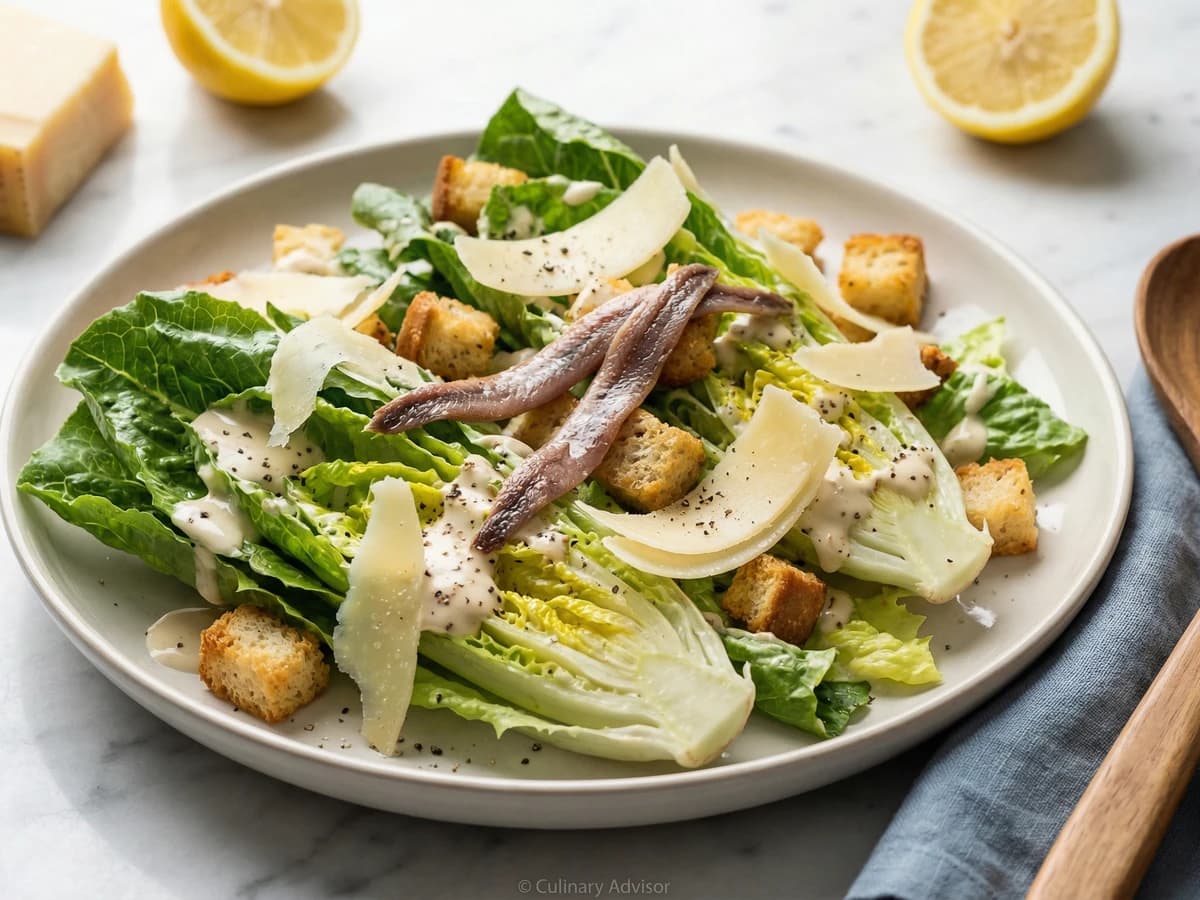
Chef Dean
The salad Caesar Cardini invented in Tijuana in 1924, with crisp romaine spears dressed tableside in a garlicky, anchovy-laced emulsion, scattered with crunchy croutons and snow-drifts of Parmigiano-Reggiano.