
Chef Graziella
Conserva di Pomodoro
The summer ritual of southern Italian home cooks, transforming ten pounds of ripe tomatoes into concentrated essence that will carry the taste of August through the winter months.
A cooking platform built around craft, culture, and the stories behind what we eat.

Created by
Five ingredients. Forty-five minutes. A tomato sauce so pure it proves that restraint is not a limitation but a liberation. What you keep out is as significant as what you put in.
This is not a recipe for tomato sauce. This is the tomato sauce, the one that requires exactly five ingredients and the wisdom to use nothing else.
No garlic. No herbs. No olive oil. Americans want to add things. They think more ingredients mean more flavor. The opposite is true. The butter rounds the acidity of the tomatoes. The onion, halved and simmered whole, gives sweetness and depth without asserting itself. Then you discard it. That is all.
I have known people to skip the pasta entirely and eat this sauce straight from the pot with a spoon. That tells you everything you need to know. When your tomatoes are San Marzano, grown in volcanic soil at the foot of Vesuvius, you do not need to add anything. You need to get out of their way.
Simple does not mean easy. It means every ingredient must earn its place. It means your technique must be sound because there is nowhere to hide mistakes.
For two centuries after Spanish ships brought tomatoes from Peru, Italians treated them as ornamental curiosities, pretty and possibly poisonous. It was the lazzaroni, the street-dwelling poor of 18th-century Naples, who discovered what the nobility missed: these strange fruits, cooked down with nothing but fat and salt, made cheap pasta extraordinary. The tomato's triumph began in Naples, and this sauce remains Neapolitan to its core.
Quantity
1 can (28 ounces)
Quantity
5 tablespoons
Quantity
1 medium
peeled and halved
Quantity
1 teaspoon, or to taste
| Ingredient | Quantity |
|---|---|
| whole peeled San Marzano tomatoes | 1 can (28 ounces) |
| unsalted butter | 5 tablespoons |
| yellow onionpeeled and halved | 1 medium |
| kosher salt | 1 teaspoon, or to taste |
Pour the tomatoes and their juices into a wide saucepan or sauté pan. Use your hands to crush the tomatoes, breaking them into coarse pieces. Add the butter and the onion halves, cut side down. Add the salt. That is all that goes in.
Bring the sauce to a gentle simmer over medium heat. Reduce the heat to maintain a lazy bubble, with the surface barely trembling. Cook uncovered for 45 minutes, stirring occasionally. The butter will melt and emulsify into the tomatoes. The onion will soften and give up its sweetness.
The sauce is ready when the fat no longer separates from the tomatoes and the color has deepened to a rich terracotta. It should coat a spoon and fall in thick ribbons. If it seems thin, cook a few minutes longer. If it reduces too much, add a splash of water.
Remove and discard the onion halves. They have given everything. Taste the sauce and adjust salt if needed. The sauce can be used as is for a rustic texture, or passed through a food mill for smoothness. Toss immediately with hot pasta, using a splash of pasta water to help the sauce cling. Serve promptly.
1 serving (about 120g)
Culinary guides, cultural storytelling, and the editorial depth that makes cooking meaningful.
Discover Culinary ExplorerChef Graziella
The summer ritual of southern Italian home cooks, transforming ten pounds of ripe tomatoes into concentrated essence that will carry the taste of August through the winter months.

Chef Graziella
The Sunday sauce of Naples, where whole cuts of beef and pork surrender to tomato over five patient hours. The pasta comes first, dressed in concentrated sauce. The meat follows as its own course.
Chef Juliette
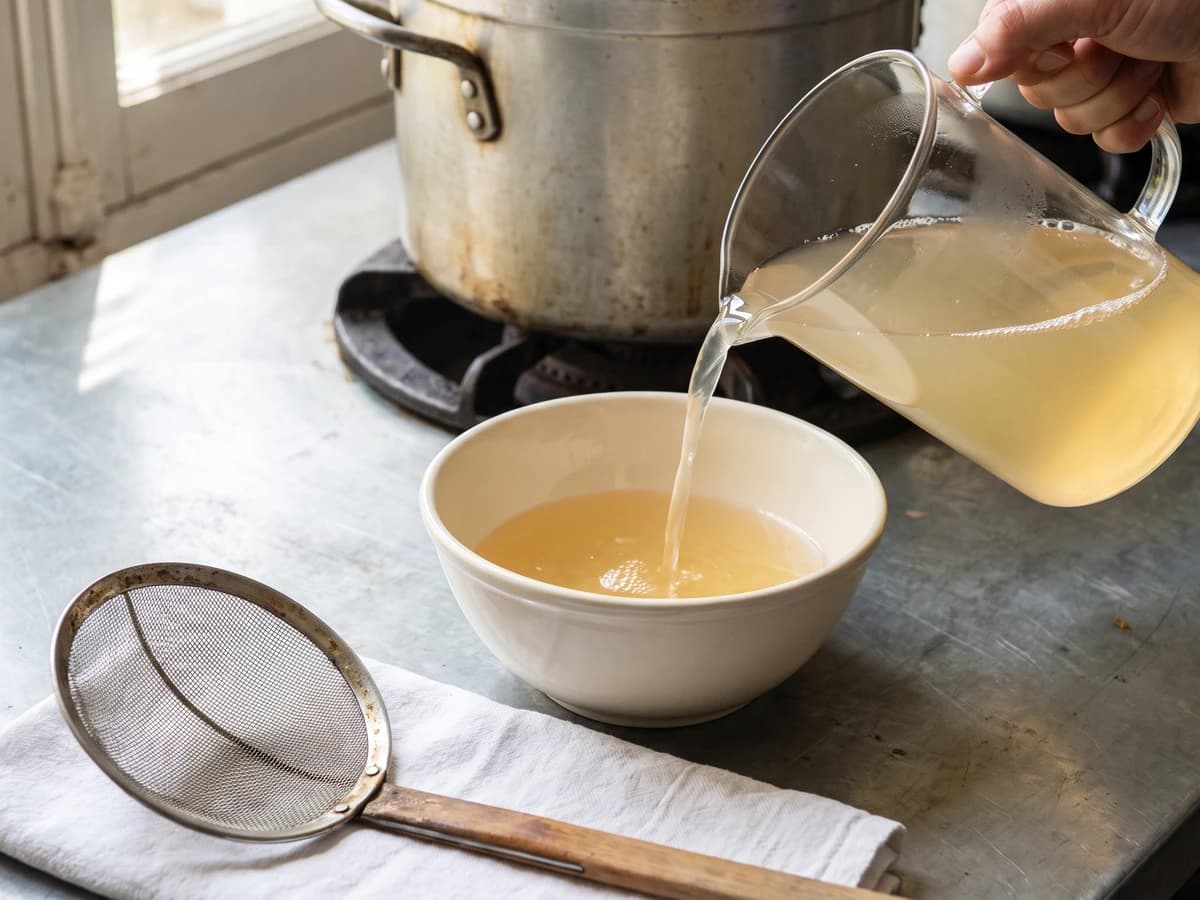
Beef shin, lean beef, and fowl begin in cold water and rise slowly toward a tremble. Skim before the boil, and you learn the quiet discipline that gives every clear French broth its backbone.
Chef Juliette
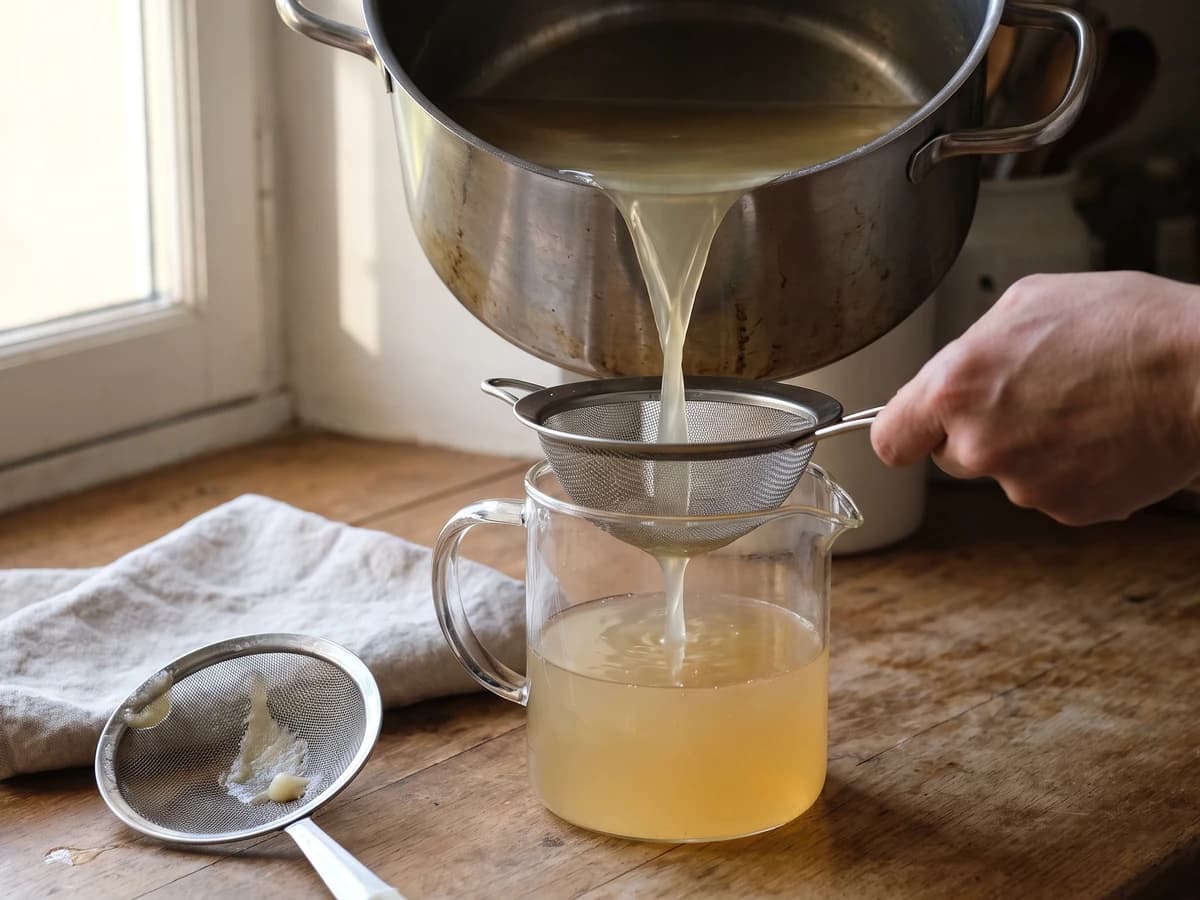
Break the veal bones small, then give them eight hours at a bare tremble. This pale, gelatinous fond becomes the quiet foundation beneath velouté, blanquette, and every sauce that must stay light.