
Chef Dean
Baked Chicken Parmesan
Golden-crusted chicken cutlets blanketed in robust marinara and stretchy mozzarella, baked until the cheese bubbles and browns at the edges. This is the dish that made Italian-American cooking famous.
A cooking platform built around craft, culture, and the stories behind what we eat.
Created by
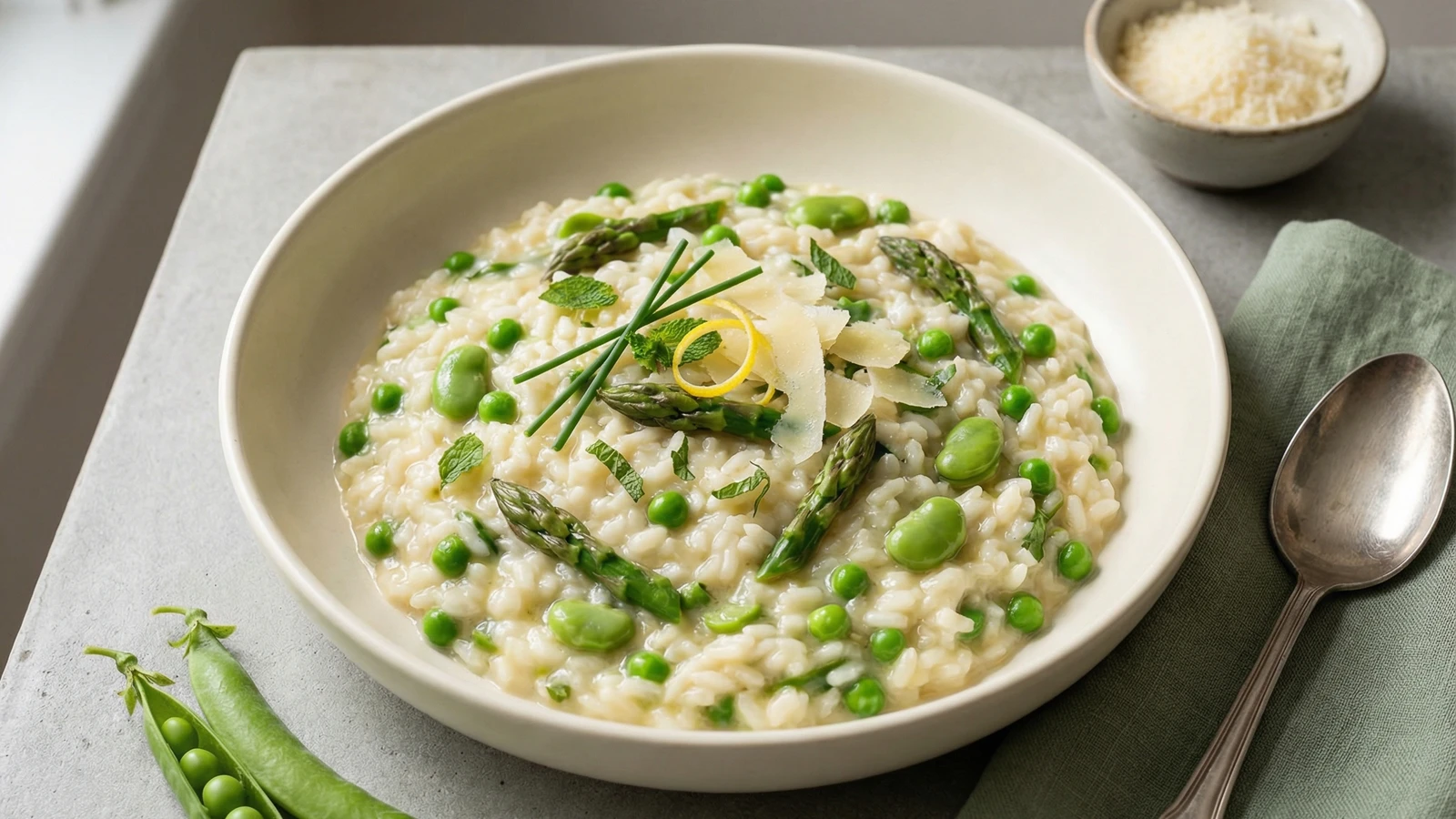
Silky Arborio rice folded with tender spring vegetables and finished with butter and Parmigiano-Reggiano. This is Italian comfort food at its most refined, worthy of your Easter table or any celebration of the season.
Risotto is an act of faith. You commit to standing at the stove, ladle in hand, for the better part of thirty minutes. There are no shortcuts that don't compromise the result. But here's what I want you to understand: this commitment rewards you with something no other rice dish can deliver. Creaminess that comes not from cream but from the starch released through patient stirring. A texture the Italians call all'onda, flowing like a wave when you tip the plate.
Spring vegetable risotto appears on Italian tables during Pasqua, their Easter celebration, when the first tender peas and asparagus arrive at market. The dish honors the season's renewal. Fava beans, those ancient legumes cultivated since Roman times, add their distinctive earthy sweetness. Together these vegetables transform a simple rice dish into something that feels like celebration.
I've served this risotto to crowds of twenty and to tables of two. The technique remains identical. What changes is your vessel and your mise en place. For a large gathering, prepare your vegetables ahead, keep your stock at a steady simmer, and enlist a helper to stir while you attend to other dishes. The risotto waits for no one, but with proper planning, it needn't hold you hostage either.
Don't let anyone tell you risotto is difficult. It isn't. It requires attention, not complexity. Warm stock, gradual additions, constant stirring, and the confidence to finish with enough butter to make it sing. That's the whole method. Everything else is just following through.
Quantity
1 1/2 cups
Quantity
6 cups
kept warm
Quantity
1 cup
Quantity
1 medium
finely minced
Quantity
2 cloves
minced
Quantity
4 tablespoons
divided
Quantity
2 tablespoons
Quantity
1 cup
Quantity
1 bunch (about 1 pound)
trimmed and cut into 1-inch pieces
Quantity
1 cup shelled (from about 2 pounds in pod)
Quantity
1 cup
freshly grated
Quantity
2 tablespoons
finely sliced
Quantity
1 tablespoon
torn
Quantity
1
zested
Quantity
to taste
Quantity
to taste
| Ingredient | Quantity |
|---|---|
| Arborio rice | 1 1/2 cups |
| vegetable or light chicken stockkept warm | 6 cups |
| dry white wine | 1 cup |
| shallotfinely minced | 1 medium |
| garlicminced | 2 cloves |
| unsalted butterdivided | 4 tablespoons |
| extra-virgin olive oil | 2 tablespoons |
| fresh or frozen peas | 1 cup |
| asparagustrimmed and cut into 1-inch pieces | 1 bunch (about 1 pound) |
| fava beans | 1 cup shelled (from about 2 pounds in pod) |
| Parmigiano-Reggianofreshly grated | 1 cup |
| fresh chivesfinely sliced | 2 tablespoons |
| fresh mint leavestorn | 1 tablespoon |
| lemonzested | 1 |
| kosher salt | to taste |
| freshly ground black pepper | to taste |
Bring a pot of salted water to a rolling boil. Add the shelled fava beans and blanch for 60 seconds. Transfer immediately to a bowl of ice water. Once cool, slip each bean from its pale outer skin by pinching one end. The bright green interior will pop free. This step seems fussy but takes only minutes once you find your rhythm. The reward is favas that taste of spring rather than starch.
Using the same boiling water, blanch the asparagus pieces for 90 seconds until crisp-tender and still vibrantly green. Transfer to ice water. Blanch fresh peas for 30 seconds (skip this if using frozen). Reserve all vegetables together. This parcooking ensures your vegetables retain their color and bite rather than turning army-green and mushy in the risotto.
Pour the stock into a saucepan and bring to a gentle simmer over low heat. Keep it there throughout cooking. Cold stock added to hot rice shocks the starches and produces gluey, unpleasant risotto. This single detail separates restaurant risotto from most home attempts. Your stock should steam but never boil.
Heat 2 tablespoons butter and the olive oil in a wide, heavy-bottomed pot or Dutch oven over medium heat. When the butter foams and subsides, add the shallot and a pinch of salt. Cook, stirring occasionally, until soft and translucent but not browned, about 3 minutes. Add the garlic and stir for 30 seconds until fragrant. The aroma should be sweet and inviting, never acrid.
Add the Arborio rice and stir to coat every grain with fat. Toast for 2 minutes, stirring constantly, until the edges become translucent and the center remains opaque. You'll hear a gentle clicking as you stir, like tiny pebbles. This toasting step builds a protective shell around each grain that allows it to absorb liquid slowly while releasing starch gradually.
Pour in the white wine all at once. It will hiss and steam dramatically. Stir constantly until the wine has been absorbed completely, about 2 minutes. The alcohol cooks off, leaving behind acidity that brightens the finished dish. Don't skip this step or substitute stock. The wine's contribution is irreplaceable.
Add warm stock one ladleful at a time (about 3/4 cup per addition), stirring frequently and allowing each addition to be nearly absorbed before adding the next. Adjust your heat to maintain a gentle simmer. The rice should bubble lazily, not furiously. This gradual absorption is what coaxes the starch from each grain, creating creaminess without cream. The process takes 18 to 22 minutes. Taste the rice frequently after 15 minutes.
The risotto is ready when the rice is tender but retains the slightest resistance at the center (al dente), and the overall texture flows like lava when you shake the pan. It should not be stiff or gluey. If it seems tight, add another splash of stock. You'll likely use most but not all of your 6 cups. Better to have extra than to run short.
Remove the pot from heat. Gently fold in the blanched asparagus, peas, and fava beans. The residual heat will warm them through without overcooking. Stir gently to distribute evenly.
Add the remaining 2 tablespoons butter and all the Parmigiano-Reggiano. Stir vigorously for 30 seconds until the butter and cheese melt into the rice, creating a glossy, voluptuous consistency. This final step, called mantecatura, is what gives risotto its soul. Season with salt and pepper to taste. The cheese adds salt, so proceed carefully.
Divide among warmed shallow bowls. Scatter the chives, torn mint, and lemon zest over each portion. Offer additional Parmigiano-Reggiano at the table. Risotto waits for no one. Serve it the moment it's ready, while it still flows and glistens. Within five minutes it begins to stiffen. Your guests should be seated and ready when the last ladle of stock goes in.
1 serving (about 300g)
Culinary guides, cultural storytelling, and the editorial depth that makes cooking meaningful.
Discover Culinary ExplorerChef Dean
Golden-crusted chicken cutlets blanketed in robust marinara and stretchy mozzarella, baked until the cheese bubbles and browns at the edges. This is the dish that made Italian-American cooking famous.

Chef Dean
Ridged ziti tubes cradling a slow-simmered meat sauce, layered with creamy ricotta and buried under a blanket of molten mozzarella that blisters golden in the oven. This is the dish that ends arguments and fills bellies.

Chef Ally
The iconic Tuscan steak: two inches of well-marbled beef, seared over a roaring fire, rested until the juices settle, then sliced and dressed with nothing but olive oil, rosemary, and sea salt.
Chef Ally
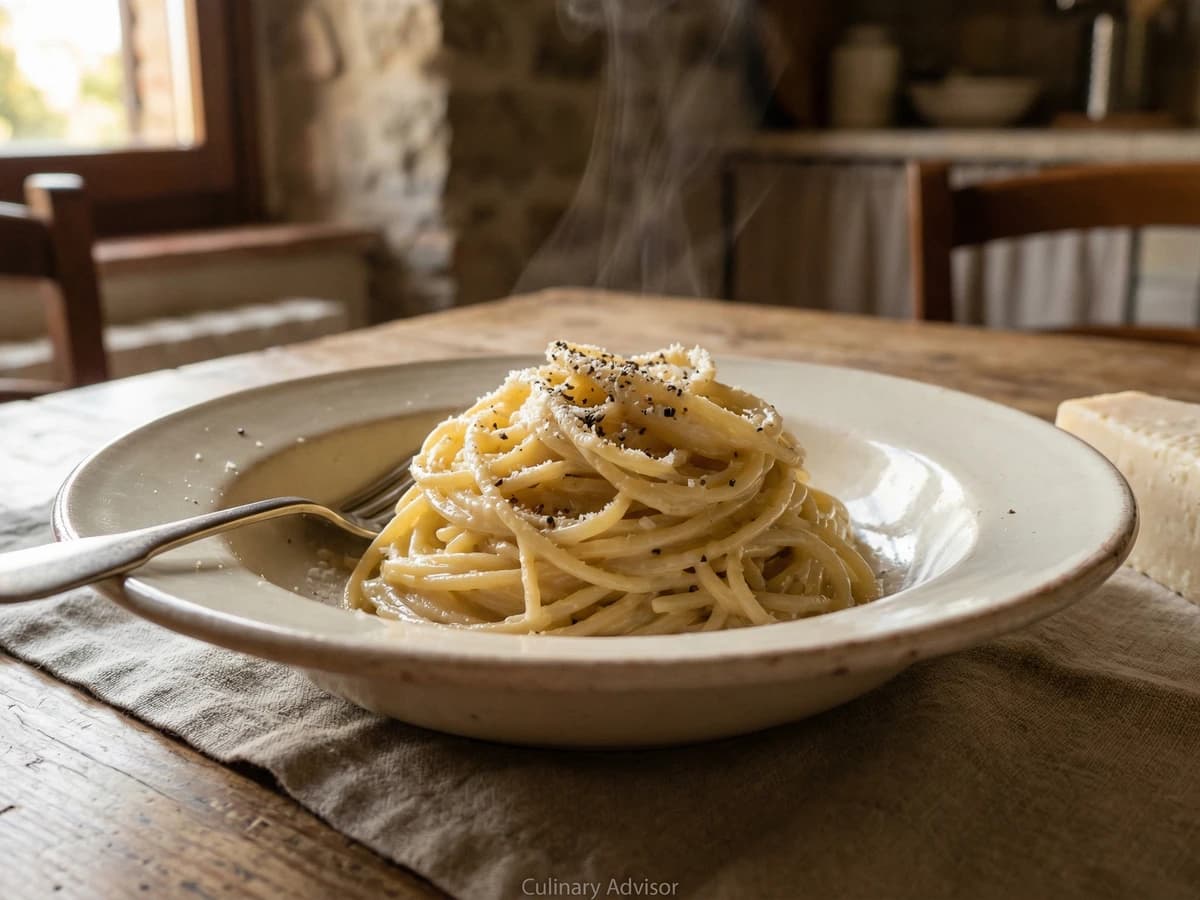
Three ingredients, infinite satisfaction. Real Pecorino Romano, freshly cracked black pepper, and good pasta transformed through nothing but technique and respect for what you have.