
Chef Dean
Basler Brunsli
Chewy Swiss chocolate-almond cookies perfumed with cinnamon and cloves, their crackled sugar crust giving way to fudgy, intensely flavored centers that have graced Basel's Christmas tables for over three centuries.
A cooking platform built around craft, culture, and the stories behind what we eat.

Created by
Thin, shattering spice cookies pressed into carved wooden molds, carrying the warm perfume of cinnamon, cardamom, and cloves that has announced the arrival of St. Nicholas for six hundred years.
These cookies predate the Reformation. German and Dutch bakers shaped them in wooden molds carved with images of St. Nicholas, windmills, and biblical scenes long before anyone dreamed of a red-suited Santa Claus. The name itself comes from the Latin speculum, meaning mirror or image, referring to those carved reflections pressed into every cookie.
The spice blend is the soul of Spekulatius. Cinnamon leads, but cardamom provides the haunting floral note that separates these from ordinary spice cookies. Cloves and nutmeg deepen the warmth. A whisper of white pepper adds complexity that most people can't identify but would miss if absent. This is the perfume of German Christmas markets, of Advent calendars, of waiting for December 6th when St. Nicholas rewards good children.
You don't need antique carved molds to make proper Spekulatius, though they're worth hunting for in antique shops. A simple rolling pin produces cookies just as delicious. But if you find a proper Spekulatius mold, treasure it. Press the dough firmly, dust with flour, and watch centuries of tradition emerge from the wood. There's something honest about baking the same cookies your great-great-grandmother might have made, using techniques unchanged since the Middle Ages.
The dough must rest overnight. This isn't optional. The spices need time to bloom and permeate the butter, and the gluten needs to relax for easy rolling. Plan accordingly. Make the dough one evening, bake the next. Your patience will be rewarded with cookies that shatter at first bite, releasing that unmistakable holiday fragrance.
Quantity
250g (2 cups)
Quantity
1/2 teaspoon
Quantity
1/4 teaspoon
Quantity
2 teaspoons
Quantity
1/2 teaspoon
Quantity
1/4 teaspoon
Quantity
1/4 teaspoon
Quantity
1/8 teaspoon
Quantity
170g (12 tablespoons)
softened
Quantity
150g (3/4 cup)
packed
Quantity
1
Quantity
1 teaspoon
Quantity
50g (1/3 cup)
Quantity
1 tablespoon
| Ingredient | Quantity |
|---|---|
| all-purpose flour | 250g (2 cups) |
| baking powder | 1/2 teaspoon |
| fine sea salt | 1/4 teaspoon |
| ground cinnamon | 2 teaspoons |
| ground cardamom | 1/2 teaspoon |
| ground cloves | 1/4 teaspoon |
| ground nutmeg | 1/4 teaspoon |
| ground white pepper | 1/8 teaspoon |
| unsalted buttersoftened | 170g (12 tablespoons) |
| dark brown sugarpacked | 150g (3/4 cup) |
| large egg | 1 |
| pure vanilla extract | 1 teaspoon |
| almond flour | 50g (1/3 cup) |
| whole milk | 1 tablespoon |
Whisk together the flour, baking powder, salt, cinnamon, cardamom, cloves, nutmeg, and white pepper in a medium bowl. Take a moment to inhale. This is the fragrance of European Christmas, and it should be robust and warming. If your spices smell dusty or faint, they're too old. Fresh spices matter here more than in almost any other recipe.
In a stand mixer fitted with the paddle attachment, or using a hand mixer, beat the softened butter and dark brown sugar on medium speed until light and fluffy, about 3 minutes. The mixture should be noticeably paler and increased in volume. Scrape down the sides of the bowl halfway through. The brown sugar contributes molasses notes that deepen the spice character, so don't substitute white sugar here.
Add the egg, vanilla extract, and milk to the butter mixture. Beat on medium speed until fully incorporated, about 1 minute. The mixture may look slightly curdled at first. This is normal. It will come together when the flour is added.
Add the almond flour to the spiced flour mixture and whisk briefly to combine. With the mixer on low speed, gradually add the flour mixture to the butter mixture. Mix just until the dough comes together and no dry streaks remain. Do not overmix. The almond flour contributes tenderness and a subtle nuttiness traditional to Spekulatius from certain regions of Germany.
Turn the dough out onto a lightly floured surface and divide it in half. Shape each portion into a flat rectangle about 1/2 inch thick. Wrap tightly in plastic wrap. Refrigerate for at least 8 hours or overnight. The dough can rest up to 3 days. This extended chill is essential. The spices need time to bloom and the butter must be thoroughly cold for clean rolling and crisp molds.
Remove one portion of dough from the refrigerator 10 minutes before rolling. Line two baking sheets with parchment paper. Position racks in the upper and lower thirds of your oven and preheat to 350°F (175°C). The dough should be cold but pliable enough to roll without cracking.
Dust your work surface and rolling pin lightly with flour. Roll the dough to 1/8-inch thickness, rotating and flipping occasionally to prevent sticking. Work quickly. Warm dough becomes sticky and loses its crispness when baked. If the dough softens, slide it onto a baking sheet and refrigerate for 10 minutes before continuing. Cut into rectangles approximately 2 by 3 inches, or use cookie cutters of your choice.
If using traditional Spekulatius molds, dust the carved surface generously with flour, tapping out the excess. Press rolled dough firmly into the mold, then flex the mold to release the imprinted cookie onto your prepared baking sheet. The image should be crisp and defined. If dough sticks, add more flour to the mold. Space cookies 1 inch apart. They spread minimally.
Bake for 10 to 12 minutes, rotating the pans from top to bottom and front to back halfway through. The cookies are done when the edges turn golden brown and the centers appear set but still slightly soft. They will crisp as they cool. Underbaking produces chewy cookies, which while delicious are not traditional. The goal is a cookie that shatters cleanly when bitten.
Let cookies rest on the baking sheet for 3 minutes before transferring to a wire rack. They are fragile when warm. Cool completely before storing. The cookies will become crisper as they reach room temperature. Repeat with remaining dough, always starting with a cooled baking sheet.
1 cookie (about 15g)
Culinary guides, cultural storytelling, and the editorial depth that makes cooking meaningful.
Discover Culinary ExplorerChef Dean
Chewy Swiss chocolate-almond cookies perfumed with cinnamon and cloves, their crackled sugar crust giving way to fudgy, intensely flavored centers that have graced Basel's Christmas tables for over three centuries.

Chef Dean
Tender, golden Swiss butter cookies perfumed with fresh lemon zest, brushed with egg wash to achieve that signature glossy finish that has graced holiday tins from Zurich to Geneva for generations.

Chef Dean
Nuremberg's legendary soft gingerbread cookies, rich with ground nuts and ancient spices, baked on delicate wafer bases and finished with gleaming chocolate or snow-white icing. A gift-worthy tradition since the medieval spice trade.
Chef Dean
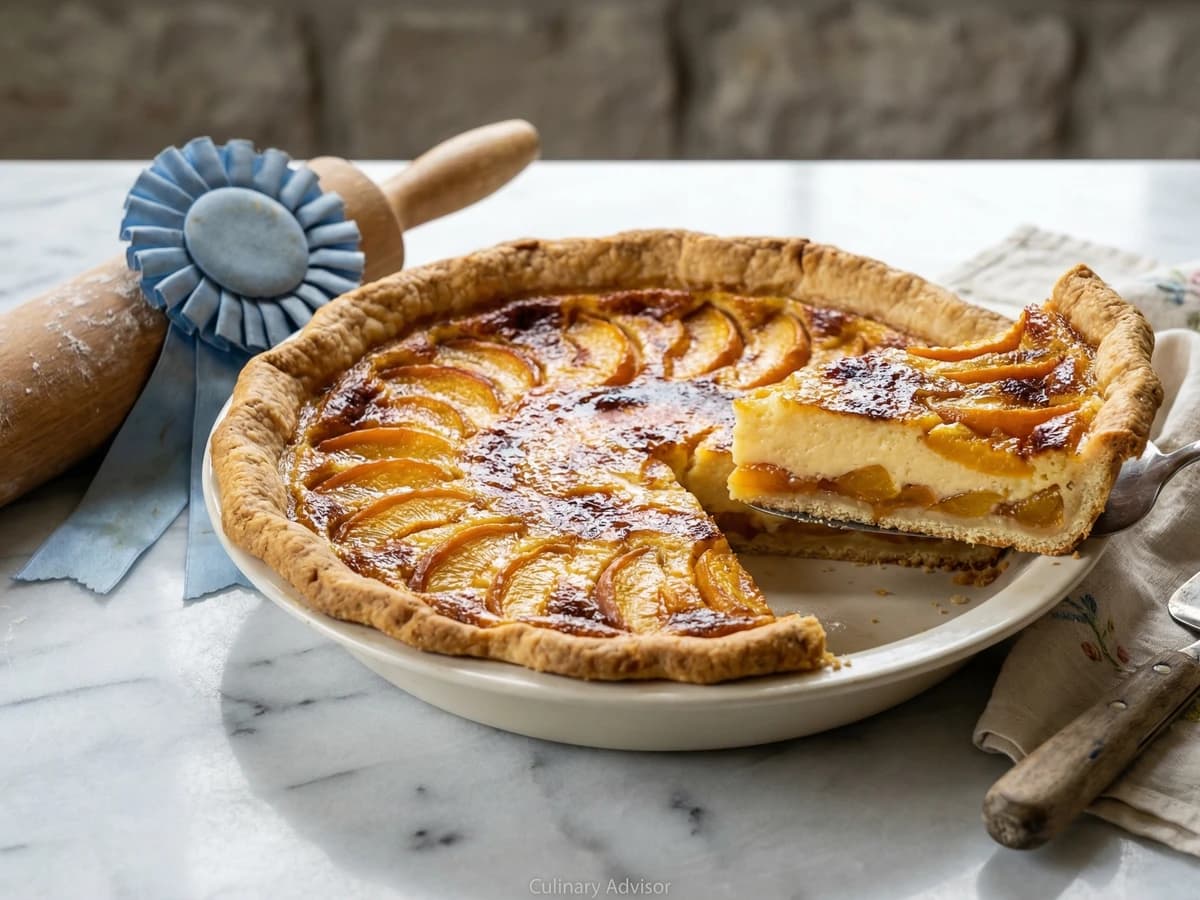
A pillowy yeasted crust cradling ripe fruit beneath a trembling layer of sweet cream custard, baked until golden and served with the pride of generations of German-Russian grandmothers who carried this recipe across an ocean and a continent.