
Chef Dean
Baked Chicken Parmesan
Golden-crusted chicken cutlets blanketed in robust marinara and stretchy mozzarella, baked until the cheese bubbles and browns at the edges. This is the dish that made Italian-American cooking famous.
A cooking platform built around craft, culture, and the stories behind what we eat.
Created by
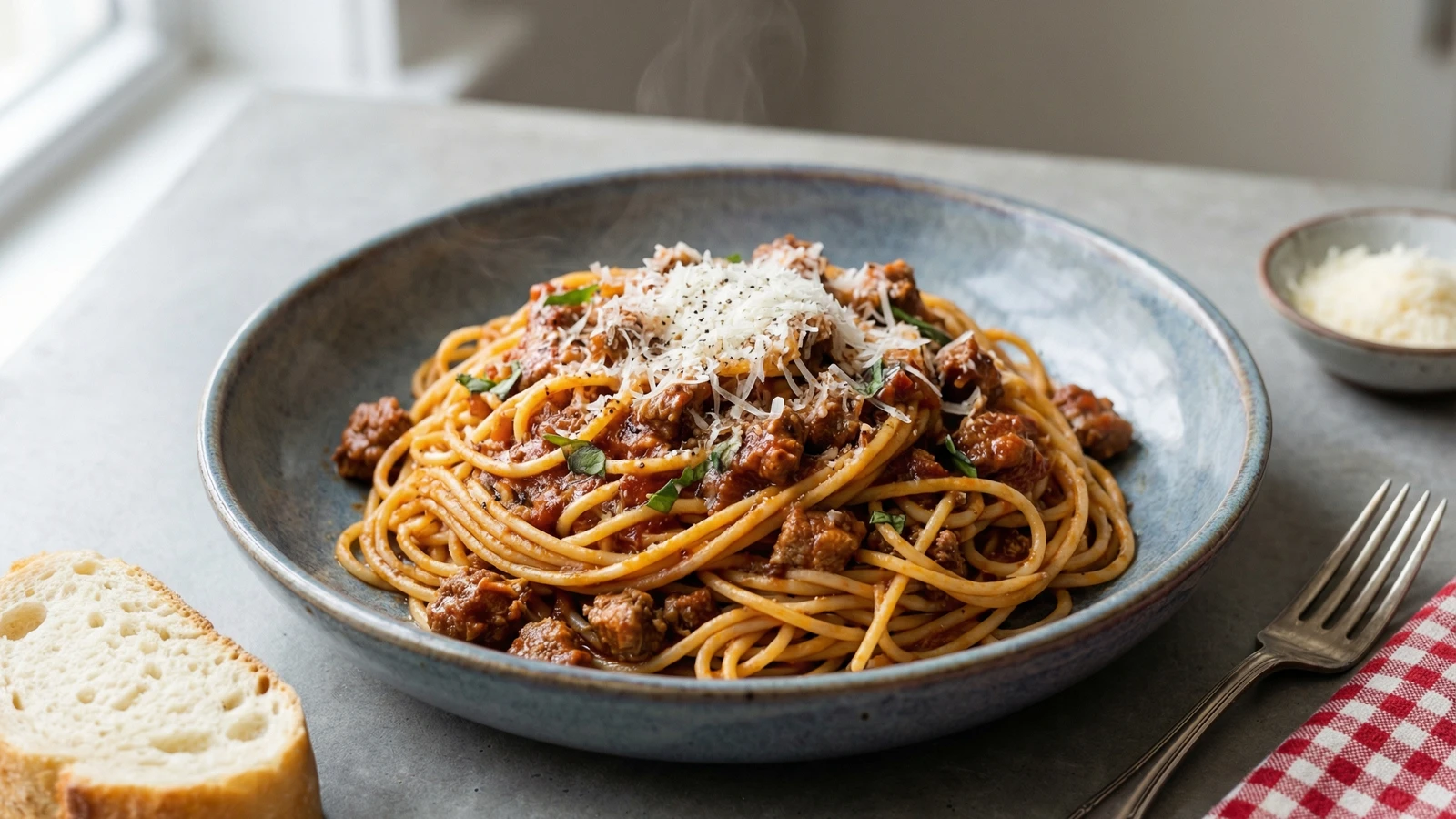
A slow-simmered Sunday meat sauce built on browned beef and Italian sausage, layered with aromatics, and mellowed over hours until the tomatoes surrender their brightness for something deeper and more honest.
This is the sauce that built Italian-American families. Every Sunday in Brooklyn, in South Philly, in the North End of Boston, kitchens filled with steam and the scent of tomatoes meeting garlic meeting slow-rendered pork fat. The tradition came from the old country but transformed here, where meat was abundant and time on the Sabbath belonged to the stove.
The technique is simple but demands your attention. Brown the meat properly. Build your soffritto. Add the tomatoes. Then walk away for three hours while the alchemy happens. The sauce will darken. The fat will rise and fall as it simmers. What emerges tastes nothing like the sum of its parts.
I've eaten this sauce in homes where the recipe existed only in memory, passed from grandmother to mother to daughter without a single measurement written down. The secret was always the same: time. You cannot rush Sunday sauce. The long simmer mellows the tomatoes' acidity, renders the sausage's fennel and garlic into the liquid, and creates a richness that coats pasta like velvet.
Make this on Saturday if you can. Refrigerate overnight. The flavors marry and deepen in ways that fresh sauce simply cannot match. When you reheat it Sunday afternoon, your kitchen will smell like every Italian grandmother's kitchen ever did. That's not sentiment. That's chemistry.
Quantity
1 pound
Quantity
1 pound
casings removed
Quantity
3 tablespoons
Quantity
1 large
finely diced
Quantity
1 medium
finely diced
Quantity
2
finely diced
Quantity
6 cloves
minced
Quantity
1 can (6 oz)
Quantity
1 cup
Quantity
2 cans (28 oz each)
crushed by hand
Quantity
1 can (28 oz)
Quantity
2 cups
Quantity
2
Quantity
1 teaspoon
Quantity
1/2 teaspoon
Quantity
1 piece (about 3 inches)
Quantity
1/2 cup
torn
Quantity
2 teaspoons, plus more to taste
Quantity
1 teaspoon
Quantity
1 pound
Quantity
for serving
freshly grated
| Ingredient | Quantity |
|---|---|
| ground beef (80/20 blend) | 1 pound |
| sweet Italian sausagecasings removed | 1 pound |
| olive oil | 3 tablespoons |
| yellow onionfinely diced | 1 large |
| carrotfinely diced | 1 medium |
| celery stalksfinely diced | 2 |
| garlicminced | 6 cloves |
| tomato paste | 1 can (6 oz) |
| dry red wine | 1 cup |
| San Marzano whole tomatoescrushed by hand | 2 cans (28 oz each) |
| crushed tomatoes | 1 can (28 oz) |
| beef stock | 2 cups |
| bay leaves | 2 |
| dried oregano | 1 teaspoon |
| red pepper flakes | 1/2 teaspoon |
| Parmesan rind | 1 piece (about 3 inches) |
| fresh basil leavestorn | 1/2 cup |
| kosher salt | 2 teaspoons, plus more to taste |
| freshly ground black pepper | 1 teaspoon |
| dried spaghetti | 1 pound |
| Parmigiano-Reggianofreshly grated | for serving |
Heat 2 tablespoons olive oil in a large Dutch oven or heavy-bottomed pot over medium-high heat until shimmering. Add the ground beef and break it into large chunks. Let it sit without stirring for 2 to 3 minutes until a deep brown crust develops on the bottom. Flip and brown the other side. The fond building on your pot's bottom is pure flavor. Transfer the beef to a bowl, leaving the fat behind. Add the sausage meat in pieces and brown the same way, another 4 to 5 minutes. It should smell deeply savory, almost nutty. Transfer to the bowl with the beef.
Reduce heat to medium. Add the remaining tablespoon of olive oil if the pot looks dry. Add the onion, carrot, and celery. Season with a pinch of salt to draw out moisture. Cook, stirring occasionally and scraping up the browned bits from the bottom, until the vegetables soften and the onion turns translucent, about 8 minutes. The kitchen will start smelling like Sunday. Add the garlic and cook until fragrant, about 1 minute. Don't let it brown.
Push the vegetables to the edges and add the tomato paste to the center of the pot. Let it cook, stirring frequently, until it darkens from bright red to brick red and smells slightly caramelized, about 2 to 3 minutes. This step concentrates the tomato's natural sugars and removes the raw, tinny taste that plagues rushed sauces.
Pour in the red wine and scrape up every bit of fond from the bottom. Let it simmer vigorously until reduced by half, about 3 minutes. The alcohol will cook off, leaving behind fruit and acidity that brightens the finished sauce.
Crush the San Marzano tomatoes by hand directly into the pot (this gives you better texture than a blender). Add the crushed tomatoes, beef stock, browned meats and any accumulated juices, bay leaves, oregano, red pepper flakes, and the Parmesan rind. Stir to combine. The pot will look like a lot of liquid. Good. It needs time to reduce.
Bring the sauce to a gentle simmer (small bubbles breaking the surface, not a rolling boil). Reduce heat to low, partially cover, and cook for 3 hours, stirring every 30 minutes or so. The sauce will darken and thicken. Fat will pool on the surface, then get stirred back in. By the end, a wooden spoon dragged across the bottom should leave a trail that slowly fills back in. Taste and adjust salt and pepper. Remove the bay leaves and Parmesan rind.
Stir in the torn basil during the final 10 minutes of cooking. Fresh basil added too early turns black and loses its perfume. Added at the end, it blooms.
Bring a large pot of water to a rolling boil. Salt it generously (it should taste like mild seawater). Add the spaghetti and cook until 1 minute shy of the package directions. The pasta will finish cooking in the sauce. Reserve 1 cup of the starchy pasta water before draining.
Add the drained spaghetti directly to the pot of sauce (or work in batches if your pot is small). Toss vigorously over medium heat for 1 to 2 minutes, adding splashes of pasta water as needed to help the sauce cling to every strand. The starch in the water emulsifies with the fat in the sauce, creating that glossy coating you see in Italian restaurants.
Divide the pasta among warmed bowls. Spoon extra sauce over the top. Shower with freshly grated Parmigiano-Reggiano and serve immediately. Pass more cheese at the table. This is not food for the timid.
1 serving (about 360g)
Culinary guides, cultural storytelling, and the editorial depth that makes cooking meaningful.
Discover Culinary ExplorerChef Dean
Golden-crusted chicken cutlets blanketed in robust marinara and stretchy mozzarella, baked until the cheese bubbles and browns at the edges. This is the dish that made Italian-American cooking famous.

Chef Dean
Ridged ziti tubes cradling a slow-simmered meat sauce, layered with creamy ricotta and buried under a blanket of molten mozzarella that blisters golden in the oven. This is the dish that ends arguments and fills bellies.

Chef Ally
The iconic Tuscan steak: two inches of well-marbled beef, seared over a roaring fire, rested until the juices settle, then sliced and dressed with nothing but olive oil, rosemary, and sea salt.
Chef Ally
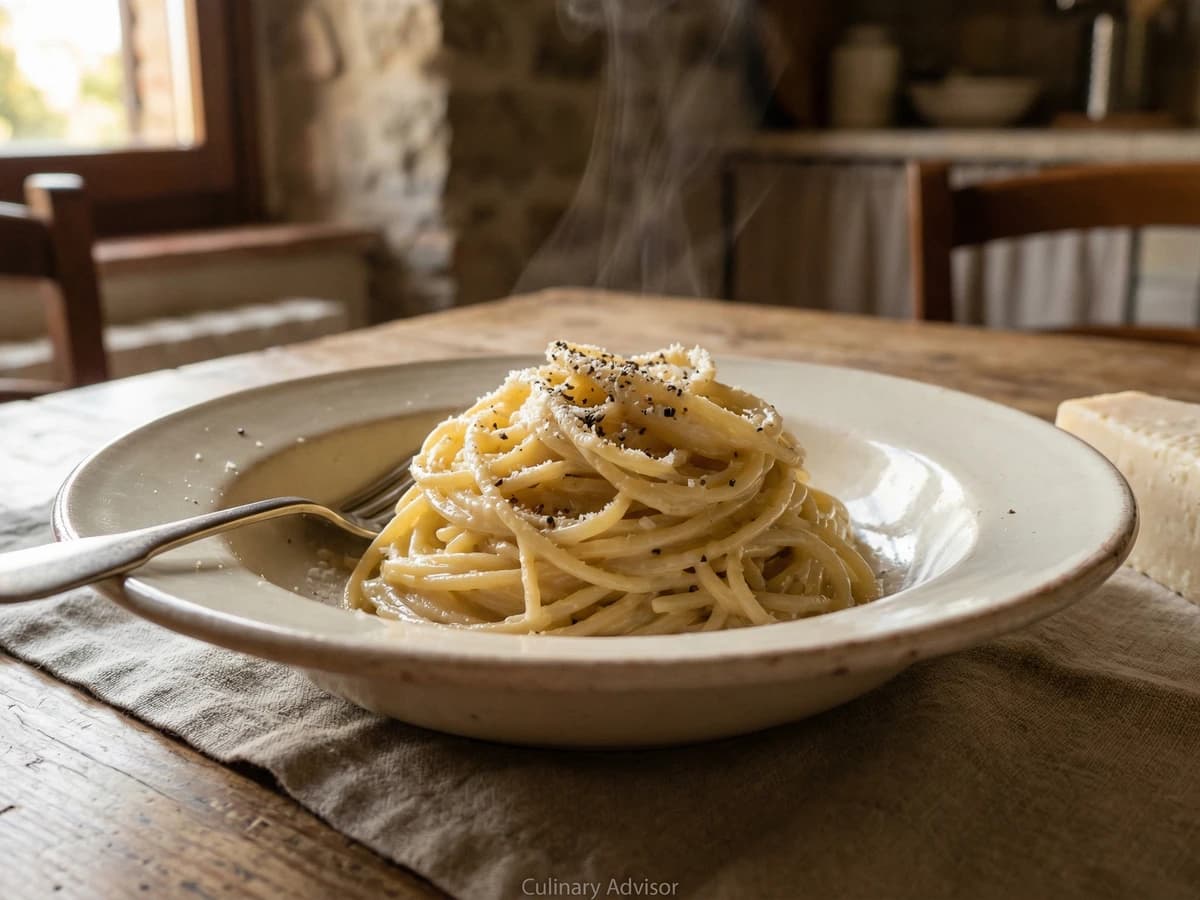
Three ingredients, infinite satisfaction. Real Pecorino Romano, freshly cracked black pepper, and good pasta transformed through nothing but technique and respect for what you have.