
Chef Dean
Biscuits and Sausage Gravy
Tender, flaky buttermilk biscuits split and drowning in a rich, peppery sausage gravy made the way your great-grandmother intended. This is the dish that built the South, one breakfast at a time.
A cooking platform built around craft, culture, and the stories behind what we eat.
Created by
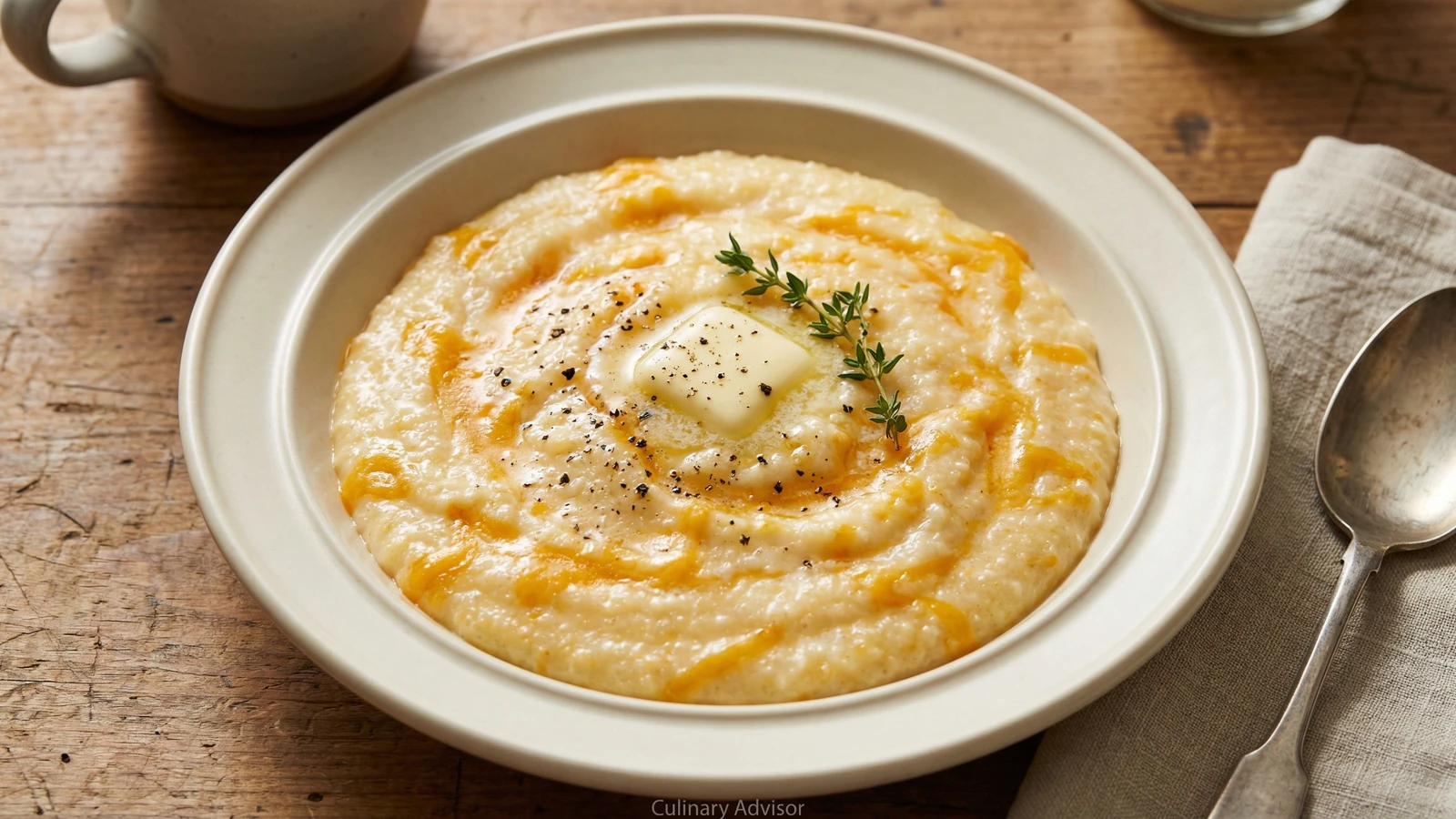
Creamy stone-ground grits slow-simmered to silk, swirled with butter and sharp cheddar until every spoonful clings to itself. This is the South on a plate, the dish that proves patience is an ingredient.
There is no more democratic dish in the Southern canon than grits. They've graced the tables of sharecroppers and senators alike, requiring nothing more than cornmeal, water, time, and attention. The addition of cheese came later, a gilding of the lily that somehow became as essential as the grits themselves.
The secret lives in the corn. Stone-ground grits retain their germ and hull, lending texture and flavor that instant varieties cannot approach. Quick grits are to stone-ground what canned soup is to homemade stock. They'll fill you, but they won't move you. Seek out a Southern mill if you can. Anson Mills, Geechie Boy, Logan Turnpike. These names mean something.
I learned to make grits from a woman in Charleston who stirred hers for the better part of an hour, never rushing, never doubting. She added the cheese at the end, off the heat, letting it melt into ribbons rather than seizing into clumps. Her grits were alive somehow, glossy and yielding. That's what we're after here.
Quantity
1 cup
Quantity
4 cups
Quantity
1 cup
Quantity
1 teaspoon, plus more to taste
Quantity
4 tablespoons
cut into pieces
Quantity
8 ounces (about 2 cups)
freshly grated
Quantity
1/4 teaspoon
freshly ground
Quantity
pinch
| Ingredient | Quantity |
|---|---|
| stone-ground white grits | 1 cup |
| water | 4 cups |
| whole milk | 1 cup |
| kosher salt | 1 teaspoon, plus more to taste |
| unsalted buttercut into pieces | 4 tablespoons |
| sharp cheddar cheesefreshly grated | 8 ounces (about 2 cups) |
| black pepperfreshly ground | 1/4 teaspoon |
| cayenne pepper (optional) | pinch |
Pour the grits into a large bowl and cover with cold water. Swirl vigorously with your hand. Chaff and broken hulls will float to the surface. Carefully pour off this debris and repeat until the water runs mostly clear, two or three times. This step removes the bits that would otherwise become gummy or gritty in the finished dish.
Combine the water, milk, and one teaspoon of salt in a heavy-bottomed saucepan or Dutch oven. Bring to a rolling boil over high heat. The milk adds richness and helps prevent the grits from becoming gluey. Watch the pot closely. Milk loves to boil over the moment you turn your back.
Reduce heat to medium-low. Pour the rinsed grits into the liquid in a slow, steady stream, whisking constantly with your other hand. This prevents lumps from forming. Continue whisking for two full minutes after all grits are added. You'll feel the mixture begin to thicken.
Reduce heat to the lowest setting your stove allows. Cover the pot, leaving the lid slightly ajar to prevent boilovers. Cook for 35 to 45 minutes, stirring every five minutes and scraping the bottom of the pot. The grits are ready when they've lost all trace of graininess and achieved a texture like loose polenta, creamy enough to slowly slide off a tilted spoon.
Remove the pot from heat entirely. Stir in the butter pieces until melted and glossy. Add the grated cheddar in three additions, stirring after each until fully incorporated. The residual heat melts the cheese without breaking its proteins. Working off the heat is the key to smooth, silky cheese grits rather than a stringy mess.
Add the black pepper and cayenne if using. Taste and adjust salt. Grits want more salt than you think. They should taste of corn, butter, and sharp cheese, with enough salt to make all three flavors sing. Serve immediately in warm bowls. Grits wait for no one.
1 serving (about 217g)
Culinary guides, cultural storytelling, and the editorial depth that makes cooking meaningful.
Discover Culinary ExplorerChef Dean
Tender, flaky buttermilk biscuits split and drowning in a rich, peppery sausage gravy made the way your great-grandmother intended. This is the dish that built the South, one breakfast at a time.

Chef Dean
Dry-cured country ham pan-fried in butter until the edges turn mahogany and crisp, served with optional red-eye gravy made from the drippings and strong black coffee. This is the breakfast that built the South.

Chef Dean
Thick-cut brioche stuffed with silky mascarpone cream and caramelized summer peaches, griddled to golden perfection and finished with a generous pour of bourbon maple syrup. This is breakfast worth waking up for.

Chef Remy
Tender buttermilk pancakes studded with toasted pecans and drenched in a silky brown sugar praline sauce so good you will want to drink it straight from the pan.