Chef Dean
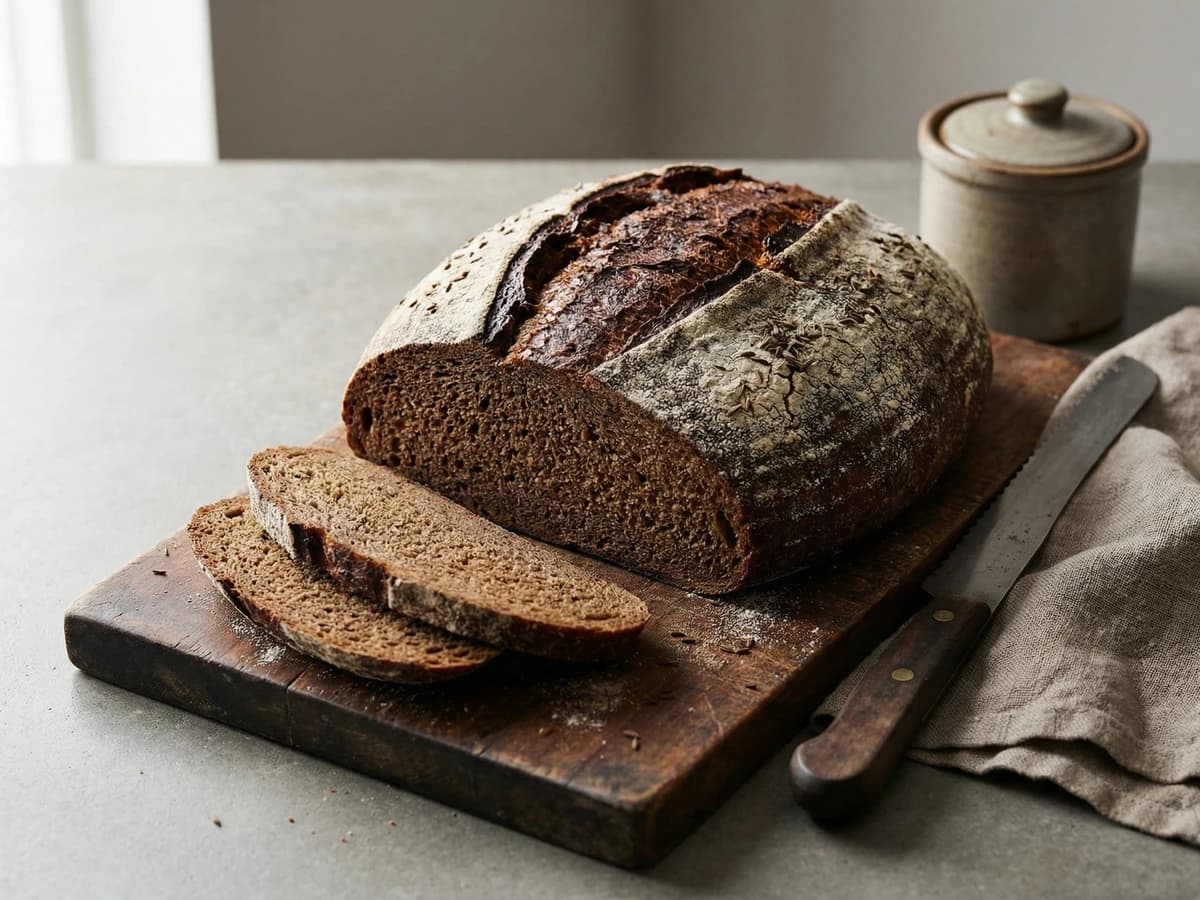
Dark Sourdough Rye
A dense, tangy loaf with an almost black crumb and crackling crust, built on centuries of Eastern European tradition and the patient alchemy of wild fermentation.
A cooking platform built around craft, culture, and the stories behind what we eat.
Created by
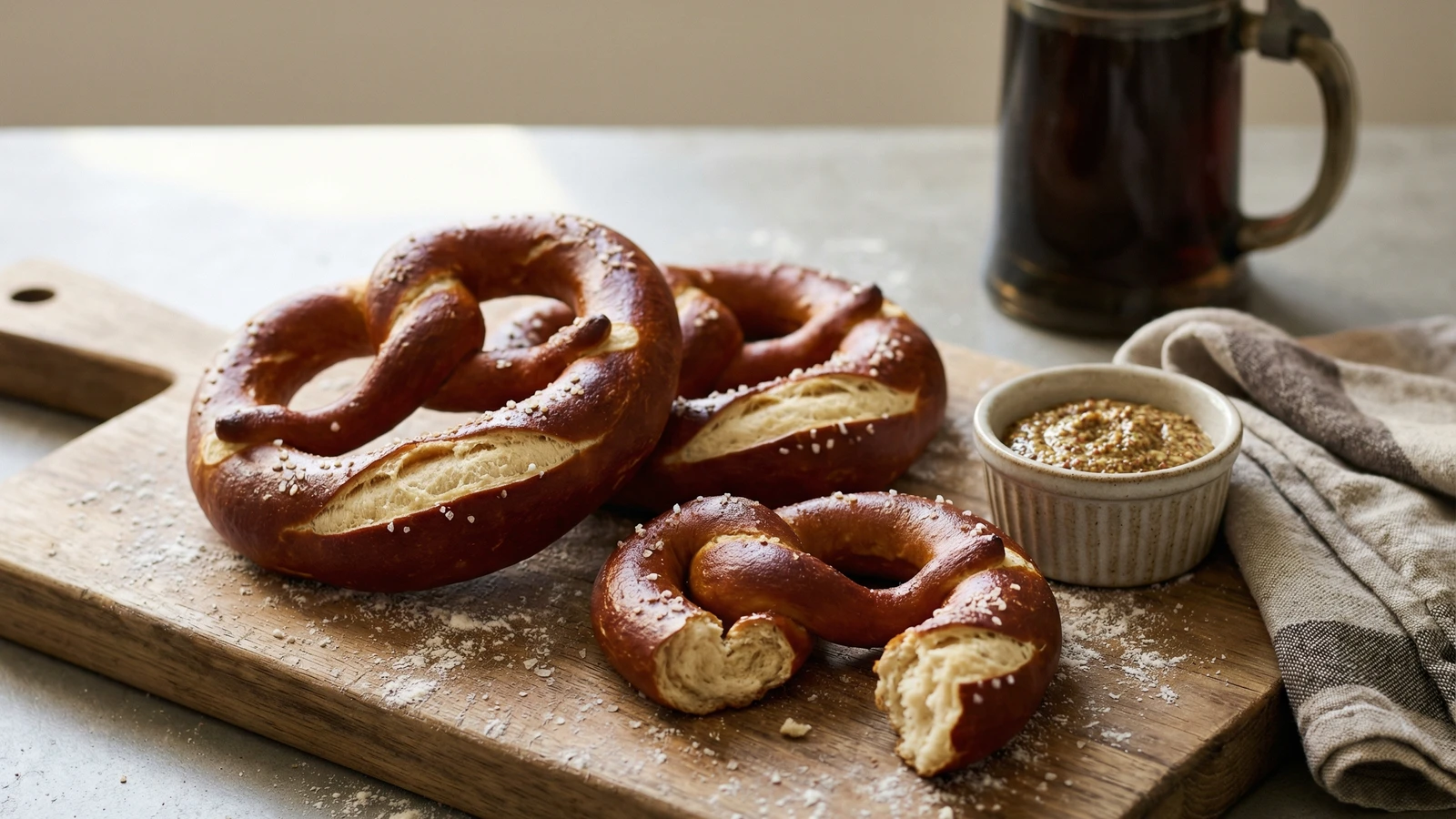
Burnished, chewy knots with that unmistakable alkaline tang and deep mahogany color. The same technique Munich bakers have used for centuries, translated for your home oven.
The pretzel is medieval engineering. Monks in southern Germany twisted scraps of bread dough into shapes meant to resemble arms crossed in prayer. What began as Lenten penance became one of the world's perfect foods. That distinctive crust, mahogany-dark and faintly bitter, comes from a brief swim in alkaline solution before baking. It's chemistry you can taste.
German immigrants brought pretzels to Pennsylvania in the 1700s, and the soft pretzel became as American as it is Bavarian. Philadelphia still consumes more pretzels per capita than anywhere else in the country. I've eaten them from street vendors in Munich and from carts in Reading Terminal Market. The good ones share three qualities: chewy interior, crackling crust, and that characteristic flavor no other bread possesses.
This recipe offers two paths. Traditional bakers use food-grade lye, which produces the deepest color and most authentic flavor. It requires care and respect, like any powerful ingredient. For those who prefer accessibility, a concentrated baking soda bath achieves remarkable results. I'll teach you both methods. Either way, you'll pull pretzels from your oven that rival any Biergarten's offering.
The shaping intimidates people. It shouldn't. Yes, your first few will look rough. By your sixth pretzel, your hands will remember the motion. By your twelfth, you'll twist them without thinking. This is how we learn.
Quantity
360g (3 cups)
Quantity
7g (2 1/4 teaspoons)
Quantity
8g (1 1/2 teaspoons)
Quantity
15g (1 tablespoon)
Quantity
28g (2 tablespoons)
Quantity
240ml (1 cup)
100-110°F
Quantity
60g (1/4 cup)
for dipping bath
Quantity
2 quarts
for dipping bath
Quantity
for topping
Quantity
2 tablespoons
for brushing
| Ingredient | Quantity |
|---|---|
| bread flour | 360g (3 cups) |
| instant yeast | 7g (2 1/4 teaspoons) |
| fine sea salt | 8g (1 1/2 teaspoons) |
| light brown sugar | 15g (1 tablespoon) |
| unsalted butter, softened | 28g (2 tablespoons) |
| warm water100-110°F | 240ml (1 cup) |
| baking sodafor dipping bath | 60g (1/4 cup) |
| waterfor dipping bath | 2 quarts |
| coarse pretzel salt or flaky sea salt | for topping |
| melted butter (optional)for brushing | 2 tablespoons |
Combine bread flour, instant yeast, salt, and brown sugar in the bowl of a stand mixer fitted with the dough hook. Add softened butter and warm water. Mix on low speed until a shaggy mass forms, about 2 minutes. The dough will look rough and unpromising. This is correct.
Increase mixer speed to medium and knead for 6-8 minutes. The dough will transform from shaggy to smooth, pulling cleanly from the bowl sides. It should feel tacky but not sticky when you touch it. Poke it with your finger: the indent should slowly spring back halfway. This is a stiff dough, denser than sandwich bread, and that density creates the characteristic chew.
Shape the dough into a ball and place it in a lightly oiled bowl. Cover tightly with plastic wrap or a damp towel. Let rise in a warm spot until doubled in size, about 1 hour. The dough is ready when you press two fingers into it and the indentation remains. In a cold kitchen, this may take 90 minutes. Don't rush it.
Turn the risen dough onto a clean, unfloured surface. The slight friction helps you shape. Divide into 8 equal pieces, about 80 grams each if you have a scale. Roll each piece into a rough ball, cover with a towel, and let rest for 10 minutes. This relaxes the gluten, making the dough easier to roll into ropes.
Working with one piece at a time, roll into a rope 20-24 inches long, keeping the center slightly thicker than the tapered ends. Apply gentle, even pressure and work outward from the center. If the dough resists and springs back, let it rest another 5 minutes. Fight the dough and you'll lose.
Arrange the rope in a U-shape with the ends pointing away from you. Cross the ends over each other twice, creating a twist about 2 inches from the tips. Fold the twisted ends down and press them firmly onto the bottom curve of the U, about 2 inches apart. You should have the classic pretzel shape with a fat belly and thin arms. Transfer to a parchment-lined baking sheet. Repeat with remaining dough.
Cover the shaped pretzels loosely with plastic wrap and refrigerate for at least 30 minutes, up to overnight. This cold rest firms the dough, making it easier to handle during the dipping process, and develops flavor. Cold pretzels also hold their shape better in the hot alkaline bath.
Preheat your oven to 450°F. Bring 2 quarts of water to a gentle boil in a wide, shallow pan or pot. Carefully add the baking soda. It will foam dramatically, so use a vessel with plenty of headroom. Reduce heat to maintain a steady simmer. This alkaline solution triggers the Maillard reaction, giving pretzels their dark color and distinctive flavor.
Using a large slotted spatula or spider strainer, lower each chilled pretzel into the simmering solution. Let it swim for 30 seconds, flipping once halfway through. The surface will become slick and slightly tacky. Lift out, let excess liquid drain for a moment, and return to the parchment-lined baking sheet. Work quickly but carefully.
Using a very sharp knife or razor blade held at a shallow angle, slash the fat belly of each pretzel about 1/4 inch deep. This creates the characteristic split that opens during baking. Sprinkle generously with coarse pretzel salt while the surface is still damp. The alkaline coating acts like glue.
Bake for 12-14 minutes, rotating the pan halfway through, until the pretzels develop a deep mahogany color. They should look almost too dark. That's the alkaline reaction at work, and it's exactly what you want. The crust will be thin and crackling, the interior dense and chewy. Brush with melted butter immediately after pulling from the oven if you want that Biergarten shine.
Let pretzels cool on the baking sheet for 5 minutes, then transfer to a wire rack. They're best eaten within a few hours of baking, while the crust still crackles and the interior stays soft. Serve with sharp mustard, warm beer cheese, or nothing at all. A properly made pretzel needs no embellishment.
1 pretzel (about 85g)
Culinary guides, cultural storytelling, and the editorial depth that makes cooking meaningful.
Discover Culinary ExplorerChef Dean
A dense, tangy loaf with an almost black crumb and crackling crust, built on centuries of Eastern European tradition and the patient alchemy of wild fermentation.
Chef Dean
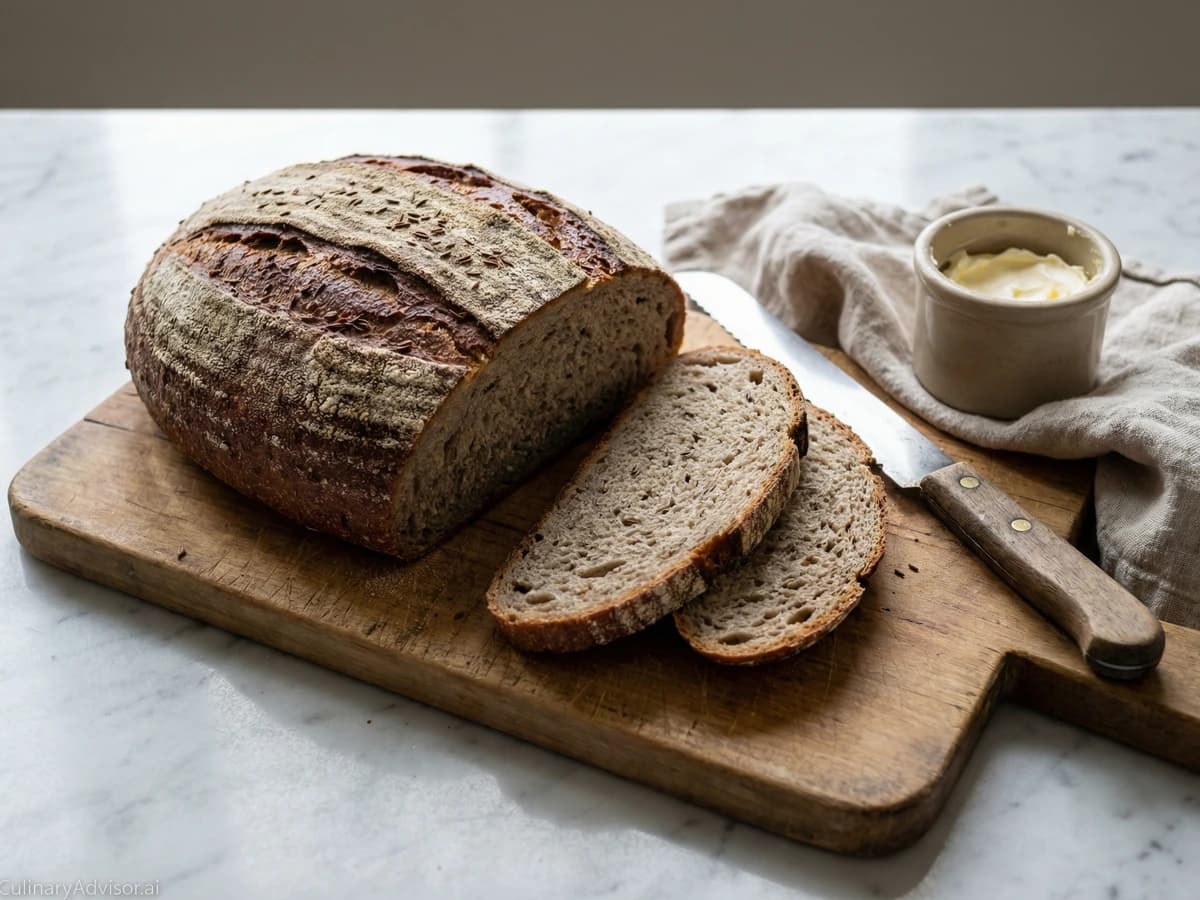
A thick-crusted, caraway-scented farmhouse loaf that marries rye's earthy depth with wheat's reliable structure. This is the bread that sustained German farming families for centuries, and it belongs on your table too.

Chef Dean
A magnificent yeasted loaf studded with rum-soaked fruits and hiding a ribbon of marzipan at its heart, bathed in melted butter and blanketed in powdered sugar until it resembles a snow-covered mountain.

Chef Juliette
Pâte à brioche ordinaire teaches enriched dough properly: wake the leaven, build strength before the last egg, then work in pliable butter by stages and let one long fermentation do its quiet work.