
Chef Juliana
Coração de Frango no Espeto
You think chicken hearts are restaurant food or brave-person food. Wrong. Salt, garlic, lime, a hot espeto, and the discipline not to overcook them: that's the skewer everyone eats first.
A cooking platform built around craft, culture, and the stories behind what we eat.
Created by
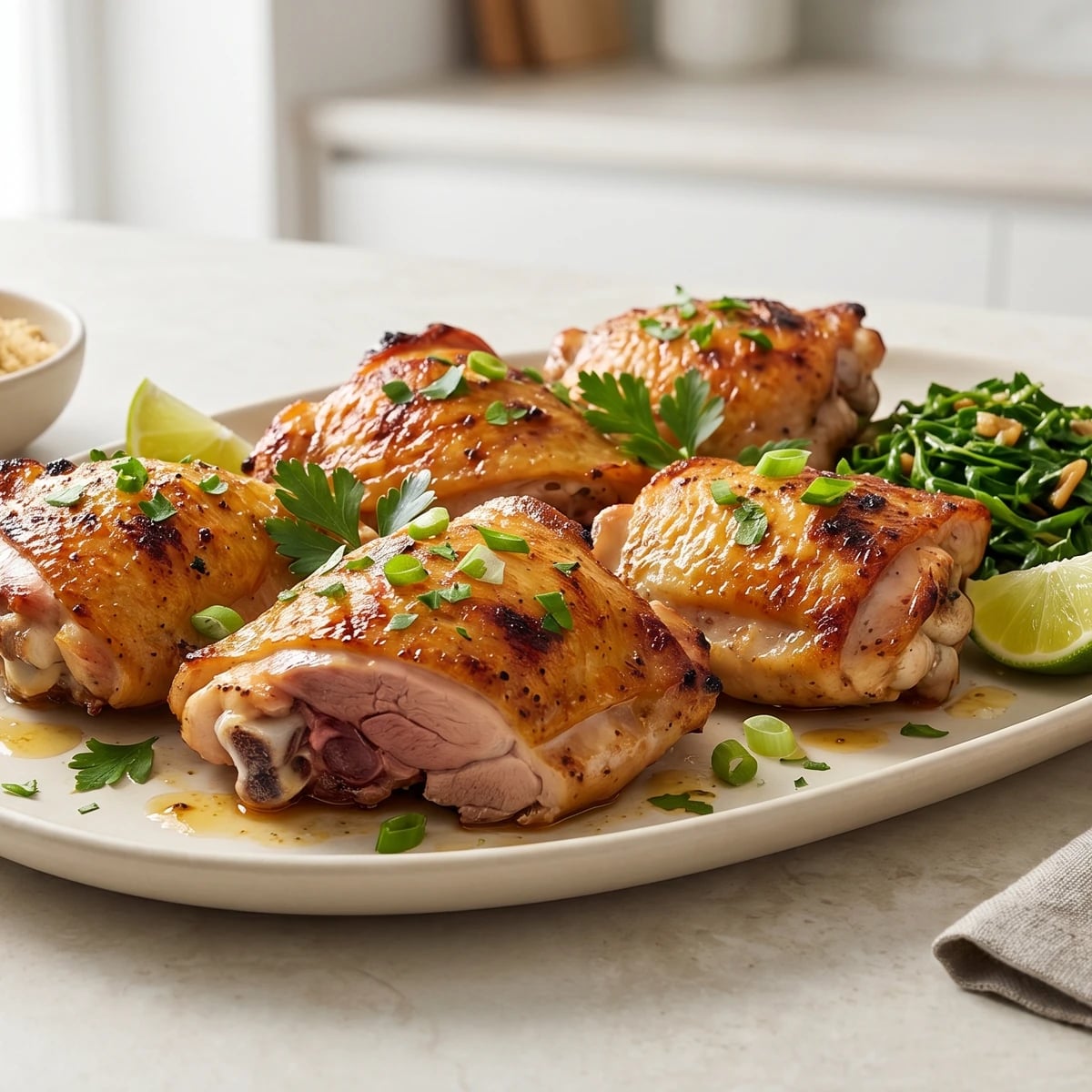
You don't need grill courage. You need medium coals, chicken thighs with skin, and the patience to let the fat render before you start poking dinner to death.
You hear the grill crackle and think, isso não é pra mim. Someone else knows the fire, someone else knows the point, someone else was born turning chicken at a family churrasco. No. Cozinhar não é dom, é um aprendizado. Fire is not a personality trait. It's heat, distance, time, and a cook paying attention.
I learned plenty of kitchen things late, and I burned more onions than any dignified woman should admit. The lesson stuck: recipes that work don't ask you to guess. Here, the trick is using sobrecoxa, the thigh, because it forgives you a little. The skin protects the meat, the fat bastes it, and the bone helps it stay juicy while the outside takes color from the brasa.
This is comida de verdade for the everyday plate. Put the chicken beside arroz soltinho, feijão with a proper refogado, and couve or a tomato salad, and dinner is solved. That's the pê-efe doing its quiet work again: rice, beans, something from the grill, something green. Nothing powdered. Nothing pretending.
Anota aí: medium coals, skin-side down first, no moving until the skin releases. When it smells roasted instead of raw, when the edges go golden and the fat has rendered, then you turn. That's not mystery. That's method.
Brazilian churrasco is older than the backyard grill, tied strongly to cattle country in the south, especially Rio Grande do Sul, where meat was cooked over embers on open fires. Chicken entered the home churrasco as the cheaper, weeknight-friendly cousin, often marinated with garlic, lime, salt, and herbs before going over charcoal. Sobrecoxa became a favorite cut because it stays juicy over the fire in a way lean breast rarely does.
Quantity
8 pieces, about 1.4 kg total
Quantity
1 1/2 teaspoons
Quantity
1/2 teaspoon
Quantity
4 cloves
minced
Quantity
2 tablespoons
Quantity
2 tablespoons
Quantity
1 tablespoon
chopped
Quantity
1 tablespoon
chopped
Quantity
1 teaspoon
Quantity
1/2 teaspoon
| Ingredient | Quantity |
|---|---|
| bone-in, skin-on chicken thighs | 8 pieces, about 1.4 kg total |
| fine salt | 1 1/2 teaspoons |
| freshly ground black pepper | 1/2 teaspoon |
| garlicminced | 4 cloves |
| fresh lime juice | 2 tablespoons |
| oil | 2 tablespoons |
| parsleychopped | 1 tablespoon |
| scallionschopped | 1 tablespoon |
| sweet paprika (optional) | 1 teaspoon |
| ground cumin (optional) | 1/2 teaspoon |
Pat the thighs dry with paper towel, especially the skin. Put them in a bowl with the salt, pepper, garlic, lime juice, oil, parsley, scallions, paprika, and cumin if using. Rub the seasoning under and over the skin. Dry skin browns; wet skin sits there steaming and pretending to grill, and a gente has no time for that.
Let the chicken rest 20 minutes at room temperature while you light the charcoal, or refrigerate it up to overnight. The short rest seasons the surface; the longer rest lets the salt move deeper into the meat. If it was in the fridge, take it out 30 minutes before grilling so it doesn't hit the grate ice-cold and cook unevenly.
Light the charcoal and wait until the coals are covered in grey ash with a steady red glow underneath. Spread them in an even layer, leaving one cooler side with fewer coals. You want medium heat, not a bonfire. If the heat is too fierce, the skin burns before the meat near the bone is cooked.
Oil the grate lightly, then place the thighs skin-side down over medium coals. Leave space between them and don't move them for 8 to 10 minutes. Listen for a steady sizzle, not angry flames. The skin needs time to render its fat and release from the grate; poke too soon and you tear off the best part.
Turn the thighs when the skin is deep golden with crisp edges and releases easily. Move any pieces that flare up to the cooler side until the flames settle. Cook another 20 to 25 minutes, turning every 5 minutes, until the thickest part near the bone reaches 74°C or 165°F. No thermometer? Cut one thigh at the bone: the juices should run clear and the meat should be opaque, not pink and glossy.
Move the chicken to a plate and rest it 5 minutes before serving. The juices calm down and stay in the meat instead of running all over the board. Serve with arroz soltinho, feijão, farofa if you have it, and something green. That's the plate. That's dinner.
1 serving (about 195g)
Culinary guides, cultural storytelling, and the editorial depth that makes cooking meaningful.
Discover Culinary Explorer
Chef Juliana
You think chicken hearts are restaurant food or brave-person food. Wrong. Salt, garlic, lime, a hot espeto, and the discipline not to overcook them: that's the skewer everyone eats first.

Chef Juliana
You think slow ribs are a restaurant trick. They aren't. Coarse salt, low coals, and time make beef ribs tender enough to pull apart with a spoon.

Chef Juliana
You don't need churrasco blood in your veins. You need coarse salt, quiet coals, and the patience to let lamb ribs soften before they brown.

Chef Juliana
You don't need meat to earn a place on the churrasqueira. Cut the vegetables evenly, season with real garlic and lime, and let the coals turn them sweet, soft, and smoky.