Chef Juliana
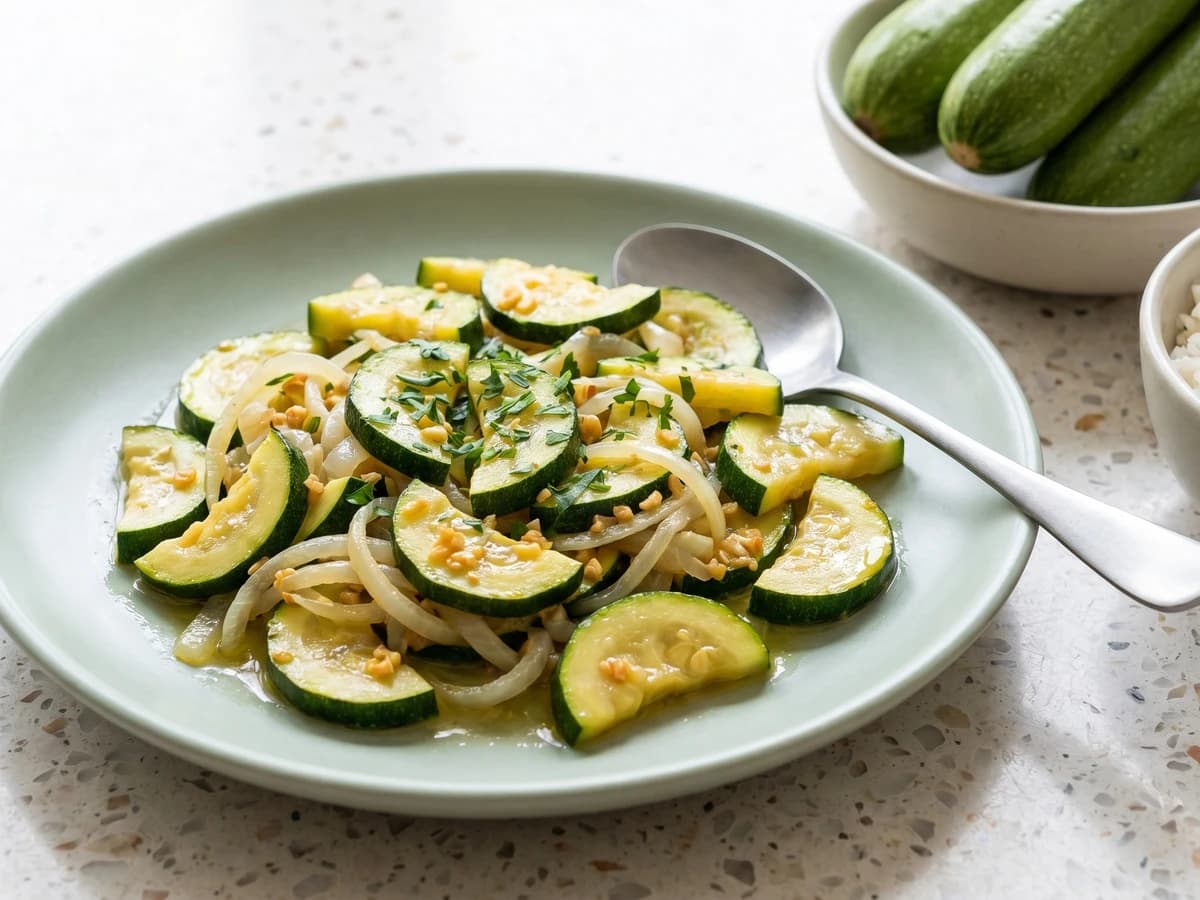
Abobrinha Refogada
You think you'll turn zucchini into mush. Fine. Anota aí: high heat, wide pan, salt at the end, and suddenly this little green side starts solving dinner.
A cooking platform built around craft, culture, and the stories behind what we eat.

Created by
You don't need meat to earn a place on the churrasqueira. Cut the vegetables evenly, season with real garlic and lime, and let the coals turn them sweet, soft, and smoky.
You know that little voice at the churrasco saying, isso não é pra mim, because everyone else seems to understand the fire and the skewers and you somehow missed the class? Good. Bring that voice here. A gente is going to make it sit down and behave.
Espeto de legumes is comida de verdade in its most obvious form: pepper, onion, zucchini, tomato, garlic, lime, salt. Nothing from a packet pretending to be flavor. The trick isn't talent. Cozinhar não é dom, é um aprendizado. Cut the vegetables the same size so they cook together, oil them so they don't dry out, salt them enough to wake up, and turn them when the edges char and the onion goes glossy.
On the Brazilian table, even at churrasco, this matters. The everyday plate, the pê-efe, is rice, feijão, something that carries the meal, and something green or bright beside it. These skewers do that job beautifully. They make the plate feel alive, they feed the person who isn't eating meat, and they make the meat eaters reach across the table too, which is always funny to watch.
Anota aí: the fire does not need to be dramatic. Medium coals, steady patience, vegetables cut with a little discipline. That's dinner learning to smell like weekend.
Vegetable skewers became common at Brazilian churrascos as the backyard grill widened beyond beef, sausage, and chicken to include side dishes that could share the same fire. In the south, churrasco is strongly tied to cattle culture, but across urban Brazil the home churrasqueira has become a mixed table, with pão de alho, queijo coalho, farofa, salads, and vegetables cooked beside the meat. The skewer itself is practical before it is decorative: small pieces cook quickly over live coals and can be served without sending anyone back to the kitchen.
Quantity
2 medium
cut into 1-inch half-moons
Quantity
1
cut into 1-inch pieces
Quantity
1
cut into 1-inch pieces
Quantity
1 large
cut into 1-inch wedges
Quantity
16
Quantity
8
wiped clean
Quantity
3 tablespoons
Quantity
1 tablespoon
Quantity
2 cloves
finely grated or minced
Quantity
1 teaspoon, plus more to taste
Quantity
1/2 teaspoon
Quantity
2 tablespoons
chopped, for finishing
| Ingredient | Quantity |
|---|---|
| zucchinicut into 1-inch half-moons | 2 medium |
| red bell peppercut into 1-inch pieces | 1 |
| yellow bell peppercut into 1-inch pieces | 1 |
| red onioncut into 1-inch wedges | 1 large |
| cherry tomatoes | 16 |
| small button mushrooms (optional)wiped clean | 8 |
| olive oil | 3 tablespoons |
| fresh lime juice | 1 tablespoon |
| garlicfinely grated or minced | 2 cloves |
| coarse salt | 1 teaspoon, plus more to taste |
| freshly ground black pepper | 1/2 teaspoon |
| cheiro-verde, parsley and scallionchopped, for finishing | 2 tablespoons |
Cut the zucchini, peppers, and onion into pieces about 1 inch wide. Keep them close in size, because the grill is not a mind reader. If one piece is tiny and the next is a brick, one burns while the other stays raw, and then you blame yourself instead of the knife work.
In a large bowl, mix the olive oil, lime juice, garlic, salt, and pepper. Add the vegetables and toss with your hands until every piece has a light shine. That oil helps carry the garlic, protects the vegetables from drying out, and gives the coals something to brown instead of just scorch.
Thread the vegetables onto skewers, alternating pepper, onion, zucchini, tomato, and mushroom if using. Leave a little breathing room between pieces, not big gaps, just enough for heat to reach the sides. Pack them too tightly and the centers steam instead of char, and nobody came to the churrasqueira for soggy onion.
Heat the grill to medium, with coals covered in a light gray ash and no wild flames licking the food. Hold your hand about 5 inches above the grate: you should manage 4 to 5 seconds before pulling away. Too hot burns the outside before the onion softens; too cool dries everything out while you wait.
Lay the skewers on the grate and grill for 10 to 12 minutes, turning every 2 to 3 minutes. Watch for browned edges, glossy onion, softened zucchini, and peppers that slump a little but still hold their shape. That's the ponto. The vegetables should taste sweet from the fire, not bitter from being forgotten.
Move the skewers to a plate and sprinkle with the cheiro-verde while the vegetables are still glossy. Taste one piece and add a pinch of salt or a few drops of lime if it tastes flat. Acid and salt at the end wake the vegetables back up after the heat, which is why the plate suddenly tastes finished.
1 serving (about 130g)
Culinary guides, cultural storytelling, and the editorial depth that makes cooking meaningful.
Discover Culinary ExplorerChef Juliana
You think you'll turn zucchini into mush. Fine. Anota aí: high heat, wide pan, salt at the end, and suddenly this little green side starts solving dinner.

Chef Juliana
You think this is sacred enough to be impossible. It isn't. Acaçá is patience, stirring, and ponto, taught plainly, with respect for the terreiros that carry it.
Chef Juliana
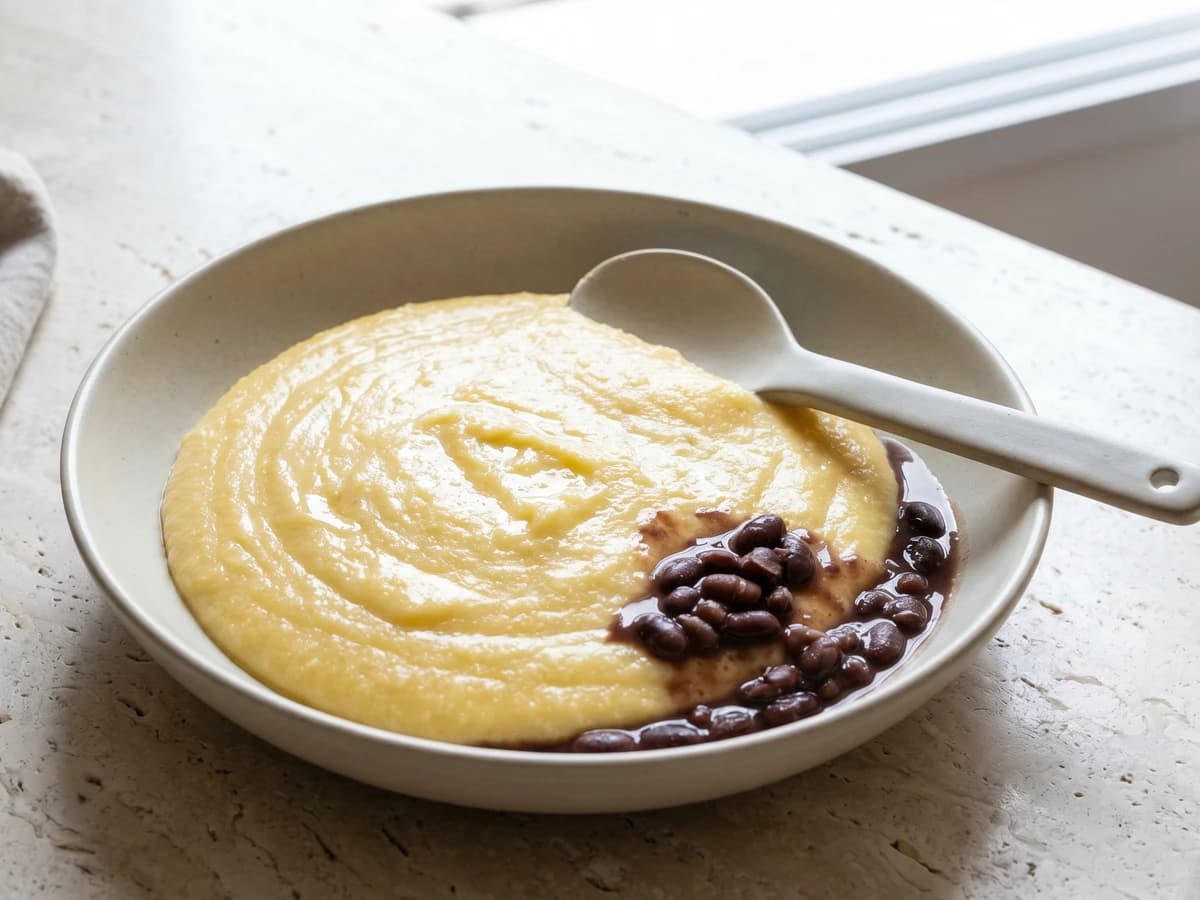
You think cornmeal will turn into lumps and shame. It won't. Cold water first, patient stirring, and a real garlic base give you angu that solves dinner.
Chef Juliana
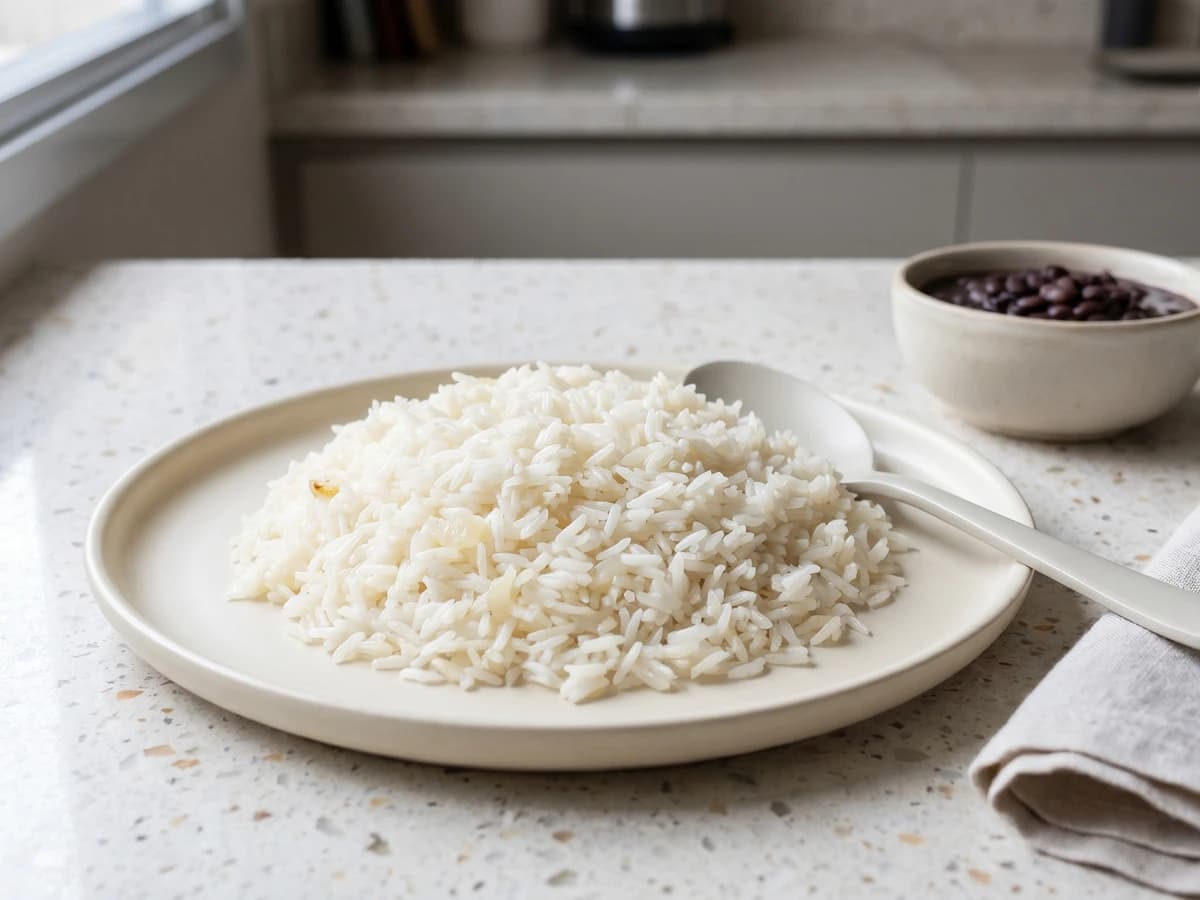
Everyone swears they can't make good rice. They're wrong. Refogue onion and garlic, use two parts water to one rice, then close the lid and leave the poor thing alone.