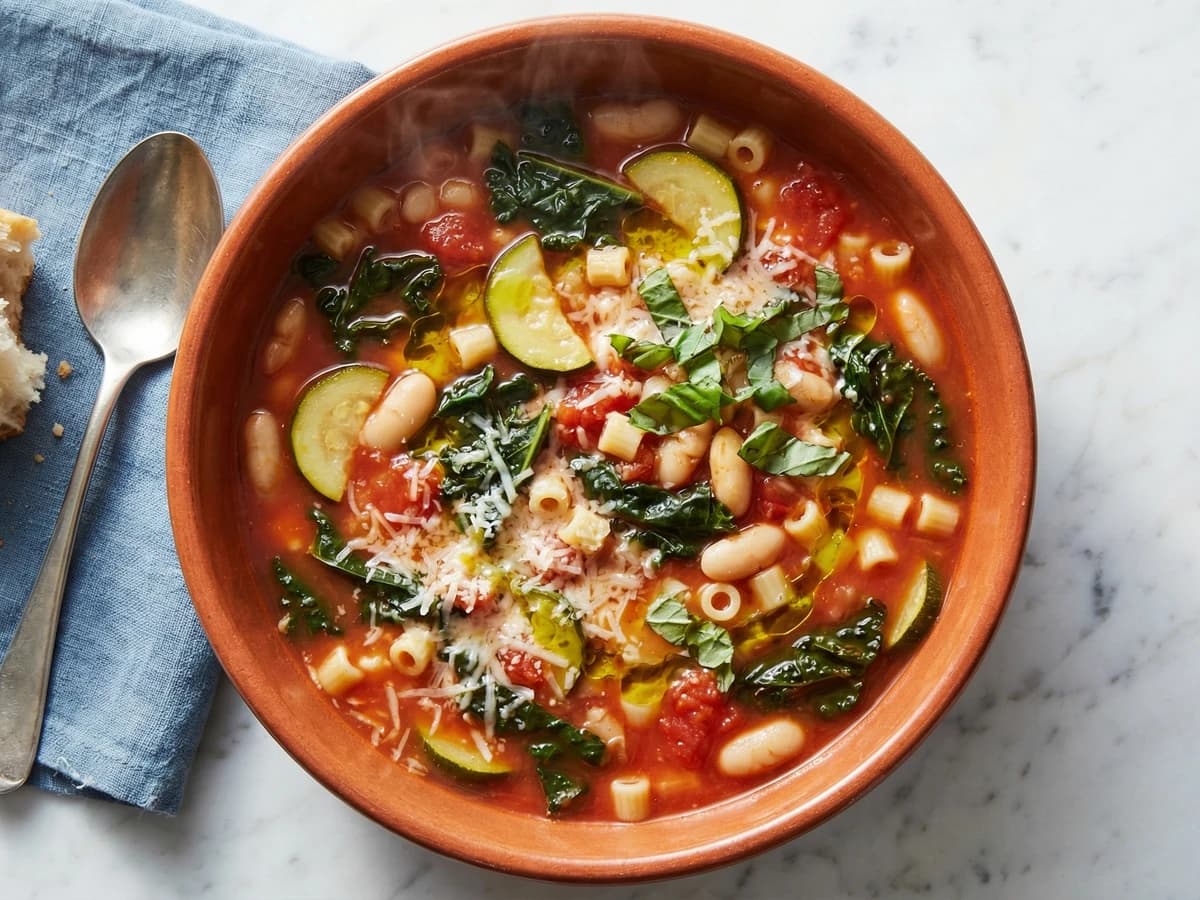
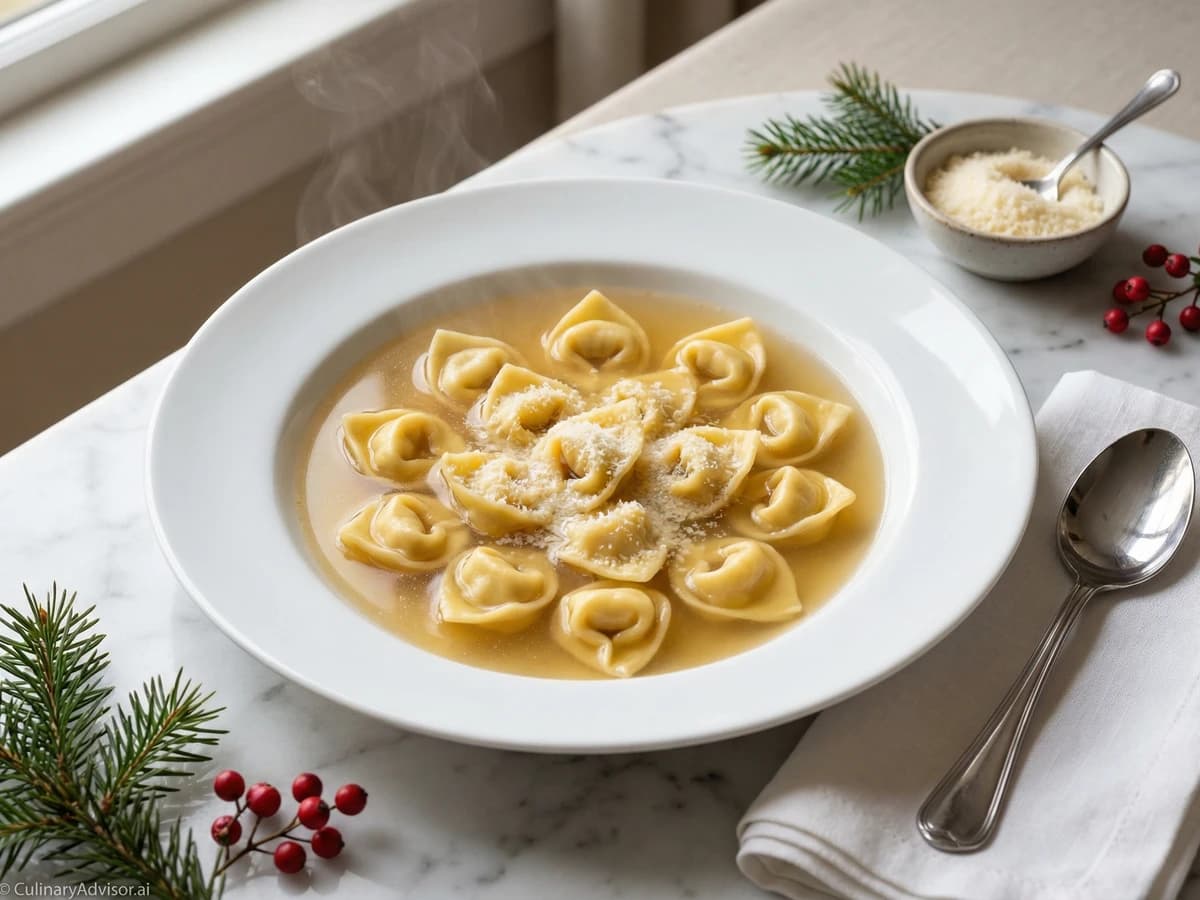
Slow-braised pork shoulder with sweet fennel and creamy cannellini beans, the kind of dish that fills a kitchen with warmth and brings people to the table before you call them.
Soups & Stews
Italian
Comfort Food
Make Ahead
Freezer Friendly
40 min
Active Time
3 hr cook•3 hr 40 min total
Yield6 servings
Start with the pork. Find a farmer who raises heritage breeds, animals that lived outside and moved around. The shoulder should be well-marbled, with fat that will melt into the broth over hours of gentle cooking. This is not a cut that rewards impatience.
Fennel appears at the market in fall and stays through winter, those pale green bulbs with their feathery fronds and faint licorice perfume. Look for firm bulbs, heavy for their size, with no browning at the edges. The fronds should be bright and alive, not wilted. Save them for the finish.
The beans matter too. Dried cannellini from a recent harvest cook more evenly than beans that have sat on a shelf for years. Soak them overnight in cold water with a generous pinch of salt. They will absorb seasoning from the start and cook to creamy perfection.
This is a dish that asks very little of you beyond time. Brown the meat. Soften the vegetables. Add liquid and walk away. The oven does the rest. Three hours later you have something that tastes like it took all day, because in a sense it did. Every meal is a meaningful choice. This one says you chose to slow down.
The technique, the tradition, and the story behind every dish.
dried cannellini beanssoaked overnight and drained
1 1/2 cups
fennel bulbs with fronds
3 medium
yellow oniondiced
1 large
celery stalkssliced
4
garlic clovessmashed
6
dry white wine
1 cup
homemade chicken stock or water
4 cups
tomato paste
2 tablespoons
fennel seedslightly crushed
1 teaspoon
fresh thyme
4 sprigs
fresh rosemary
2 sprigs
bay leaves
2
good olive oil
1/4 cup, plus more for finishing
kosher salt
to taste
black pepperfreshly cracked
to taste
lemonzested
1
crusty bread
for serving
Equipment Needed
•Large Dutch oven (6-quart minimum) with tight-fitting lid
•Wooden spoon for deglazing
•Microplane for lemon zest
Instructions
1
Prepare the fennel
Trim the stalks from the fennel bulbs and set aside the feathery fronds in a small bowl of cold water. They will stay perky for hours this way. Quarter each bulb through the core, then cut each quarter into thick wedges. Keep some core attached so the pieces hold together during braising. You want substantial chunks that will soften without falling apart.
2
Season and sear the pork
Pat the pork pieces completely dry with clean towels. Season generously with salt and pepper on all sides. Heat the olive oil in a large Dutch oven over medium-high heat until it shimmers. Working in batches so you do not crowd the pot, brown the pork deeply on all sides. This takes four to five minutes per batch. The meat should release easily when it is ready to flip. Transfer browned pieces to a plate.
Do not rush the browning. That deep caramelization builds the foundation of flavor for the entire dish. If the pot looks dry between batches, add a splash more oil.
3
Build the aromatics
Lower the heat to medium. Add the onion and celery to the pot with a pinch of salt. Cook until softened and beginning to color, about eight minutes. Add the smashed garlic, fennel seeds, and tomato paste. Stir constantly for one minute until the paste darkens slightly and the fennel seeds become fragrant. The kitchen will smell of sweet anise.
4
Deglaze with wine
Pour in the white wine and scrape the bottom of the pot with a wooden spoon, lifting all those caramelized bits into the liquid. Let the wine bubble and reduce by half, about three minutes. This concentrates flavor and cooks off the raw alcohol.
5
Assemble the braise
Return the pork and any accumulated juices to the pot. Add the drained beans, fennel wedges, stock, thyme, rosemary, and bay leaves. The liquid should come about two-thirds up the meat. Add more stock or water if needed. Bring to a gentle simmer, then cover with a tight-fitting lid.
Homemade stock transforms this dish. If you have none, use water. Boxed stock often adds a tinny quality that masks the pure flavor of the pork and fennel.
6
Braise low and slow
Transfer the pot to a 300°F oven. Braise for two and a half to three hours, checking once at the halfway point to ensure the liquid still simmers gently. The stew is ready when the pork yields to gentle pressure from a fork and the beans are creamy throughout. The fennel should be meltingly tender, its anise flavor woven through the broth.
7
Rest and adjust
Remove the pot from the oven and let it rest, covered, for fifteen minutes. The flavors will settle and the temperature will become comfortable for eating. Fish out and discard the thyme stems, rosemary, and bay leaves. Taste the broth and adjust salt as needed. The beans will have absorbed some seasoning, so be generous.
8
Finish and serve
Ladle the stew into warmed shallow bowls, making sure each portion has plenty of pork, beans, and fennel. Scatter the reserved fennel fronds over the top, grate fresh lemon zest directly over each bowl, and finish with a generous drizzle of your best olive oil. Serve with crusty bread to soak up the broth. This is meant to be eaten slowly.
The lemon zest is not optional. That bright, citrus note lifts the richness and makes the dish sing. Add it at the table so the oils stay vibrant.
Chef Tips
•Seek out a farmer who raises heritage pork. Berkshire, Duroc, or Red Wattle breeds have more intramuscular fat and deeper flavor than commodity pork. The difference in a long braise is profound.
•Dried beans from a recent harvest cook more evenly. Look for beans at farmers markets or specialty shops with high turnover. Old beans never fully soften, no matter how long you cook them.
•This stew improves overnight. Make it a day ahead and refrigerate. The flavors deepen and the fat rises to the top where you can skim it before reheating. Second-day stew is always better.
•A crisp white wine or a light red from the same region as the dish pairs beautifully. Think Vermentino or a young Chianti. The wine should complement, not compete.
Advance Preparation
•Beans should be soaked overnight in cold salted water. Drain and rinse before using.
•The complete stew can be made up to three days ahead. Cool, cover, and refrigerate. Skim the solidified fat before reheating gently on the stovetop.
•Freezes beautifully for up to three months. Thaw overnight in the refrigerator and reheat slowly. The beans may soften further, which is not a flaw.
Frequently Asked Questions
Nutrition Information
1 serving (about 540g)
Calories
765 calories
Total Fat
40 g
Saturated Fat
11 g
Trans Fat
0 g
Unsaturated Fat
28 g
Cholesterol
142 mg
Sodium
720 mg
Total Carbohydrates
46 g
Dietary Fiber
12 g
Sugars
3 g
Protein
55 g
Where cooking meets culture.
Culinary guides, cultural storytelling, and the editorial depth that makes cooking meaningful.