Chef Isabel
Acedías Fritas de Cádiz
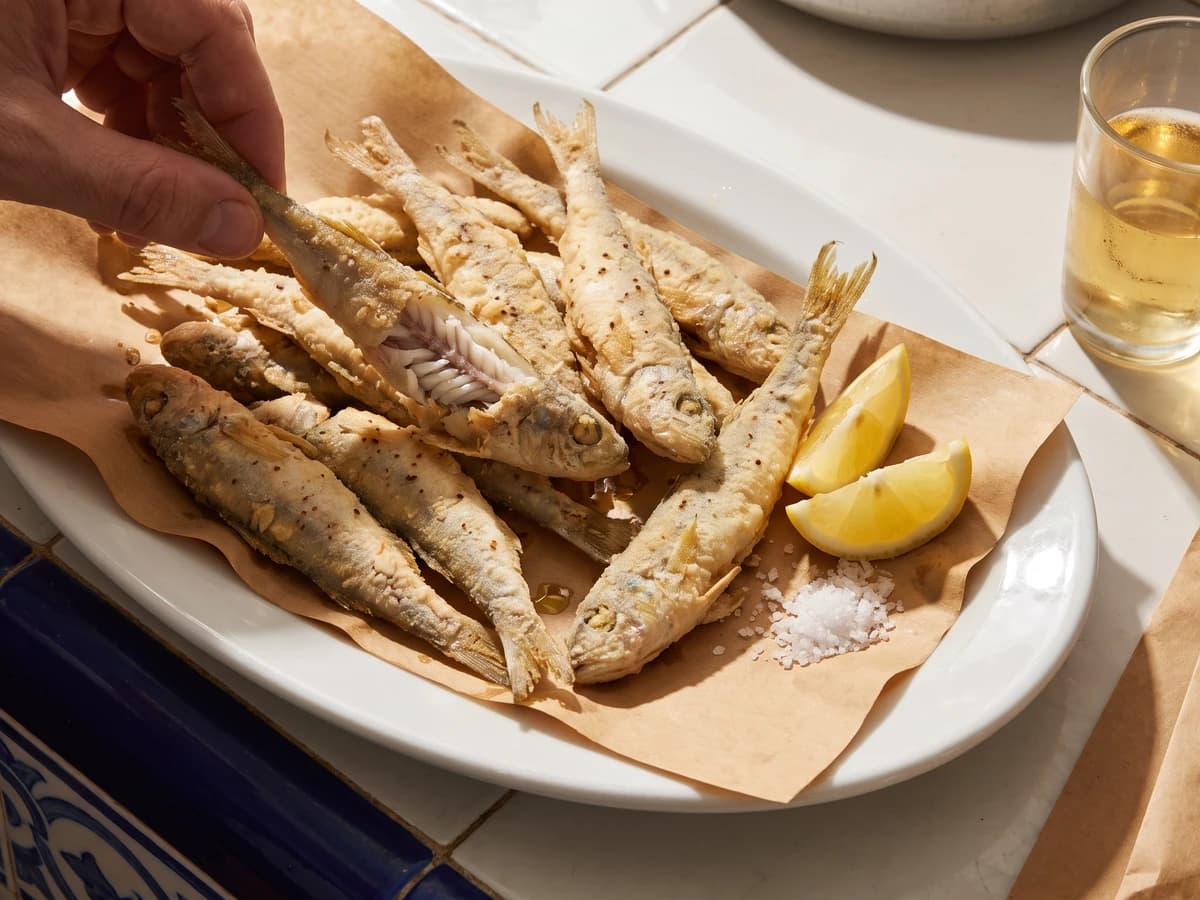
Acedías fritas belong to Cádiz: tiny wedge sole, salted, dusted in frying flour, and dropped into very hot olive oil so the rims crisp while the fish stays tender.
A cooking platform built around craft, culture, and the stories behind what we eat.

Created by
This Basque-Navarrese pintxo is beef cheek cooked low in red wine until it falls apart, then set on toasted bread with the sauce reduced until it shines.
Pintxo de carrillera de ternera is Basque-Navarrese: a small bite from the bar counter, yes, but built on a proper slow braise, not a trick. Beef cheek, red wine, onion, carrot, leek, garlic, and time. The bread is only the chair the meat sits on. The dish is the carrillera.
The method that decides it is the long, low cook. Brown the cheeks well, make the sofrito, the slow vegetable base, until it turns dark and sweet, then add the wine and let the pot barely murmur until the meat gives under a spoon. Rush it and beef cheek stays tight. Give it hours and the collagen melts into the sauce, which is why this pintxo tastes rich without needing anything clever.
If you can't find carrillera where you are, ask for beef cheeks first, then use boneless short rib or oxtail as the honest substitute. Short rib will be fattier and a little less silky; oxtail gives a deeper sauce but more bone work. No hace falta haber pisado España. Reduce the sauce until it coats the spoon, pile the meat onto good bread, and pin it with a palillo, a toothpick. Siempre sale, si lo sigues.
Pintxos belong to the Basque Country and Navarra, where bar counters long held small bites set on bread and often pinned with a palillo, the toothpick that gives the word its sense of being pierced. Carrilleras, the cheeks of the animal, come from the practical northern kitchen that knew how to make the working cuts tender through wine, vegetables, and patient heat. In this form, the old braise meets the bar tradition: a spoonful of slow-cooked meat made small enough to eat standing up.
Quantity
1kg
trimmed of heavy silverskin
Quantity
10g
Quantity
3 tablespoons
Quantity
250g
finely chopped
Quantity
150g
finely chopped
Quantity
120g
white and pale green parts, finely chopped
Quantity
3
finely chopped
Quantity
1 tablespoon
Quantity
500ml
Quantity
250ml
Quantity
1
Quantity
1 small sprig
Quantity
1 teaspoon
Quantity
to taste
Quantity
12 slices
cut 1.5cm thick
Quantity
1 tablespoon
Quantity
12
| Ingredient | Quantity |
|---|---|
| beef cheekstrimmed of heavy silverskin | 1kg |
| fine salt | 10g |
| olive oil | 3 tablespoons |
| onionfinely chopped | 250g |
| carrotfinely chopped | 150g |
| leekwhite and pale green parts, finely chopped | 120g |
| garlic clovesfinely chopped | 3 |
| tomato paste | 1 tablespoon |
| dry red wine, preferably Rioja or Navarra | 500ml |
| beef stock or water | 250ml |
| bay leaf | 1 |
| thyme | 1 small sprig |
| sweet pimentón | 1 teaspoon |
| black pepper | to taste |
| rustic baguette or barra de pancut 1.5cm thick | 12 slices |
| olive oil, for brushing the bread | 1 tablespoon |
| small pickled guindilla peppers (optional) | 12 |
Pat the beef cheeks dry and cut each one into two or three large pieces if needed. Season with the 10g salt and a little black pepper. Let them stand while you chop the vegetables; even this short rest helps the salt start its work.
Heat 3 tablespoons olive oil in a heavy casserole over medium-high heat. Brown the beef cheeks in batches until they take a deep chestnut crust on all sides, about 8 to 10 minutes total per batch. Do not crowd the pot or the meat stews pale instead of browning. Lift the pieces to a plate.
Lower the heat to medium-low and add the onion, carrot, leek, and garlic to the same pot. Cook for 18 to 22 minutes, scraping the browned bits from the bottom, until the vegetables are soft, dark gold, and almost jammy. This slow sofrito is the floor of the braise; rush it and the sauce tastes thin.
Stir in the tomato paste and cook for 2 minutes until it darkens. Add the pimentón and stir for 10 seconds only, just until fragrant. Pour in the red wine, bring it to a lively simmer, and let it reduce by about one third, 8 to 10 minutes, so the raw edge of the wine cooks off.
Return the beef cheeks and their juices to the pot. Add the stock or water, bay leaf, and thyme. The liquid should come about two thirds up the meat, not drown it. Cover with the lid slightly ajar and cook at the barest simmer for 2 hours 30 minutes to 3 hours, turning the meat once or twice, until a spoon presses through it with no fight.
Lift out the beef cheeks and discard the bay leaf and thyme stem. Pass the sauce through a food mill or blend it smooth, then simmer it uncovered until it coats the back of a spoon, about 10 to 15 minutes. Shred the meat into large, soft pieces and fold it back through enough sauce to make it glossy, not soupy.
Brush the bread slices lightly with olive oil and toast them until crisp at the edges but still able to catch sauce, 3 to 5 minutes under a grill or in a hot pan. Bread that is too soft collapses. Bread toasted rock-hard fights the meat. Aim for the middle.
Spoon warm carrillera onto each toast, letting a little sauce sink into the bread. Top with a small pickled guindilla if you like that sharp northern bite, then pin each one with a palillo. Serve warm, with napkins nearby. This is not a tidy pintxo, and it shouldn't be.
1 serving (about 125g)
Culinary guides, cultural storytelling, and the editorial depth that makes cooking meaningful.
Discover Culinary ExplorerChef Isabel
Acedías fritas belong to Cádiz: tiny wedge sole, salted, dusted in frying flour, and dropped into very hot olive oil so the rims crisp while the fish stays tender.
Chef Isabel
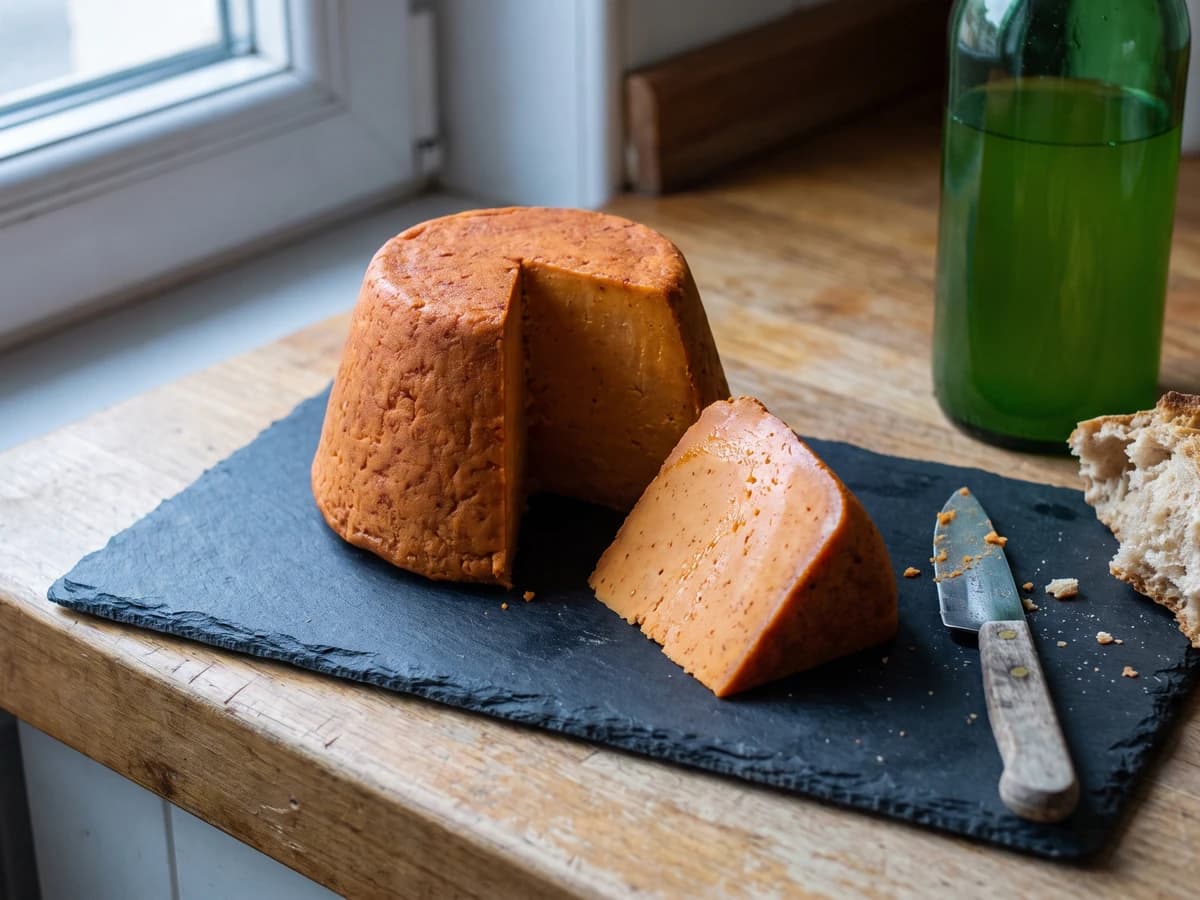
Afuega'l Pitu Roxu is Asturias in a small cheese: cow's milk set slowly to a dense curd, drained without squeezing, then kneaded with pimentón until it turns orange and grips the throat.
Chef Isabel
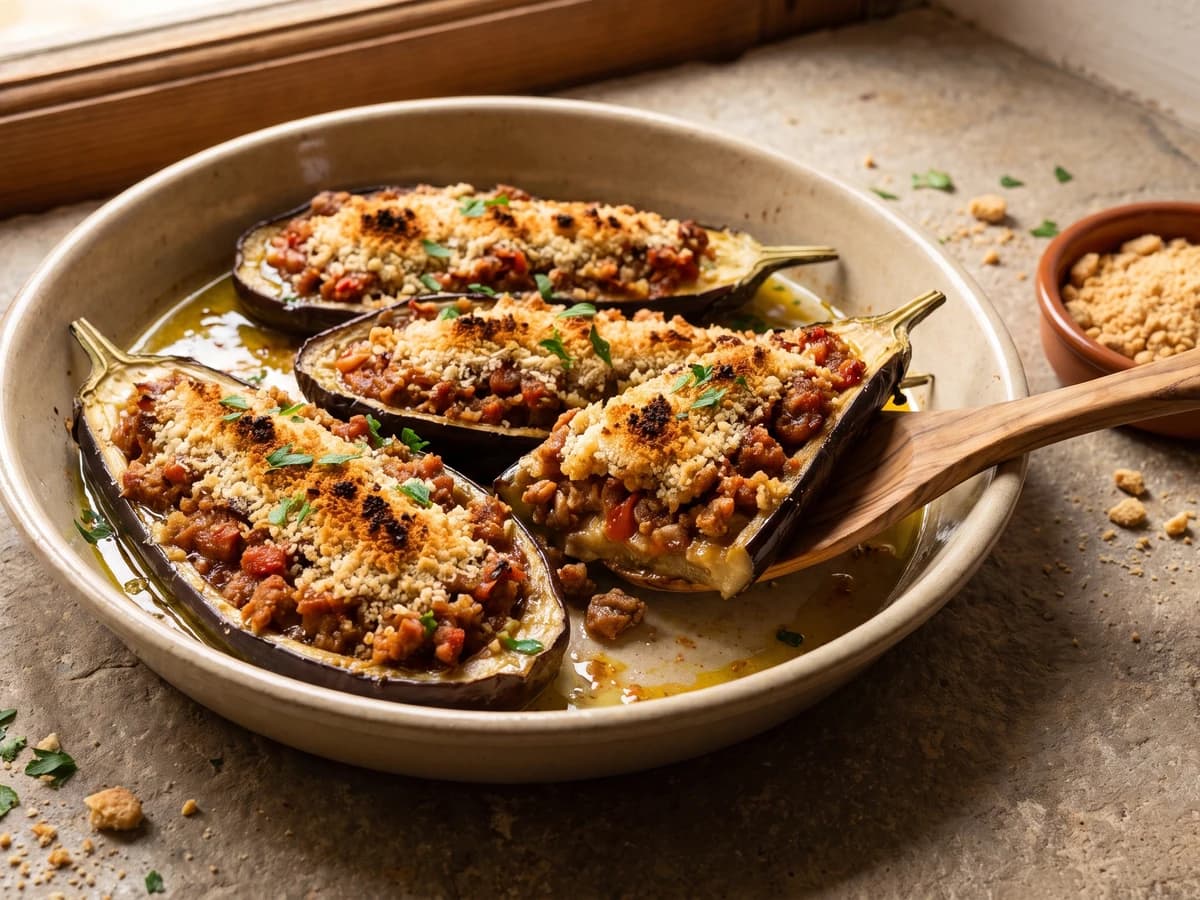
Albergínies farcides are Mallorca's summer stuffed aubergines: tender boiled shells, a slow pork sofrito with moraduix, and a plain breadcrumb cap baked until the top turns crisp and golden.

Chef Isabel
Carxofes farcides are Catalan stuffed artichokes: tender hearts filled with jamón, slow sweet onion, and breadcrumbs, then baked in a light creamy sauce until the tops turn golden.