Chef Isabel
Acedías Fritas de Cádiz
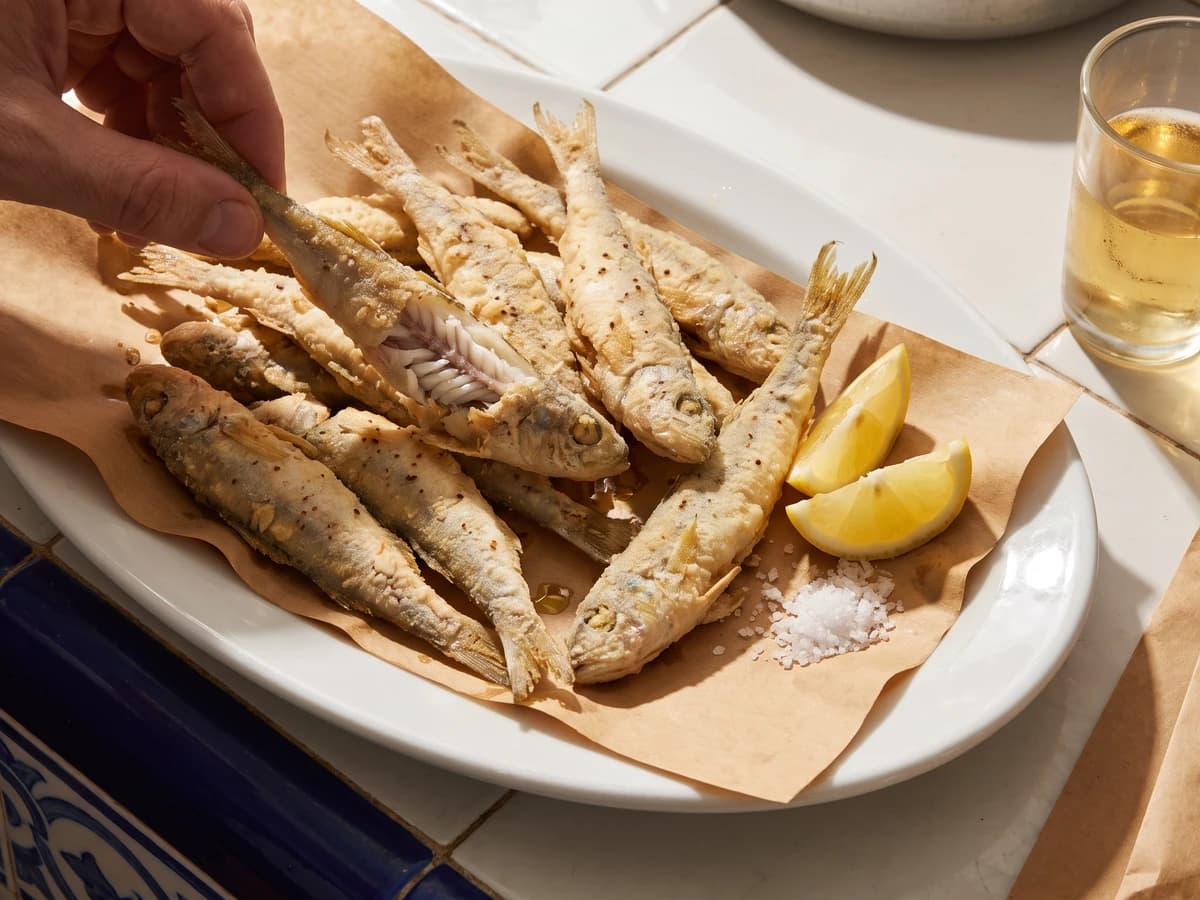
Acedías fritas belong to Cádiz: tiny wedge sole, salted, dusted in frying flour, and dropped into very hot olive oil so the rims crisp while the fish stays tender.
A cooking platform built around craft, culture, and the stories behind what we eat.
Created by
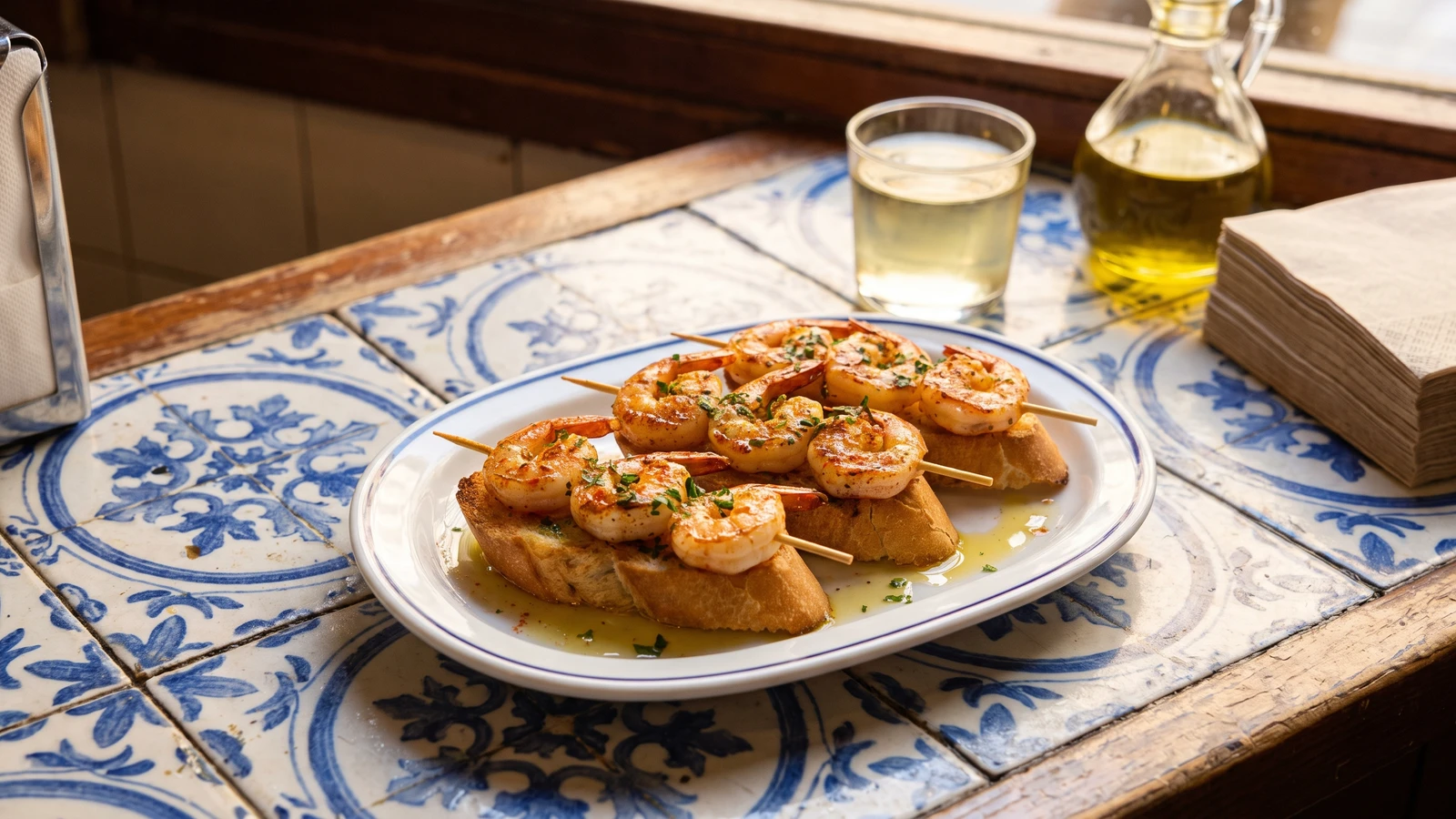
This Basque prawn skewer belongs to Donostia's pintxo counters: hot plancha prawns, bread to catch the juices, and a garlicky parsley oil spooned over at the end.
Brocheta de Gambas Donostiarra is Basque, from the pintxo counters of Donostia, where the skewer is small, direct, and carried by the quality of the prawn. It is not a dressed-up seafood kebab. It is prawns cooked hard and fast on a plancha, set over bread, and finished with ajo y perejil, garlic and parsley, in good olive oil.
The method that decides it is the heat. The prawns must hit a very hot surface and cook in minutes, just until the flesh turns opaque and still springs under your finger. Leave them too long and they tighten, and no sauce will give back what the pan took. Salt them just before cooking, oil them lightly, and let the bread do its quiet job underneath, catching the garlicky juices.
If you are far from Donostia, no hace falta haber pisado España. Use large raw prawns or shrimp with the shells already off, 16 to 20 count if you can find them, and thaw them slowly in the fridge if frozen is what your market gives you. Frozen raw prawns are honest enough here; just dry them well or they'll stew instead of sear. Siempre sale, si lo sigues.
Brochetas de gambas belong naturally to the Basque pintxo bar, especially in Donostia, where small bites are built for the counter, one skewer or one slice of bread at a time. The form follows the old barra habit: seafood from the nearby coast or market, cooked quickly on the plancha, then served over bread so nothing good is lost. Garlic, parsley, and olive oil are not decoration here; they are the plain house finish used across many Basque seafood pintxos.
Quantity
24, about 500g
peeled and deveined, tails left on if liked
Quantity
8 slices
cut 1.5cm thick
Quantity
4 tablespoons
divided
Quantity
3
very finely minced
Quantity
2 tablespoons
finely chopped
Quantity
1 tablespoon
Quantity
1 teaspoon
Quantity
1/2 teaspoon, plus more for the bread
Quantity
1/4 teaspoon
Quantity
to taste
| Ingredient | Quantity |
|---|---|
| large raw prawns or shrimppeeled and deveined, tails left on if liked | 24, about 500g |
| baguette or barra breadcut 1.5cm thick | 8 slices |
| extra virgin olive oildivided | 4 tablespoons |
| garlic clovesvery finely minced | 3 |
| flat-leaf parsleyfinely chopped | 2 tablespoons |
| dry white wine or txakoli | 1 tablespoon |
| lemon juice (optional) | 1 teaspoon |
| fine sea salt | 1/2 teaspoon, plus more for the bread |
| sweet pimentón (optional) | 1/4 teaspoon |
| freshly ground black pepper | to taste |
Pat the prawns very dry with kitchen paper. This matters more than people think: wet prawns boil in their own water before they ever brown. Put them in a bowl with 1 tablespoon of the olive oil, the salt, a little black pepper, and the pimentón if using. Toss and leave them no more than 10 minutes.
Stir the minced garlic, parsley, white wine or txakoli, lemon juice if using, and 2 tablespoons of olive oil in a small bowl. Do not cook this hard ahead of time. Garlic turns bitter quickly, and this skewer wants it sharp, green, and clean.
Brush the bread slices with the remaining 1 tablespoon of olive oil and toast them on the plancha, grill pan, or under a grill until lightly golden at the edges. Salt them while they are still warm. Lay the bread on a serving plate; it is there to catch the oil and prawn juices, not just to hold the skewer.
Heat a plancha, heavy frying pan, or grill pan until very hot. Add the prawns in one layer and cook 60 to 90 seconds on the first side, then turn and cook 45 to 60 seconds more, just until opaque and lightly browned in spots. Take them off while they still feel springy. If you wait until they curl tight, you have waited too long.
Thread 3 prawns onto each small skewer and set one skewer over each toast. Spoon the garlic parsley oil over the hot prawns so it runs down into the bread. Serve at once, while the prawns are glossy and juicy. Tal como se hace allí: simple, hot, and not made to wait.
1 serving (about 80g)
Culinary guides, cultural storytelling, and the editorial depth that makes cooking meaningful.
Discover Culinary ExplorerChef Isabel
Acedías fritas belong to Cádiz: tiny wedge sole, salted, dusted in frying flour, and dropped into very hot olive oil so the rims crisp while the fish stays tender.
Chef Isabel
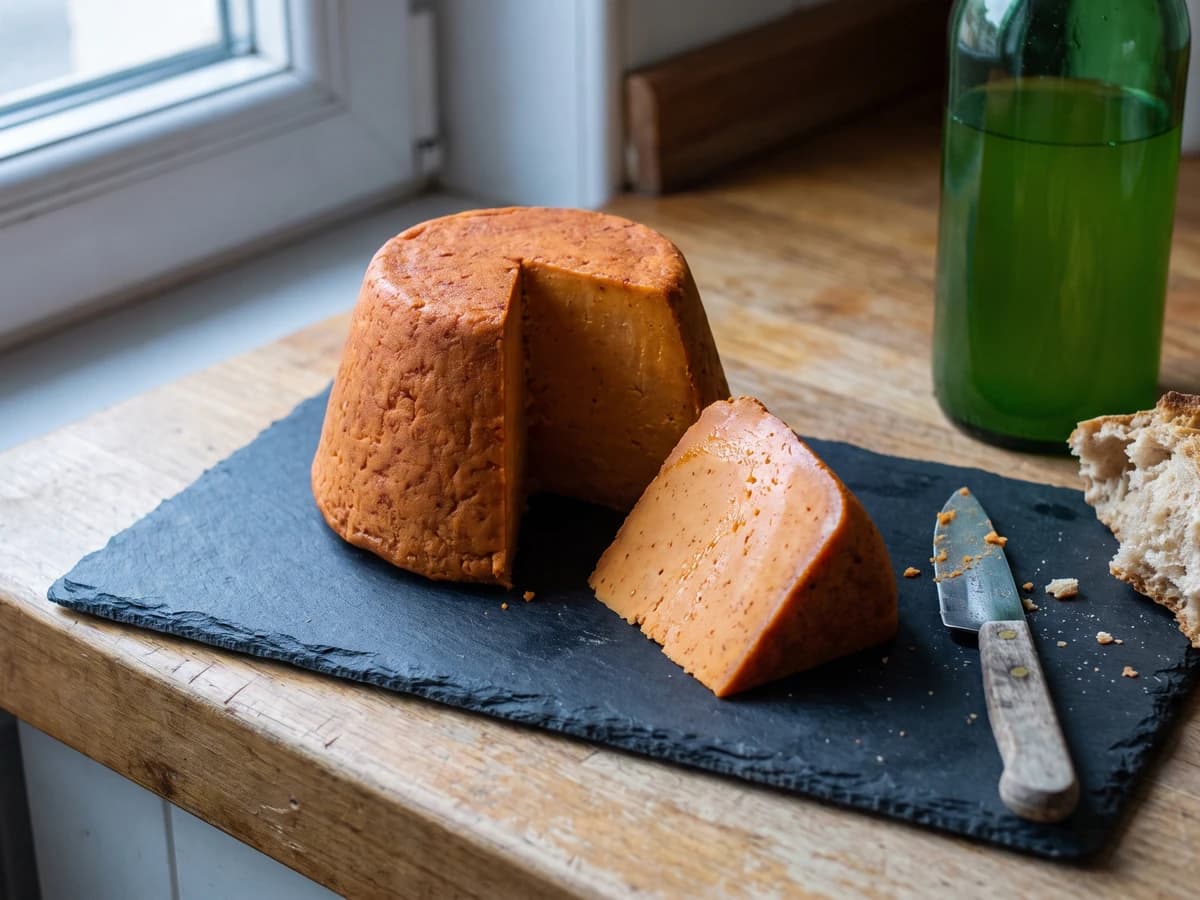
Afuega'l Pitu Roxu is Asturias in a small cheese: cow's milk set slowly to a dense curd, drained without squeezing, then kneaded with pimentón until it turns orange and grips the throat.
Chef Isabel
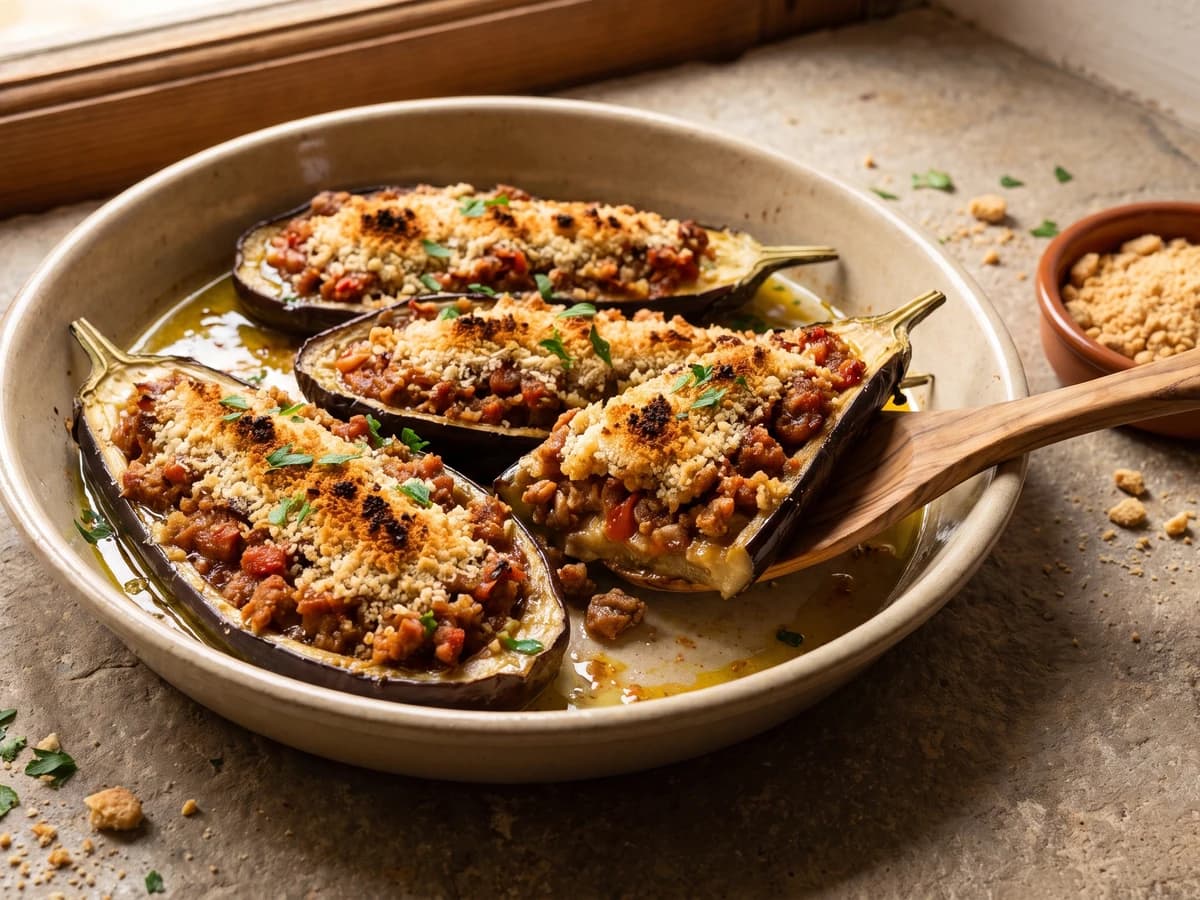
Albergínies farcides are Mallorca's summer stuffed aubergines: tender boiled shells, a slow pork sofrito with moraduix, and a plain breadcrumb cap baked until the top turns crisp and golden.

Chef Isabel
Carxofes farcides are Catalan stuffed artichokes: tender hearts filled with jamón, slow sweet onion, and breadcrumbs, then baked in a light creamy sauce until the tops turn golden.