Chef Isabel
Acedías Fritas de Cádiz
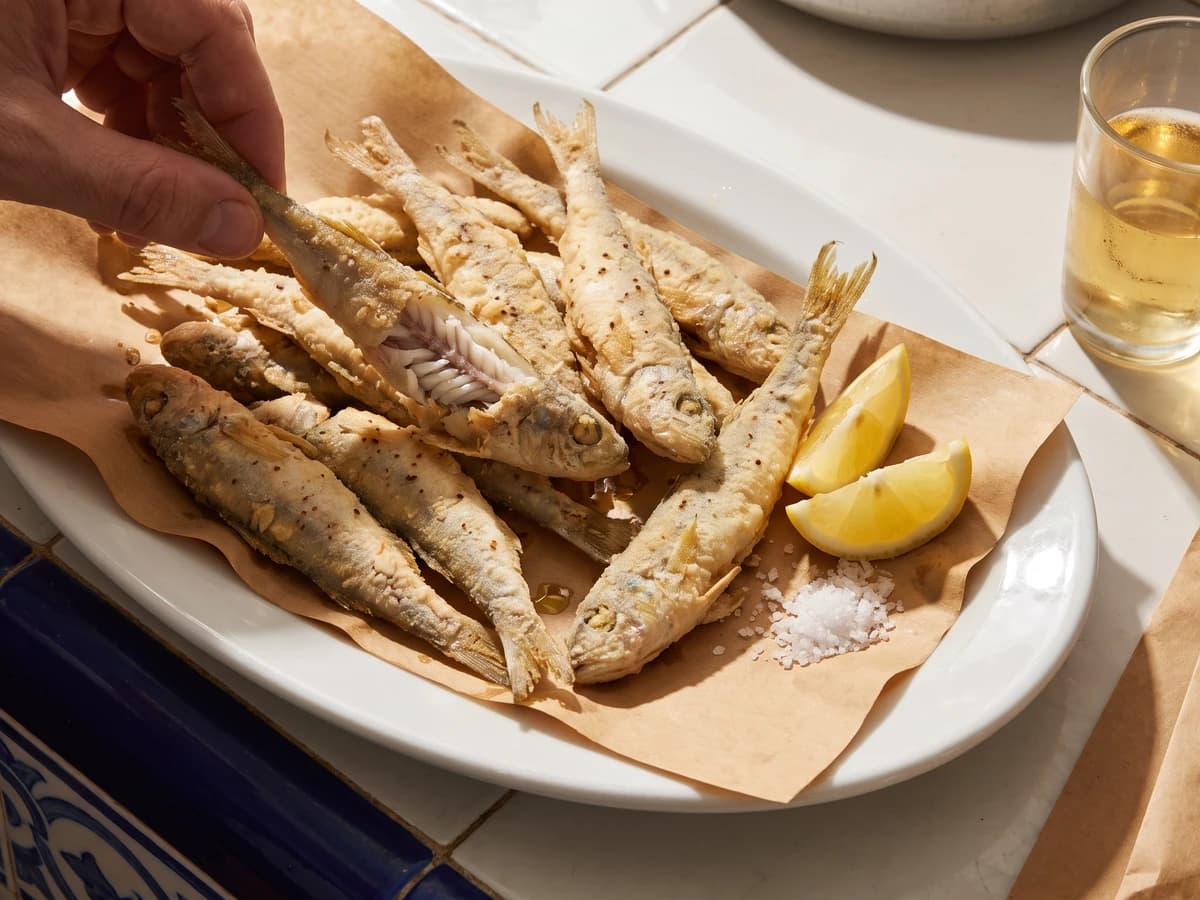
Acedías fritas belong to Cádiz: tiny wedge sole, salted, dusted in frying flour, and dropped into very hot olive oil so the rims crisp while the fish stays tender.
A cooking platform built around craft, culture, and the stories behind what we eat.
Created by
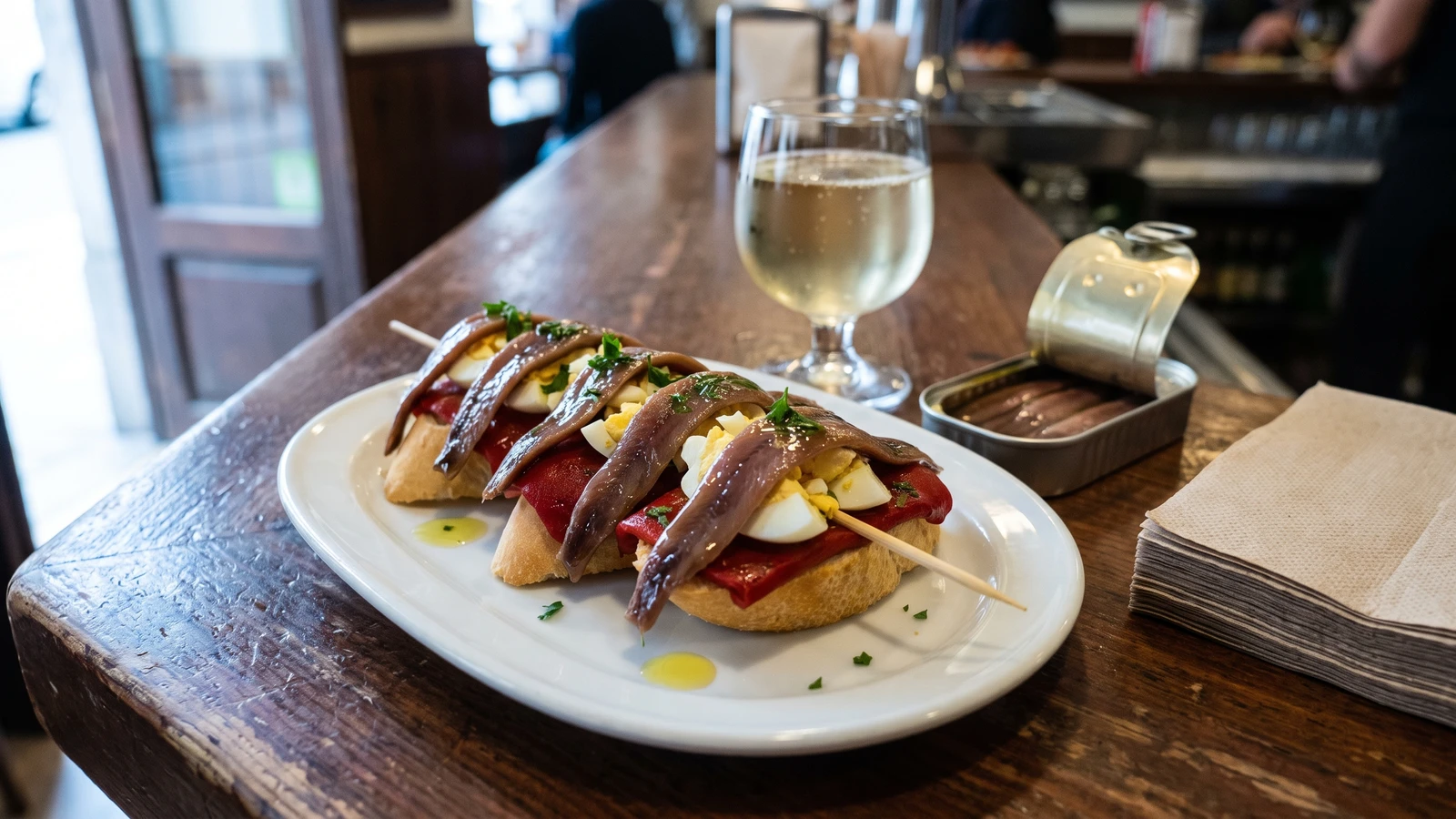
A Basque pintxo built on one thing: a good Cantabrian anchovy laid over crisp bread, sweet piquillo, chopped egg, and garlic oil, with nothing loud enough to drown the fish.
Pintxo de Anchoas del Cantábrico is Basque bar food, from the coast that knows the anchovy: a slice of bread, a strip of sweet piquillo, chopped egg, garlic-parsley oil, and one salt-cured Cantabrian fillet laid on top. Small, yes. Not careless. The anchovy is the dish, and everything else is there to hold it up.
The method that decides it is timing. Toast the bread, dry the piquillo, season the egg lightly, and assemble only at the end so the toast stays crisp and the anchovy keeps its clean, oily shine. Drown it in garlic, leave it sitting, or use a cheap hairy fillet, and you have salt on bread. That's another thing.
If you're far from Spain, no hace falta haber pisado España: buy the best salt-cured anchovies packed in olive oil you can find, even Portuguese or Italian, if they're better than the tin with the pretty label. They may be sharper and leaner than Cantabrian fillets, so use a little less garlic oil and let the piquillo do its sweet work. No piquillos? Jarred roasted red peppers, well dried, are the honest substitute. Raw pepper is not.
Build them in a row and serve them while the bread still answers under the teeth. This is quick cooking, but not lazy cooking. My Margin beside this one says only: the anchovy decides. Siempre sale, si lo sigues.
Pintxos belong to the Basque Country's bar culture, especially Donostia and Bilbao, where small bites are set on bread and often pinned with a palillo, the toothpick that gives pintxo its name. Cantabrian anchovies come from Bay of Biscay ports such as Getaria, Bermeo, Ondarroa, and Santoña; salting and packing them in oil preserved the spring catch and made a small fish rich enough to stand at the centre of a bar bite. Piquillo peppers from Navarra's Ebro larder and hard-boiled egg soften the anchovy's salt without hiding it.
Quantity
1 (about 240g)
cut into 12 slices, 1.5cm thick
Quantity
12 fillets (about 90g drained)
drained gently
Quantity
6 (about 120g drained)
patted dry and cut into 12 wide strips
Quantity
2 (about 100g peeled)
hard-boiled and finely chopped
Quantity
1 small clove (3g)
finely grated or pounded
Quantity
80ml
divided
Quantity
8g
finely chopped
Quantity
1/4 teaspoon
divided, only if needed
| Ingredient | Quantity |
|---|---|
| narrow baguette or barra de pancut into 12 slices, 1.5cm thick | 1 (about 240g) |
| Cantabrian salt-cured anchovy fillets packed in olive oildrained gently | 12 fillets (about 90g drained) |
| jarred piquillo pepperspatted dry and cut into 12 wide strips | 6 (about 120g drained) |
| large eggshard-boiled and finely chopped | 2 (about 100g peeled) |
| garlicfinely grated or pounded | 1 small clove (3g) |
| extra virgin olive oildivided | 80ml |
| flat-leaf parsley leavesfinely chopped | 8g |
| fine sea salt (optional)divided, only if needed | 1/4 teaspoon |
Put the eggs in a small saucepan and cover with cold water by 2cm. Bring to a steady boil, lower to a gentle bubble, and cook 10 minutes. Cool in cold water, peel, and chop the whites and yolks together quite fine. Stir in 1 teaspoon of the olive oil and only a pinch of salt; the anchovy will bring the rest.
Pound the garlic with a pinch of salt until it becomes a paste, then stir in 55ml olive oil. Let it sit 10 minutes while you prepare the rest, then stir in the parsley. The oil should smell clearly of garlic, not bite like raw garlic. If your clove is fierce, lift out the solid garlic before the oil goes on the pintxos.
Lift the anchovy fillets from their oil and lay them on a plate. Do not rinse oil-packed fillets; you wash away the work you paid for. Pat the piquillos very dry and cut each pepper into two broad strips. The fish is the place to be stubborn: if a fillet tastes only of salt, the pintxo will too.
Brush the bread slices with the remaining 20ml olive oil. Toast on a hot griddle, in a dry frying pan, or under the grill for 1 to 2 minutes per side, until the edges are crisp and the middle still has a little give. Too pale and it goes soggy; too hard and it fights the anchovy.
Lay one piquillo strip on each toast. Spoon about 2 teaspoons of chopped egg over the pepper, then lay one anchovy fillet along the top. Drizzle each with about 1/2 teaspoon of the garlic-parsley oil and pin it with a toothpick. Each pintxo should taste first of anchovy, then sweet pepper and egg.
Carry them out straight away, while the bread is still crisp and the oil is shining on the anchovy. If you're feeding guests, keep the pieces ready and build in small rounds. After 15 minutes the bread softens and the anchovy oil sinks in; not ruined, just less itself.
1 serving (about 155g)
Culinary guides, cultural storytelling, and the editorial depth that makes cooking meaningful.
Discover Culinary ExplorerChef Isabel
Acedías fritas belong to Cádiz: tiny wedge sole, salted, dusted in frying flour, and dropped into very hot olive oil so the rims crisp while the fish stays tender.
Chef Isabel
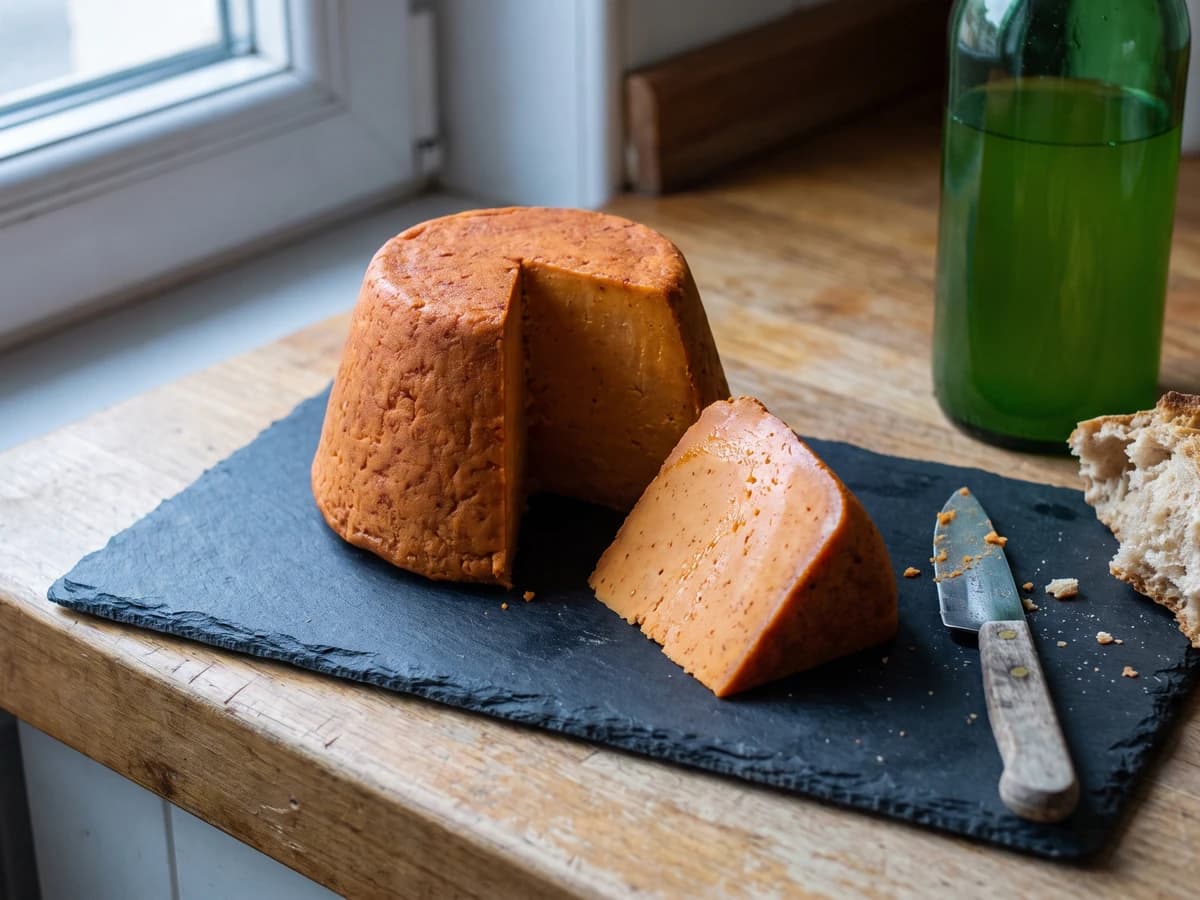
Afuega'l Pitu Roxu is Asturias in a small cheese: cow's milk set slowly to a dense curd, drained without squeezing, then kneaded with pimentón until it turns orange and grips the throat.
Chef Isabel
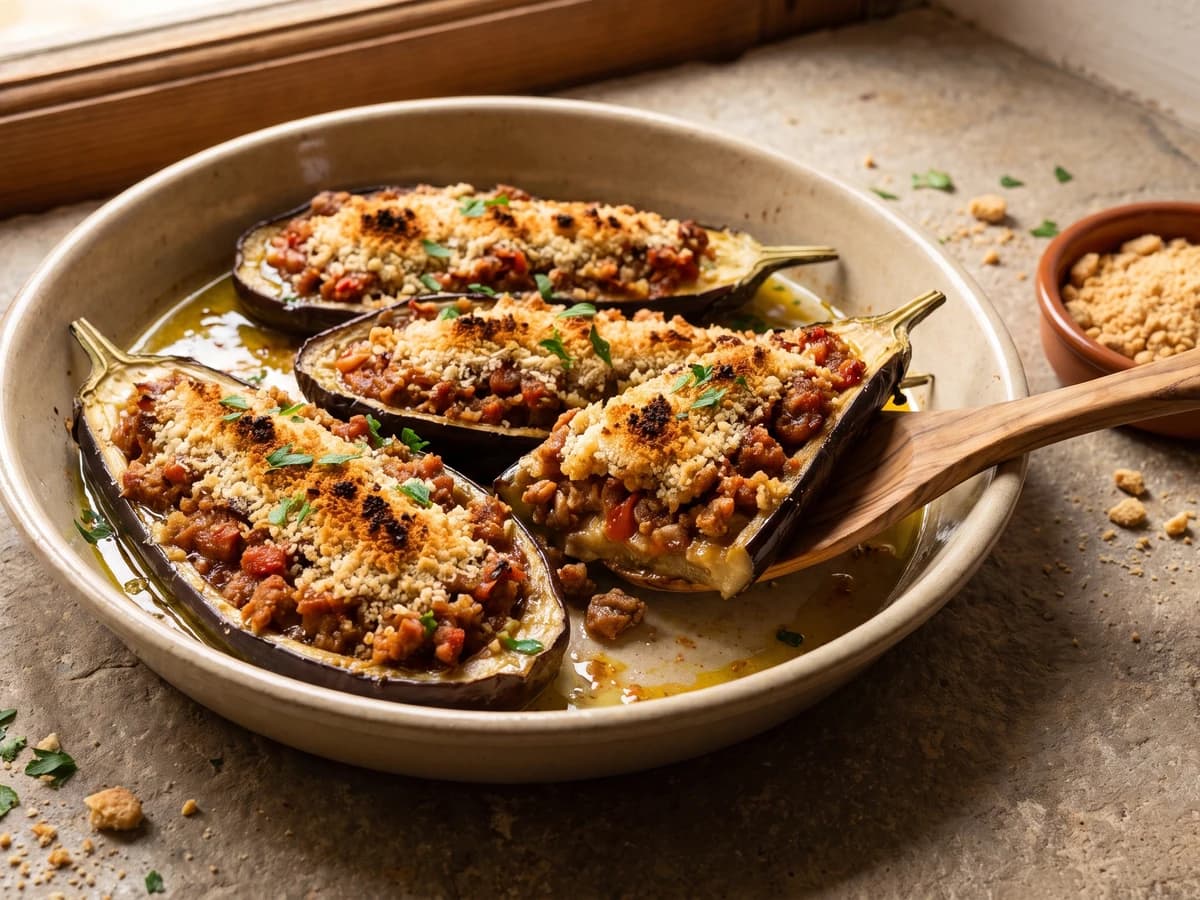
Albergínies farcides are Mallorca's summer stuffed aubergines: tender boiled shells, a slow pork sofrito with moraduix, and a plain breadcrumb cap baked until the top turns crisp and golden.

Chef Isabel
Carxofes farcides are Catalan stuffed artichokes: tender hearts filled with jamón, slow sweet onion, and breadcrumbs, then baked in a light creamy sauce until the tops turn golden.