Chef Isabel
Acedías Fritas de Cádiz
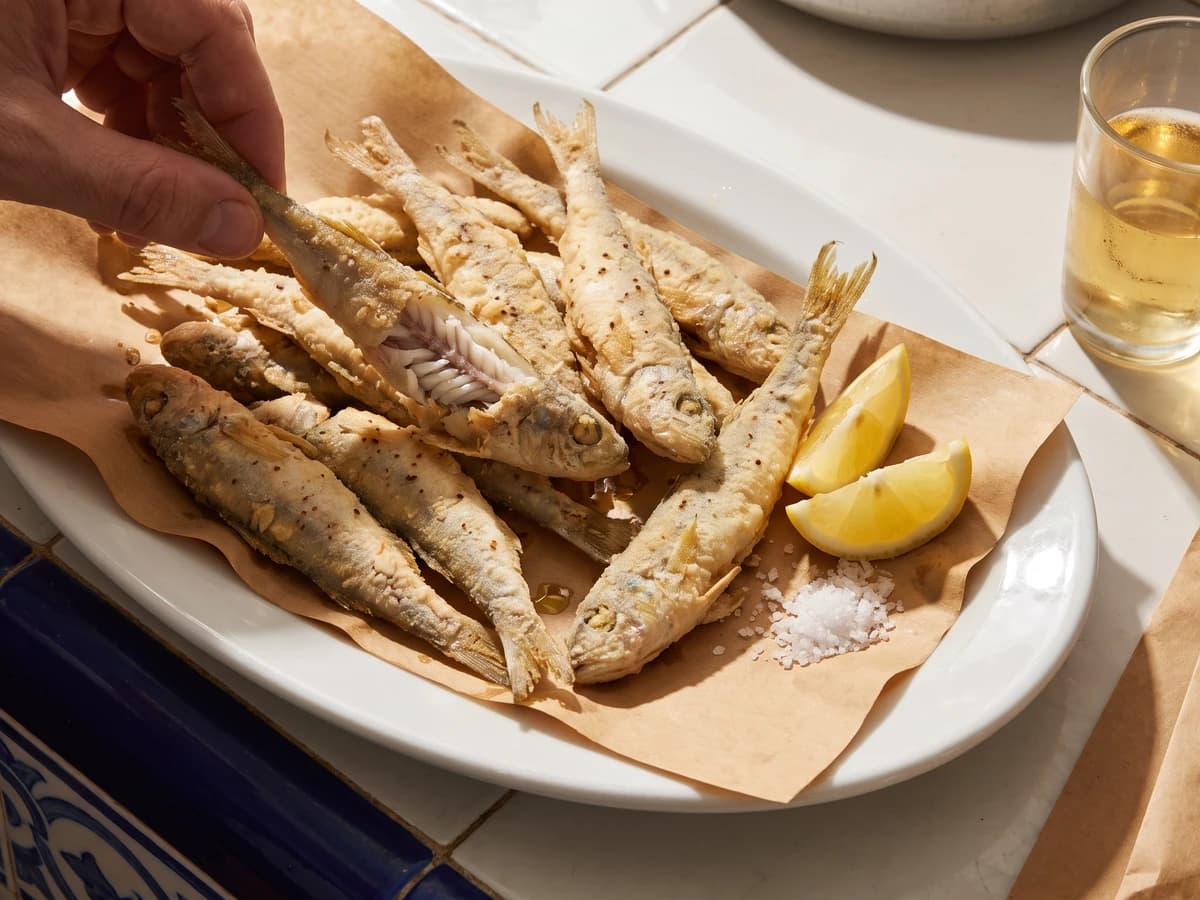
Acedías fritas belong to Cádiz: tiny wedge sole, salted, dusted in frying flour, and dropped into very hot olive oil so the rims crisp while the fish stays tender.
A cooking platform built around craft, culture, and the stories behind what we eat.

Created by
Pincho de txaka is Basque, especially Donostia: surimi and boiled egg chopped fine with mayonnaise, set high on bread, and held together by one plain rule: cut it small.
Pincho de txaka is Basque, the kind you see across Donostia bars when the counter is full and nobody is pretending lunch needs to be grand. Txaka means the crab-stick mixture here: surimi, boiled egg, mayonnaise, sometimes a little onion, mounded on bread and held with a toothpick if the bar is busy. It is not a neighbor's gilded seafood salad. It is cheap, cold, soft, and very useful.
The method that decides it is the chopping. Grate the surimi and egg fine, or chop them small enough that the mayonnaise can bind them without drowning them. Big pieces slide off the bread. Too much mayonnaise turns the pintxo slack. Taste before you salt the mix, because surimi already brings salt with it, and a heavy hand makes the whole thing taste tired.
If you are far from the Basque Country, no hace falta haber pisado España. Use refrigerated or frozen crab sticks, thawed and dried well. Real cooked crab is good food, of course, but it is not the everyday Donostia txaka; it tastes sweeter, costs more, and needs less mayonnaise. Follow the small cut, the dry bread, and the short rest in the cold. Siempre sale, si lo sigues.
Txaka belongs to the Basque pintxo bar, especially around Donostia-San Sebastián, where small composed bites sit on bread and are chosen from the counter with a drink. The word is used locally for the shredded crab-stick mixture that became common because surimi gave bars a steady, affordable seafood taste without the cost and spoilage of fresh crab. Like many pintxos, it is less a formal recipe than a house habit, but the Donostia version is recognized by its fine chop, creamy bind, and generous mound on a slice of bread.
Quantity
250g
thawed if frozen, patted dry
Quantity
3
Quantity
80g, plus 1 tablespoon more if needed
Quantity
20g
very finely minced
Quantity
1 teaspoon
Quantity
1 teaspoon
Quantity
1 tablespoon
finely chopped
Quantity
to taste
Quantity
12 slices
about 1.5cm thick
Quantity
12
Quantity
12
Quantity
12
for serving
| Ingredient | Quantity |
|---|---|
| surimi sticks (palitos de cangrejo)thawed if frozen, patted dry | 250g |
| large eggs | 3 |
| mayonnaise | 80g, plus 1 tablespoon more if needed |
| sweet white onion or spring onionvery finely minced | 20g |
| vinagre de Jerez or white wine vinegar | 1 teaspoon |
| lemon juice | 1 teaspoon |
| parsley (optional)finely chopped | 1 tablespoon |
| fine salt | to taste |
| baguette or barra de panabout 1.5cm thick | 12 slices |
| small lettuce leaves (optional) | 12 |
| small green olives (optional) | 12 |
| toothpicksfor serving | 12 |
Put the eggs in a small pan, cover with cold water, and bring to a boil. Once boiling, cook 10 minutes, then cool them in cold water. Peel when cool enough to handle. A fully set yolk is what you want here; a soft yolk makes the txaka pasty instead of clean and creamy.
Pat the surimi dry, then grate it on the large holes of a box grater or shred it very finely with your fingers. Grate the boiled eggs the same way. This fine cut is the whole trick: the mayonnaise catches every strand, so the mound holds on the bread instead of falling apart.
Put the grated surimi and egg in a bowl with the minced onion, 80g mayonnaise, vinegar, lemon juice, and parsley if using. Fold gently until it binds. Taste before adding salt, because the surimi already has plenty. If it looks dry, add one more tablespoon of mayonnaise, no more at first.
Cover and chill the txaka for 10 to 15 minutes. It should be cold and spoonable, not stiff. That short rest lets the onion soften and the mayonnaise settle into the egg and surimi. If it loosens in the bowl, fold it once and leave it alone.
Lay the bread slices on a tray. Add a small lettuce leaf if you like, then mound a generous spoonful of txaka on each slice. Crown with a green olive and hold it with a toothpick if the mound is tall. Serve cold or cool, the way it waits on a Donostia counter.
1 serving (about 65g)
Culinary guides, cultural storytelling, and the editorial depth that makes cooking meaningful.
Discover Culinary ExplorerChef Isabel
Acedías fritas belong to Cádiz: tiny wedge sole, salted, dusted in frying flour, and dropped into very hot olive oil so the rims crisp while the fish stays tender.
Chef Isabel
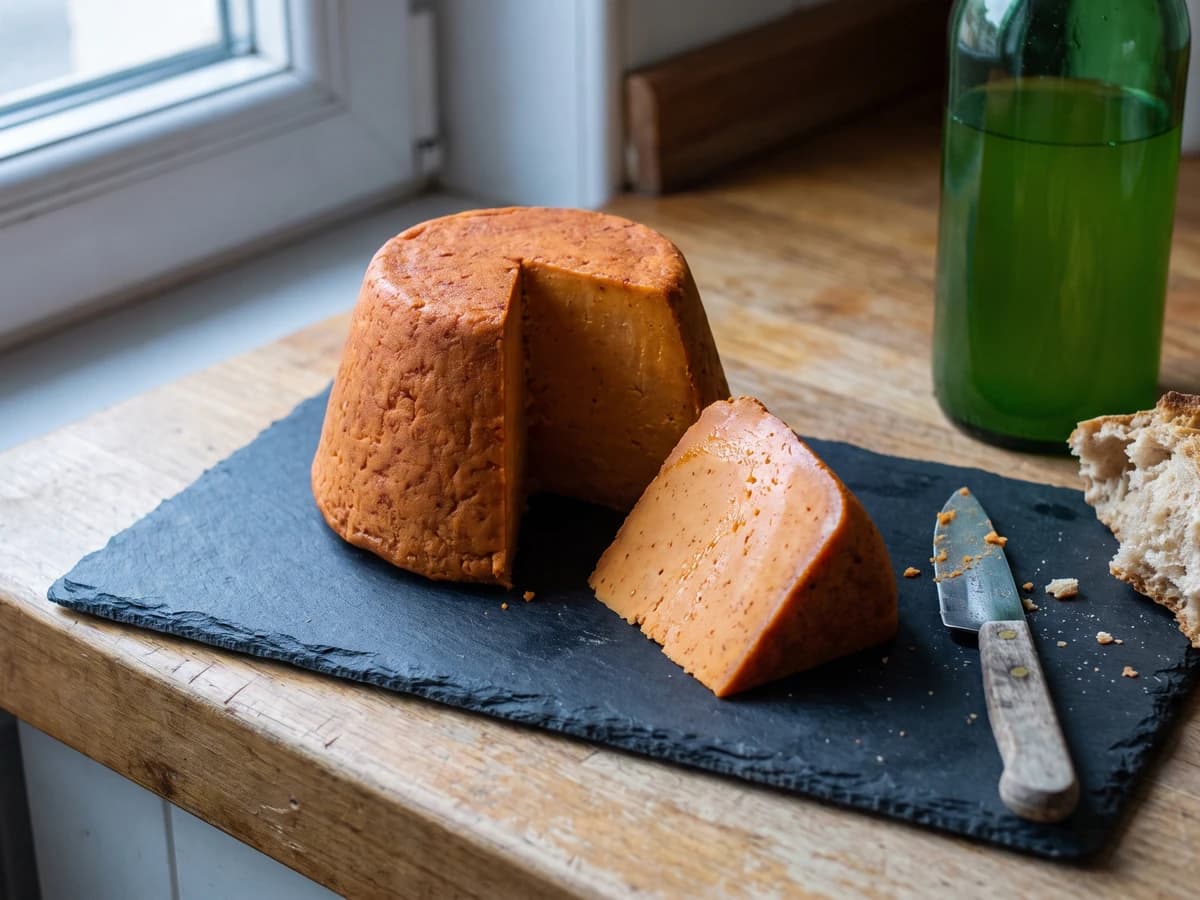
Afuega'l Pitu Roxu is Asturias in a small cheese: cow's milk set slowly to a dense curd, drained without squeezing, then kneaded with pimentón until it turns orange and grips the throat.
Chef Isabel
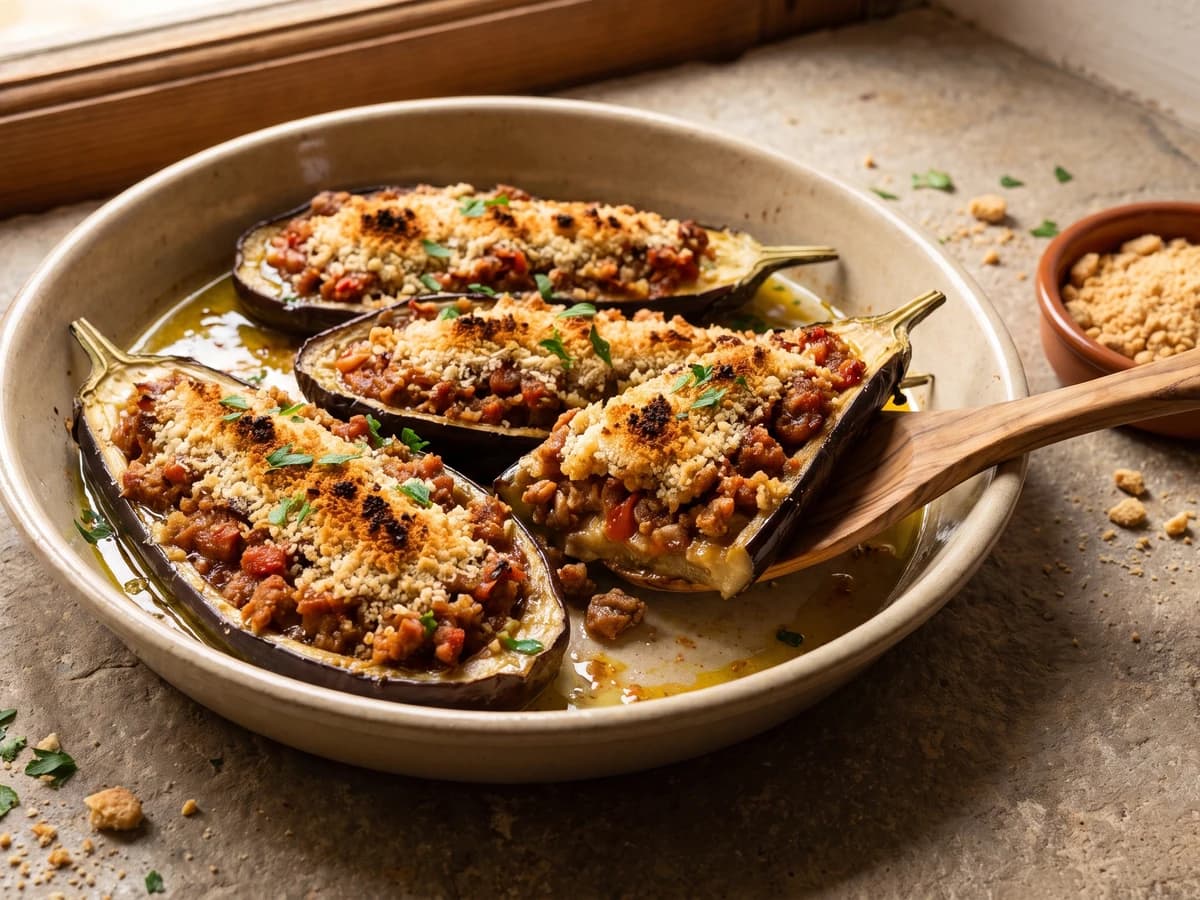
Albergínies farcides are Mallorca's summer stuffed aubergines: tender boiled shells, a slow pork sofrito with moraduix, and a plain breadcrumb cap baked until the top turns crisp and golden.

Chef Isabel
Carxofes farcides are Catalan stuffed artichokes: tender hearts filled with jamón, slow sweet onion, and breadcrumbs, then baked in a light creamy sauce until the tops turn golden.