
Chef Remy
Bananas Foster Cheesecake
New Orleans' most famous dessert transformed into a showstopping cheesecake, with layers of buttery caramelized bananas, dark rum caramel, and a silky filling so rich it could make Brennan's jealous.
A cooking platform built around craft, culture, and the stories behind what we eat.
Created by Chef Remy
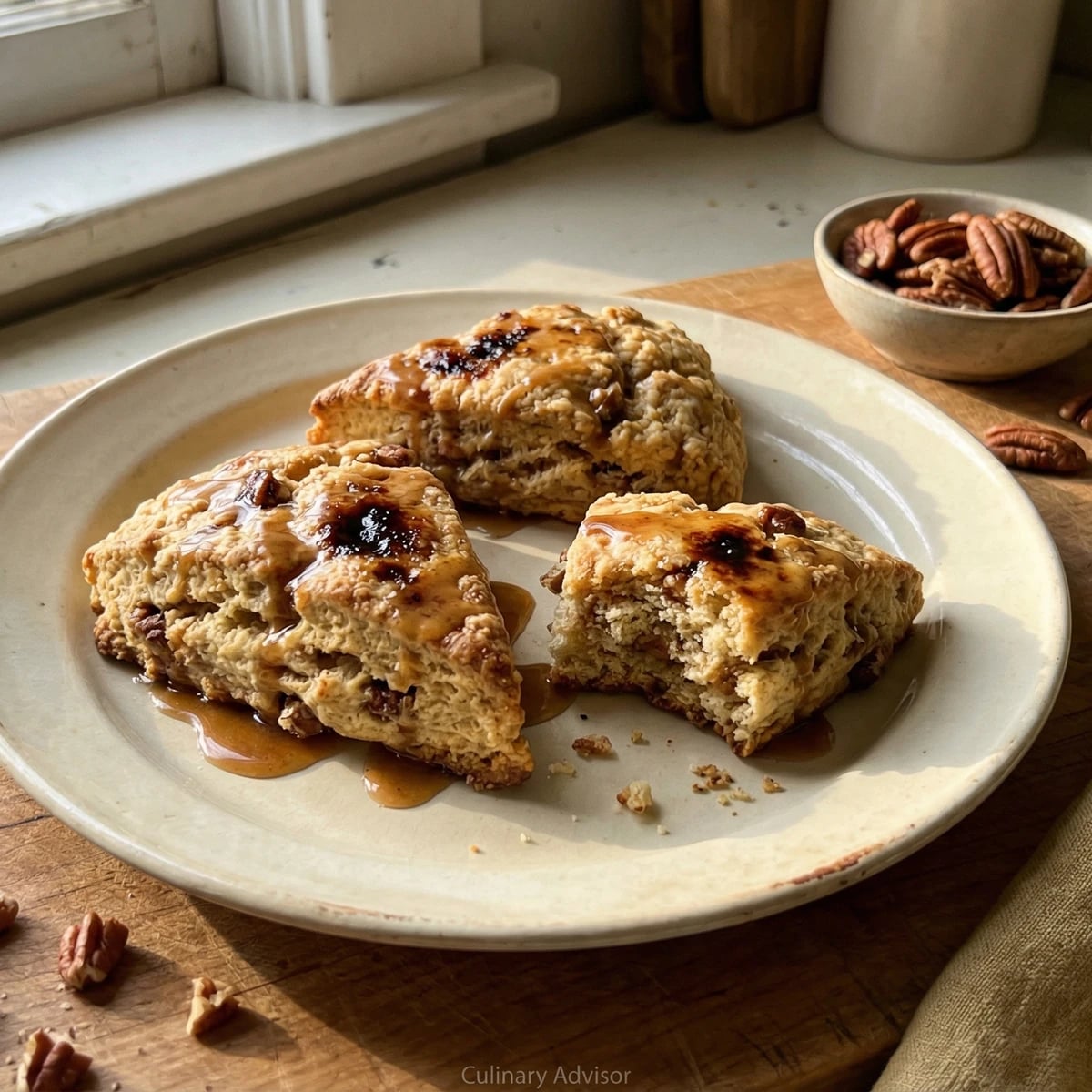
Buttery, crumbly scones loaded with chunks of caramelized pecan praline and drizzled with brown sugar glaze, bringing the sweetness of a New Orleans praline shop to your breakfast table.
Good pastry starts with cold butter. That is the first lesson, and it matters more than any other. When those cold butter pieces hit a hot oven, they release steam and create layers. Warm butter? You get a dense, disappointing puck.
These scones pay tribute to the praline ladies who have worked the French Quarter for generations, selling paper-wrapped candies from baskets and storefronts. At Lagniappe, we serve a version of these for Sunday brunch, and people drive across the city for them. The secret is using real pralines, not praline flavoring or praline chips. You want chunks of the genuine article: butter, brown sugar, cream, and Louisiana pecans cooked until they hit that caramel stage and harden into something magical.
My grandmother Evangeline made pralines every Christmas, standing over the pot with a wooden spoon, watching the candy thermometer like it might run off. She taught me that pralines are about patience and timing. The same is true for scones. Work the dough too much and it toughens. Handle it with respect and you get something tender, flaky, and rich. That is the bayou way: know your ingredients, trust the process, and taste as you go.
Quantity
2 cups (250g)
Quantity
1/3 cup (70g)
packed
Quantity
1 tablespoon
Quantity
1/2 teaspoon
Quantity
1/4 teaspoon
Quantity
6 tablespoons (85g)
cold, cut into 1/2-inch cubes
Quantity
1 cup (140g)
chopped into small pieces
Quantity
2/3 cup (160ml)
cold
Quantity
1
Quantity
1 teaspoon
Quantity
1 cup (120g)
Quantity
2 tablespoons
Quantity
2-3 tablespoons
Quantity
1/2 teaspoon
Quantity
pinch
| Ingredient | Quantity |
|---|---|
| all-purpose flour | 2 cups (250g) |
| light brown sugarpacked | 1/3 cup (70g) |
| baking powder | 1 tablespoon |
| fine sea salt | 1/2 teaspoon |
| ground cinnamon | 1/4 teaspoon |
| unsalted buttercold, cut into 1/2-inch cubes | 6 tablespoons (85g) |
| pecan pralineschopped into small pieces | 1 cup (140g) |
| heavy cream (for dough)cold | 2/3 cup (160ml) |
| large egg | 1 |
| pure vanilla extract | 1 teaspoon |
| powdered sugar | 1 cup (120g) |
| brown sugar (for glaze) | 2 tablespoons |
| heavy cream (for glaze) | 2-3 tablespoons |
| vanilla extract (for glaze) | 1/2 teaspoon |
| fine sea salt (for glaze) | pinch |
Chop your pralines into rough pieces about the size of chocolate chips. Some larger chunks are fine, even welcome. They will create pockets of caramelized sweetness throughout your scones. If you are making pralines from scratch, let them cool completely and harden before chopping. Soft pralines will smear into the dough instead of staying distinct.
Whisk together the flour, brown sugar, baking powder, salt, and cinnamon in a large bowl. Break up any lumps of brown sugar with your fingers. The cinnamon is subtle here, just enough to whisper alongside the praline without announcing itself.
Add the cold butter cubes to the flour mixture. Using a pastry blender, two forks, or your fingertips, work the butter into the flour until the mixture resembles coarse meal with some pea-sized pieces remaining. Those larger pieces are your friends. They will melt in the oven and create flaky layers. Work quickly so the butter stays cold.
Toss the chopped praline pieces into the flour mixture and stir gently to distribute. The flour will coat the pralines and help them stay suspended in the dough rather than sinking to the bottom.
In a small bowl or measuring cup, whisk together the cold cream, egg, and vanilla extract until combined. The egg adds richness and helps bind everything together. Pour this mixture over the flour all at once.
Stir with a fork until the dough just comes together in shaggy clumps. Turn it out onto a lightly floured surface. Here is where patience matters: press and fold the dough gently, no more than six or eight times, until it holds together. You should still see streaks of butter. If the dough looks smooth and uniform, you have overworked it and your scones will be tough.
Pat the dough into a circle about one inch thick and eight inches across. Cut into eight wedges like you are slicing a pie. Transfer wedges to a parchment-lined baking sheet, spacing them about two inches apart. The edges should look rough and shaggy, not pressed smooth. Those rough edges rise better.
Slide the baking sheet into the freezer for fifteen minutes while your oven preheats to 400 degrees. This rest firms up the butter again after all that handling. Cold dough hitting a hot oven creates steam that lifts the layers apart.
Bake for 16 to 18 minutes until the tops are golden and the edges have turned a deeper brown. The scones will feel firm when pressed gently but give slightly in the center. The praline pieces may darken at the edges where they are exposed. This is good. That is more caramelization, more flavor.
Transfer scones to a wire rack and let cool for at least ten minutes before glazing. The glaze will melt right off if the scones are too hot. They should be warm, not blazing.
Whisk together the powdered sugar, brown sugar, two tablespoons of cream, vanilla, and salt until smooth. The consistency should be thick but pourable, like warm honey. Add more cream by the teaspoon if needed. The brown sugar adds depth and echoes the praline flavor.
Drizzle the glaze over the warm scones in lazy zigzags, letting it drip down the sides. Let the glaze set for five minutes until it turns matte and slightly tacky. Serve warm or at room temperature. These are best eaten the day they are made, but they will keep overnight wrapped tightly.
1 serving (about 120g)
Culinary guides, cultural storytelling, and the editorial depth that makes cooking meaningful.
Discover Culinary Explorer
Chef Remy
New Orleans' most famous dessert transformed into a showstopping cheesecake, with layers of buttery caramelized bananas, dark rum caramel, and a silky filling so rich it could make Brennan's jealous.

Chef Remy
Golden choux puffs shatter under your spoon to reveal cold banana ice cream, then comes the warm cascade of buttery rum sauce with tender caramelized bananas, a collision of hot and cold that captures everything magnificent about New Orleans desserts.

Chef Remy
Shattery sheets of amber candy studded with toasted Louisiana pecans and kissed with good bourbon, the kind of homemade sweet that disappears from holiday tables before the wrapping paper hits the floor.

Chef Remy
Silky bittersweet chocolate custard steeped with chicory coffee from a New Orleans morning, baked low and slow until it trembles like velvet, served cold with clouds of sweetened cream.