Chef Remy
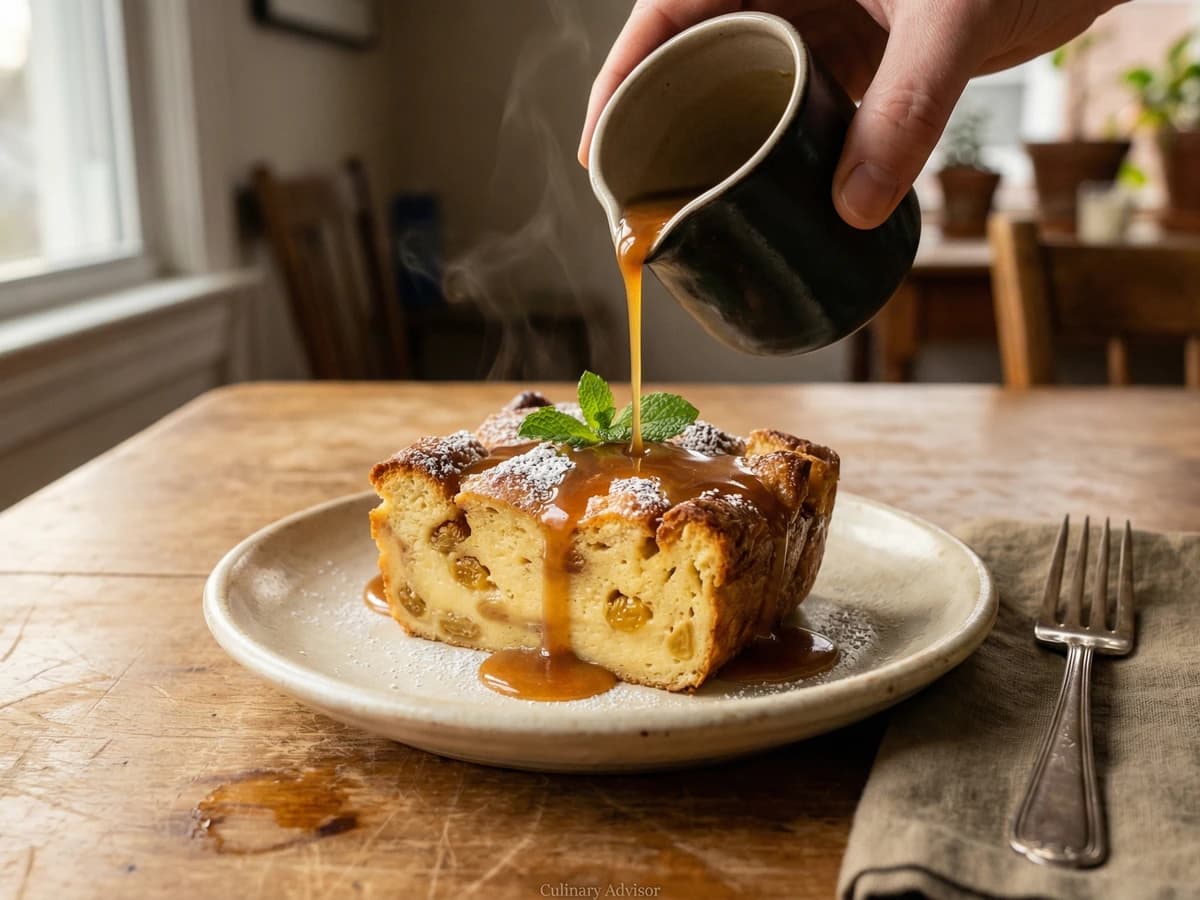
Bread Pudding with Whiskey Sauce
Stale French bread reborn in a bath of vanilla custard, baked until golden and trembling, then baptized tableside with a sinfully rich bourbon sauce that pools into every crevice
A cooking platform built around craft, culture, and the stories behind what we eat.

Created by Chef Remy
New Orleans' most famous dessert transformed into a showstopping cheesecake, with layers of buttery caramelized bananas, dark rum caramel, and a silky filling so rich it could make Brennan's jealous.
Bananas Foster was born at Brennan's in 1951, and it changed how the world sees New Orleans dessert. That combination of butter, brown sugar, rum, and bananas, all set ablaze tableside, became synonymous with Louisiana indulgence. At Lagniappe, I wanted to capture that same magic in a form that could anchor a dinner party, something that says special occasion without requiring you to light fires in your dining room.
The cheesecake base gives you that dense, creamy foundation that plays beautifully against the warm, boozy banana topping. The vanilla wafer crust is pure Southern childhood, adding a tender sweetness that graham crackers can't match. My grandmother Evangeline used to crush vanilla wafers for her icebox pies, and the smell of them toasting in butter takes me straight back to her kitchen.
Here's what makes this work: you build flavor in layers. The crust gets toasted until fragrant. The filling is rich with cream cheese and sour cream, kissed with vanilla and a touch of rum. The bananas caramelize in butter and brown sugar until they're golden and soft. Then that rum sauce, thick and glossy, ties everything together. Each layer matters. Each layer builds on the last.
Quantity
2 cups (about 60 wafers)
Quantity
6 tablespoons
melted
Quantity
2 tablespoons
Quantity
1/4 teaspoon
Quantity
32 ounces (four 8-oz blocks)
at room temperature
Quantity
1 1/4 cups
Quantity
1/4 cup
Quantity
1 cup
at room temperature
Quantity
4
at room temperature
Quantity
2 teaspoons
Quantity
2 tablespoons
Quantity
1/2 cup (1 stick)
Quantity
1 cup
packed
Quantity
1/2 teaspoon
Quantity
1/4 teaspoon
Quantity
4
firm but ripe
Quantity
1/4 cup
Quantity
1/4 cup
Quantity
1/2 teaspoon
Quantity
pinch
| Ingredient | Quantity |
|---|---|
| vanilla wafer crumbs | 2 cups (about 60 wafers) |
| unsalted butter (for crust)melted | 6 tablespoons |
| granulated sugar (for crust) | 2 tablespoons |
| fine sea salt (for crust) | 1/4 teaspoon |
| cream cheeseat room temperature | 32 ounces (four 8-oz blocks) |
| granulated sugar (for filling) | 1 1/4 cups |
| all-purpose flour | 1/4 cup |
| sour creamat room temperature | 1 cup |
| large eggsat room temperature | 4 |
| pure vanilla extract (for filling) | 2 teaspoons |
| dark rum (for filling) | 2 tablespoons |
| unsalted butter (for topping) | 1/2 cup (1 stick) |
| dark brown sugarpacked | 1 cup |
| ground cinnamon | 1/2 teaspoon |
| freshly grated nutmeg | 1/4 teaspoon |
| ripe bananasfirm but ripe | 4 |
| dark rum (for topping) | 1/4 cup |
| heavy cream | 1/4 cup |
| pure vanilla extract (for topping) | 1/2 teaspoon |
| fine sea salt (for topping) | pinch |
Position a rack in the center of your oven and preheat to 325°F. Wrap the outside of a 9-inch springform pan with two layers of heavy-duty aluminum foil, bringing the foil up the sides. This creates a waterproof seal for the water bath. Lightly grease the inside of the pan with butter or cooking spray.
Pulse vanilla wafers in a food processor until you have fine, even crumbs. You want about 2 cups. Pour the crumbs into a bowl and add the melted butter, sugar, and salt. Mix with a fork until every crumb is coated and the mixture holds together when pressed. It should feel like wet sand.
Dump the crumb mixture into your prepared pan. Use the bottom of a measuring cup or a flat-bottomed glass to press the crumbs firmly and evenly across the bottom and about one inch up the sides. Bake for 10 to 12 minutes until the crust is fragrant and just barely golden at the edges. The smell will tell you when it's ready. Set aside to cool while you make the filling.
In a stand mixer fitted with the paddle attachment, beat the cream cheese on medium speed until completely smooth and fluffy, about 3 minutes. Scrape down the sides and bottom of the bowl at least twice. Lumps at this stage mean lumps in your finished cheesecake. The cream cheese should look like thick frosting with no visible chunks.
With the mixer on medium-low, gradually add the sugar and flour. Beat until fully incorporated, scraping the bowl again. The flour helps stabilize the filling and gives it that silky texture without being heavy. You're building body here, not just sweetness.
Add the sour cream, vanilla extract, and rum. Beat on low until just combined. The sour cream adds tang that cuts the richness and keeps the texture creamy rather than dense. This is when the filling starts to smell like something special.
Add the eggs one at a time, mixing on low speed just until each disappears into the batter. Do not overmix once the eggs go in. Overbeating incorporates air, and air bubbles rise during baking and cause cracks. The batter should be silky and pourable, with no visible streaks of egg.
Pour the filling over the cooled crust, smoothing the top with an offset spatula. Set the springform pan inside a larger roasting pan. Pour hot water into the roasting pan until it reaches halfway up the sides of the springform. The water bath creates gentle, even heat and humidity that prevents cracking.
Bake for 1 hour and 15 minutes to 1 hour and 25 minutes. The cheesecake is done when the edges are set but the center still jiggles like gelatin when you gently shake the pan. It will look underdone. Trust the process. The residual heat will finish the cooking as it cools. A cheesecake that looks done in the oven is overcooked.
Turn off the oven and crack the door open about 2 inches. Let the cheesecake cool in the oven for 1 hour. This gradual cooling prevents the sudden temperature change that cracks the surface. After an hour, remove from the water bath and transfer to a wire rack. Run a thin knife around the edge to release the sides, preventing cracks as it contracts. Cool completely at room temperature, at least 2 hours.
Cover the cheesecake loosely with plastic wrap and refrigerate for at least 4 hours, preferably overnight. The texture firms up beautifully as it chills, and the flavors meld and deepen. Patience here makes all the difference. A properly chilled cheesecake slices clean and holds its shape.
When ready to serve, melt the butter in a large skillet over medium heat. Add the brown sugar, cinnamon, and nutmeg. Stir until the sugar dissolves and the mixture bubbles, about 2 minutes. The kitchen will smell like pralines. That's when you know the caramel is building.
Slice the bananas into 1/2-inch rounds on the bias. Add them to the bubbling sugar mixture in a single layer. Cook for 1 to 2 minutes per side until the bananas are golden and softened but still hold their shape. Work in batches if needed. You want caramelized fruit, not banana mush.
Remove the pan from heat and add the rum. If you want the full Brennan's experience, return the pan to heat and carefully tip it toward the flame to ignite, or use a long match. The flames will burn blue and die out in about 30 seconds as the alcohol cooks off. If you skip the flambé, just simmer for a minute to cook out the raw alcohol taste. Both methods work. The drama is optional; the flavor is not.
Stir in the heavy cream, vanilla, and pinch of salt. Let the sauce simmer for another minute until it's glossy and slightly thickened. It should coat a spoon nicely. Taste it. The salt brightens everything and balances the sweetness. Adjust if needed. This is the bayou way: taste, taste, taste.
Remove the cheesecake from the springform ring and transfer to a serving plate. Arrange the caramelized banana slices over the top in overlapping circles or a casual tumble, whatever speaks to you. Drizzle the warm rum caramel sauce over the bananas and let some spill down the sides. Serve immediately while the topping is still warm against the cold, creamy cheesecake. That temperature contrast is pure magic.
1 serving (about 220g)
Culinary guides, cultural storytelling, and the editorial depth that makes cooking meaningful.
Discover Culinary ExplorerChef Remy
Stale French bread reborn in a bath of vanilla custard, baked until golden and trembling, then baptized tableside with a sinfully rich bourbon sauce that pools into every crevice

Chef Remy
Silky bittersweet chocolate custard steeped with chicory coffee from a New Orleans morning, baked low and slow until it trembles like velvet, served cold with clouds of sweetened cream.

Chef Remy
Louisiana's beloved tangy fresh cheese transformed into a silky frozen custard that tastes like a summer afternoon on a New Orleans porch, where the sweetness and tartness dance together in every cold, creamy spoonful.

Chef Remy
Day-old French bread transformed into a golden, custardy masterpiece, soaked through with vanilla and cinnamon, then crowned with a warm bourbon sauce so good you'll want to drink it straight from the pan.