
Chef Freja
Andesovs
The pan sauce that holds the Danish Christmas plate together. Duck drippings, good stock, cream, and a spoonful of red currant jelly for the tart brightness that makes juleaften taste like itself.
A cooking platform built around craft, culture, and the stories behind what we eat.
Created by Chef Freja
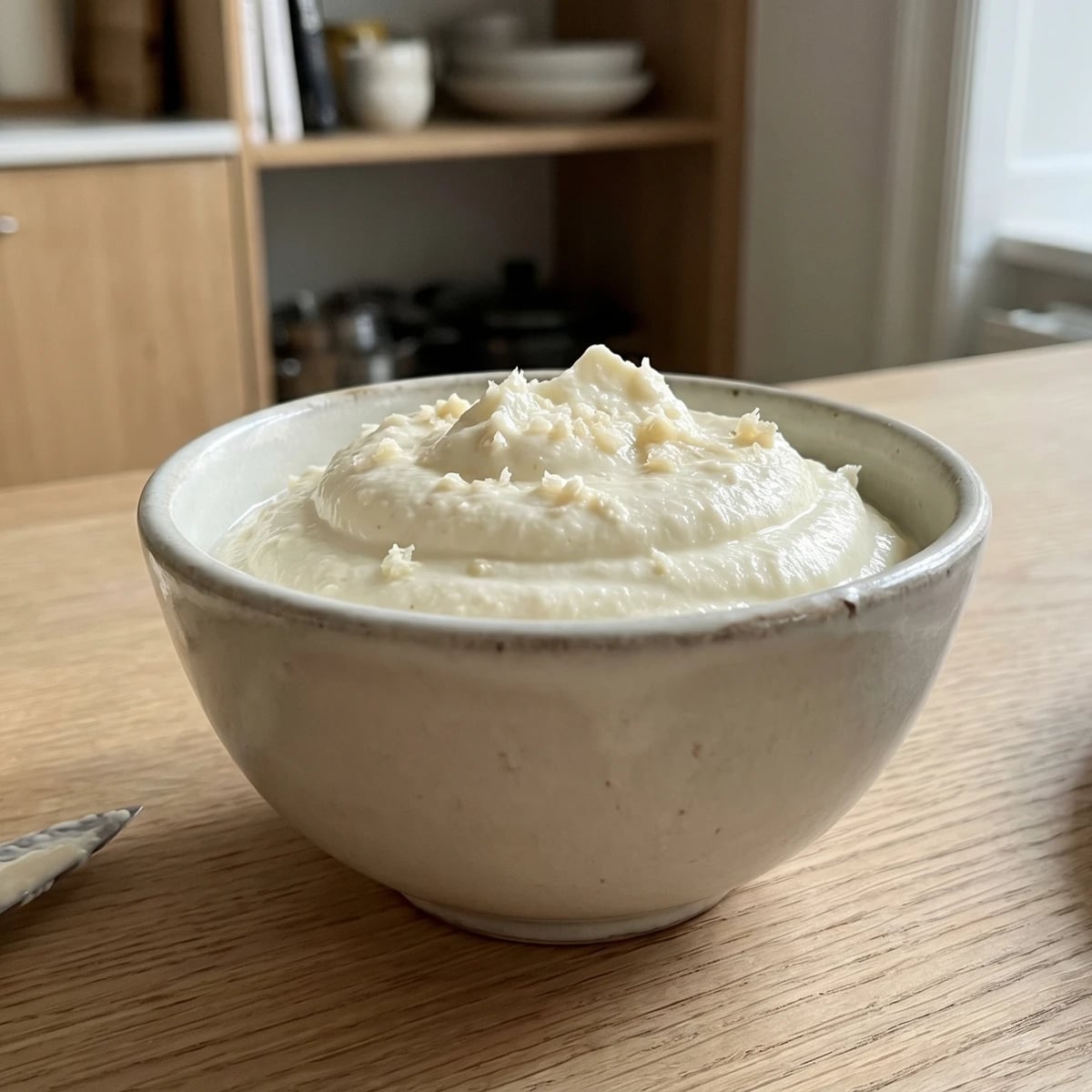
Fresh grated horseradish folded into softly whipped cream with vinegar and a whisper of sugar. The cold, sharp partner that has stood next to Danish roast beef for as long as anyone can remember.
December in Denmark is the month of the roast. Flæskesteg at Christmas, oksesteg on the Sundays leading up to it, cold cuts on rugbrod at julefrokost when the table is crowded and someone is always reaching across for another piece. And next to the meat, always, a bowl of peberrodssauce.
This is not a complicated recipe. It's fresh horseradish, grated fine, folded into cold whipped cream with vinegar and a little sugar. Five minutes of work, six ingredients, and a result that transforms a good roast into the right meal. The cream carries the horseradish's heat without smothering it. The vinegar keeps everything bright. The whole thing should taste clean and sharp and cold, the way a winter condiment should.
Two things matter here, and I'll tell you both now so you can stop worrying about the rest. First: grate the horseradish as fine as you can, and do it just before you use it. The heat lives in the volatile oils, and they start dying the moment the root is cut. Second: fold, don't stir. Stirring kills the air in the cream, and the air is what makes this sauce feel light and alive instead of thick and flat. Get those two things right and the rest follows. This is one of those recipes where confidence comes from understanding what the ingredients are doing, and once you understand it, you'll make it without thinking.
Horseradish (peberrod, literally "pepper root") has grown wild in Denmark since at least the medieval period and was used as a medicinal plant before it entered the kitchen. The pairing of grated horseradish with cream appears in Danish household cookbooks from the mid-1800s, where it is prescribed specifically for boiled and roasted beef. The sauce became inseparable from the Danish julefrokost in the early twentieth century, and regional variations persist: some Jutland kitchens add a spoonful of grated apple for sweetness, while Copenhagen tradition keeps the recipe austere, just horseradish, cream, vinegar, and restraint.
Quantity
100g
peeled and finely grated
Quantity
250ml
38% fat
Quantity
1 tablespoon
Quantity
1 teaspoon
Quantity
1/2 teaspoon
Quantity
pinch
| Ingredient | Quantity |
|---|---|
| fresh horseradish rootpeeled and finely grated | 100g |
| cold heavy cream38% fat | 250ml |
| white wine vinegar | 1 tablespoon |
| caster sugar | 1 teaspoon |
| fine sea salt | 1/2 teaspoon |
| white pepper | pinch |
Peel the horseradish root and grate it on the finest holes of a box grater, or use a microplane. You want a fine, almost wet pulp, not coarse shreds. Coarse shreds stay fibrous in the cream and the texture turns stringy. Fine grating releases the volatile oils evenly, and that's what gives the sauce its clean, steady heat instead of unpredictable bites of fire. Work quickly. The oils that make horseradish sharp begin to fade the moment they hit the air. If your eyes sting and your nose burns, you're doing it right.
Toss the grated horseradish with the vinegar, sugar, and salt in a small bowl. Stir it through and let it sit for two or three minutes. The vinegar does two things: it stabilizes the heat so it doesn't fade as quickly, and it adds a brightness that keeps the cream from tasting flat. The sugar isn't sweetness. It's balance. Without it, the sauce tastes only of sharp and cream, and those two notes need a bridge between them.
Pour the cold cream into a clean, cold bowl and whisk it until it holds soft peaks. Soft peaks, not stiff. The cream should slump gently when you lift the whisk, like a slow wave folding over. If you take it further, the sauce will be dense and pasty instead of light. Peberrodssauce should have body but still move on a spoon. That lightness is the whole point. It's what makes a cold sauce feel alive against warm roast beef.
Add the seasoned horseradish to the whipped cream in one go. Fold it through with a spatula, using long gentle strokes from the bottom of the bowl up and over. Don't stir. Don't whisk. Stirring deflates the cream and you lose the airy texture that makes this sauce what it is. You want the horseradish distributed evenly through the cream, with the whole thing still looking billowy and soft. Ten to twelve folds and you'll see the cream turn very faintly ivory with small flecks throughout. That's when you stop.
Taste the sauce now. The heat should hit the back of the nose first, clean and sharp, then give way to the cool richness of the cream. If it's too mild, grate a little more horseradish directly into the bowl and fold it through. If it's too sharp, add another spoonful of cream. Season with a pinch of white pepper. White pepper because it disappears into the sauce. Black pepper leaves dark specks and a different kind of heat that competes with the horseradish. You'll know when it's right.
Cover the bowl and refrigerate for at least thirty minutes before serving. The cold firms the cream just enough to give the sauce structure on the plate, and it lets the vinegar and horseradish settle into each other. Serve it in a small ceramic bowl alongside roast beef, boiled brisket, or cold smorrebrod. Spoon it generously. This sauce is not a garnish. It's a partner.
1 serving (about 45g)
Culinary guides, cultural storytelling, and the editorial depth that makes cooking meaningful.
Discover Culinary Explorer
Chef Freja
The pan sauce that holds the Danish Christmas plate together. Duck drippings, good stock, cream, and a spoonful of red currant jelly for the tart brightness that makes juleaften taste like itself.

Chef Freja
The patient, mahogany-dark gravy that Danish cooks build from butter, flour, and good stock. It goes over the meat, the potatoes, and the memory of every Sunday dinner you've ever sat down to.

Chef Freja
The classic Danish remoulade, made from scratch with chopped pickles, capers, a whisper of curry, and the particular warm yellow that means someone in the kitchen knows what they're doing.

Chef Freja
The Danish white sauce folded with a handful of fresh dill and balanced with lemon and sugar. Spooned over poached cod and boiled potatoes, it turns a simple plate into the meal that every Dane remembers from someone's kitchen.