
Chef Remy
Arnaud's-Style Oyster Soup
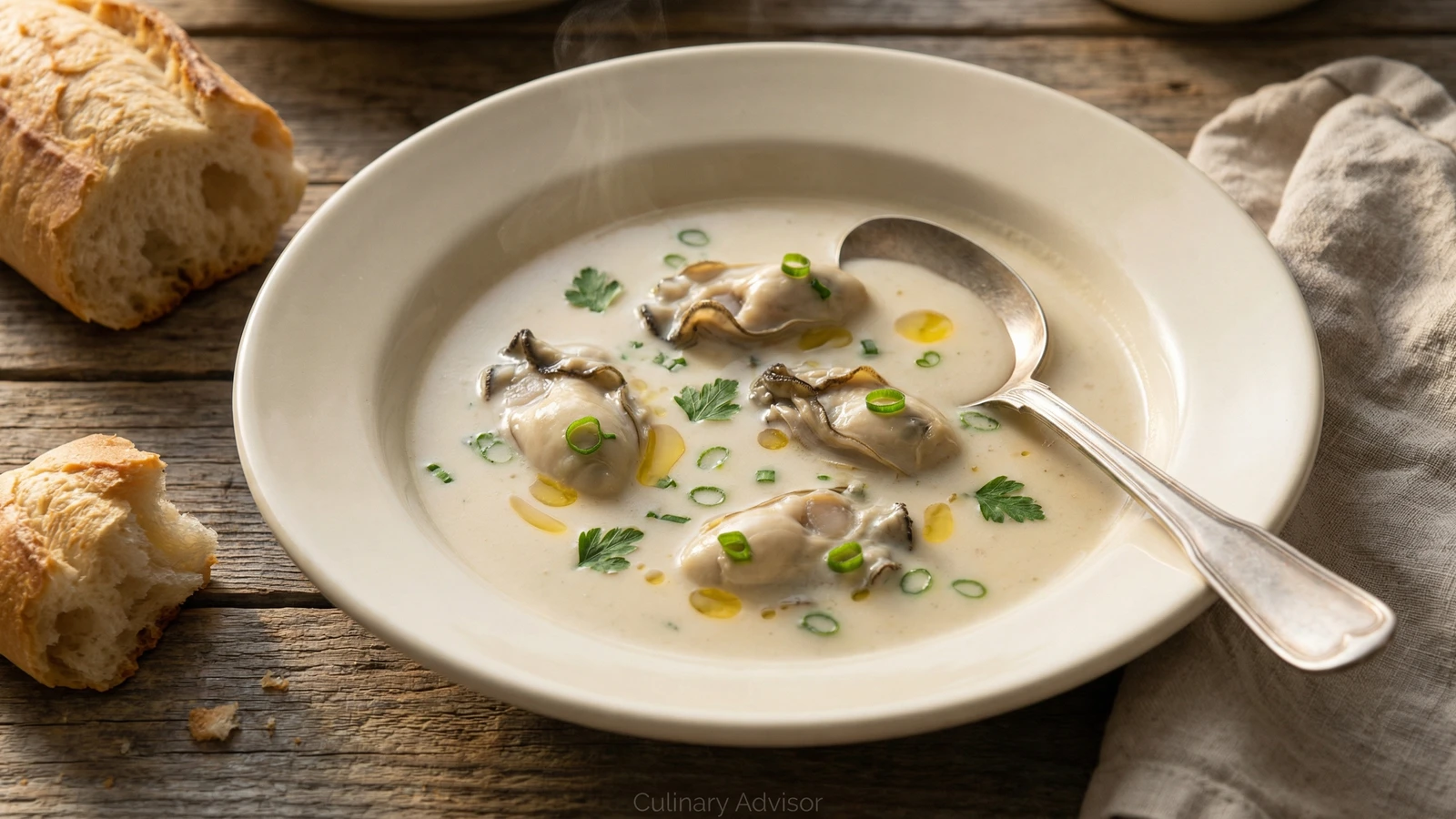
Briny Gulf oysters swimming in a silky cream broth perfumed with celery and green onions, the kind of refined Creole cooking that made New Orleans famous, where simplicity becomes sophistication.
A cooking platform built around craft, culture, and the stories behind what we eat.
Created by Chef Remy
Briny Gulf oysters swimming in a velvety cream bisque, perfumed with that unmistakable New Orleans anise note from Herbsaint, rich enough for your finest table yet honest enough to feel like home.
Oyster bisque is the soul of New Orleans in a bowl. This isn't some fussy restaurant creation. It's the kind of soup my grandmother Evangeline made when company came calling, the dish that proved Creole cooking could stand alongside anything from Paris.
The secret lives in building your flavor base before the cream ever touches the pot. You start with a blonde roux, just deep enough to give body without stealing the show. Then the holy trinity goes in, sweating until sweet and soft. The oyster liquor brings the Gulf into your kitchen. Only after all that foundation work does the cream arrive, and by then you've got something worth finishing.
At Lagniappe, we finish every bowl with Herbsaint, that anise-flavored spirit born right here in New Orleans. One splash transforms the bisque from merely good to unforgettable. The licorice note plays against the brininess of the oysters in a way that makes you understand why this city's cooking stands apart. If you can't find Herbsaint, Pernod works fine, but do yourself a favor and track down the real thing.
Quantity
2 pints (about 24 oysters)
Quantity
4 tablespoons
Quantity
1/4 cup
Quantity
1 medium
finely diced
Quantity
2
finely diced
Quantity
1/2
finely diced
Quantity
4 cloves
minced
Quantity
2 cups
Quantity
1 cup
Quantity
2 cups
Quantity
3 tablespoons
Quantity
1 teaspoon, plus more to taste
Quantity
1/2 teaspoon
Quantity
1/4 teaspoon
Quantity
2
Quantity
1 teaspoon
Quantity
2 tablespoons
finely sliced
Quantity
1 tablespoon
chopped
| Ingredient | Quantity |
|---|---|
| fresh Gulf oysters with liquor | 2 pints (about 24 oysters) |
| unsalted butter | 4 tablespoons |
| all-purpose flour | 1/4 cup |
| yellow onionfinely diced | 1 medium |
| celery stalksfinely diced | 2 |
| green bell pepperfinely diced | 1/2 |
| garlicminced | 4 cloves |
| seafood stock or clam juice | 2 cups |
| dry white wine | 1 cup |
| heavy cream | 2 cups |
| Herbsaint or Pernod | 3 tablespoons |
| kosher salt | 1 teaspoon, plus more to taste |
| white pepper | 1/2 teaspoon |
| cayenne pepper | 1/4 teaspoon |
| bay leaves | 2 |
| fresh thyme leaves | 1 teaspoon |
| fresh chivesfinely sliced | 2 tablespoons |
| fresh parsleychopped | 1 tablespoon |
Strain the oysters over a bowl, reserving every drop of that precious liquor. That liquid is pure ocean flavor, concentrated essence of the Gulf. Pick through the oysters gently, checking for shell fragments. Give them a quick rinse only if you find grit. Set the oysters aside and measure the liquor. You should have about a cup. If you're short, top it up with clam juice.
Melt the butter in a heavy-bottomed Dutch oven over medium heat. When it foams and the foam subsides, whisk in the flour all at once. Keep that whisk moving constantly. For a bisque, you want a blonde roux, the color of peanut butter, which takes about five minutes. You'll smell a nutty, toasted aroma when it's ready. This is where the silky body comes from.
Add the onion, celery, and bell pepper to the roux. The mixture will seize up and get pasty. That's exactly right. Stir constantly and cook until the vegetables soften and turn translucent, about eight minutes. They should smell sweet, not raw. Add the garlic in the last minute. Garlic burns fast, so keep it moving.
Pour in the white wine and watch it bubble furiously as it hits the hot pot. Scrape up any fond stuck to the bottom. This is flavor you've built. Let the wine reduce by half, about three minutes. The sharp alcohol smell should mellow into something softer and more complex.
Stir in the reserved oyster liquor and seafood stock. Add the salt, white pepper, cayenne, bay leaves, and thyme. Bring to a gentle simmer and let it cook uncovered for fifteen minutes. The base will thicken slightly and the flavors will marry. Taste it now. Season it now. The cream will mute everything later, so this base needs to be bold.
Reduce heat to low. Pour in the heavy cream in a slow, steady stream while stirring constantly. You're tempering here, bringing the cream up to temperature without shocking it. Let the bisque simmer gently (never boil) for another ten minutes until it coats the back of a spoon. Remove the bay leaves.
Slip the oysters into the simmering bisque. They need only two to three minutes, just until the edges curl and they plump up. Overcooked oysters turn rubbery, and that's a tragedy nobody should suffer. The moment you see those edges ruffling, pull the pot off the heat.
Stir in the Herbsaint off the heat. That anise perfume will bloom immediately, filling your kitchen with the smell of New Orleans. Taste one more time. Adjust salt if needed. The bisque should be rich, briny, slightly sweet from the cream, with that haunting licorice note dancing at the edges.
Ladle the bisque into warmed bowls, making sure each serving gets four plump oysters. Scatter fresh chives and parsley over the top. A few drops of good butter floated on the surface wouldn't hurt a thing. Serve with crusty French bread for soaking up every last drop. This is the kind of soup that makes people close their eyes.
1 serving (about 280g)
Culinary guides, cultural storytelling, and the editorial depth that makes cooking meaningful.
Discover Culinary ExplorerChef Remy
Briny Gulf oysters swimming in a silky cream broth perfumed with celery and green onions, the kind of refined Creole cooking that made New Orleans famous, where simplicity becomes sophistication.
Chef Remy
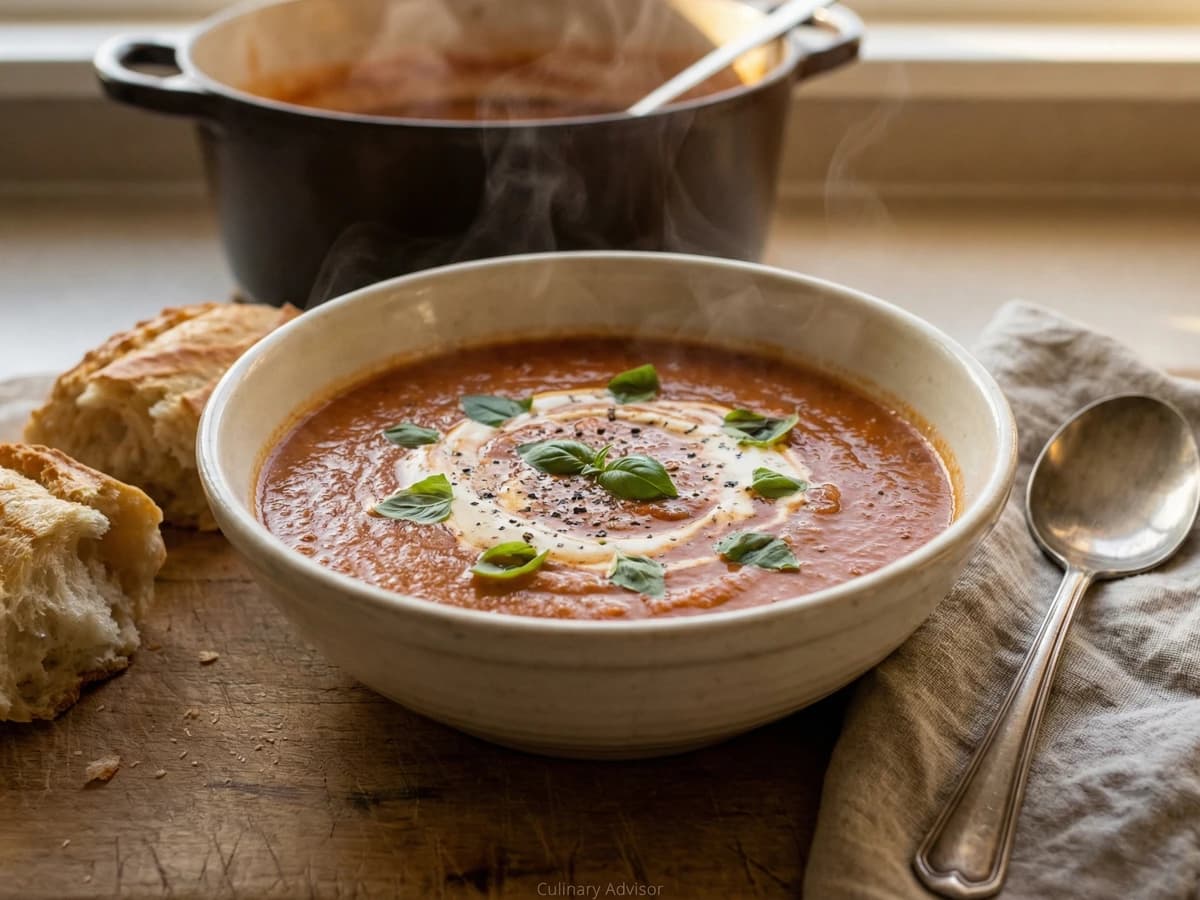
Sun-ripened Creole tomatoes simmered with the holy trinity, kissed with cream, and finished with fresh basil: the taste of a Louisiana summer captured in a bowl.
Chef Remy
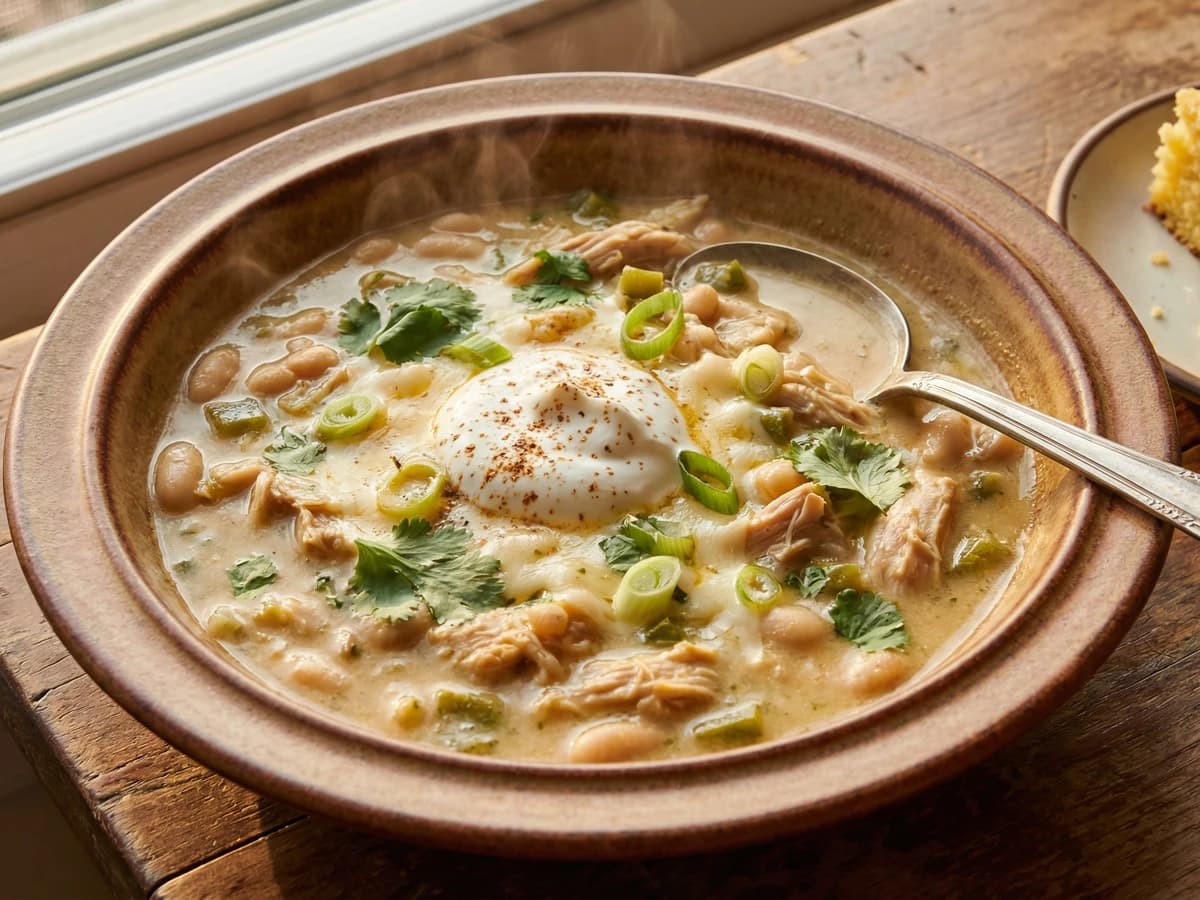
Tender chicken thighs and creamy white beans swimming in a velvety Creole-spiced broth, mild enough for the whole family but packed with the layered flavors that make Louisiana cooking sing.
Chef Remy
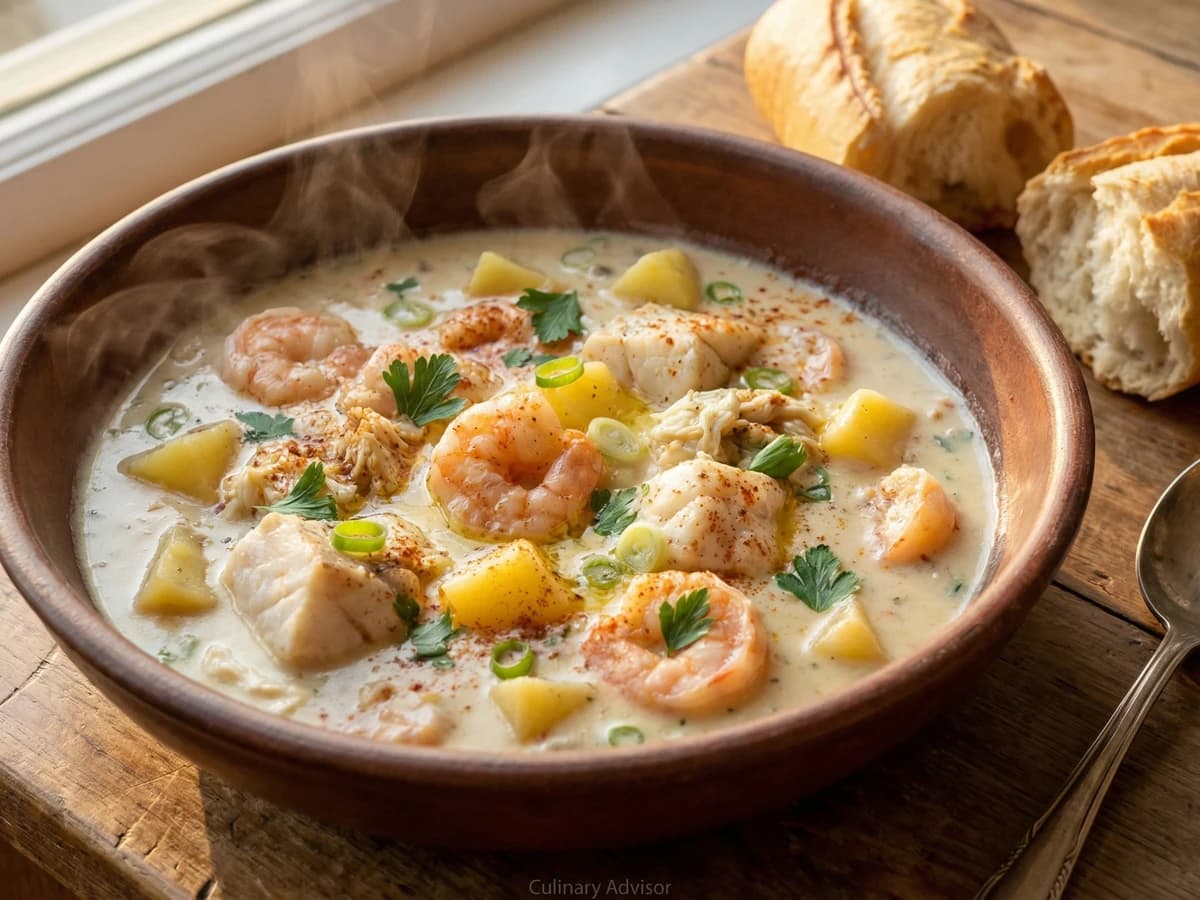
Three treasures of the Gulf (shrimp, crab, and firm white fish) swimming in a silky, Cajun-spiced cream broth with tender potatoes, the kind of bowl that makes you close your eyes and thank the waters that gave it to you.