
Chef Remy
Alligator Sauce Piquante
Chunks of tender gator swimming in a brick-red tomato sauce with enough heat to make you reach for your sweet tea, spooned over rice the way the old Cajun trappers ate it after a long day on the bayou.
A cooking platform built around craft, culture, and the stories behind what we eat.
Created by Chef Remy
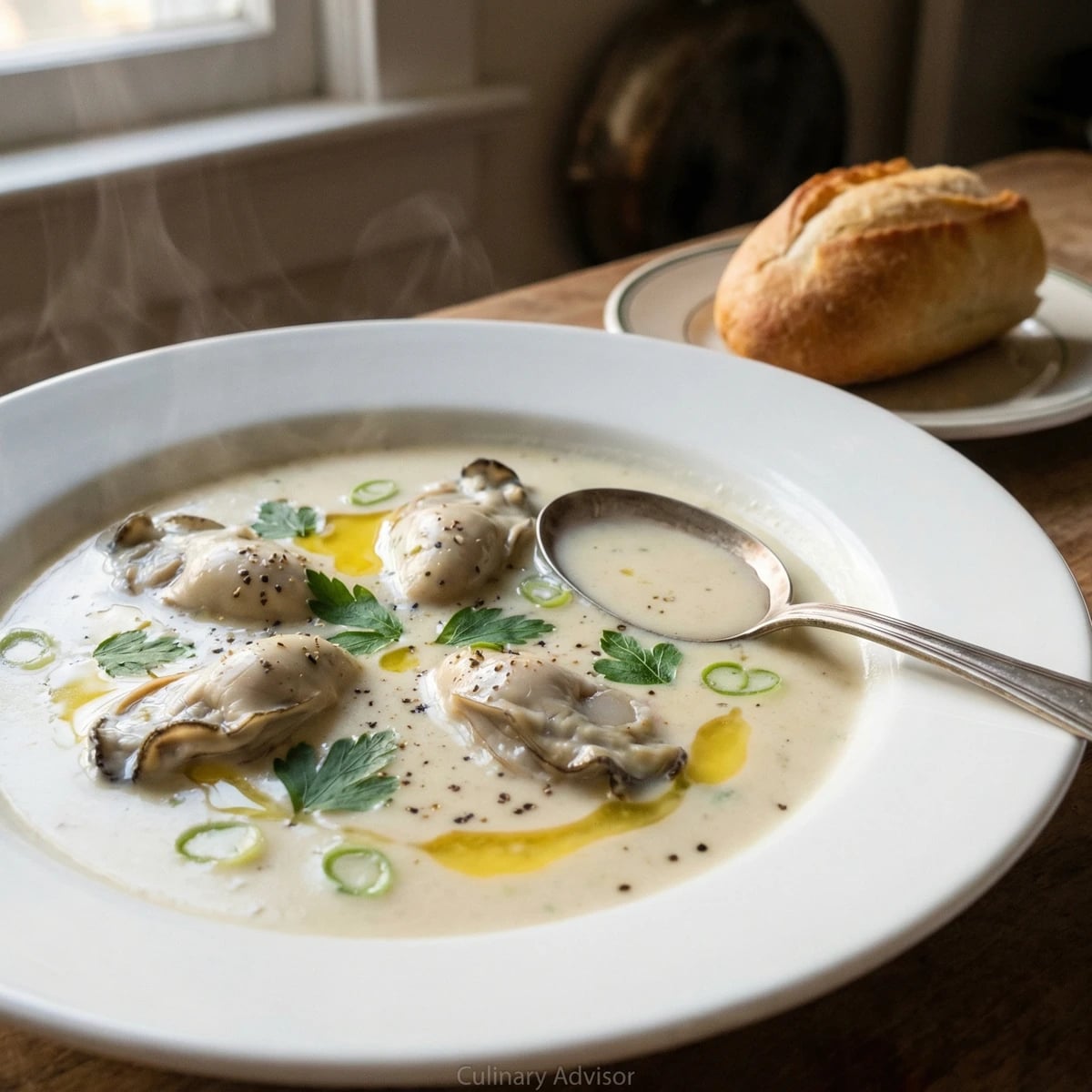
Briny Gulf oysters swimming in a silky cream broth perfumed with celery and green onions, the kind of refined Creole cooking that made New Orleans famous, where simplicity becomes sophistication.
Some dishes demand restraint. That's the lesson the old Creole kitchens taught me. You don't bury Gulf oysters under layers of spice and roux. You let them sing. This soup is about showcasing the oyster, not hiding it.
The technique here is gentle. You build flavor in stages, yes, but with a lighter hand than you'd use for gumbo. The butter takes the aromatics, the stock builds the foundation, and then the cream comes in to round everything out. Only at the very end do the oysters enter the pot. They need just minutes. Cook them too long and they turn rubbery, their liquor lost to the broth instead of concentrated in each bite.
At Lagniappe, we serve this soup as a first course when we want to impress without overwhelming. It's the kind of dish that makes people lean back in their chairs and close their eyes. My grandmother Evangeline called this "company soup" because it looked elegant enough for guests but came together fast enough for a weeknight if you had good oysters on hand. The secret is respecting the ingredient. Fresh Gulf oysters carry the taste of the Louisiana coast in every bite. Your job is to frame that flavor, not compete with it.
Quantity
2 pints (about 24 oysters)
Quantity
4 tablespoons
Quantity
1 cup
finely diced
Quantity
1 cup
white and light green parts thinly sliced, dark green tops reserved
Quantity
2 cloves
minced
Quantity
3 tablespoons
Quantity
3 cups
Quantity
1 cup
Quantity
1/2 cup
Quantity
1/2 teaspoon
Quantity
1/4 teaspoon
Quantity
1 teaspoon, plus more to taste
Quantity
2 tablespoons
Quantity
1 tablespoon
Quantity
2 tablespoons
finely chopped
Quantity
reserved from above
thinly sliced for garnish
| Ingredient | Quantity |
|---|---|
| fresh Gulf oysters with liquor | 2 pints (about 24 oysters) |
| unsalted butter | 4 tablespoons |
| celeryfinely diced | 1 cup |
| green onionswhite and light green parts thinly sliced, dark green tops reserved | 1 cup |
| garlicminced | 2 cloves |
| all-purpose flour | 3 tablespoons |
| seafood stock or clam juice | 3 cups |
| heavy cream | 1 cup |
| whole milk | 1/2 cup |
| white pepper | 1/2 teaspoon |
| cayenne pepper | 1/4 teaspoon |
| kosher salt | 1 teaspoon, plus more to taste |
| dry sherry | 2 tablespoons |
| fresh lemon juice | 1 tablespoon |
| fresh parsleyfinely chopped | 2 tablespoons |
| green onion topsthinly sliced for garnish | reserved from above |
Drain the oysters through a fine-mesh strainer set over a bowl, reserving every drop of that precious liquor. This liquid is concentrated ocean flavor. You'll add it back to the soup later. Pick through the oysters gently, removing any bits of shell. Pat them dry with paper towels and set aside at room temperature. Cold oysters going into hot broth will drop the temperature and extend cooking time.
Melt the butter in a heavy-bottomed Dutch oven or large saucepan over medium heat. When it foams and the foam subsides, add the celery and the white and light green parts of the green onions. Season with a pinch of salt right now. This draws moisture from the vegetables and helps them soften without browning. Cook, stirring occasionally, until the celery is translucent and tender, about five minutes. The kitchen will smell clean and sweet.
Add the minced garlic and stir for thirty seconds, just until fragrant. You'll smell it bloom. Now sprinkle the flour over the vegetables and stir constantly for two minutes. This isn't a dark roux. You want it blond, just cooked enough to lose that raw flour taste. The mixture will look pasty and coat the vegetables evenly.
Pour in the seafood stock in a slow, steady stream, whisking constantly to prevent lumps. Add the reserved oyster liquor. Bring to a gentle simmer, stirring occasionally. The broth will thicken slightly as it heats. Let it simmer for ten minutes to marry the flavors and cook out any remaining flour taste. Taste it. This is your foundation.
Reduce heat to low. Pour in the heavy cream and milk, stirring to combine. Add the white pepper, cayenne, and salt. The soup should be creamy but not heavy, coating a spoon but still flowing easily. Heat until you see the first lazy bubbles around the edges. Do not let it boil. Boiling cream can break and turn grainy.
This is the moment that separates good oyster soup from great oyster soup. Slide the oysters into the simmering broth. Watch them. Within two to three minutes, the edges will curl and ruffle, and the oysters will become plump and firm. The second you see those edges curl, your oysters are done. Pull the pot off the heat immediately. Overcooking is the enemy here.
Remove the pot from heat. Stir in the dry sherry and lemon juice. The sherry adds depth, the lemon brightens everything. Taste the soup now. Adjust salt if needed. The broth should taste like a refined version of the sea, creamy and aromatic with celery and onion notes, finished with gentle warmth. Stir in the fresh parsley.
Ladle the soup into warmed shallow bowls, making sure each portion gets four oysters. Scatter the reserved green onion tops over each bowl. Serve with crusty French bread for soaking up the last drops of broth. This soup waits for no one. The oysters continue to cook in the hot liquid, so bring it to the table the moment it's ready.
1 serving (about 340g)
Culinary guides, cultural storytelling, and the editorial depth that makes cooking meaningful.
Discover Culinary Explorer
Chef Remy
Chunks of tender gator swimming in a brick-red tomato sauce with enough heat to make you reach for your sweet tea, spooned over rice the way the old Cajun trappers ate it after a long day on the bayou.

Chef Remy
Fork-tender beef chunks swimming in a dark roux gravy with potatoes and carrots, seasoned bold the way we do it in Louisiana, the kind of stew that makes you close your eyes and forget your troubles.

Chef Remy
Humble butter beans transformed by smoky tasso ham, the holy trinity, and patient simmering into a velvety stew that warms you from the inside out, the kind of bowl that makes you want seconds before you've finished firsts.

Chef Remy
Tender bone-in chicken simmered low and slow in a rich peanut-butter roux gravy with Yukon Gold potatoes and the holy trinity, the kind of simple Cajun supper that's been warming Louisiana families for generations.