
Chef Remy
Bananas Foster Cheesecake
New Orleans' most famous dessert transformed into a showstopping cheesecake, with layers of buttery caramelized bananas, dark rum caramel, and a silky filling so rich it could make Brennan's jealous.
A cooking platform built around craft, culture, and the stories behind what we eat.
Created by Chef Remy
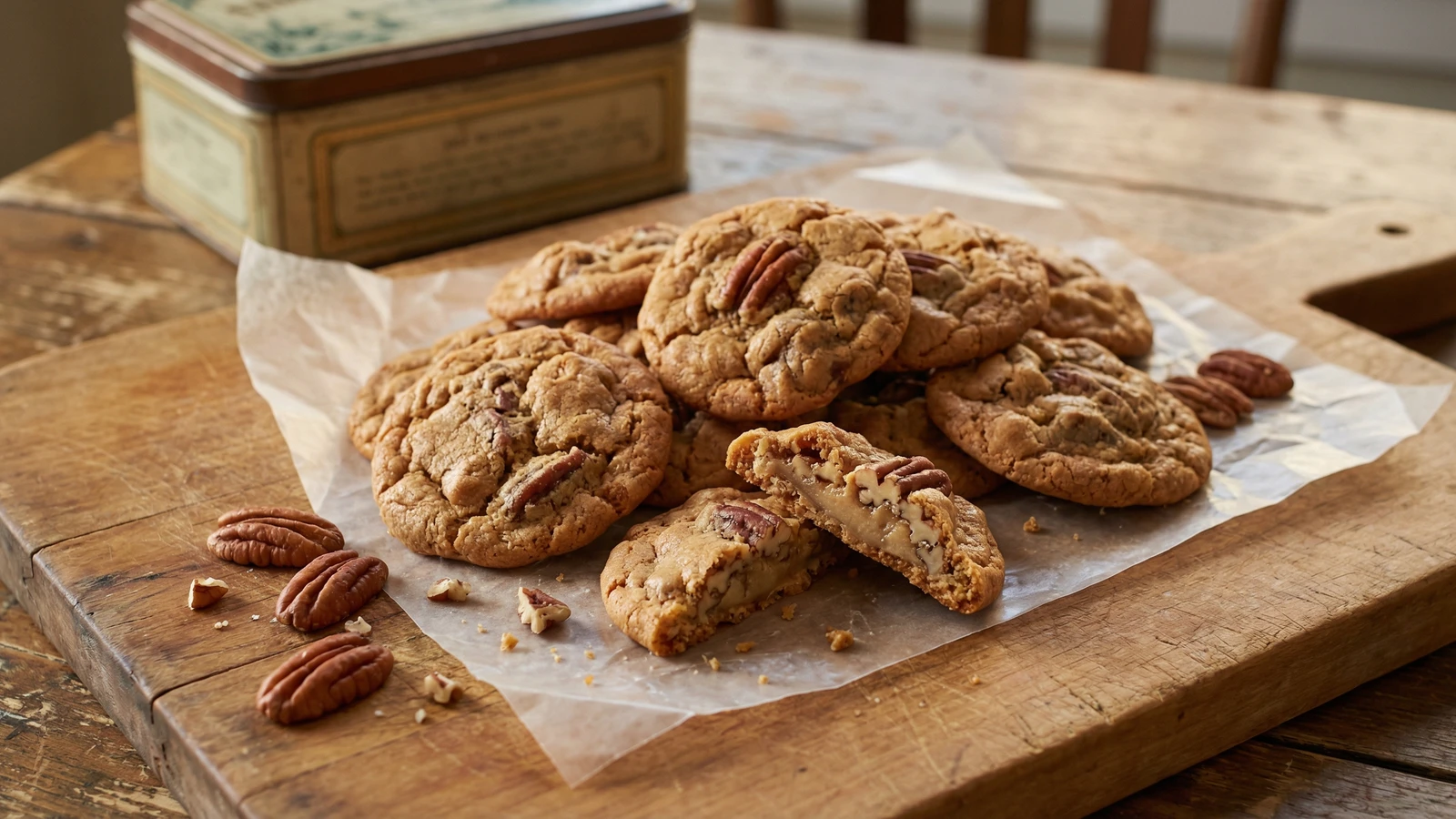
Creamy pecan candies born in the French Quarter, where brown sugar and butter come together in a confection so rich and tender it dissolves on your tongue, leaving nothing but sweetness and the memory of toasted pecans.
Pralines are New Orleans in candy form. The French brought the technique from their homeland, the Creoles made it their own with local pecans, and the praline vendors of the French Quarter turned it into an art form. I can still hear them calling from the corners of Jackson Square when I was a boy visiting the city with my grandmother Evangeline.
The secret to a proper praline is patience and attention. You are making candy, and candy demands respect. The sugar must reach the right temperature, then the mixture must be beaten at precisely the right moment. Beat too soon and the pralines will not set. Beat too long and you will have a pot of crystallized sugar that refuses to drop. But hit that window, that perfect moment when the mixture loses its shine and turns creamy, and you will understand why praline vendors have been making their living on these streets for two hundred years.
At Lagniappe, we send every guest home with a praline wrapped in wax paper. It is our way of saying thank you, the little something extra that the word lagniappe means. My grandmother used to say that the best gifts are the ones you make with your own hands. A praline is exactly that: butter, sugar, cream, and pecans transformed by fire and time into something that tastes like love.
Quantity
1 1/2 cups (300g)
Quantity
1 1/2 cups (330g)
packed
Quantity
1 cup (240ml)
Quantity
6 tablespoons (85g)
cut into pieces
Quantity
2 cups (200g)
lightly toasted
Quantity
1 teaspoon
Quantity
1/8 teaspoon
| Ingredient | Quantity |
|---|---|
| granulated sugar | 1 1/2 cups (300g) |
| light brown sugarpacked | 1 1/2 cups (330g) |
| heavy cream | 1 cup (240ml) |
| unsalted buttercut into pieces | 6 tablespoons (85g) |
| pecan halveslightly toasted | 2 cups (200g) |
| pure vanilla extract | 1 teaspoon |
| fine sea salt | 1/8 teaspoon |
Line two baking sheets with parchment paper or silicone mats. Have your toasted pecans, vanilla, and salt measured and ready beside the stove. Once the candy reaches temperature, you have about two minutes before it sets. There is no time to hunt for ingredients. Everything must be within arm's reach.
Add both sugars and the heavy cream to a heavy-bottomed 3-quart saucepan. A heavy pot distributes heat evenly and prevents hot spots that burn sugar. Stir with a wooden spoon until the sugars dissolve and the mixture is smooth. Set over medium heat.
Clip a candy thermometer to the side of the pot, making sure the tip does not touch the bottom. Cook, stirring occasionally, until the mixture reaches 236 to 238 degrees Fahrenheit. This is the soft ball stage. The mixture will bubble vigorously and deepen to the color of caramel. The whole process takes 15 to 20 minutes. Do not walk away.
The moment the thermometer hits 236 degrees, remove the pot from the heat. Add the butter pieces all at once. The mixture will bubble and foam dramatically. This is normal. Let the butter melt into the hot candy without stirring for about 30 seconds.
Add the vanilla, salt, and toasted pecans. Now stir vigorously with a wooden spoon. Keep stirring. The mixture will go from glossy and thin to matte and thick. You will feel it start to resist the spoon. This takes 2 to 3 minutes of steady stirring. When the candy begins to lose its shine and thicken like cake frosting, it is ready to drop.
Working quickly, drop heaping tablespoons of the mixture onto your prepared baking sheets, spacing them 2 inches apart. The candy should spread into rough circles about 3 inches across. If the mixture hardens in the pot before you finish, add a tablespoon of hot water and stir to loosen it.
Let the pralines sit undisturbed at room temperature until completely set, about 20 to 30 minutes. They should lift cleanly from the parchment. The texture should be creamy and slightly crumbly, never hard or sticky. A proper praline melts on your tongue with a rush of butter, brown sugar, and toasted pecan.
1 serving (about 44g)
Culinary guides, cultural storytelling, and the editorial depth that makes cooking meaningful.
Discover Culinary ExplorerChef Remy
New Orleans' most famous dessert transformed into a showstopping cheesecake, with layers of buttery caramelized bananas, dark rum caramel, and a silky filling so rich it could make Brennan's jealous.
Chef Remy
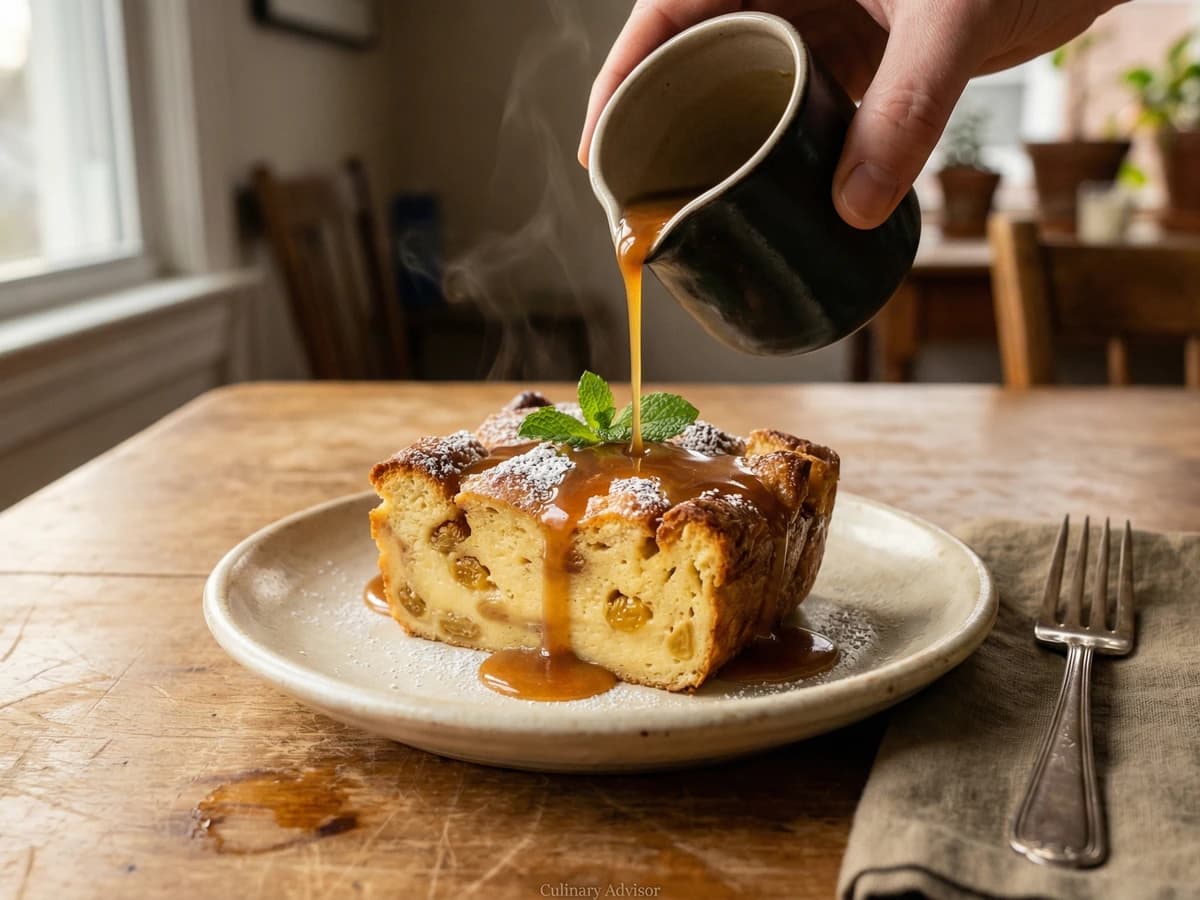
Stale French bread reborn in a bath of vanilla custard, baked until golden and trembling, then baptized tableside with a sinfully rich bourbon sauce that pools into every crevice

Chef Remy
Silky bittersweet chocolate custard steeped with chicory coffee from a New Orleans morning, baked low and slow until it trembles like velvet, served cold with clouds of sweetened cream.

Chef Remy
Louisiana's beloved tangy fresh cheese transformed into a silky frozen custard that tastes like a summer afternoon on a New Orleans porch, where the sweetness and tartness dance together in every cold, creamy spoonful.