
Chef Dean
Affogato
Hot espresso meets frozen gelato in a collision of temperature and texture that Italians perfected centuries ago. Two ingredients. Thirty seconds. A dessert worthy of standing ovations.
A cooking platform built around craft, culture, and the stories behind what we eat.

Created by
Shards of frozen Meyer lemon that shatter on the tongue, lifted by the unexpected green of fresh basil, proof that winter citrus needs almost nothing to become a perfect ending.
Meyer lemons arrive in winter when we need them most. They are smaller than regular lemons, rounder, with skin the color of an egg yolk and a fragrance that stops you in the market. Part lemon, part mandarin, entirely their own thing. This is a fruit worth waiting for.
Granita is the simplest frozen dessert, older than ice cream and more honest. You are not churning air into cream or stabilizing anything. You are freezing sweetened fruit juice and scraping it into crystals. The technique rewards attention, not skill. Every thirty minutes you drag a fork through the pan. That is all.
The basil seems unexpected until you taste it. Lemon and basil grow in the same gardens, share the same bright afternoons. They belong together. Tear the leaves at the last moment so their oils hit your nose as the ice hits your tongue. This is a dessert that tastes like a place, like a season, like paying attention to what is good right now.
Quantity
6-8 (about 1 cup fresh juice)
Quantity
3/4 cup (150g)
Quantity
2 cups
Quantity
1/4 teaspoon
Quantity
1 tablespoon
Quantity
8-10
torn
| Ingredient | Quantity |
|---|---|
| Meyer lemons | 6-8 (about 1 cup fresh juice) |
| granulated sugar | 3/4 cup (150g) |
| water | 2 cups |
| fine sea salt | 1/4 teaspoon |
| Meyer lemon zest | 1 tablespoon |
| fresh basil leavestorn | 8-10 |
Hold each Meyer lemon in your hand. It should feel heavy for its size, the skin thin and yielding slightly under gentle pressure. Sniff the stem end. A ripe Meyer lemon smells floral and sweet, somewhere between a lemon and a tangerine. This fragrance is the whole point. If your lemons are hard and have no perfume, wait for better ones.
Combine water and sugar in a small saucepan over medium heat. Stir until the sugar dissolves completely, about three minutes. You are not cooking anything here, just creating a vehicle for the lemon. The moment the liquid turns clear, remove from heat. Let it cool to room temperature.
Zest the lemons before cutting them. Use a microplane and work in one direction, rotating the fruit as you go. Stop when you see white pith. Cut the lemons in half and juice them through a fine strainer, pressing gently on the pulp. You need one cup of juice. Taste it. Good Meyer lemon juice should be bright but not punishing, with a floral sweetness that regular lemons lack.
Whisk the lemon juice and zest into the cooled syrup. Add the salt. This small amount does not make the granita taste salty. It amplifies the lemon and makes the sweetness feel more alive. Taste again. The mixture should be intensely lemony, a touch sweeter than you want in the finished dish. Freezing dulls sweetness.
Pour the mixture into a shallow metal baking pan, no more than one inch deep. Metal conducts cold better than glass or ceramic. Place the pan flat in your freezer. Set a timer for forty-five minutes.
After forty-five minutes, ice crystals will have formed around the edges. Drag a fork through the entire pan, scraping the frozen edges toward the still-liquid center and breaking up any solid sheets. Return to the freezer. Repeat this scraping every thirty to forty minutes for the next three hours. Each pass creates more distinct crystals. The finished granita should look like a pile of glittering snow, not a solid block.
Scrape the granita into chilled glasses or bowls, mounding it loosely. Tear the basil leaves directly over each serving, letting them fall where they will. The warmth of your fingers releases the oils. Serve immediately. Granita waits for no one.
1 serving (about 145g)
Culinary guides, cultural storytelling, and the editorial depth that makes cooking meaningful.
Discover Culinary ExplorerChef Dean
Hot espresso meets frozen gelato in a collision of temperature and texture that Italians perfected centuries ago. Two ingredients. Thirty seconds. A dessert worthy of standing ovations.

Chef Dean
Layers of espresso-soaked ladyfingers and cloud-like mascarpone cream, dusted with bittersweet cocoa. This is the dessert that makes hosts look brilliant and requires nothing more than a whisk and good ingredients.
Chef Ally
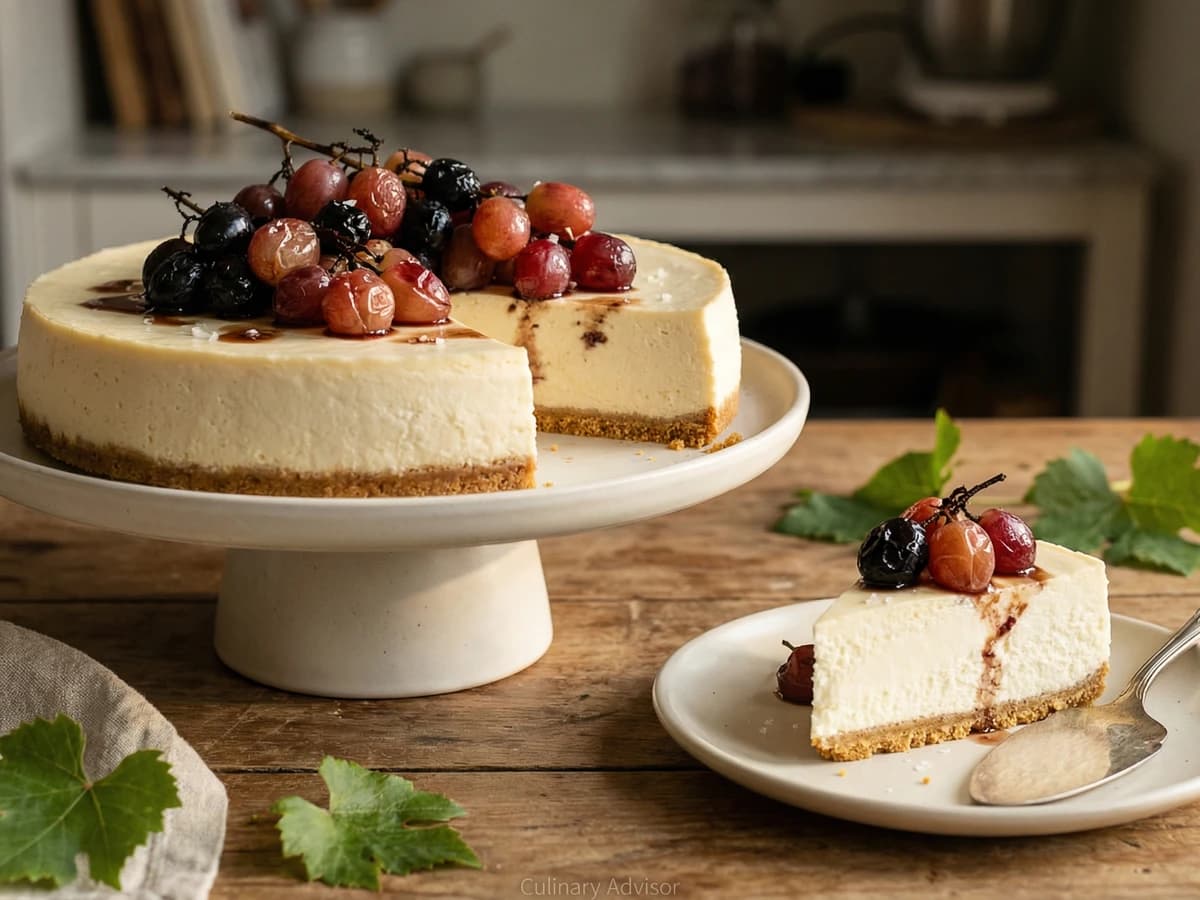
A cloud of Italian mascarpone set over a buttery crust, crowned with clusters of roasted autumn grapes that have surrendered their sweetness to the heat and emerged caramelized, bursting, and deeply alive.

Chef Ally
Silky frozen custard infused with grassy, peppery California olive oil, then finished with crystals of flaky sea salt that dissolve on your tongue and make the fruit of the olive sing.