
Chef Graziella
Besciamella all'Italiana
The mother sauce of Italian baked pastas, transformed from simple butter, flour, and milk into silk through patient whisking and the essential warmth of nutmeg.
A cooking platform built around craft, culture, and the stories behind what we eat.

Created by
The mother sauce of cold preparations, made by hand with egg yolks and olive oil whisked into a stable emulsion. This is technique, not cooking. The arm remembers what the mind forgets.
Mayonnaise is an emulsion. Two substances that do not want to combine, egg yolk and oil, forced into unity through mechanical action. Understanding this is the first step. The second step is patience.
I have watched students fail at mayonnaise because they were in a hurry. They added oil too quickly, they did not whisk with enough vigor, they used cold eggs straight from the refrigerator. The emulsion breaks. They stare at the curdled mess and ask what went wrong. Everything went wrong. They did not respect the process.
Italians use mayonnaise as a foundation. It accompanies bollito misto, the grand boiled meat platter of the north. It binds the tuna sauce for vitello tonnato. It dresses cold vegetables in insalata russa. These dishes demand real mayonnaise, made by hand, with good olive oil and fresh eggs. The commercial product in jars is not mayonnaise. It is something else entirely.
The name mayonnaise likely derives from Mahón, the capital of Menorca, where French forces encountered a local sauce after capturing the city in 1756. Whether the sauce traveled to France or was invented there remains disputed. What is certain is that Italian cooks adopted it for their cold preparations, particularly in the north, where it became essential to the antipasto table and the grand bollito misto of Piedmont and Emilia-Romagna.
Quantity
2
at room temperature
Quantity
1/2 teaspoon
Quantity
1/2 teaspoon
Quantity
1 cup
at room temperature
Quantity
1 tablespoon
Quantity
1 teaspoon
| Ingredient | Quantity |
|---|---|
| large egg yolksat room temperature | 2 |
| fine sea salt | 1/2 teaspoon |
| Dijon mustard | 1/2 teaspoon |
| mild extra virgin olive oilat room temperature | 1 cup |
| fresh lemon juice | 1 tablespoon |
| warm water | 1 teaspoon |
Set the egg yolks on the counter at least one hour before you begin. Cold yolks will not emulsify properly. This is chemistry, not suggestion. The oil must also be at room temperature. Measure everything before you start. Once you begin whisking, you cannot stop to hunt for the lemon juice.
Place the egg yolks, salt, and mustard in a medium bowl. The bowl should be heavy enough to stay still while you whisk with vigor. Set it on a damp kitchen towel to prevent spinning. Whisk the yolks until they thicken slightly and turn pale yellow, about one minute. The mustard is not for flavor. It contains lecithin, which helps the emulsion hold.
Here is where patience matters. Add the oil one drop at a time, whisking constantly. I mean this literally. One drop, whisk, one drop, whisk. Do this for the first quarter cup of oil. If you rush, the emulsion will break and you will have a bowl of greasy yellow liquid. There are no shortcuts. This takes approximately five minutes.
Once you have incorporated the first quarter cup and the mixture looks thick and creamy, you may add the remaining oil in a very thin, steady stream, whisking constantly. Very thin. The width of a pencil lead. Continue until all the oil is incorporated. The mayonnaise should be thick enough to hold soft peaks when you lift the whisk.
Whisk in the lemon juice. The mayonnaise will loosen slightly and brighten in color. Add the warm water. This stabilizes the emulsion and lightens the texture. Taste for salt. The mayonnaise should taste clean and bright, with the olive oil present but not overwhelming.
Transfer to a clean glass jar and press plastic wrap directly onto the surface to prevent a skin from forming. Refrigerate immediately. The mayonnaise will thicken further as it chills. Use within five days. If it separates slightly, whisk it back together before serving.
1 serving (about 23g)
Culinary guides, cultural storytelling, and the editorial depth that makes cooking meaningful.
Discover Culinary ExplorerChef Graziella
The mother sauce of Italian baked pastas, transformed from simple butter, flour, and milk into silk through patient whisking and the essential warmth of nutmeg.

Chef Graziella
The foundation of Italian cooking, made as it has been made for generations: a whole chicken, honest vegetables, cold water, and three hours of patient simmering. This is where flavor begins.

Chef Graziella
Three ingredients. No garlic. No dried oregano. No sugar. This is what Italians actually put on their salads, and it requires nothing more than quality and balance.
Chef Graziella
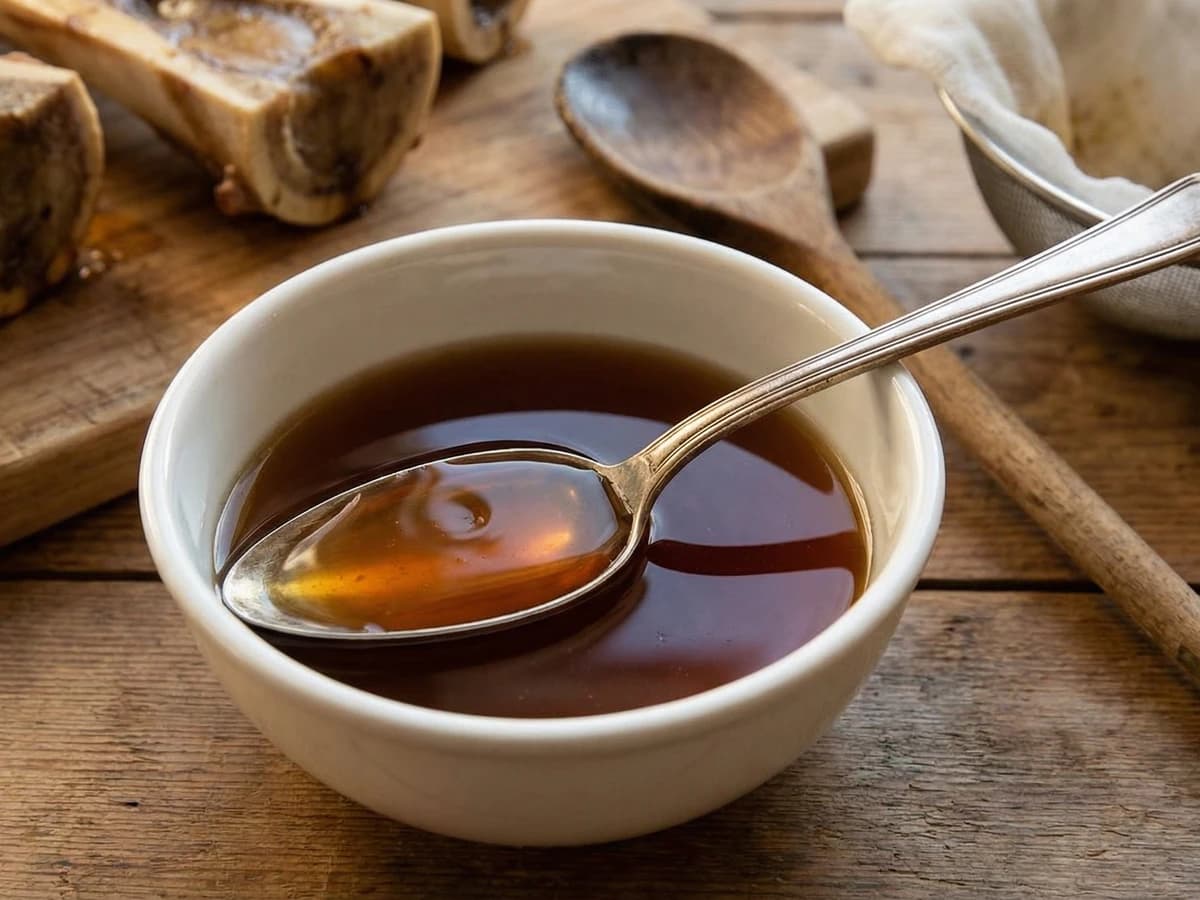
The brown stock that forms the backbone of Italian meat cookery. Hours of roasting and simmering extract every trace of flavor from bone and sinew, creating liquid gold that transforms ordinary sauces into extraordinary ones.