Chef Thomas
Anchovy Sauce
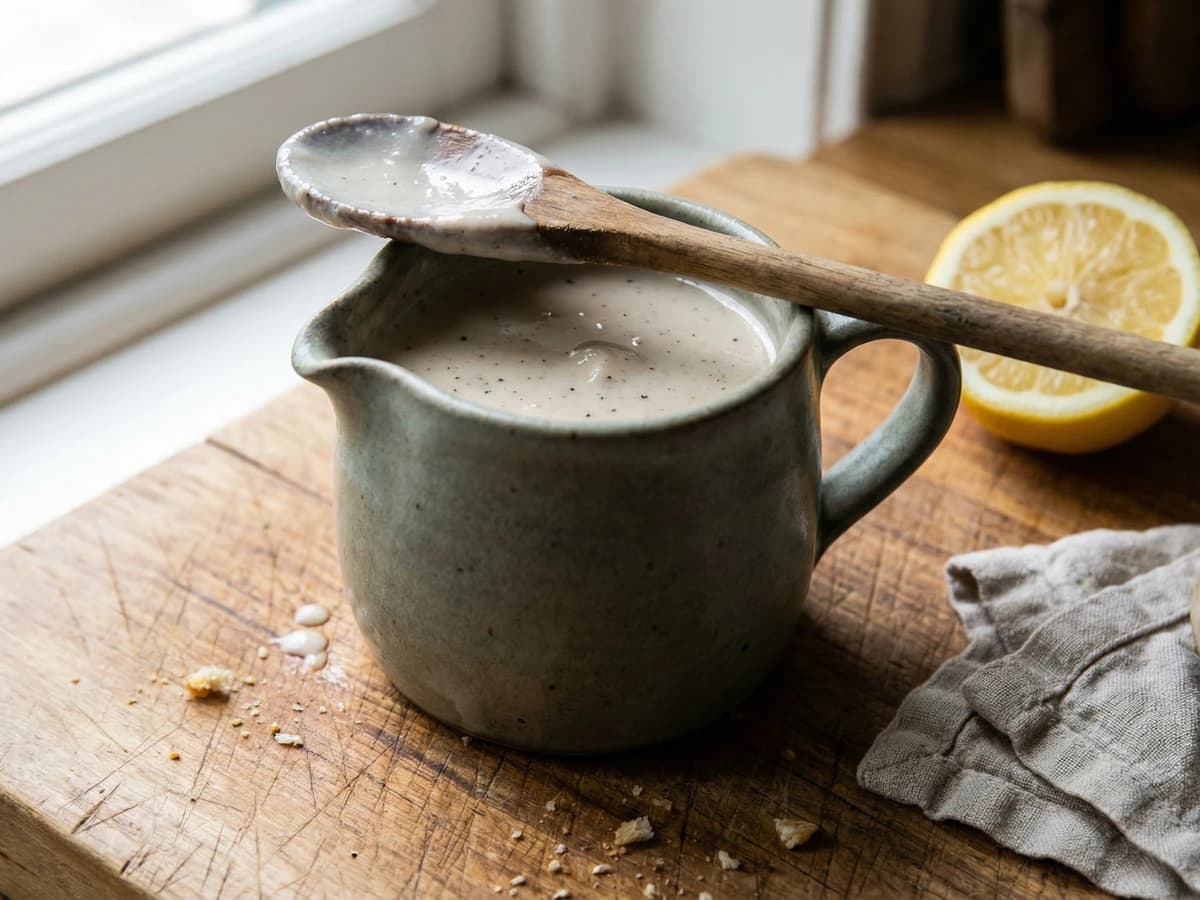
A proper white sauce sharpened with pounded anchovy, the old Georgian trick for waking up a piece of poached fish or a slice of roast lamb on a Sunday in spring.
A cooking platform built around craft, culture, and the stories behind what we eat.

Created by Chef Thomas
A sharp, soft purée of green gooseberries stewed with butter, the old English answer to oily mackerel and rich meats, and one of the few sauces that tastes exactly like the few weeks it belongs to.
Gooseberries come and go in a hurry. There's a window in late June and into July when the bushes are heavy with hard green fruit, and if you blink you miss it. The market has them for a fortnight, maybe three weeks in a generous year, and then they're gone until next summer. So when they appear, you buy them. You don't ask what for. You just bring them home and decide later.
This is what I make first. A sharp green sauce, barely sweetened, the kind that sits on the side of a plate and does the job no other condiment can quite manage. It cuts through oily fish like a clean knife. It tames the fat of roast pork. It sits next to a piece of grilled mackerel and makes the whole plate make sense. There's a reason the bird is called a gooseberry: someone, centuries ago, worked out that the sourness of the fruit was the best possible answer to the richness of a goose, and the name stuck.
It takes fifteen minutes once the topping and tailing is done, which is the only fiddly bit and not really fiddly at all if you put the radio on. The fruit collapses in butter and a spoonful of sugar, and you're left with something pale green and softly tart, with little flecks of skin holding their shape. A recipe is a conversation, not a contract. Taste as you go. Some gooseberries are sharper than others, and the sugar should answer the fruit, not bury it.
I wrote it down in the notebook the first year I made it: "Gooseberries. Mackerel. Friday. The garden full of greenfly." It didn't need more than that.
Quantity
400g
topped and tailed
Quantity
30g
Quantity
2 tablespoons, plus more to taste
Quantity
1 tablespoon
Quantity
pinch
Quantity
small grating
| Ingredient | Quantity |
|---|---|
| hard green gooseberriestopped and tailed | 400g |
| unsalted butter | 30g |
| caster sugar | 2 tablespoons, plus more to taste |
| water | 1 tablespoon |
| fine sea salt | pinch |
| nutmeg (optional) | small grating |
Sit at the kitchen table with a small knife and a bowl. Pinch off the dry stalk at one end and the little brown nub of flower at the other. It's a slow job and there's no shortcut for it. Put the radio on. The gooseberries should be hard and green and almost translucent against the light, the kind that squeak slightly when you press them.
Melt the butter in a small heavy-bottomed pan over a low heat. Tip in the gooseberries, the water, and the sugar, then a small pinch of salt. Stir once and put a lid on. Leave them alone for five minutes or so. You'll hear them start to hiss and pop as the skins give way.
Take the lid off and stir. The gooseberries will have begun to collapse, releasing their pale green juice. Cook on uncovered for another five to ten minutes, stirring now and then, until the fruit has broken down into a soft, fluffy mush. Some skins will hold their shape. That's fine. This isn't meant to be smooth.
Take the pan off the heat. Taste it. It should be sharp enough to make you blink, but not so sharp that it stings. If it's too fierce, add another pinch of sugar and stir it through. Go slowly. You're not making jam. You want the sauce to keep its edge, because the whole reason it exists is to cut through something rich. A small grating of nutmeg, if you like. Then taste again.
Spoon into a small bowl or a stoneware jug and serve alongside grilled mackerel, roast pork, a piece of duck, or anything fatty enough to need a sharp green companion. It's good warm from the pan, and equally good at room temperature an hour later. A dollop on the plate, not a flood.
1 serving (about 70g)
Culinary guides, cultural storytelling, and the editorial depth that makes cooking meaningful.
Discover Culinary ExplorerChef Thomas
A proper white sauce sharpened with pounded anchovy, the old Georgian trick for waking up a piece of poached fish or a slice of roast lamb on a Sunday in spring.

Chef Thomas
A spiced autumn chutney made from a glut of apples and a quiet afternoon, simmered down until the kitchen smells of October and the jars line up on the counter like a small, useful insurance policy.
Chef Thomas
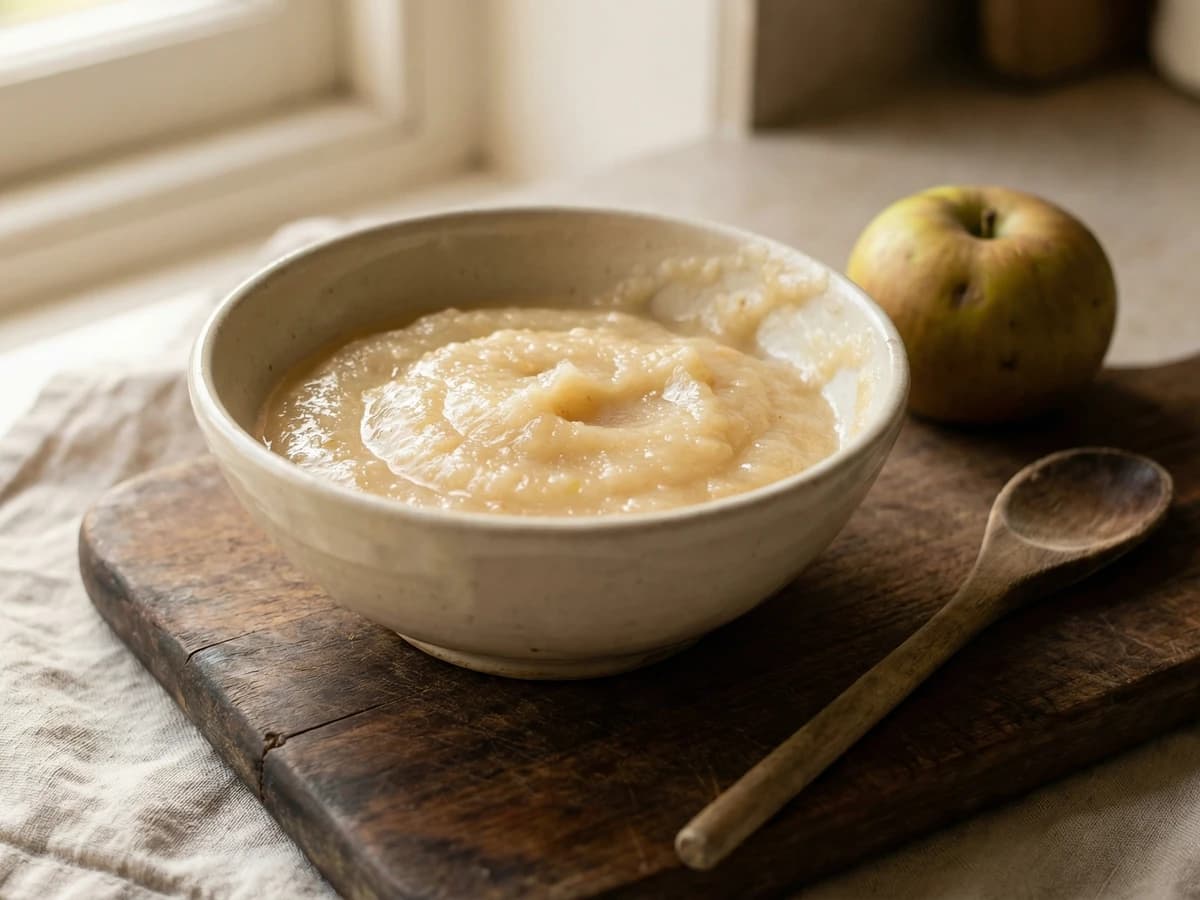
A bowl of sharp, fluffy Bramley apple sauce, made in the time it takes to carve the pork, the kind of small condiment that quietly makes the whole meal make sense.
Chef Thomas
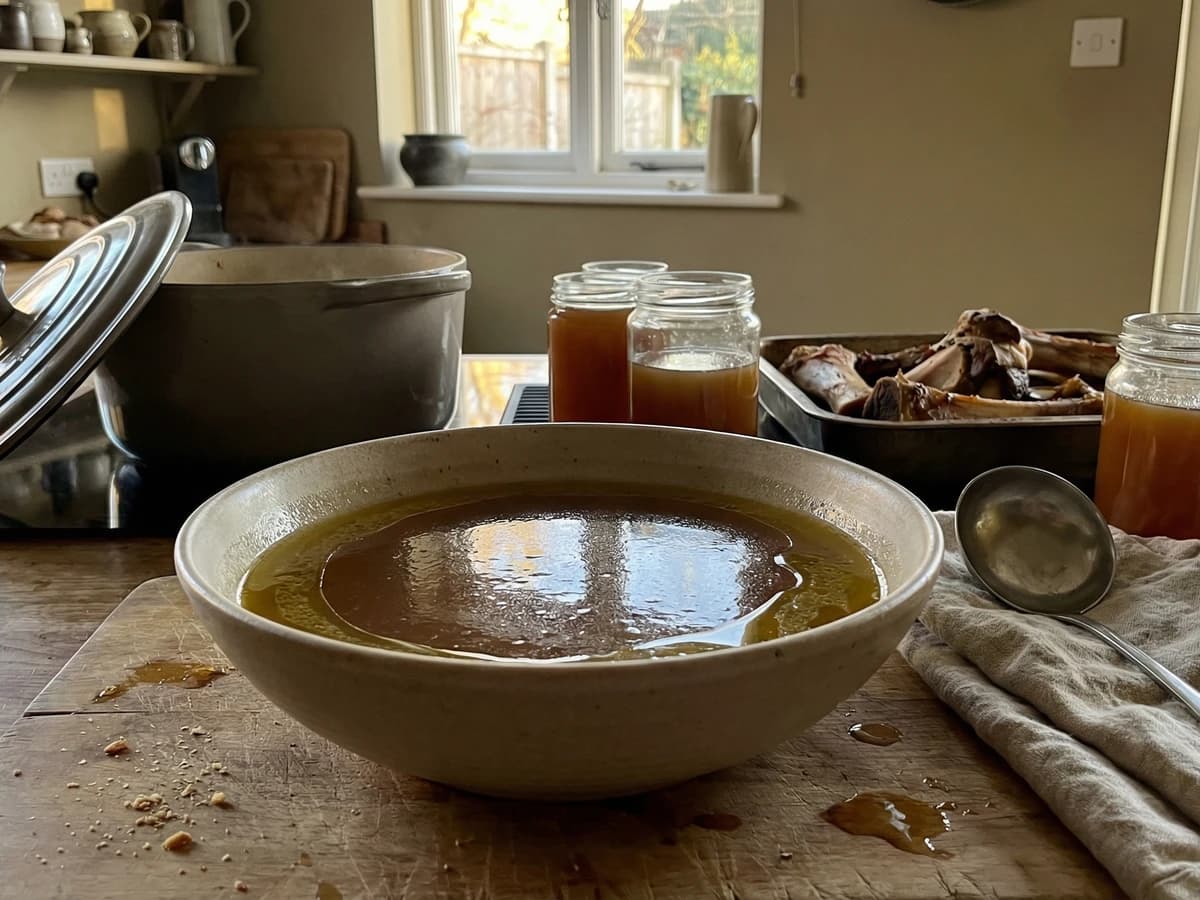
Beef bones roasted until dark, then coaxed for a long afternoon into a deep amber stock, the foundation of every good gravy, every braise, every bowl of winter soup worth the trouble.