Chef Juliana
Abará
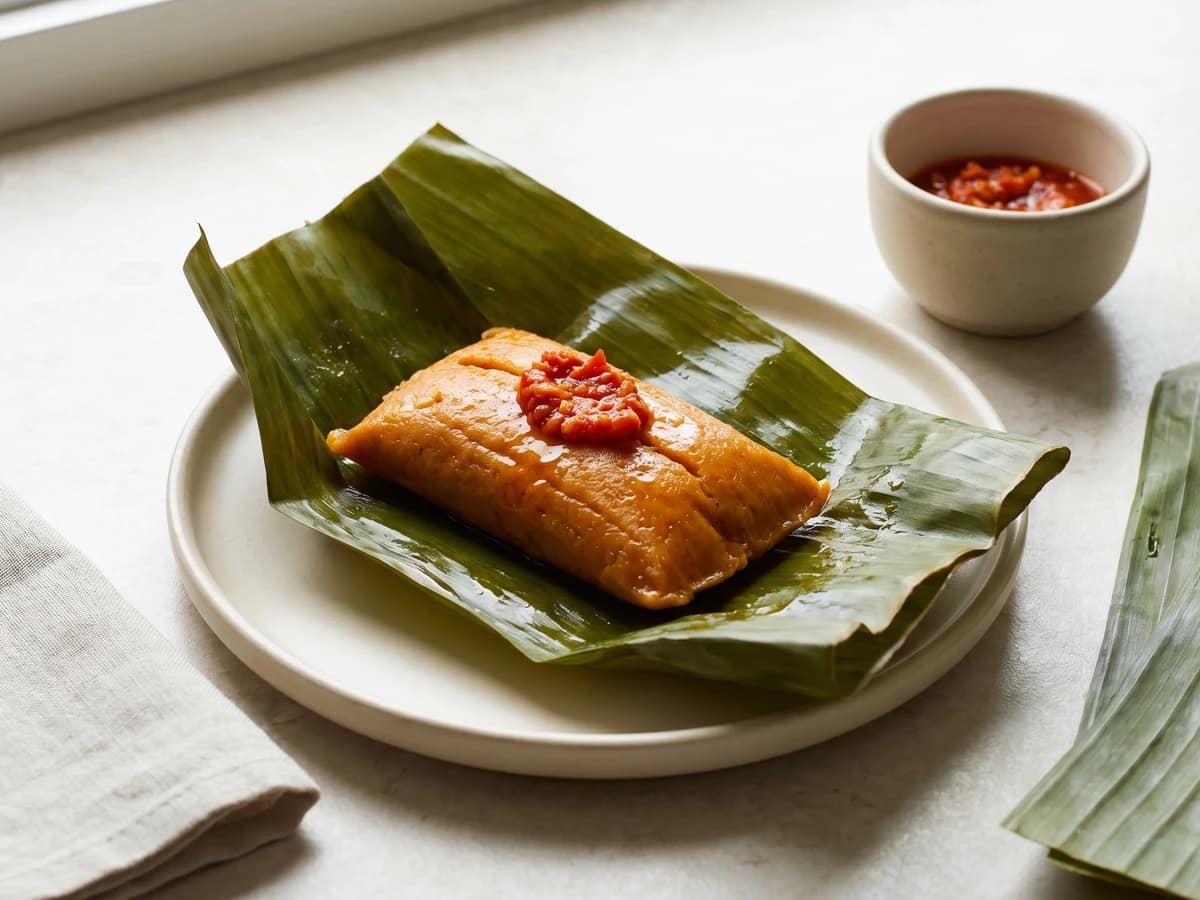
You think banana leaves and hand-whipped bean massa mean “isso não é pra mim.” Wrong. Soak, peel, beat, wrap, steam. Abará is learned by touch, not inherited by magic.
A cooking platform built around craft, culture, and the stories behind what we eat.

Created by
You don't need a boteco license to make this. Small chicken pieces, garlic, lime, hot oil, and patience turn into the kind of plate people keep picking at.
You see hot oil and your little voice says, "isso não é pra mim." I know that voice. Mine used to say worse things, usually right before I burned onions and pretended the kitchen had betrayed me. But cozinhar não é dom, é um aprendizado. Frying is not bravery. It's order, temperature, and not crowding the pan like you're trying to hide evidence.
Frango à passarinho belongs to the table where people lean in: game day, churrasco, Sunday lunch before the rice is ready, a boteco plate passed from hand to hand. But it also fits the pê-efe perfectly. Put it beside arroz soltinho, feijão with a proper refogado, and couve cut thin and sautéed fast, and dinner is solved. Not fancy. Better than fancy. Comida de verdade.
The method is simple because simple is not the same as careless. Cut the chicken small so it cooks through before the outside burns. Season it hard with garlic, lime, salt, and pepper so every bite has flavor, not just the skin. Dry it before frying because water is the enemy of browning. Fry in batches because crowded chicken drops the oil temperature and turns juicy pieces into pale, greasy sadness.
Then comes the fried garlic. Thin slices, watched closely, pulled when golden because garlic keeps darkening after it leaves the oil. Shower it over the chicken with parsley and one last squeeze of lime. That's it. Receitas que funcionam, anota aí.
Frango à passarinho became a classic of Brazilian botecos, especially in São Paulo and Rio de Janeiro, where small pieces of chicken are fried for sharing with cold beer, lime, and conversation that outlasts the plate. The name means "little bird style," not because it uses a bird other than chicken, but because the chicken is cut into small pieces that cook quickly and are easy to pick up. Regional versions argue over marinade, flour or no flour, and how much garlic is too much, which is funny because the correct answer in a boteco is usually more garlic.
Quantity
2 pounds
Quantity
1 1/2 teaspoons
Quantity
1/2 teaspoon
Quantity
6 cloves
minced for the marinade
Quantity
2 tablespoons
freshly squeezed, plus wedges for serving
Quantity
1 tablespoon
for the marinade
Quantity
1 tablespoon
Quantity
1/2 cup
Quantity
1/4 cup
Quantity
1/2 teaspoon
Quantity
3 cups, or enough to come 2 inches up the pot
for frying
Quantity
6 cloves
very thinly sliced for finishing
Quantity
2 tablespoons
chopped
Quantity
as needed
| Ingredient | Quantity |
|---|---|
| chicken wings and drumettes, or bone-in chicken pieces cut small | 2 pounds |
| fine salt | 1 1/2 teaspoons |
| black pepper | 1/2 teaspoon |
| garlicminced for the marinade | 6 cloves |
| lime juicefreshly squeezed, plus wedges for serving | 2 tablespoons |
| neutral oilfor the marinade | 1 tablespoon |
| cachaça or white vinegar (optional) | 1 tablespoon |
| all-purpose flour | 1/2 cup |
| cornstarch | 1/4 cup |
| baking powder | 1/2 teaspoon |
| neutral oilfor frying | 3 cups, or enough to come 2 inches up the pot |
| garlicvery thinly sliced for finishing | 6 cloves |
| parsleychopped | 2 tablespoons |
| lime wedges (optional) | as needed |
Put the chicken in a bowl and check the pieces. They should be small enough that each one feels like two or three bites. Add the salt, pepper, minced garlic, lime juice, 1 tablespoon oil, and cachaça or vinegar if using. Rub everything in with your hands until the chicken smells sharp and garlicky. Small pieces cook evenly, and seasoning with your hands gets flavor into the folds where a spoon only waves hello.
Let the chicken sit for 20 minutes at room temperature, or cover and refrigerate it for up to 8 hours. The pieces should look glossy and well coated, not swimming in liquid. The rest gives the salt time to move into the meat, so the chicken tastes seasoned inside instead of only salty on the outside.
Lift the chicken from the marinade and pat it dry with paper towels. Mix the flour, cornstarch, and baking powder in a shallow bowl, then toss the chicken lightly and shake off the excess. You want a thin dusty coat, not a heavy crust. Dry chicken browns; wet chicken spits, cools the oil, and fights you.
Pour the frying oil into a heavy pot so it comes about 2 inches up the sides. Heat it to 180°C or 350°F. If you don't have a thermometer, drop in a pinch of flour: it should bubble right away without turning dark instantly. Oil that's too cool makes greasy chicken; oil that's too hot burns the outside before the bone has done its job heating through.
Add a small batch of chicken, leaving space between the pieces, and fry until deep golden and cooked through, about 8 to 10 minutes depending on size. Turn the pieces now and then so every side gets color. Don't crowd the pot. Crowd it and the oil temperature drops, the chicken releases water, and you steam the pieces pale instead of frying them crisp.
Move the fried chicken to a rack set over a tray, not straight onto a pile of paper towels. It should look deeply golden, with rough little edges that feel crisp when tapped. A rack lets oil drip away and keeps the bottom from going soft while the next batch fries.
Lower the heat a little and add the sliced garlic to the oil. Stir for 30 to 60 seconds, just until the slices turn pale gold, then lift them out immediately with a slotted spoon. Garlic keeps cooking after it leaves the oil, and burnt garlic is bitter enough to boss the whole plate around.
Pile the chicken on a plate, scatter the fried garlic and parsley over the top, and squeeze on a little lime right before serving. Eat while the edges are still crisp and the garlic is fragrant. With rice, beans, and couve, this stops being just a snack and becomes a proper pê-efe with a boteco grin.
1 serving (about 220g)
Culinary guides, cultural storytelling, and the editorial depth that makes cooking meaningful.
Discover Culinary ExplorerChef Juliana
You think banana leaves and hand-whipped bean massa mean “isso não é pra mim.” Wrong. Soak, peel, beat, wrap, steam. Abará is learned by touch, not inherited by magic.
Chef Juliana
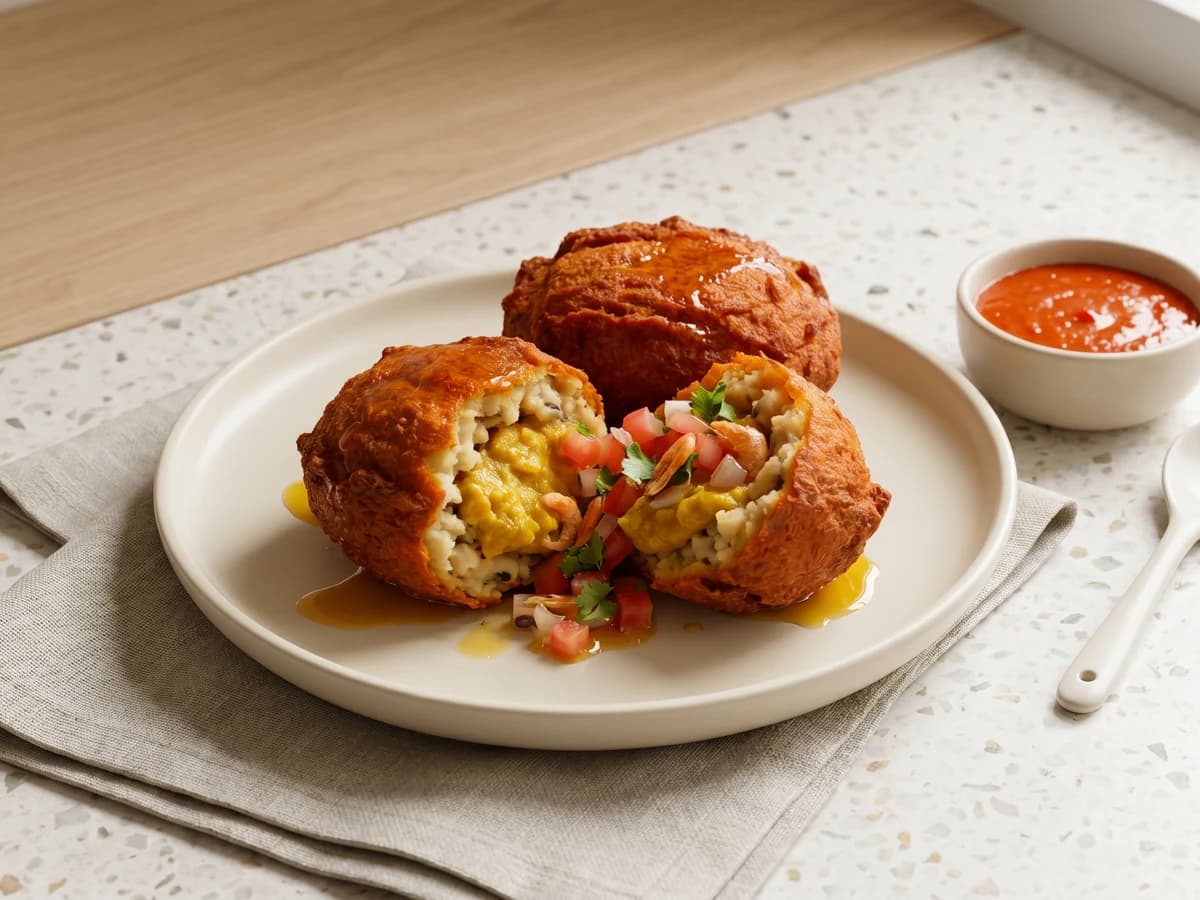
You think food of Iansã from the baianas' tabuleiro is not for your stove. Anota aí: soaked feijão-fradinho, real dendê, and hand-whipping make a home version learnable.

Chef Juliana
You think fried salgados belong to the birthday table you buy, not the one you make. Wrong. Learn the dough, seal the cheese, and the freezer starts working for you.

Chef Juliana
You think stuffed fried bolinhos are for the boteco cook, not your kitchen. Wrong. Mash the aipim warm, keep the filling dry, fry in small batches, and the tray disappears.