
Chef Graziella
Besciamella all'Italiana
The mother sauce of Italian baked pastas, transformed from simple butter, flour, and milk into silk through patient whisking and the essential warmth of nutmeg.
A cooking platform built around craft, culture, and the stories behind what we eat.
Created by
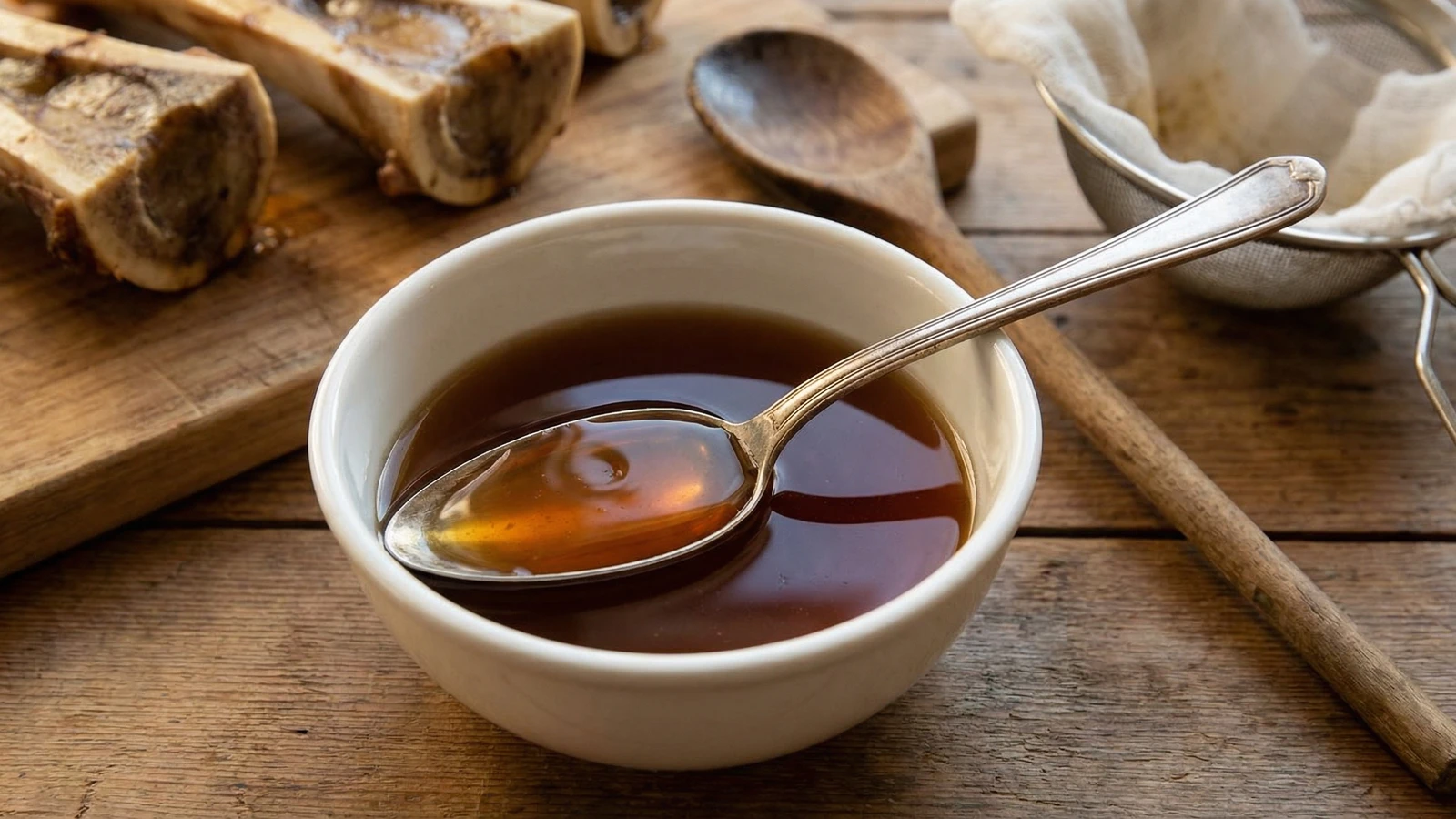
The brown stock that forms the backbone of Italian meat cookery. Hours of roasting and simmering extract every trace of flavor from bone and sinew, creating liquid gold that transforms ordinary sauces into extraordinary ones.
Flavor, in Italian dishes, builds up from the bottom. This is the bottom. This is the foundation upon which braises become silken, risottos become rich, and pan sauces become memorable. Without proper fondo, you are building on sand.
The French have their fonds and their demi-glace. The Italians have always known the same truth but expressed it more simply: what remains in the pan after roasting meat contains concentrated essence. The browned bits stuck to the bottom, the caramelized drippings, the proteins transformed by heat. Capture this. Concentrate it. Use it.
This is not difficult work, but it requires attention and time. The bones must roast until deeply colored. The vegetables must caramelize, not burn. The simmer must be patient, barely a tremble on the surface. There are no shortcuts that do not cost you flavor. What you put in, you get out. What you rush, you ruin.
Brown stocks appear in Italian culinary manuscripts as early as the 15th century, though they reached their formal codification through French influence in the 18th and 19th centuries. Italian home cooks have always made brodo from scraps and bones, but fondo bruno represents a more deliberate extraction: roasting for color, reducing for concentration, creating a base specifically meant to enrich other preparations.
Quantity
3 pounds
shin, neck, or knuckle
Quantity
1 pound
cut into 2-inch pieces
Quantity
2 tablespoons
Quantity
1 large
quartered, skin on
Quantity
2 medium
cut into chunks
Quantity
2
cut into chunks
Quantity
2 tablespoons
Quantity
1 cup
Quantity
1 small bunch
Quantity
2
Quantity
6
Quantity
3 quarts
Quantity
to taste
| Ingredient | Quantity |
|---|---|
| meaty beef or veal bonesshin, neck, or knuckle | 3 pounds |
| beef chuckcut into 2-inch pieces | 1 pound |
| extra virgin olive oil | 2 tablespoons |
| yellow onionquartered, skin on | 1 large |
| carrotscut into chunks | 2 medium |
| celery stalkscut into chunks | 2 |
| tomato paste | 2 tablespoons |
| dry red wine | 1 cup |
| fresh flat-leaf parsley stems | 1 small bunch |
| bay leaves | 2 |
| whole black peppercorns | 6 |
| cold water | 3 quarts |
| kosher salt | to taste |
Heat the oven to 425°F. Spread the bones and beef pieces in a single layer in a large roasting pan. They should not touch or overlap. Roast for 45 minutes, turning once halfway through, until deeply browned on all sides. The color you achieve here determines the color and depth of your fondo. Pale bones make pale, weak stock. You want mahogany.
Add the onion, carrots, and celery to the pan with the bones. Drizzle with the olive oil and toss to coat. Roast for 20 minutes more, until the vegetables are browned and slightly charred at the edges. The onion skin adds color and depth. Do not discard it.
Push the bones and vegetables aside and spread the tomato paste in the cleared space on the pan floor. Roast for 5 minutes more. The paste should darken and caramelize but not burn. Burnt tomato paste is bitter and cannot be rescued.
Remove the pan from the oven and place it over two burners on medium heat. Pour the wine into the pan. It will sizzle violently. Use a wooden spoon to scrape every browned bit from the bottom. This fond, these concentrated meat drippings, contains more flavor than anything else in the pan. Leave nothing behind.
Transfer everything from the roasting pan to a large stockpot. Add the parsley stems, bay leaves, and peppercorns. Cover with the cold water. The water must be cold. Hot water seals the proteins and prevents proper extraction. Bring to a bare simmer over medium heat. This takes 30 minutes or more. Do not rush it.
As the liquid heats, gray foam will rise to the surface. Skim it away with a ladle or large spoon. Continue skimming every 15 minutes for the first hour. This foam is impurities and coagulated proteins. Left in, it clouds your fondo and makes it taste muddy. Reduce heat to the lowest setting once simmering begins.
Maintain the gentlest possible simmer for 3 hours. Never cover the pot. Never stir. Never let it boil. Add hot water if the level drops below the bones. The liquid should reduce by roughly one third. The color should deepen to rich amber brown.
Line a fine-mesh strainer with cheesecloth and set it over a large bowl. Ladle the stock through the strainer, leaving the sediment at the bottom of the pot undisturbed. Do not press on the solids. Pressing releases fat and cloudiness. Let gravity do its work.
Let the strained stock cool to room temperature, then refrigerate uncovered until completely cold. The fat will solidify on top in a pale layer. Lift it off in pieces and discard. Return the defatted stock to a clean pot. Simmer gently until reduced to about 2 cups. It should coat a spoon and taste intensely of meat. Season with salt only now, at the end.
1 serving (about 240g)
Culinary guides, cultural storytelling, and the editorial depth that makes cooking meaningful.
Discover Culinary ExplorerChef Graziella
The mother sauce of Italian baked pastas, transformed from simple butter, flour, and milk into silk through patient whisking and the essential warmth of nutmeg.

Chef Graziella
The foundation of Italian cooking, made as it has been made for generations: a whole chicken, honest vegetables, cold water, and three hours of patient simmering. This is where flavor begins.

Chef Graziella
Three ingredients. No garlic. No dried oregano. No sugar. This is what Italians actually put on their salads, and it requires nothing more than quality and balance.

Chef Graziella
The honest Italian way to preserve garden vegetables: crisp cauliflower, carrots, celery, and peppers in a clean wine vinegar brine. Not the oil-drenched Chicago version.