
Chef Dean
Baked Chicken Parmesan
Golden-crusted chicken cutlets blanketed in robust marinara and stretchy mozzarella, baked until the cheese bubbles and browns at the edges. This is the dish that made Italian-American cooking famous.
A cooking platform built around craft, culture, and the stories behind what we eat.

Created by
Tender salt cod simmered in a robust tomato sauce studded with briny olives and capers, a dish that has anchored Italian-American Christmas Eve tables for generations and rewards patience with profound flavor.
This is immigrant food at its finest. When Southern Italian families arrived on American shores in the late nineteenth century, they carried with them the tradition of La Vigilia, the Christmas Eve feast of abstinence before the celebration of Christ's birth. No meat on the table. Fish in abundance. Seven varieties, some say, for the seven sacraments. Others insist on twelve, for the apostles. The number matters less than the intention: a table groaning with the sea's bounty, family crowded shoulder to shoulder, anticipation building toward midnight.
Baccalà sits at the heart of this tradition. Salt cod, preserved through methods older than Columbus, transformed through patient soaking and gentle braising into something tender and sweet. The salt that once preserved it through Mediterranean crossings now yields to clear water, changed again and again over two days until the fish relaxes into its original texture. This is not fast food. It is food that teaches you to wait.
The sauce here draws from Naples and Calabria, where tomatoes meet the sea in combinations that have sustained fishing villages for centuries. Olives contribute their mineral bitterness. Capers burst with brine. A thread of red pepper provides warmth without aggression. Together they create a braise that improves as it sits, making this the ideal centerpiece for a gathering where the cook deserves to enjoy the party too.
I've served this dish to home cooks convinced they could never prepare traditional Italian food. They leave converted. The technique is straightforward. The ingredients are accessible. What you need is time and trust in the process.
Quantity
2 pounds
Quantity
1/3 cup, plus more for finishing
Quantity
1 large
thinly sliced
Quantity
6 cloves
thinly sliced
Quantity
1 teaspoon
Quantity
1 cup
Quantity
2 cans (28 oz each)
crushed by hand
Quantity
2
Quantity
1 cup
pitted
Quantity
3 tablespoons
drained and rinsed
Quantity
1/2 cup
roughly chopped
Quantity
to taste
Quantity
for serving
| Ingredient | Quantity |
|---|---|
| salt cod (baccalà) | 2 pounds |
| extra-virgin olive oil | 1/3 cup, plus more for finishing |
| yellow onionthinly sliced | 1 large |
| garlicthinly sliced | 6 cloves |
| red pepper flakes | 1 teaspoon |
| dry white wine | 1 cup |
| San Marzano tomatoescrushed by hand | 2 cans (28 oz each) |
| bay leaves | 2 |
| Gaeta or Kalamata olivespitted | 1 cup |
| capersdrained and rinsed | 3 tablespoons |
| fresh Italian parsleyroughly chopped | 1/2 cup |
| freshly ground black pepper | to taste |
| crusty Italian bread | for serving |
Begin this process two days before you plan to serve. Place the salt cod in a large container and cover with cold water by at least three inches. Refrigerate. Every eight hours, drain the water completely and replace with fresh cold water. The fish will soften and swell as it releases its salt. After 48 hours, taste a small piece from the thickest section. It should taste pleasantly seasoned, not aggressively salty. If it's still too salty, continue soaking for another 12 hours.
Drain the soaked cod and pat it thoroughly dry with paper towels. Run your fingers along the flesh to check for any remaining pin bones and remove them with tweezers or needle-nose pliers. Cut the cod into pieces roughly three inches square. Don't worry about perfect uniformity. The fish will flake naturally during braising. Set aside at room temperature while you build the sauce.
Heat the olive oil in a large braiser or Dutch oven over medium heat. When the oil shimmers and flows easily across the pan, add the sliced onion. Cook, stirring occasionally, until the onion turns translucent and begins to soften, about 8 minutes. You want sweetness here, not color. Add the sliced garlic and red pepper flakes. Stir constantly for 60 seconds until the garlic turns fragrant but hasn't taken on any brown. The kitchen should smell like every Italian grandmother's house you've ever visited.
Pour in the white wine and let it bubble vigorously, scraping up any bits stuck to the bottom of the pan. Let the wine reduce by half, about 3 minutes. Add the crushed tomatoes and bay leaves. Stir well, bring to a gentle simmer, then reduce heat to medium-low. Let the sauce cook uncovered for 20 minutes, stirring occasionally. It should thicken slightly and the raw tomato taste should mellow into something sweeter and more complex.
Nestle the cod pieces into the sauce in a single layer. Spoon some sauce over the top of each piece. The fish should be mostly submerged but not swimming. Cover the pot and reduce heat to low. Braise gently for 25 to 30 minutes. Do not stir. The cod is delicate and will flake apart if disturbed. You'll know it's done when a fork slides through the thickest piece with no resistance and the flesh has turned from translucent to opaque white throughout.
Remove the lid. Scatter the olives and capers over and around the fish. Gently spoon sauce over them to warm through. Simmer uncovered for 5 more minutes. The olives should heat through and the sauce should tighten just slightly. Taste the sauce and adjust seasoning. You likely won't need salt (the cod and capers provide plenty), but black pepper and perhaps another pinch of red pepper flakes may be welcome.
Remove the pot from heat and discard the bay leaves. Let the baccalà rest for 10 minutes before serving. This resting period allows the sauce to settle around the fish and the flavors to marry. Transfer to a warmed serving platter or bring the braiser directly to the table. Scatter the fresh parsley generously over the top and drizzle with your best extra-virgin olive oil. Serve with thick slices of crusty bread for soaking up the sauce. This is mandatory, not optional.
1 serving (about 225g)
Culinary guides, cultural storytelling, and the editorial depth that makes cooking meaningful.
Discover Culinary ExplorerChef Dean
Golden-crusted chicken cutlets blanketed in robust marinara and stretchy mozzarella, baked until the cheese bubbles and browns at the edges. This is the dish that made Italian-American cooking famous.

Chef Dean
Ridged ziti tubes cradling a slow-simmered meat sauce, layered with creamy ricotta and buried under a blanket of molten mozzarella that blisters golden in the oven. This is the dish that ends arguments and fills bellies.

Chef Ally
The iconic Tuscan steak: two inches of well-marbled beef, seared over a roaring fire, rested until the juices settle, then sliced and dressed with nothing but olive oil, rosemary, and sea salt.
Chef Ally
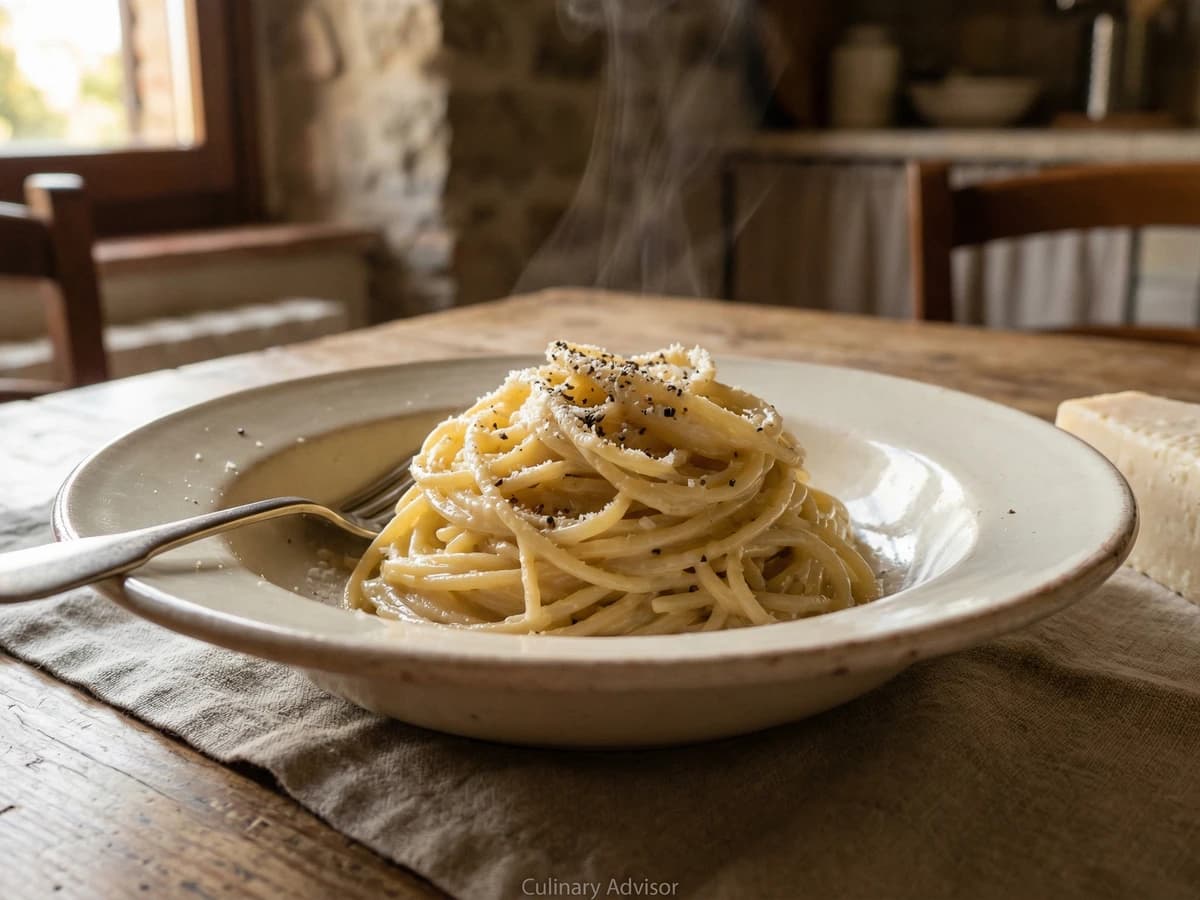
Three ingredients, infinite satisfaction. Real Pecorino Romano, freshly cracked black pepper, and good pasta transformed through nothing but technique and respect for what you have.