
Chef Graziella
Fagioli all'Uccelletto
The beans of Tuscany, braised with sage and tomato in the manner used for small game birds. Four ingredients, no complications, and the quiet confidence of food that needs nothing more.
A cooking platform built around craft, culture, and the stories behind what we eat.
Created by
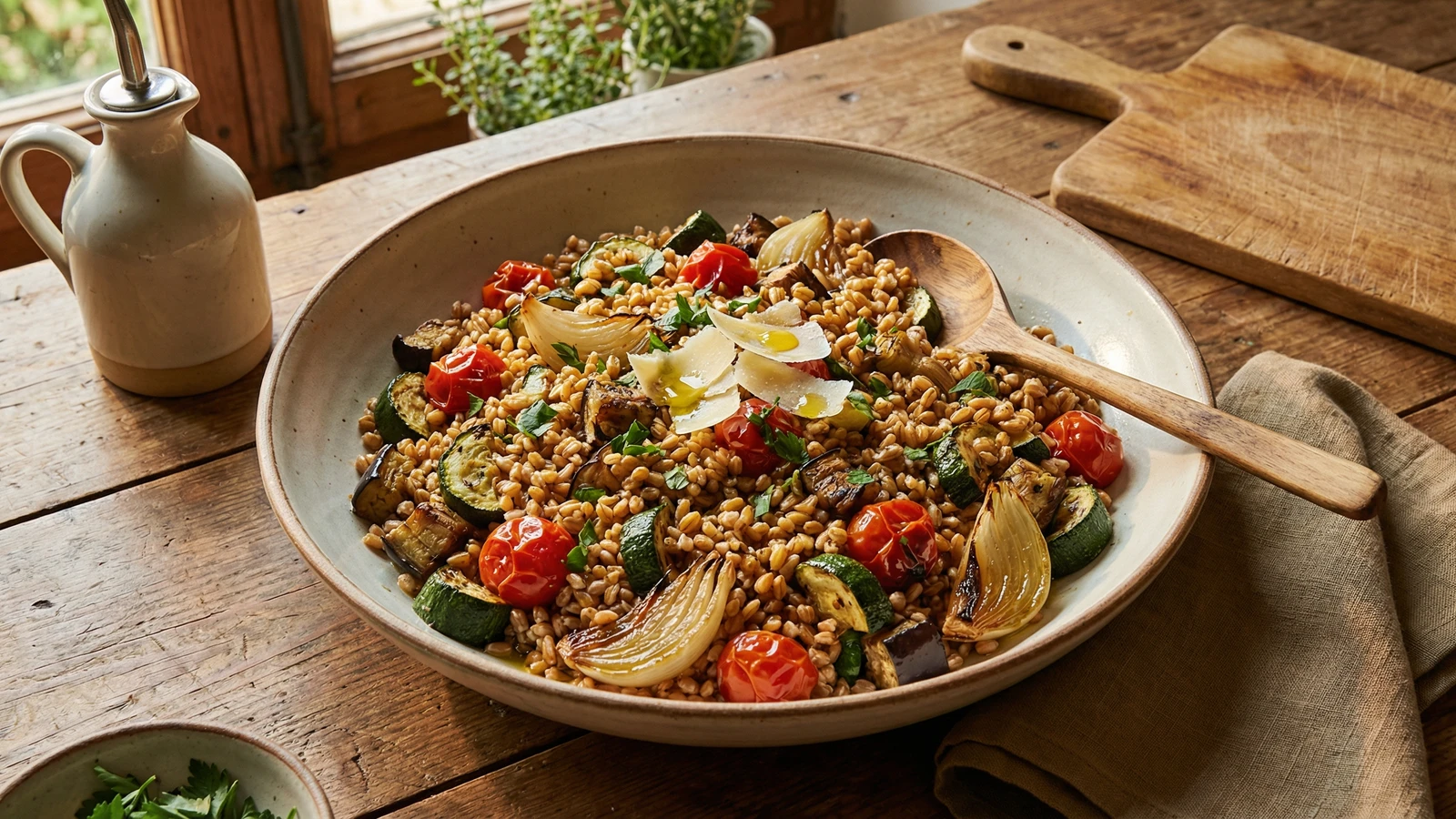
The grain that fed Roman legions and Tuscan farmers for millennia, prepared simply with vegetables charred at high heat and dressed with nothing more than good olive oil.
Farro is older than Italy itself. This grain, a form of emmer wheat, sustained the Roman legions, fed generations of Tuscan farmers, and remains a staple in the hills around Lucca. When pasta arrived in Italy, most regions abandoned their ancient grains. Tuscany did not. The Garfagnana valley still grows farro as it has for two thousand years.
The grain must be cooked properly. Not soft, not mushy, but tender with resistance. You will know it is done when you bite through and find that pleasant chew, like good pasta cooked al dente. Americans overcook everything. Do not be American about this.
The vegetables roast at high heat until their edges char and their sugars concentrate. This is not steaming. This is not sautéing in a crowded pan. Spread them out, give them space, let the oven do its work. The charred bits are not mistakes. They are flavor.
Farro sustained Roman legions during their conquests and remained the principal grain of Tuscany through the Middle Ages. The Garfagnana valley in northern Tuscany still cultivates a protected IGP variety, maintaining agricultural practices largely unchanged since Etruscan times.
Quantity
1 1/2 cups
semi-pearled or perlato
Quantity
to taste
Quantity
2 medium
cut into 3/4-inch pieces
Quantity
1 medium
cut into 3/4-inch pieces
Quantity
1 large
cut into 3/4-inch pieces
Quantity
1 large
cut into 3/4-inch wedges
Quantity
1 pint
Quantity
6 tablespoons, divided
Quantity
4
smashed and peeled
Quantity
2 sprigs
Quantity
4 sprigs
Quantity
to taste
freshly ground
Quantity
2 tablespoons
chopped
Quantity
1 tablespoon
Quantity
for serving
shaved
| Ingredient | Quantity |
|---|---|
| farrosemi-pearled or perlato | 1 1/2 cups |
| kosher salt | to taste |
| zucchinicut into 3/4-inch pieces | 2 medium |
| eggplantcut into 3/4-inch pieces | 1 medium |
| red bell peppercut into 3/4-inch pieces | 1 large |
| red onioncut into 3/4-inch wedges | 1 large |
| cherry tomatoes | 1 pint |
| extra virgin olive oil | 6 tablespoons, divided |
| garlic clovessmashed and peeled | 4 |
| fresh rosemary | 2 sprigs |
| fresh thyme | 4 sprigs |
| black pepperfreshly ground | to taste |
| fresh flat-leaf parsleychopped | 2 tablespoons |
| red wine vinegar | 1 tablespoon |
| Parmigiano-Reggiano (optional)shaved | for serving |
Bring a large pot of water to a boil and salt it generously, as you would for pasta. Add the farro and cook at a steady simmer until tender but with pleasant resistance when bitten, 25 to 30 minutes for semi-pearled farro. The grain should yield but not turn to mush. Drain thoroughly and spread on a sheet pan to cool slightly while you roast the vegetables.
Heat your oven to 425°F. Line two large sheet pans with parchment if you wish, though it is not essential. In a very large bowl, toss the zucchini, eggplant, bell pepper, onion wedges, and cherry tomatoes with four tablespoons of the olive oil. Add the smashed garlic cloves, rosemary sprigs, and thyme sprigs. Season generously with salt and pepper. Toss again.
Spread the vegetables across two sheet pans in a single layer. They must not touch. Crowded vegetables steam rather than roast. Roast for 20 to 25 minutes, rotating the pans halfway through, until the vegetables are tender and their edges are deeply browned, even charred in spots. The cherry tomatoes will burst. This is correct.
Remove the herb sprigs and garlic cloves from the roasted vegetables. In a large serving bowl, combine the warm farro with the roasted vegetables and any juices from the pan. Drizzle with the remaining two tablespoons of olive oil and the red wine vinegar. Add the chopped parsley. Toss gently but thoroughly. Taste and adjust the salt.
Serve warm or at room temperature. Both are correct, and the dish holds well for several hours. If adding Parmigiano, shave it over the top just before serving. The cheese is optional, but welcome. A final drizzle of your best olive oil would not be wrong.
1 serving (about 310g)
Culinary guides, cultural storytelling, and the editorial depth that makes cooking meaningful.
Discover Culinary ExplorerChef Graziella
The beans of Tuscany, braised with sage and tomato in the manner used for small game birds. Four ingredients, no complications, and the quiet confidence of food that needs nothing more.

Chef Graziella
White beans dressed with nothing but the finest olive oil, salt, and pepper. This is Tuscan cooking reduced to its essence, where there is nowhere to hide and quality is everything.
Chef Juliette
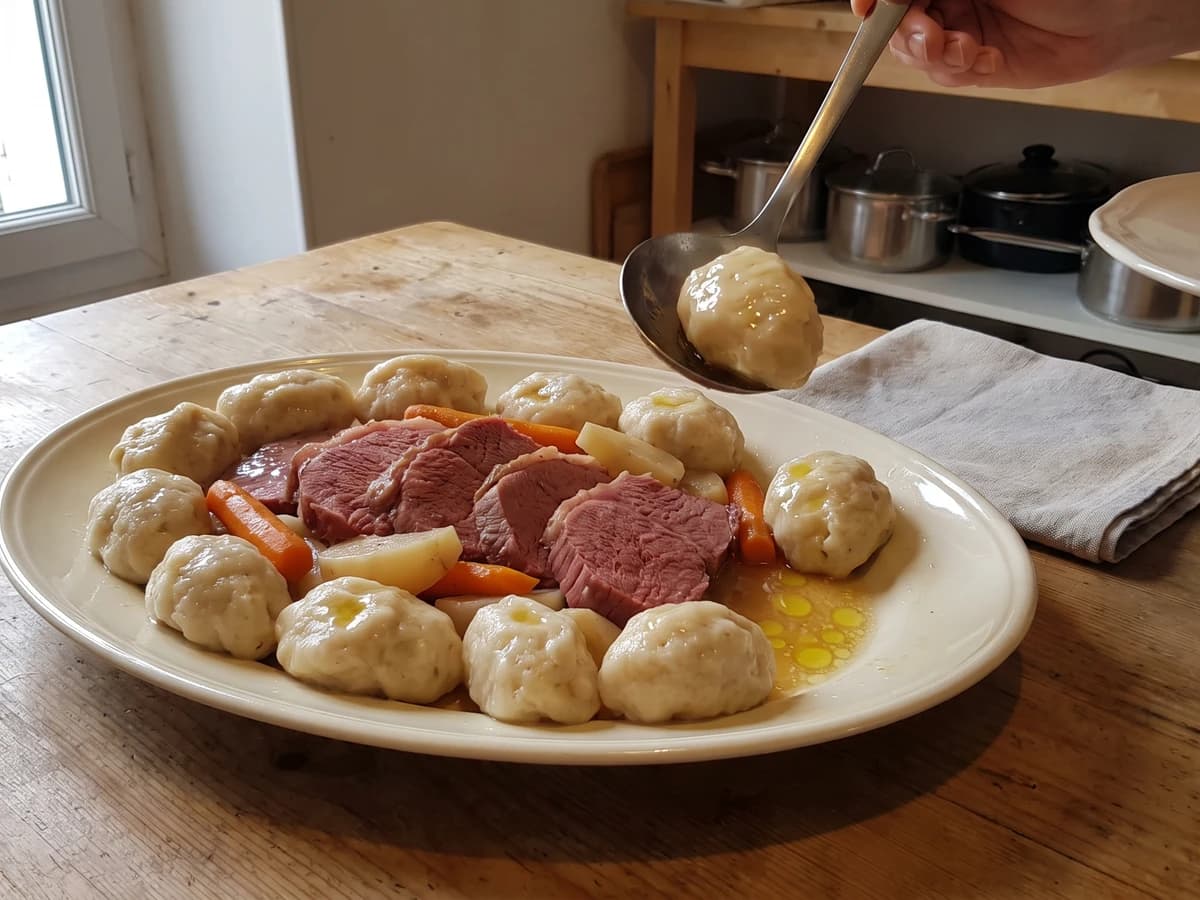
Boulettes au suif, poached beside salt beef, turn equal weights of flour and finely chopped suet into tender, rich dumplings. Keep the beef liquor at a bare tremble and the old garnish works beautifully at home.

Chef Juliette
Bread, flour, frangipane, and rice become four cool, supple panades for binding forcemeats, each changing body and flavor while preserving tenderness. The finest Mousselines need none, and knowing that distinction is the lesson.