
Chef Graziella
Fagioli all'Uccelletto
The beans of Tuscany, braised with sage and tomato in the manner used for small game birds. Four ingredients, no complications, and the quiet confidence of food that needs nothing more.
A cooking platform built around craft, culture, and the stories behind what we eat.

Created by
White beans dressed with nothing but the finest olive oil, salt, and pepper. This is Tuscan cooking reduced to its essence, where there is nowhere to hide and quality is everything.
Tuscans are called mangiafagioli, bean eaters, and they accept this as a compliment. The white cannellini bean is to Tuscany what the chickpea is to Rome: the foundation upon which countless dishes are built. But before you add beans to soup or stew them with tomatoes, you must understand them in their purest form.
Fagioli all'olio asks only three things of you: cook the beans properly, use the finest olive oil you can afford, and season with confidence. That is all. No garlic to distract, no herbs beyond what perfumes the cooking water, no acidity to complicate. The bean and the oil, in conversation.
This simplicity terrifies some cooks. They want to add things. They believe more ingredients mean more flavor. The opposite is true. What you keep out is as significant as what you put in. A perfectly cooked cannellini bean, dressed with Tuscan olive oil that tastes of grass and pepper and artichoke, needs nothing else. To add more is to admit your ingredients were not good enough to stand alone.
Cannellini beans arrived in Tuscany from the Americas in the 16th century and found a permanent home in the region's cucina povera. Tuscan peasants discovered that these humble legumes, cooked slowly and dressed with the local olive oil, provided sustenance through lean winters. The preparation has remained unchanged for five centuries because there is nothing to improve.
Quantity
1 pound
Quantity
1 small
peeled and halved
Quantity
2
peeled and left whole
Quantity
4
Quantity
1
Quantity
1/3 cup, plus more for drizzling
Quantity
to taste
Quantity
to taste
freshly ground
| Ingredient | Quantity |
|---|---|
| dried cannellini beans | 1 pound |
| yellow onionpeeled and halved | 1 small |
| garlic clovespeeled and left whole | 2 |
| fresh sage leaves | 4 |
| bay leaf | 1 |
| extra virgin olive oil | 1/3 cup, plus more for drizzling |
| kosher salt | to taste |
| black pepperfreshly ground | to taste |
Place the dried beans in a large bowl and cover with cold water by at least four inches. Let them soak for 8 hours or overnight. The beans will double in size. Drain and rinse before cooking.
Place the soaked beans in a large pot. Add the halved onion, whole garlic cloves, sage leaves, and bay leaf. Cover with fresh cold water by three inches. Bring to a gentle simmer over medium heat. The moment you see bubbles, reduce the heat to low. The water should barely move, with only an occasional bubble rising to the surface. Cook uncovered for 1 to 1 1/2 hours.
The beans are done when you can crush one easily against the roof of your mouth with your tongue. The skin should be tender, not papery. The interior should be completely smooth, with no trace of chalkiness. If uncertain, cook them longer. Undercooked beans cannot be rescued once drained.
When the beans are tender, add salt generously. Stir gently and let them sit in the hot cooking liquid for 10 minutes. This allows the salt to penetrate. Never salt beans before they are fully cooked. Salt toughens the skins and prevents the interior from becoming tender.
Drain the beans, reserving one cup of the cooking liquid in case you need it later. Discard the onion, garlic, sage, and bay leaf. They have given everything they have to give.
Transfer the warm beans to a serving bowl. Pour the olive oil over them and fold gently with a spoon. Do not stir aggressively or you will break the beans. Grind fresh black pepper generously over the top. Taste and add more salt if needed. Drizzle with additional olive oil at the table.
1 serving (about 240g)
Culinary guides, cultural storytelling, and the editorial depth that makes cooking meaningful.
Discover Culinary ExplorerChef Graziella
The beans of Tuscany, braised with sage and tomato in the manner used for small game birds. Four ingredients, no complications, and the quiet confidence of food that needs nothing more.

Chef Graziella
The grain that fed Roman legions and Tuscan farmers for millennia, prepared simply with vegetables charred at high heat and dressed with nothing more than good olive oil.
Chef Juliette
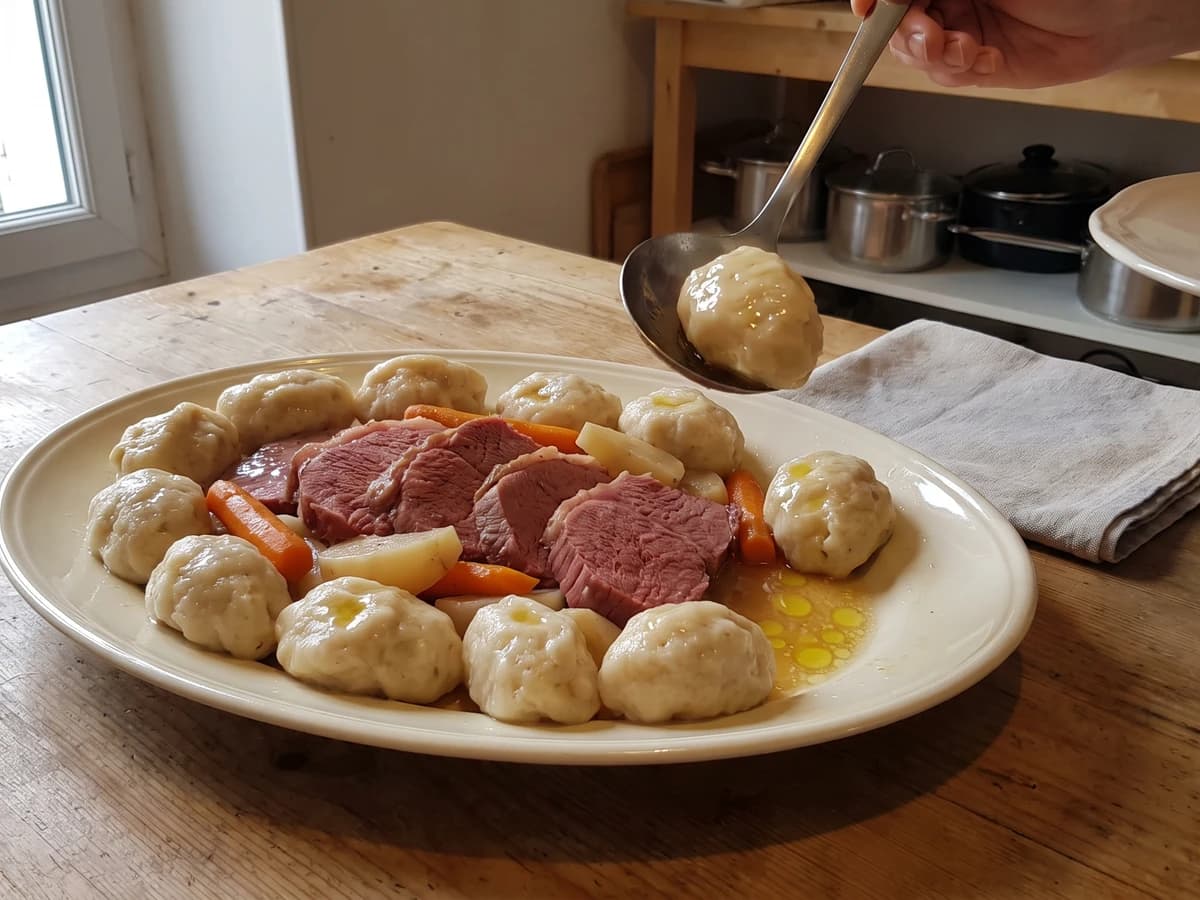
Boulettes au suif, poached beside salt beef, turn equal weights of flour and finely chopped suet into tender, rich dumplings. Keep the beef liquor at a bare tremble and the old garnish works beautifully at home.

Chef Juliette
Bread, flour, frangipane, and rice become four cool, supple panades for binding forcemeats, each changing body and flavor while preserving tenderness. The finest Mousselines need none, and knowing that distinction is the lesson.