
Chef Graziella
Fagioli all'Olio
White beans dressed with nothing but the finest olive oil, salt, and pepper. This is Tuscan cooking reduced to its essence, where there is nowhere to hide and quality is everything.
A cooking platform built around craft, culture, and the stories behind what we eat.
Created by
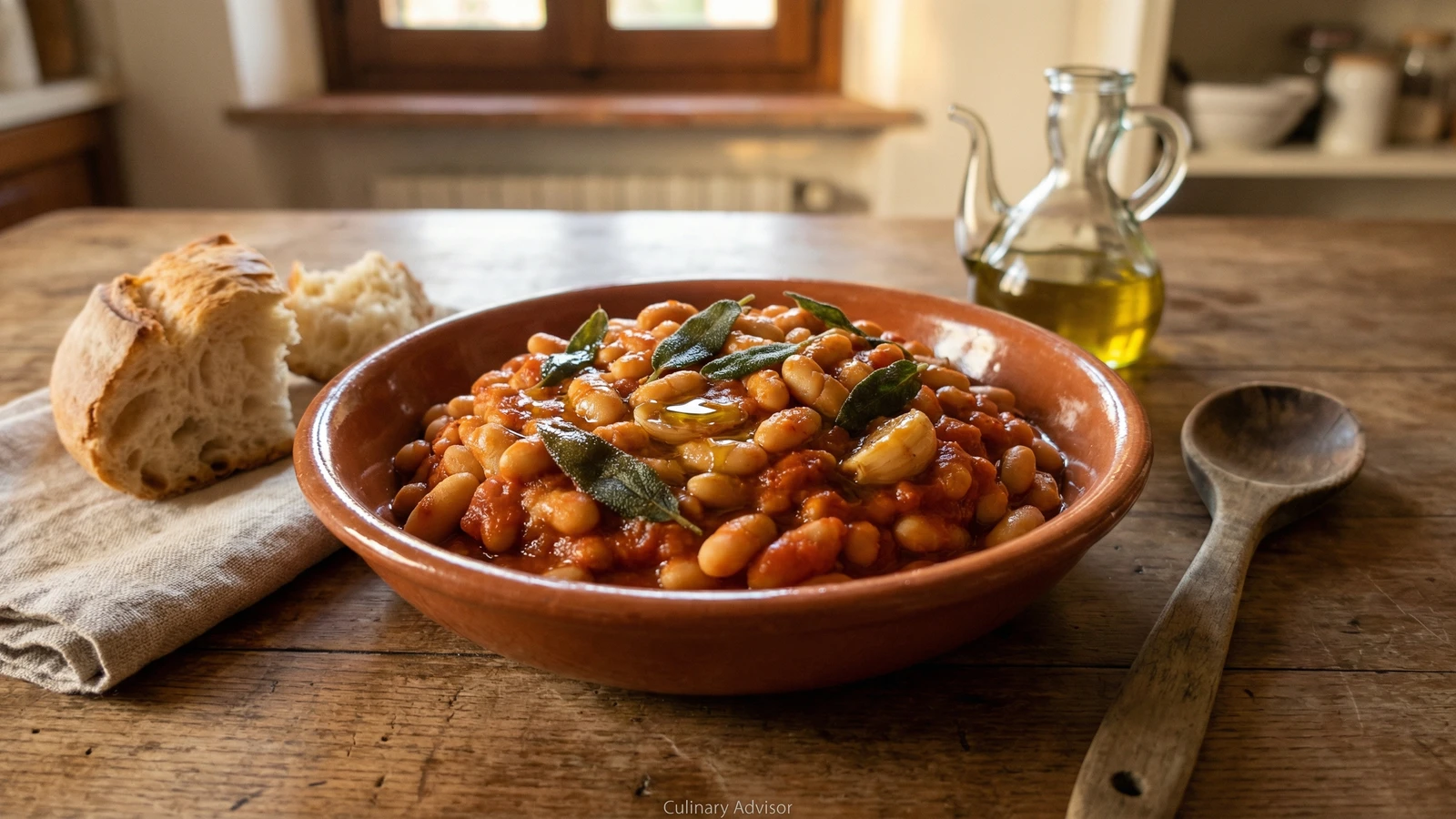
The beans of Tuscany, braised with sage and tomato in the manner used for small game birds. Four ingredients, no complications, and the quiet confidence of food that needs nothing more.
The name tells you everything and nothing. 'Uccelletto' means 'little bird,' and Tuscans season their beans the same way they season the small game birds that once filled the hillsides: sage, garlic, tomato, and good olive oil. The birds are mostly gone now. The beans remain.
This is not a complicated dish. It cannot be, because Tuscan cooking does not permit complication. You cook dried beans until tender. You soften garlic in olive oil with sage leaves until fragrant. You add tomatoes and let everything simmer together until the sauce clings to the beans. That is all.
What you keep out is as significant as what you put in. There is no onion here. No celery. No carrot. The soffritto that anchors so much Italian cooking has no place in this dish. The beans must taste of beans, the sage must perfume without overwhelming, and the tomato exists only to bind everything together. Restraint, not addition, creates the flavor.
Fagioli all'uccelletto became a Tuscan staple only after cannellini beans arrived from the Americas in the 16th century. The Tuscans, whom other Italians mock as 'mangiafagioli' (bean eaters), embraced the new legume so completely that within two generations it anchored their cuisine. The 'bird-style' seasoning predates the beans themselves, having been used for centuries on the small game birds that Tuscan hunters brought home.
Quantity
1 pound
soaked overnight and drained
Quantity
1/3 cup
Quantity
4
peeled and lightly crushed
Quantity
8-10
Quantity
1 can (14 ounces)
crushed by hand
Quantity
to taste
Quantity
to taste
freshly ground
| Ingredient | Quantity |
|---|---|
| dried cannellini beanssoaked overnight and drained | 1 pound |
| extra virgin olive oil | 1/3 cup |
| garlic clovespeeled and lightly crushed | 4 |
| fresh sage leaves | 8-10 |
| San Marzano tomatoescrushed by hand | 1 can (14 ounces) |
| kosher salt | to taste |
| black pepperfreshly ground | to taste |
Place the drained beans in a large pot and cover with cold water by three inches. Bring to a gentle simmer over medium heat, then reduce the heat to maintain the laziest bubble. Cook until the beans are tender but hold their shape, about one hour to one hour fifteen minutes. The timing depends on the age of your beans. Older beans take longer. Taste one. It should be creamy throughout with no chalky center.
When the beans are tender, drain them, reserving one cup of the cooking liquid. Set both aside. The starchy bean water will help create the proper sauce consistency later.
In a wide, heavy skillet or braiser, warm the olive oil over medium-low heat. Add the crushed garlic cloves and sage leaves. Cook gently, stirring occasionally, until the garlic is pale gold and the sage leaves have crisped slightly at the edges, about 3 minutes. The garlic must not brown. If it begins to color too quickly, reduce the heat immediately.
Add the hand-crushed tomatoes to the skillet, including their juices. Stir to combine with the infused oil. Let the tomatoes simmer for 5 minutes, breaking them up further with a wooden spoon, until they begin to thicken and lose their raw edge.
Add the drained beans to the tomato mixture. Stir gently to coat them without crushing. Add half the reserved bean cooking liquid. Season with salt and pepper. Reduce heat to low and let the beans simmer, uncovered, for 15 to 20 minutes. The sauce should reduce and cling to the beans. Add more bean liquid if it becomes too dry before the flavors have melded.
Remove the skillet from heat and let the beans rest for 10 minutes. They will absorb more sauce as they cool slightly. Taste and adjust salt. Transfer to a warm serving bowl. Drizzle with a thread of fresh olive oil if you wish. Serve warm, not hot, alongside grilled meats or as part of an antipasto spread.
1 serving (about 240g)
Culinary guides, cultural storytelling, and the editorial depth that makes cooking meaningful.
Discover Culinary ExplorerChef Graziella
White beans dressed with nothing but the finest olive oil, salt, and pepper. This is Tuscan cooking reduced to its essence, where there is nowhere to hide and quality is everything.

Chef Graziella
The grain that fed Roman legions and Tuscan farmers for millennia, prepared simply with vegetables charred at high heat and dressed with nothing more than good olive oil.
Chef Juliette
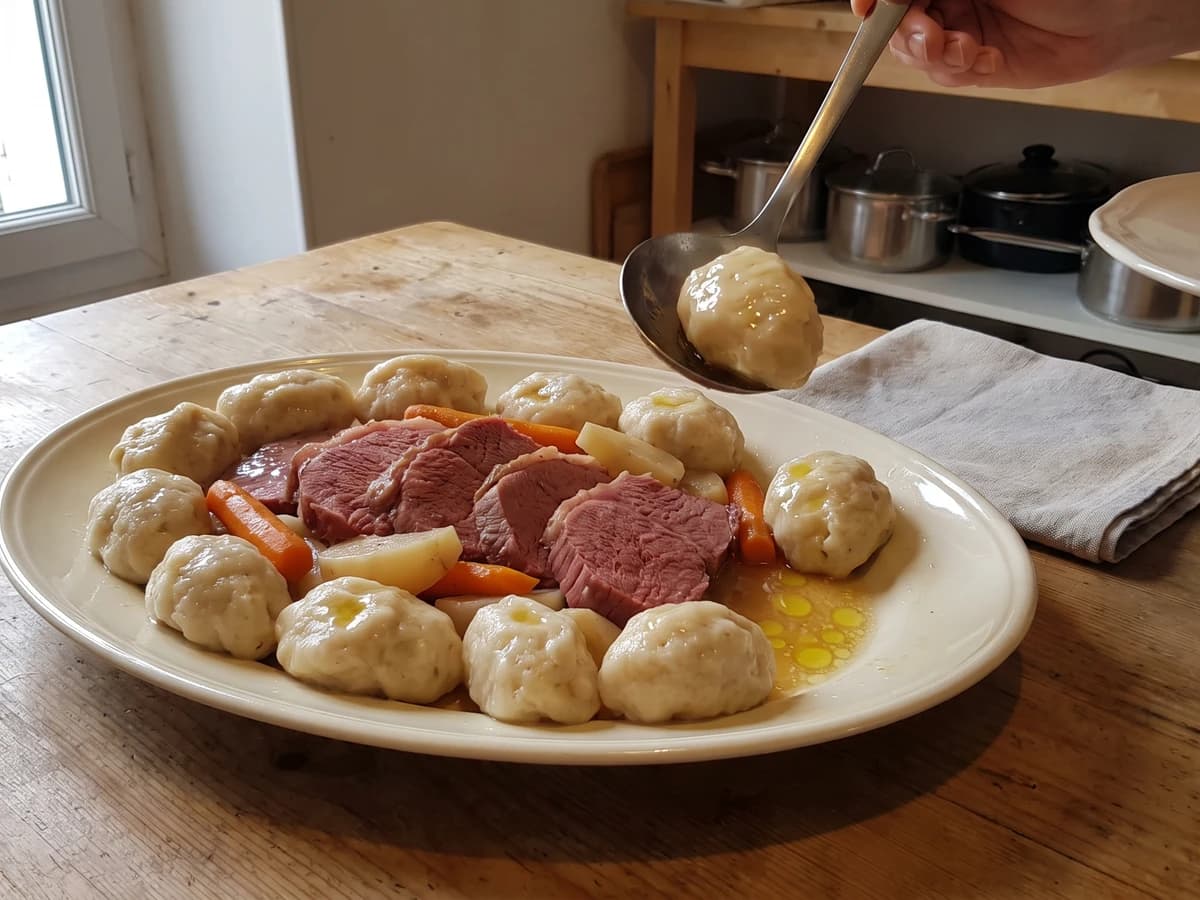
Boulettes au suif, poached beside salt beef, turn equal weights of flour and finely chopped suet into tender, rich dumplings. Keep the beef liquor at a bare tremble and the old garnish works beautifully at home.

Chef Juliette
Bread, flour, frangipane, and rice become four cool, supple panades for binding forcemeats, each changing body and flavor while preserving tenderness. The finest Mousselines need none, and knowing that distinction is the lesson.