Chef Thomas
Anchovy Sauce
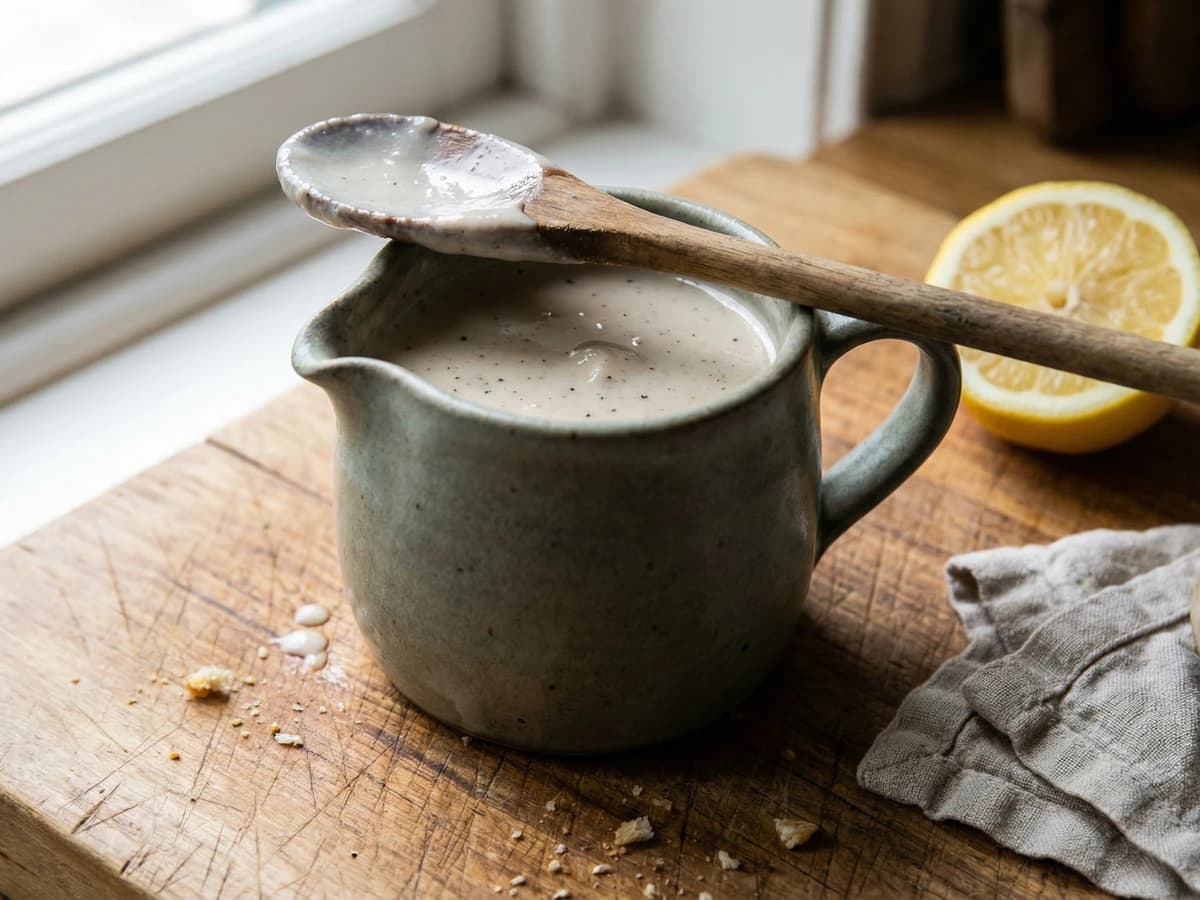
A proper white sauce sharpened with pounded anchovy, the old Georgian trick for waking up a piece of poached fish or a slice of roast lamb on a Sunday in spring.
A cooking platform built around craft, culture, and the stories behind what we eat.
Created by Chef Thomas
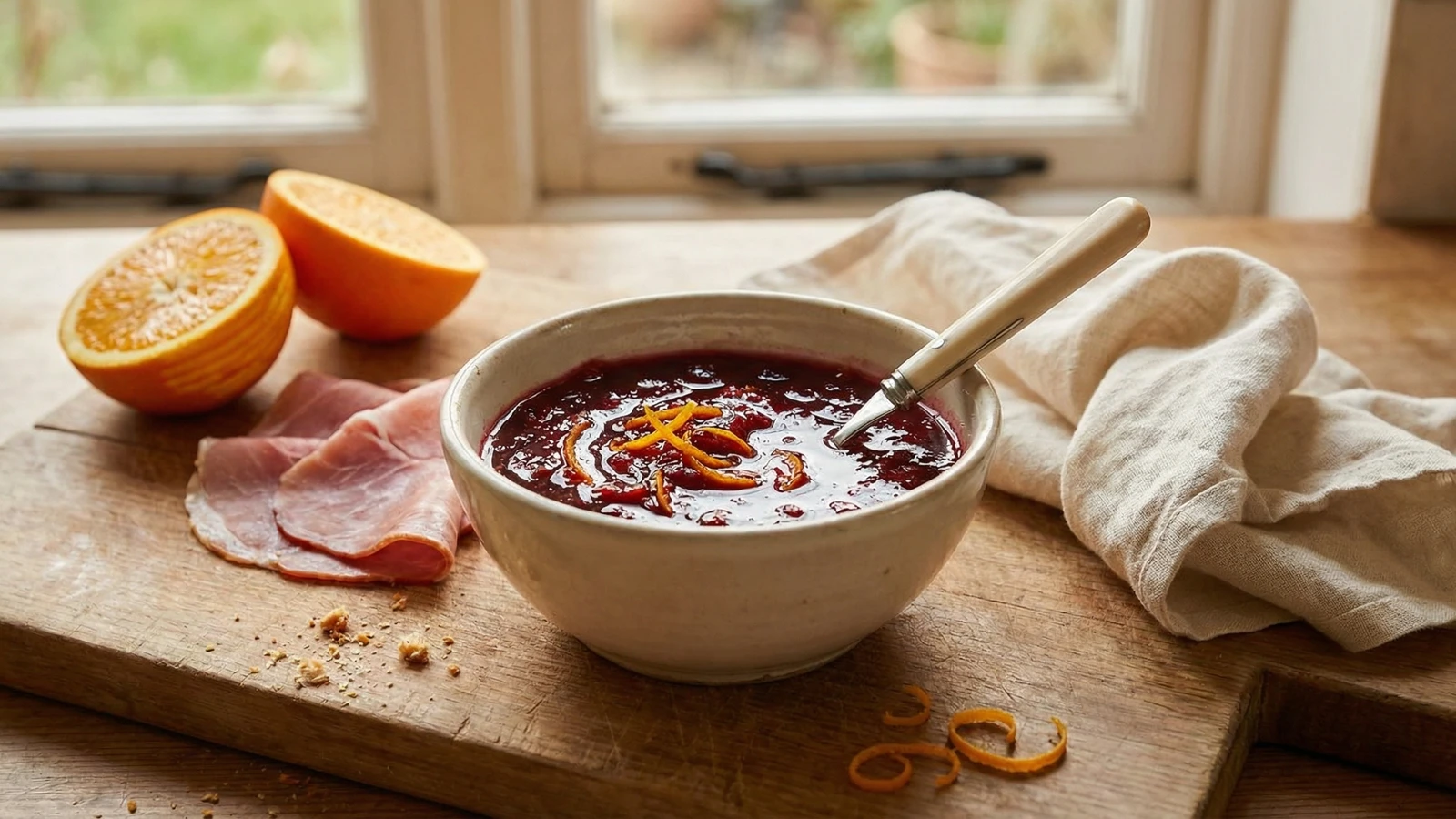
A ruby-dark sauce of port, redcurrant jelly, and citrus zest, sharp with mustard and ginger, made for cold ham on Boxing Day and the long week of leftovers that follows.
Boxing Day. The fridge is full of things wrapped in foil. A ham, half-carved. A game pie that has set overnight into something better than it was yesterday. Cold cuts, a terrine, the remains of the cheese. What you need is not more food. What you need is a sauce sharp enough to wake all of it up.
Cumberland sauce is that sauce. Port, redcurrant jelly, the pared zest of an orange and a lemon, a spoonful of mustard, a pinch of ginger. It comes together in fifteen minutes on the back of the hob while you're doing six other things, and it lasts in a jar for weeks. The colour alone justifies the trouble: a deep, glossy ruby that catches the light like a stained glass window in a country church.
I make it once a year, the morning after Christmas, while the kitchen still smells of yesterday's roast and the radio is on low. The redcurrant jelly comes out of the cupboard from the summer's preserving, or from a good jar bought for the purpose. The port is whatever bottle is open from Christmas Eve. The oranges are the ones piled in the bowl on the dresser, the sort that arrive in December and make the whole room smell of Christmas before you've even peeled one.
I wrote it down in the notebook the first year I made it properly: 'Boxing Day. Ham. Sauce in a jar. Worth the trouble.' It still is. There are few better feelings than carrying a cold plate to the table on a dark afternoon and putting a small bowl of something this red beside it.
Quantity
1
zest pared into fine strips, juice reserved
Quantity
1
zest pared into fine strips, juice reserved
Quantity
1 small
very finely chopped
Quantity
4 heaped tablespoons (about 150g)
Quantity
150ml
Quantity
1 teaspoon
or 1 tablespoon Dijon
Quantity
1/2 teaspoon
Quantity
pinch
Quantity
pinch
| Ingredient | Quantity |
|---|---|
| orangezest pared into fine strips, juice reserved | 1 |
| lemonzest pared into fine strips, juice reserved | 1 |
| shallotvery finely chopped | 1 small |
| redcurrant jelly | 4 heaped tablespoons (about 150g) |
| ruby port | 150ml |
| English mustard powderor 1 tablespoon Dijon | 1 teaspoon |
| ground ginger | 1/2 teaspoon |
| cayenne pepper (optional) | pinch |
| fine sea salt | pinch |
Take a vegetable peeler to the orange and the lemon and lift the zest off in long, thin ribbons. No white pith. The pith is where the bitterness lives. Stack the ribbons and slice them lengthways into the finest threads you can manage. They should look like little strands of stained glass, orange and pale yellow, the colour of a December afternoon.
Bring a small pan of water to the boil. Drop in the zest threads and the chopped shallot together. Let them bubble for two minutes. This takes the raw edge off the shallot and the harshness out of the zest, leaving them softened and sweet. Drain through a sieve and set aside. The smell at this point is bright and clean, like Christmas morning when someone has just peeled an orange in the next room.
Put the redcurrant jelly and the port into the same pan and set it over a low heat. Stir gently with a wooden spoon. The jelly will start to slacken, then collapse, then dissolve into the wine until you have a deep, glossy ruby liquid that smells of Christmas pudding and not much else. Don't rush it. If it boils hard now, the alcohol burns off too quickly and you lose the depth.
Squeeze in the juice of the orange and the lemon. Add the mustard, the ginger, the cayenne if you're using it, and a pinch of salt. Stir well, then tip in the blanched zest and shallot. The colour deepens further now, turning from ruby into something almost garnet. Let it bubble gently for eight to ten minutes, until the liquid has reduced and thickened enough to coat the back of the spoon. You're looking for a syrupy glaze, not a thick jam. It will firm up further as it cools.
Take it off the heat. Taste it. It should be sharp and sweet and warm all at once, with a clean citrus lift at the end. If it tastes flat, a touch more lemon juice will wake it up. If it tastes too sharp, another spoonful of jelly stirred in while it's still warm will settle it. Pour into a clean jar or jug and let it cool. The sauce keeps for weeks in the fridge and somehow gets better after a day or two, when all the flavours have had a chance to settle in together.
1 serving (about 30g)
Culinary guides, cultural storytelling, and the editorial depth that makes cooking meaningful.
Discover Culinary ExplorerChef Thomas
A proper white sauce sharpened with pounded anchovy, the old Georgian trick for waking up a piece of poached fish or a slice of roast lamb on a Sunday in spring.

Chef Thomas
A spiced autumn chutney made from a glut of apples and a quiet afternoon, simmered down until the kitchen smells of October and the jars line up on the counter like a small, useful insurance policy.
Chef Thomas
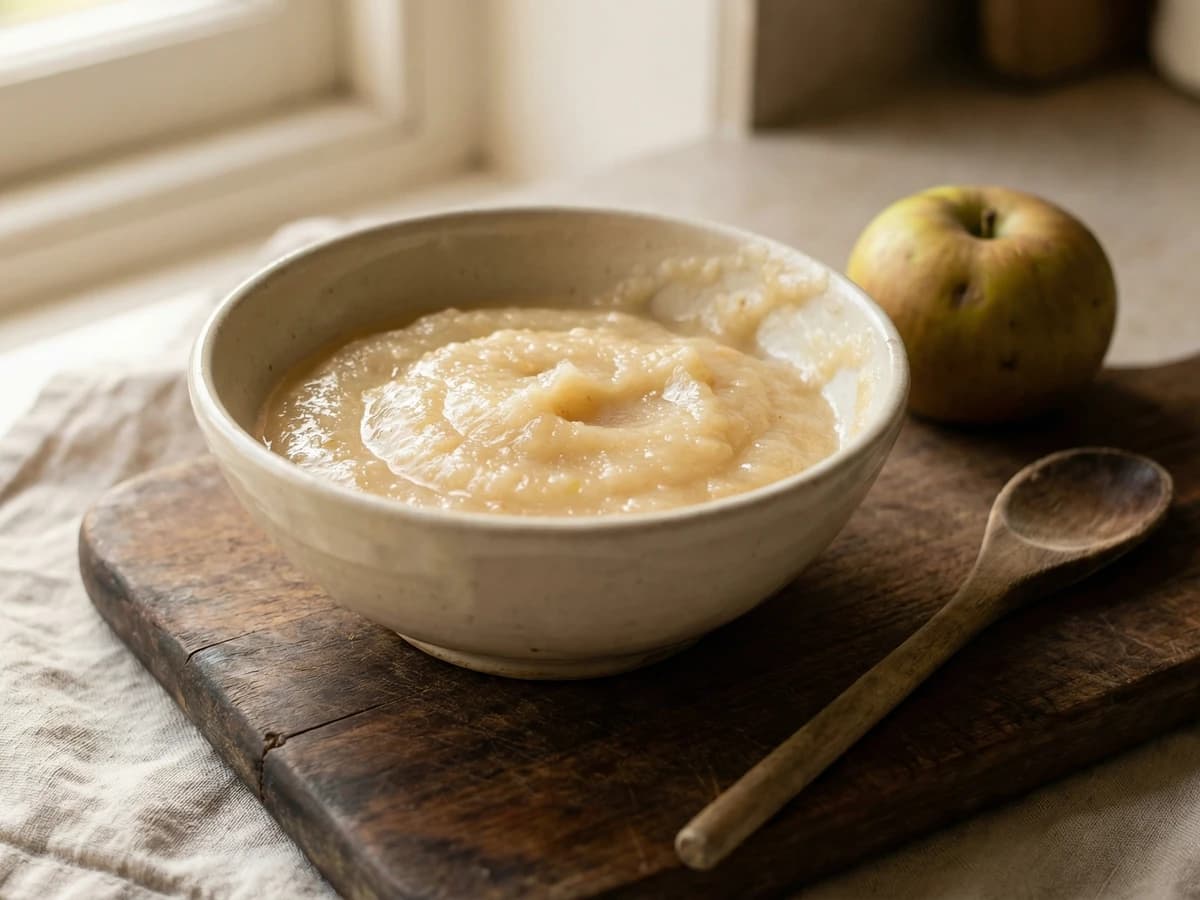
A bowl of sharp, fluffy Bramley apple sauce, made in the time it takes to carve the pork, the kind of small condiment that quietly makes the whole meal make sense.
Chef Thomas
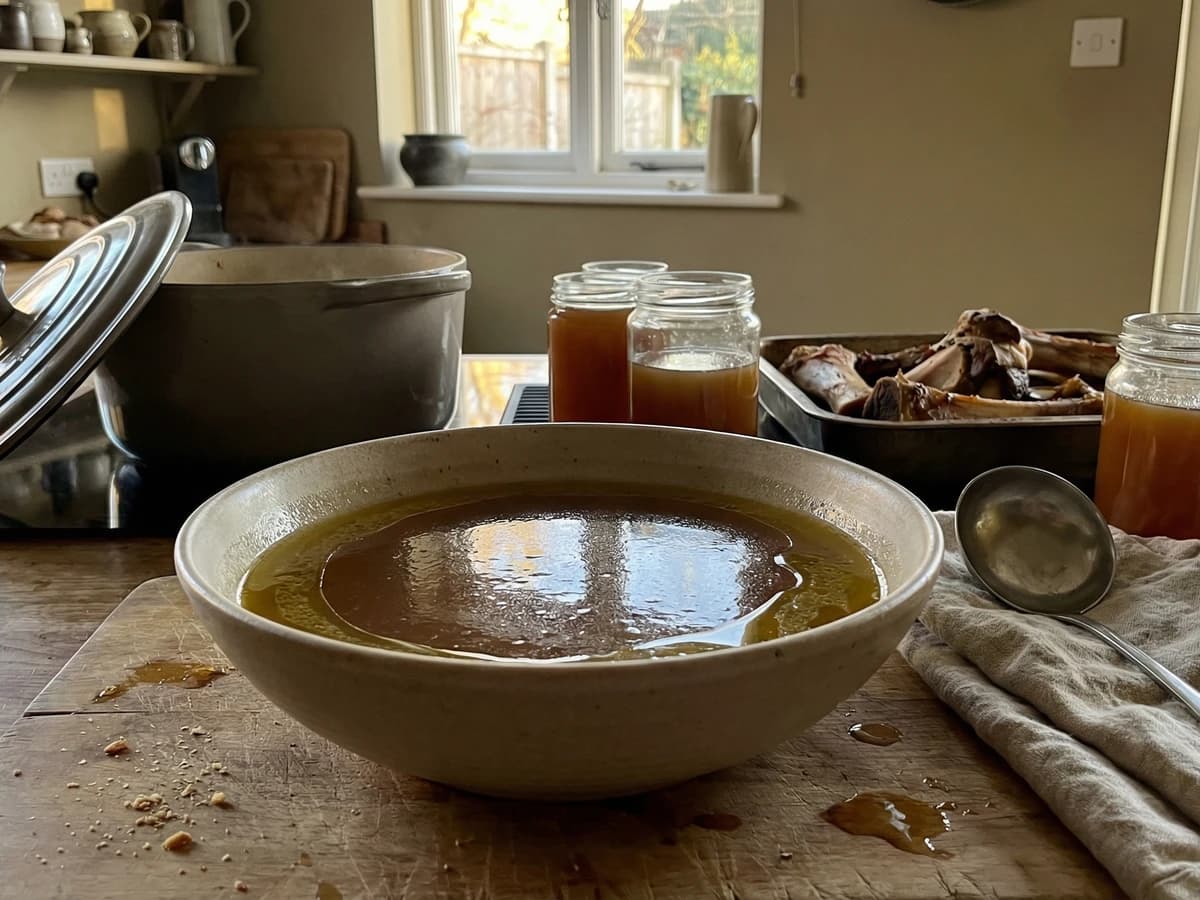
Beef bones roasted until dark, then coaxed for a long afternoon into a deep amber stock, the foundation of every good gravy, every braise, every bowl of winter soup worth the trouble.