Chef Remy
Creole Mustard Vinaigrette
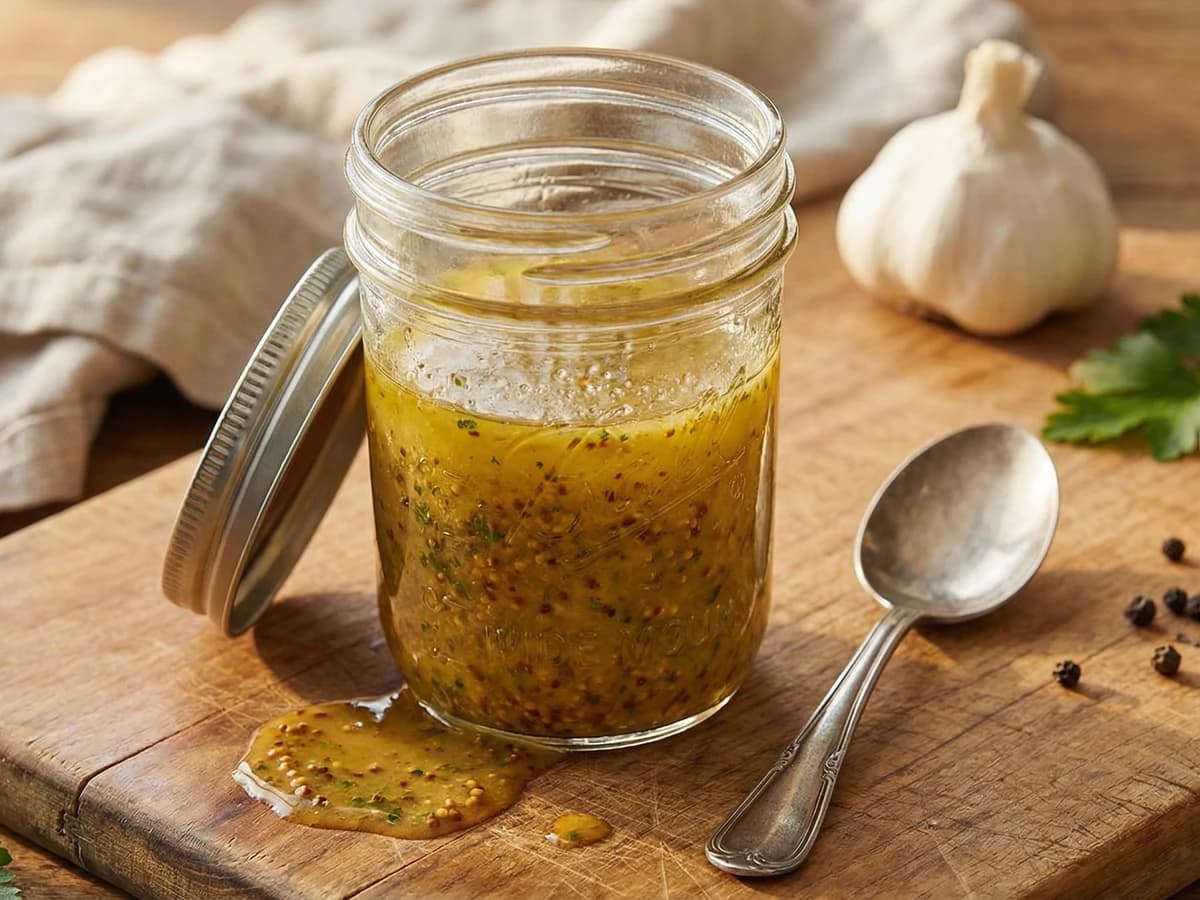
Sharp Creole mustard meets red wine vinegar and good olive oil, whisked into a peppery emulsion that wakes up everything it touches, from bitter greens to cold roast beef.
A cooking platform built around craft, culture, and the stories behind what we eat.
Created by Chef Remy
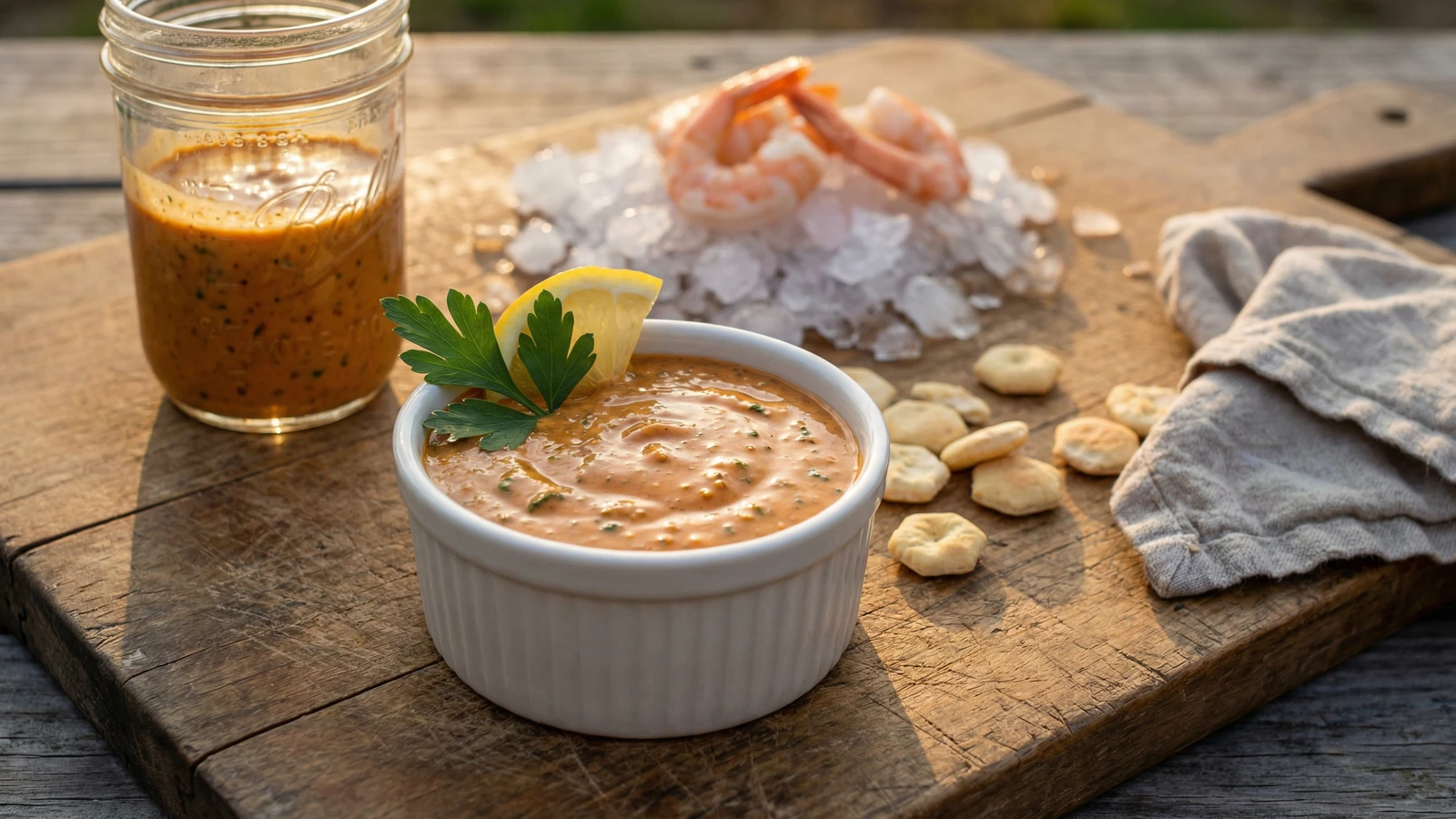
New Orleans' beloved scarlet sauce, creamy with Creole mustard and bright with horseradish, the kind of dip that turns a simple platter of boiled shrimp into a celebration worth remembering.
Every New Orleans kitchen worth its salt has a jar of remoulade in the icebox. This is the sauce that built a hundred seafood houses, the reason tourists line up for shrimp platters, the magic that transforms ordinary fried oysters into something you dream about for weeks. At Lagniappe, we go through gallons of this stuff every weekend.
Now, remoulade has French roots, but what we make in Louisiana barely resembles its ancestor. The French version is pale and polite. Ours is bold, rusty red, and unapologetic. That color comes from paprika and cayenne, that punch from Creole mustard and fresh horseradish. My grandmother Evangeline kept hers in a mason jar on the top shelf, and Lord help the grandchild who dipped a finger in without permission.
The secret is building flavor in stages. You start with the base of mayo and mustard, layer in your aromatics, then finish with heat and brightness. Taste as you go. Some folks like more heat, some want more tang. That's the beauty of making it yourself. At Lagniappe, we mix it fresh every morning because the flavors bloom and meld overnight. By day two, it's magic.
Quantity
1 cup
Duke's or homemade preferred
Quantity
3 tablespoons
Quantity
2 tablespoons
Quantity
1 tablespoon
Quantity
2 teaspoons
Crystal or Louisiana brand
Quantity
1 1/2 teaspoons
Quantity
1 teaspoon
Quantity
1/2 teaspoon
Quantity
1/4 teaspoon
freshly ground
Quantity
2
white and light green parts, minced fine
Quantity
2 tablespoons
minced
Quantity
2 cloves
minced to a paste
Quantity
1 rib
minced very fine
Quantity
1 tablespoon
drained and chopped
Quantity
1 teaspoon
| Ingredient | Quantity |
|---|---|
| mayonnaiseDuke's or homemade preferred | 1 cup |
| Creole mustard | 3 tablespoons |
| prepared horseradish | 2 tablespoons |
| fresh lemon juice | 1 tablespoon |
| hot sauceCrystal or Louisiana brand | 2 teaspoons |
| paprika | 1 1/2 teaspoons |
| cayenne pepper | 1 teaspoon |
| kosher salt | 1/2 teaspoon |
| black pepperfreshly ground | 1/4 teaspoon |
| green onionswhite and light green parts, minced fine | 2 |
| fresh flat-leaf parsleyminced | 2 tablespoons |
| garlicminced to a paste | 2 cloves |
| celeryminced very fine | 1 rib |
| capersdrained and chopped | 1 tablespoon |
| Worcestershire sauce | 1 teaspoon |
In a medium bowl, whisk together the mayonnaise and Creole mustard until completely smooth. This is your foundation. The mustard should be fully incorporated, no streaks, no lumps. Add the horseradish and whisk again. You'll smell it immediately. That sharp bite mellows as the sauce rests.
Whisk in the lemon juice, hot sauce, paprika, cayenne, salt, and black pepper. Watch the color transform from pale yellow to that gorgeous rusty orange. The paprika gives color and sweetness. The cayenne brings the heat. Start with the amounts listed, but know you'll adjust at the end. That's the bayou way.
Add the minced green onions, parsley, garlic paste, celery, capers, and Worcestershire sauce. Fold everything together with a rubber spatula until the herbs and aromatics are evenly distributed throughout. The sauce should look speckled with green and have visible texture from the mustard seeds and capers.
Now comes the most important step. Taste it. Really taste it. Need more heat? Add cayenne a pinch at a time. Too flat? A squeeze more lemon juice will wake it up. Not salty enough? Don't be shy. The sauce should be bold and assertive. It's going to share a plate with shrimp and fried foods, so it needs backbone.
Transfer the remoulade to a jar or covered container and refrigerate for at least one hour before serving. Overnight is better. The flavors need time to get acquainted, to meld and marry. When you taste it after resting, you'll understand why patience matters. The sauce will have become something greater than the sum of its parts.
1 serving (about 28g)
Culinary guides, cultural storytelling, and the editorial depth that makes cooking meaningful.
Discover Culinary ExplorerChef Remy
Sharp Creole mustard meets red wine vinegar and good olive oil, whisked into a peppery emulsion that wakes up everything it touches, from bitter greens to cold roast beef.
Chef Remy
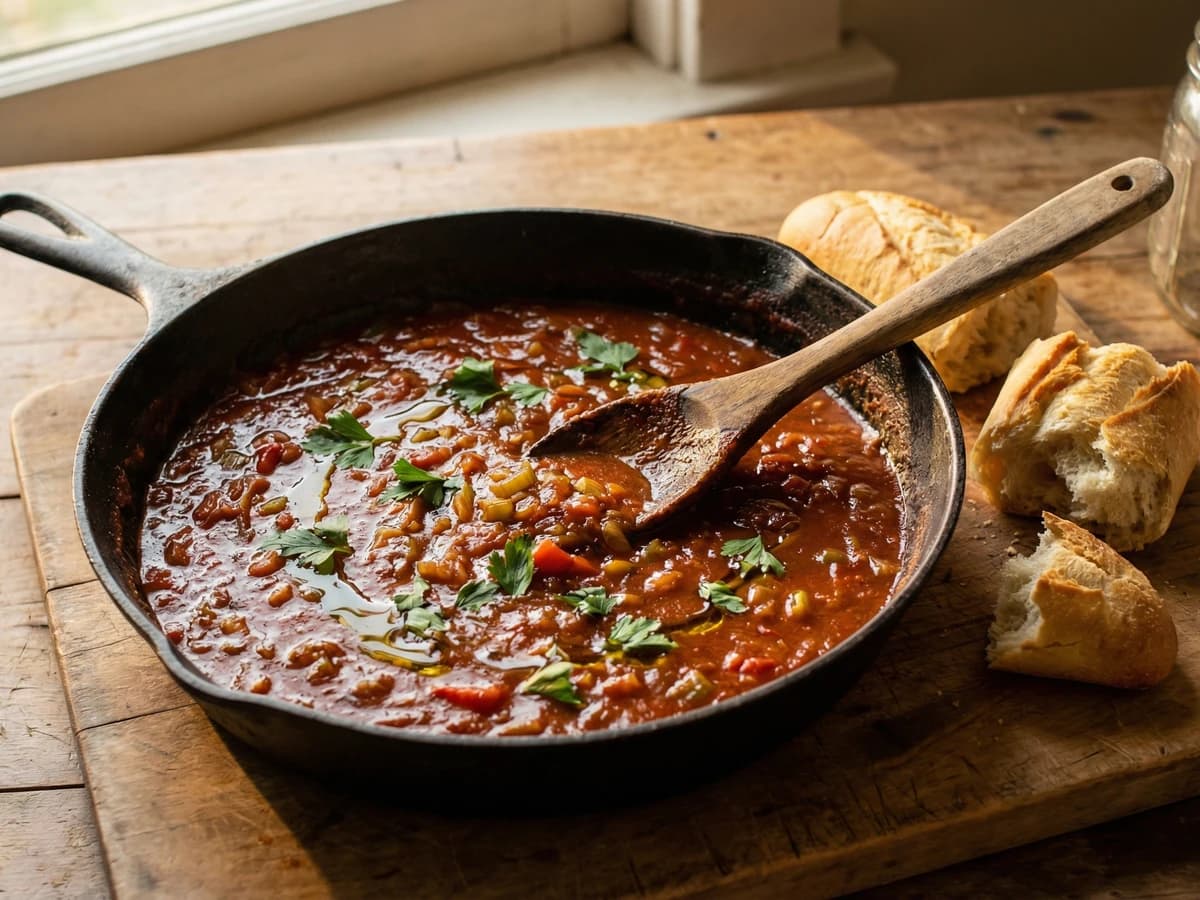
The mother sauce of New Orleans kitchens: slow-simmered tomatoes, the holy trinity, and enough garlic to keep the vampires at bay, spooned generously over everything from scrambled eggs to Sunday pasta.
Chef Remy
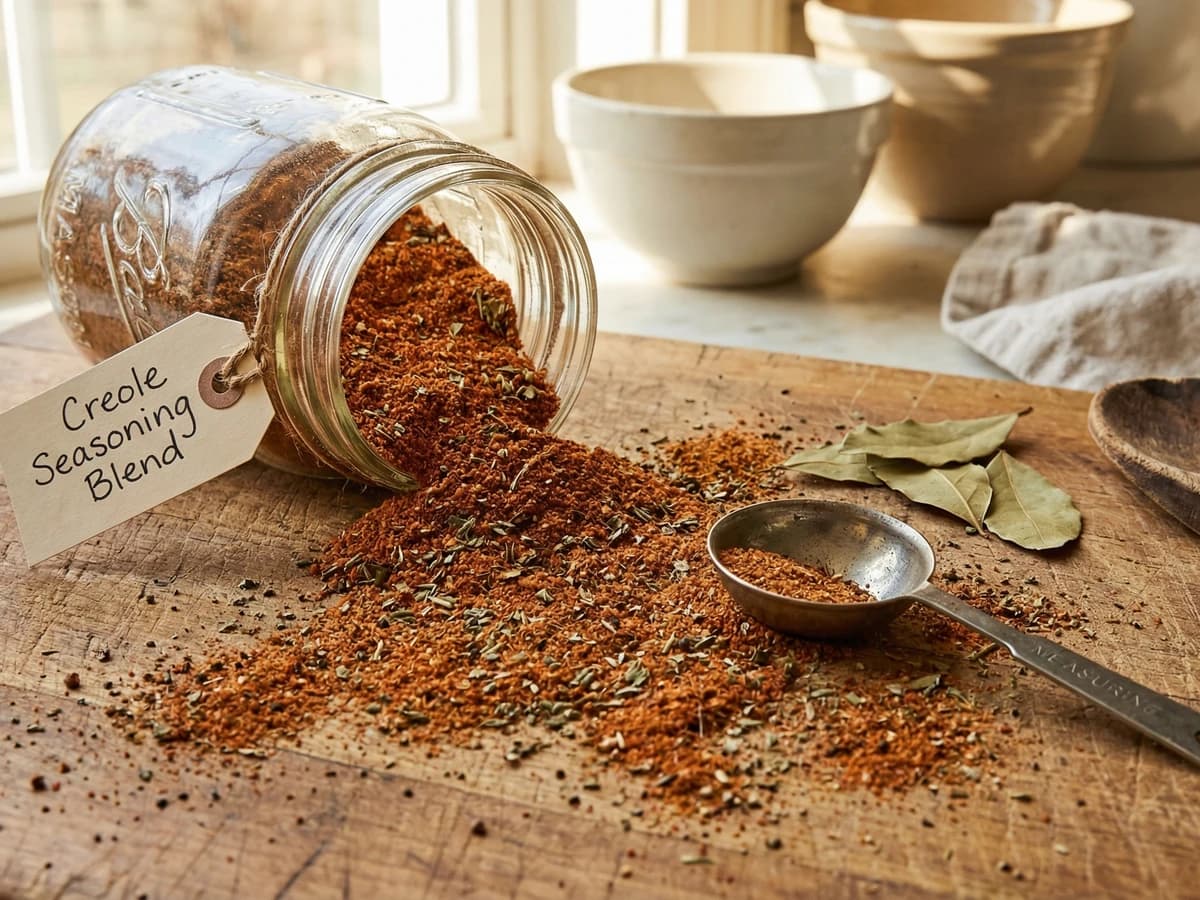
The aromatic foundation of New Orleans home cooking, where paprika meets dried herbs and three kinds of pepper build warmth without aggression, ready to transform everything from gumbo to grilled fish.
Chef Remy
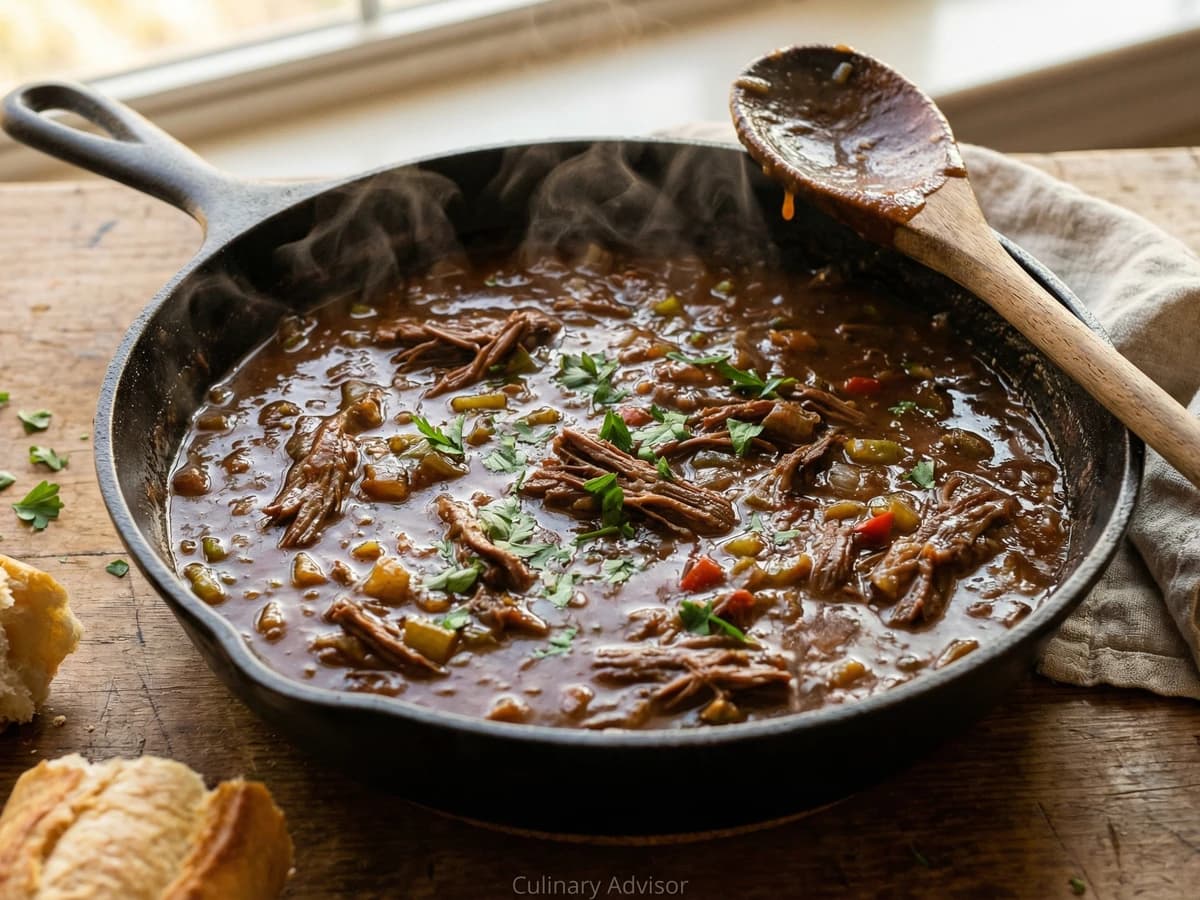
The dark, meaty essence of a proper New Orleans roast beef, slow-simmered until the beef falls apart into silky shreds swimming in rich, Worcestershire-kissed gravy that belongs on po'boys, rice, or anything that needs saving.