
Chef Remy
Bananas Foster Cheesecake
New Orleans' most famous dessert transformed into a showstopping cheesecake, with layers of buttery caramelized bananas, dark rum caramel, and a silky filling so rich it could make Brennan's jealous.
A cooking platform built around craft, culture, and the stories behind what we eat.

Created by Chef Remy
Louisiana's beloved tangy fresh cheese transformed into a silky frozen custard that tastes like a summer afternoon on a New Orleans porch, where the sweetness and tartness dance together in every cold, creamy spoonful.
Creole cream cheese is New Orleans in a bowl. Tangy, fresh, slightly sweet, and absolutely unique to this corner of Louisiana. For generations, folks in the city would find it at the morning market, spooned over fresh berries or eaten with a drizzle of cane syrup. Then it nearly disappeared. Commercial dairies stopped making it, and a whole generation grew up without knowing what they were missing.
At Lagniappe, we've always kept the tradition alive. I remember my grandmother Evangeline serving Creole cream cheese on Sunday mornings, the way the tang cut through the richness of her pain perdu. When I opened the restaurant, churning it into ice cream seemed natural. You take something already perfect and transform it into something cold, creamy, and unforgettable.
The technique here is pure custard work, the kind of slow, patient cooking that rewards attention. You're building layers of flavor: the richness of the eggs, the sweetness of the sugar, and that beautiful sour note from the cheese. A touch of lemon juice wakes everything up. The result tastes like nothing else, something between cheesecake and frozen yogurt but more sophisticated than either. This is the kind of dessert that makes people close their eyes and ask what they're eating.
Quantity
16 ounces
at room temperature
Quantity
2 cups
Quantity
1 cup
Quantity
3/4 cup
Quantity
6
Quantity
1 teaspoon
Quantity
1/4 teaspoon
Quantity
1 tablespoon
| Ingredient | Quantity |
|---|---|
| Creole cream cheeseat room temperature | 16 ounces |
| heavy cream | 2 cups |
| whole milk | 1 cup |
| granulated sugar | 3/4 cup |
| large egg yolks | 6 |
| pure vanilla extract | 1 teaspoon |
| fine sea salt | 1/4 teaspoon |
| fresh lemon juice | 1 tablespoon |
Bring your Creole cream cheese to room temperature, about an hour on the counter. Cold cheese will seize when it hits the warm custard, leaving you with grainy ice cream instead of silk. While it warms, set up an ice bath in a large bowl: fill it with ice and a cup of cold water. Nest a medium metal bowl inside and set a fine-mesh strainer over it. This is your safety net.
Combine the heavy cream, milk, and half the sugar in a heavy-bottomed saucepan. Set it over medium heat, stirring occasionally with a wooden spoon to dissolve the sugar. Watch for tiny bubbles forming around the edges and wisps of steam rising from the surface. You want it hot but not boiling, around 170 degrees if you're checking. This takes about five minutes.
While the dairy heats, whisk the egg yolks with the remaining sugar in a medium bowl until pale and slightly thickened, about two minutes of steady whisking. The mixture should fall in ribbons when you lift the whisk. This dissolves the sugar and begins building the custard's silky texture. Add the salt here too.
Here's where patience pays off. Ladle about half a cup of the hot cream into the yolks, whisking constantly as you pour. This raises their temperature gradually. Add another ladle, still whisking. Now pour the warmed yolk mixture back into the saucepan in a slow, steady stream, whisking the whole time. Rush this step and you'll have sweet scrambled eggs. That's the bayou way: slow down and pay attention.
Return the saucepan to medium-low heat. Stir constantly with a wooden spoon, scraping the bottom and corners where eggs like to cook first. The custard is ready when it thickens enough to coat the back of your spoon and holds a line when you draw your finger through it. This takes six to eight minutes. Do not let it boil or you will curdle the eggs.
Immediately pour the custard through the strainer into the bowl set over ice. The strainer catches any bits of cooked egg, and the ice bath stops the cooking instantly. Stir the custard occasionally as it cools, which takes about fifteen minutes. You're looking for the mixture to be cool to the touch, not just warm.
Add the room-temperature Creole cream cheese, vanilla, and lemon juice to the cooled custard. Whisk until completely smooth, breaking up any lumps. The lemon juice brightens the tanginess that makes this ice cream special. Taste it now. The base should taste slightly too sweet, as freezing dulls sweetness. Adjust if needed.
Press plastic wrap directly onto the surface of the custard to prevent a skin from forming. Refrigerate for at least four hours, or overnight. The colder the base, the faster it churns and the smoother your ice cream. Overnight is better. The flavors marry and deepen.
Pour the chilled base into your ice cream maker and churn according to the manufacturer's directions, usually twenty to twenty-five minutes. The ice cream is ready when it looks like soft-serve and holds its shape when you lift the paddle. It should mound rather than pour.
Transfer the soft ice cream to a freezer-safe container, pressing plastic wrap directly onto the surface. Freeze for at least four hours until firm but scoopable. The ice cream will keep for two weeks, though it's rarely around that long. Let it sit at room temperature for five minutes before scooping for the creamiest texture.
1 serving (about 120g)
Culinary guides, cultural storytelling, and the editorial depth that makes cooking meaningful.
Discover Culinary ExplorerChef Remy
New Orleans' most famous dessert transformed into a showstopping cheesecake, with layers of buttery caramelized bananas, dark rum caramel, and a silky filling so rich it could make Brennan's jealous.
Chef Remy
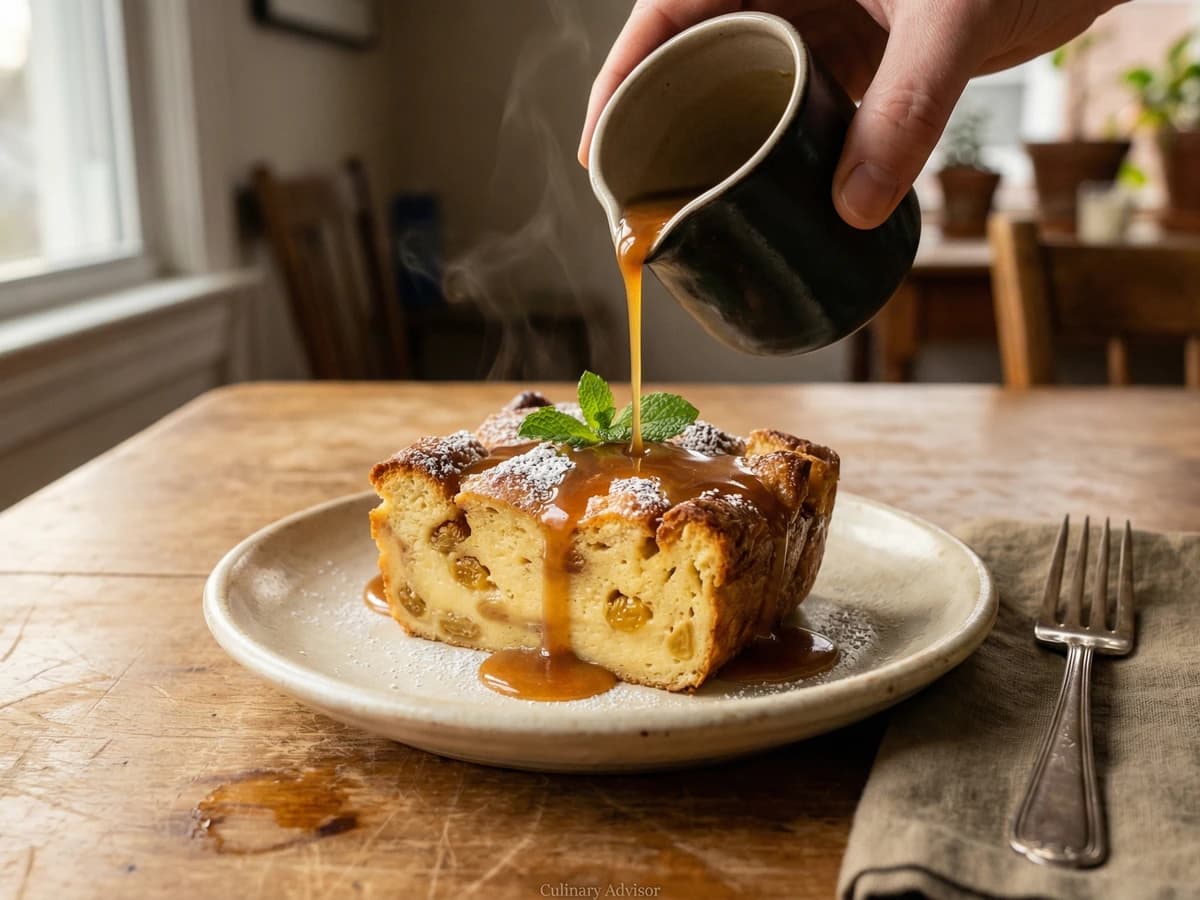
Stale French bread reborn in a bath of vanilla custard, baked until golden and trembling, then baptized tableside with a sinfully rich bourbon sauce that pools into every crevice

Chef Remy
Silky bittersweet chocolate custard steeped with chicory coffee from a New Orleans morning, baked low and slow until it trembles like velvet, served cold with clouds of sweetened cream.

Chef Remy
Day-old French bread transformed into a golden, custardy masterpiece, soaked through with vanilla and cinnamon, then crowned with a warm bourbon sauce so good you'll want to drink it straight from the pan.