
Chef Dean
Noodle Kugel with Cinnamon
A golden-topped casserole of tender egg noodles bound in sweet custard, studded with plump raisins, and crowned with a shattering cinnamon streusel that fills the kitchen with warmth.
A cooking platform built around craft, culture, and the stories behind what we eat.
Created by
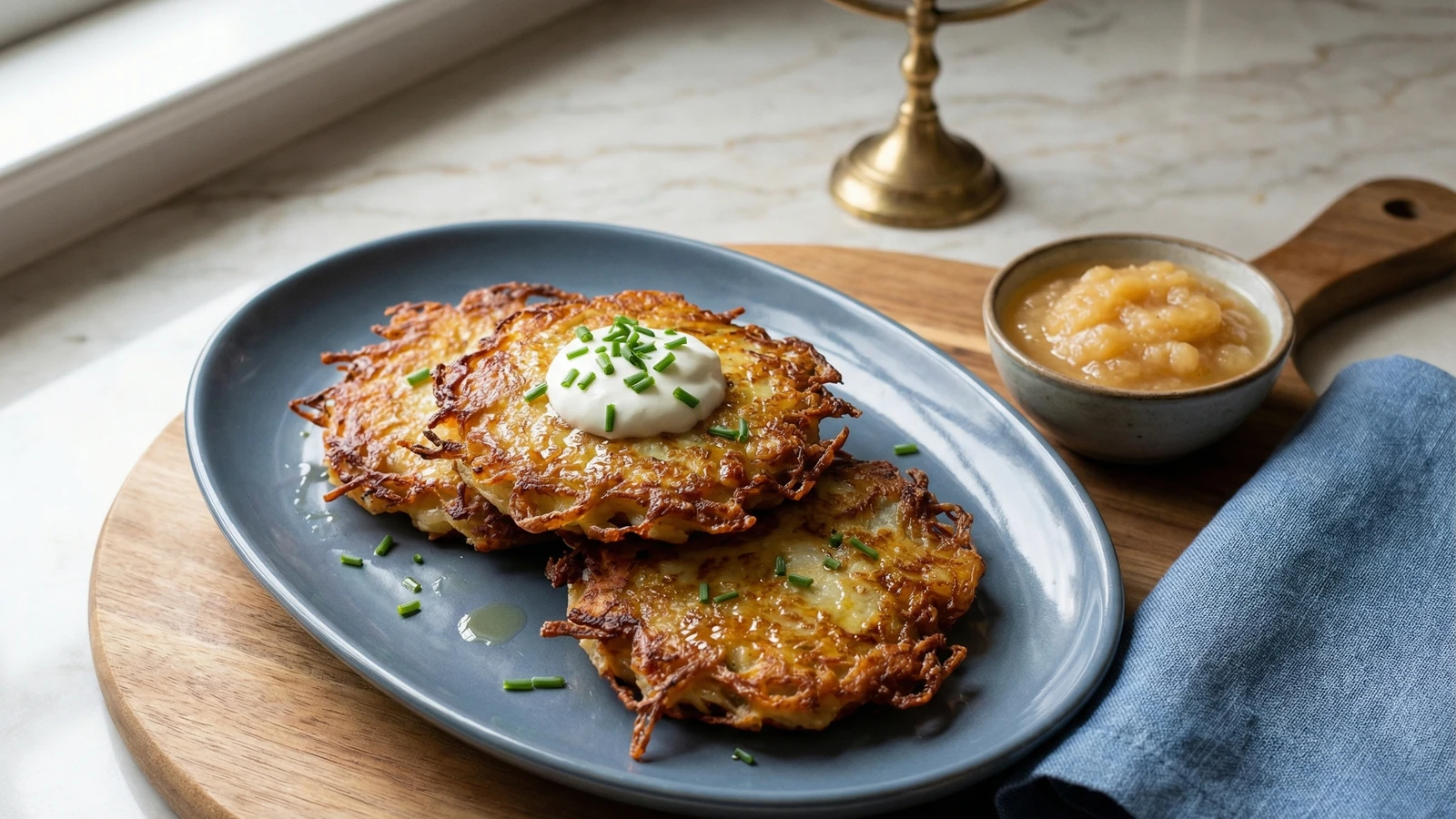
Shatteringly crisp potato pancakes with lacy golden edges and tender, onion-flecked centers. This is the latke your grandmother made if she knew her way around a box grater and a heavy skillet.
The latke carries more weight than its humble ingredients suggest. This simple pancake of shredded potato, onion, and egg commemorates the miracle of Hanukkah: oil that should have lasted one day burning for eight. Every latke fried in your kitchen continues a tradition stretching back centuries, connecting your table to generations of Jewish cooks who understood that the sacred and the delicious are not separate things.
The technique matters more than the recipe. I've watched cooks use identical ingredients and produce wildly different results. The difference lives in three places: how thoroughly you remove moisture from the potatoes, how hot you keep your oil, and whether you have the courage to leave the latkes alone while they fry. Fussing produces pale, soggy pancakes. Patience produces lacework edges that shatter at first bite.
Russet potatoes give you the starch you need for binding and the texture you want for crispness. The onion does double duty: flavor and moisture control. Grated onion releases liquid that mixes with potato starch, creating a natural binder that holds everything together. Some cooks add matzo meal. I find a tablespoon helps absorb excess moisture without making the latkes heavy. Adjust based on how wet your potato mixture looks after squeezing.
For large gatherings, know this: latkes wait for no one, but they can be made ahead. Fry them, cool them, freeze them, and reheat in a hot oven when your guests arrive. They won't be quite as transcendent as fresh from the pan, but they'll be good. Very good. And you'll actually get to sit down at your own table.
Quantity
2 1/2 pounds (about 5 medium)
Quantity
1 large
Quantity
2
beaten
Quantity
1 tablespoon
Quantity
1 1/2 teaspoons
Quantity
1/2 teaspoon
Quantity
about 1 cup
for frying
Quantity
for serving
Quantity
for serving
| Ingredient | Quantity |
|---|---|
| russet potatoes | 2 1/2 pounds (about 5 medium) |
| yellow onion | 1 large |
| large eggsbeaten | 2 |
| matzo meal or all-purpose flour | 1 tablespoon |
| kosher salt | 1 1/2 teaspoons |
| freshly ground black pepper | 1/2 teaspoon |
| vegetable oilfor frying | about 1 cup |
| applesauce | for serving |
| sour cream (optional) | for serving |
Peel the potatoes and grate them on the large holes of a box grater into a large bowl. Work quickly; potatoes oxidize and turn gray when exposed to air. Grate the onion directly into the same bowl. The onion's acidity helps slow the browning, so mix everything together immediately. If you prefer a food processor, use the shredding disc, but know that the texture will be slightly more uniform than hand-grated.
This step separates good latkes from great ones. Transfer the potato-onion mixture to a clean kitchen towel or cheesecloth. Gather the corners and twist over the sink, squeezing with genuine force until the liquid stops flowing. You'll be surprised how much comes out. Open the towel, stir the mixture, and squeeze again. The potatoes should feel almost dry to the touch. Let the expressed liquid sit for five minutes; potato starch will settle to the bottom. Pour off the water carefully and scrape that white starch back into your potato mixture. This is free binding power.
Add the beaten eggs, matzo meal, salt, and pepper to the squeezed potato mixture. Stir with a fork until everything is evenly combined. The mixture should hold together loosely when pressed but still look shaggy, not smooth. If it seems wet, add another teaspoon of matzo meal. If it seems too dry to hold together, you've done an excellent job squeezing, so add a splash of the reserved potato water.
Pour oil into a large cast iron or heavy-bottomed skillet to a depth of about 1/4 inch. Heat over medium-high until a small piece of potato mixture sizzles immediately and vigorously when dropped in. A thermometer should read 365 to 375 degrees. This temperature matters. Too cool and the latkes absorb oil and turn greasy. Too hot and they brown before cooking through. Line a sheet pan with paper towels and set it near the stove.
Scoop about 2 tablespoons of the potato mixture and drop it into the hot oil. Use the back of a fork to gently flatten into a 3-inch round. Don't pack it tight; loose edges fry into those coveted lacy, crispy bits. Add 3 or 4 more latkes to the pan, leaving space between each. Fry undisturbed for 3 to 4 minutes until the edges turn deep golden and the bottom is richly browned. Flip carefully and fry another 3 minutes until the second side matches. The latkes should be uniformly golden with darker spots at the edges. Transfer to the prepared sheet pan.
Between batches, skim out any burnt potato shreds floating in the oil. These will give subsequent latkes a bitter taste. Let the oil return to temperature before adding the next batch. If the oil level drops below 1/4 inch, add more and wait for it to heat through. Rush this step and you'll produce latkes that look done but aren't. The oil temperature drops when cold batter hits it; patience lets it recover.
Sprinkle each batch with a pinch of flaky salt while still hot. Serve immediately on a warm platter with applesauce and sour cream on the side. Traditionally, guests choose their camp: sweet applesauce devotees on one side, tangy sour cream loyalists on the other. There is no wrong answer, and many find wisdom in using both.
1 serving (about 140g, 3 latkes)
Culinary guides, cultural storytelling, and the editorial depth that makes cooking meaningful.
Discover Culinary ExplorerChef Dean
A golden-topped casserole of tender egg noodles bound in sweet custard, studded with plump raisins, and crowned with a shattering cinnamon streusel that fills the kitchen with warmth.

Chef Dean
Golden-crusted potato casserole with crispy edges and a tender, onion-laced interior. This is the kugel that silences a table of relatives, the one they'll ask you to bring every year.

Chef Dean
Burnished orange latkes with lacey crisp edges and tender centers, honoring the Hanukkah tradition of foods fried in oil while bringing the natural sweetness of American sweet potatoes to the holiday table.
Chef Dean
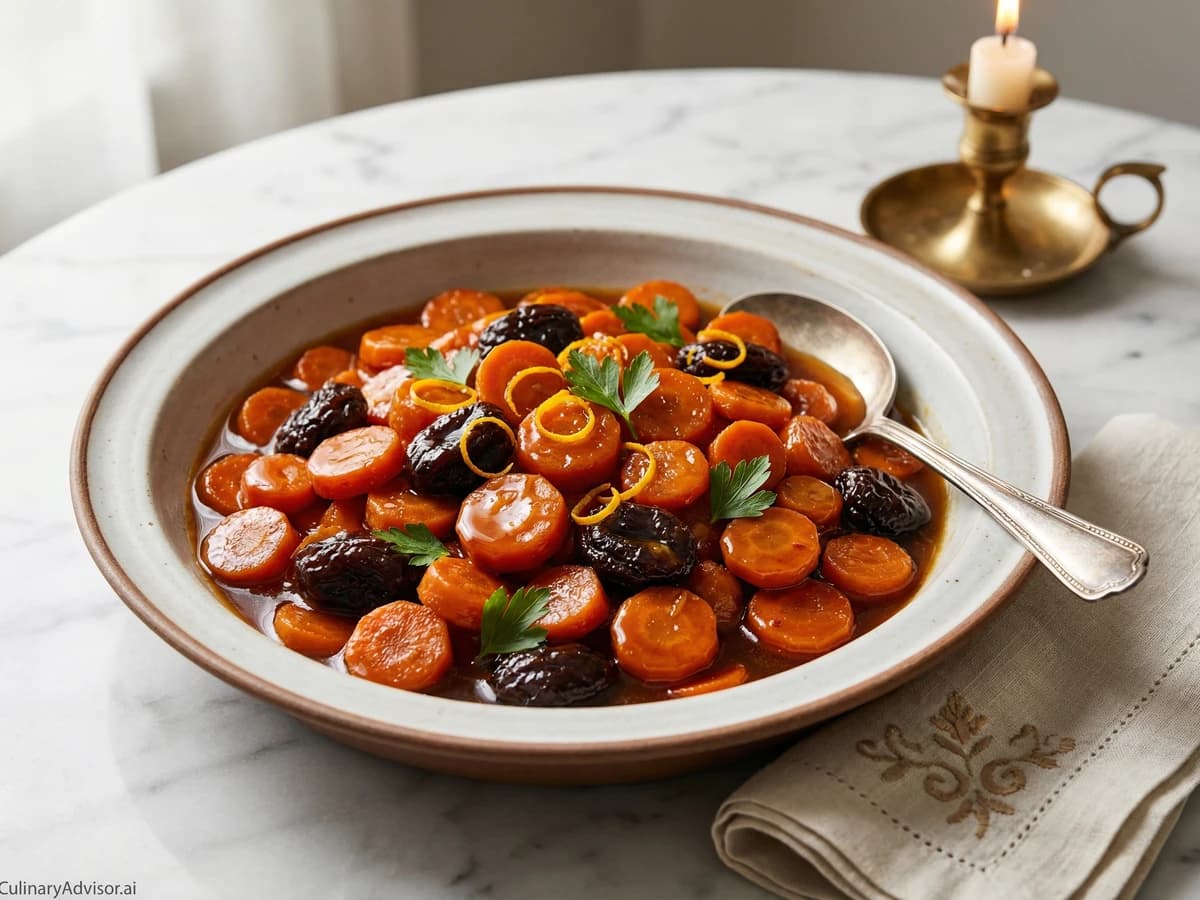
Tender carrots and plump prunes braised low and slow in honey and warm spices, a dish that honors generations of Jewish grandmothers who understood that sweetness is both flavor and blessing.