Michoacán's tiny lake fish, rinsed, dried hard, and fried in manteca until they crack under your teeth, served with lime, salsa de chile de árbol, and warm corn tortillas.
Appetizers & Snacks
Mexican
Outdoor Dining
Budget Friendly
Game Day
20 min
Active Time
15 min cook•35 min total
Yield4 botana servings
Michoacán, the lake region of Pátzcuaro, is where these charales live. The lake sits between Pátzcuaro, Janitzio, Tzintzuntzan, Erongarícuaro, and the Purépecha villages that learned long ago how to eat what the water gave them. The fishermen bring in the little silver fish. The women at the market know how to rinse, dry, and fry them so every head, tail, and bone turns crisp enough to eat.
Do not confuse this with a seafood fry from the coast. This is inland Michoacán: lake fish, chile de árbol, sal de grano, lime, warm corn tortillas, and a molcajete salsa that bites clean. The charal is the ingredient. If it isn't from Pátzcuaro, ask what lake it came from. Pregúntale a las señoras del mercado.
I first ate them from a green-glazed barro plate near the muelle in Pátzcuaro, the kind of plate a Tzintzuntzan potter would recognize. The señora who served them did not drown them in sauce. She told me, 'se fríen secos,' fry them dry. That is the technique. Wet fish gives you leathery fish. Dry fish in hot manteca gives you a botana that cracks under your teeth. Así se hace y punto.
Charales are small freshwater silversides of the genus Chirostoma, not juvenile sardines, and the Lake Pátzcuaro basin has supported multi-species fishing for centuries. The Purépecha state, centered around Tzintzuntzan in the Late Postclassic period, about 1350 to 1521, used the lake for fish, reeds, movement, and trade, and dried fish traveled farther than fresh fish could. In 2010 UNESCO recognized Traditional Mexican Cuisine through the Michoacán paradigm, a reminder that dishes like fried charales belong to a living lake culture, not a tourist snack invented for the plaza.
The technique, the tradition, and the story behind every dish.
•Cast iron comal for roasting chile de árbol and tomatoes
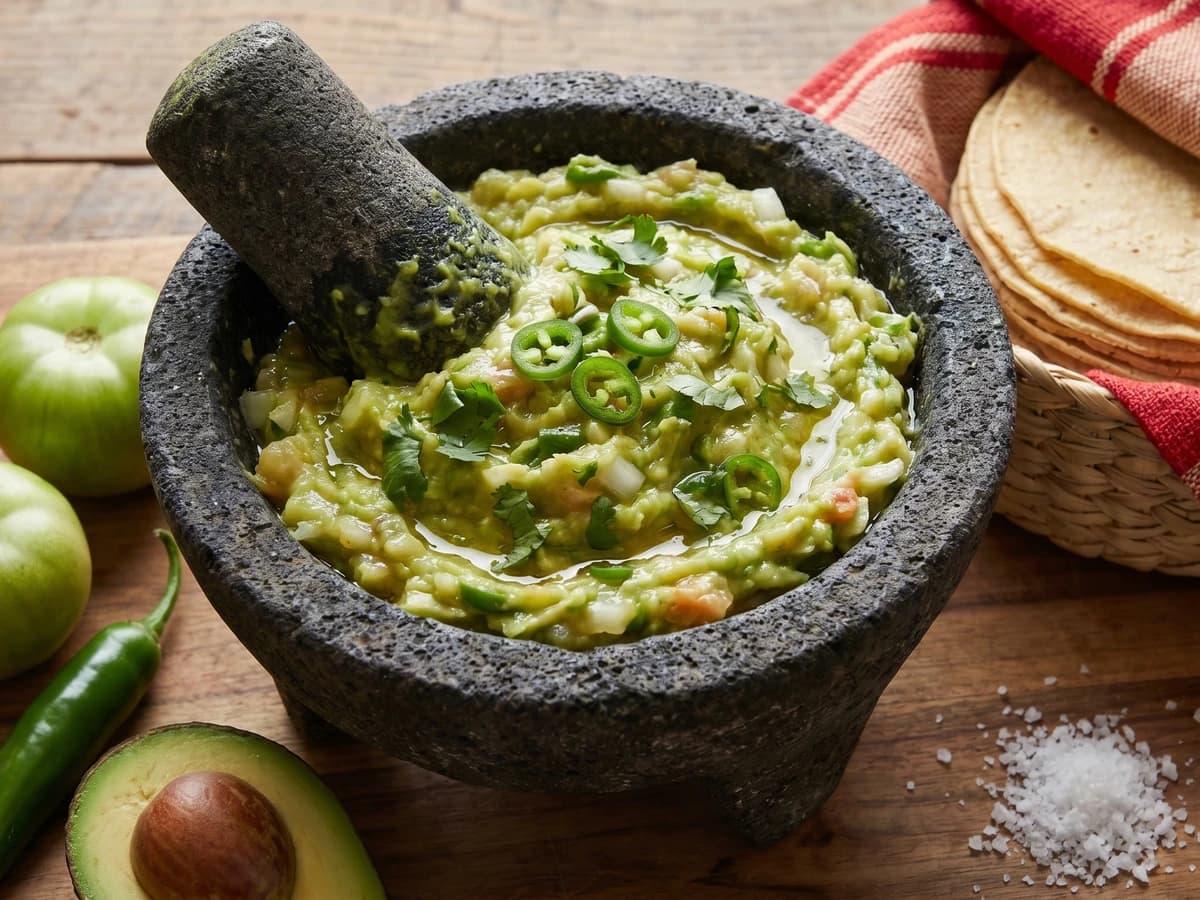
•Volcanic stone molcajete for salsa martajada
•Wide clay cazuela or heavy skillet for shallow frying
•Slotted spoon or kitchen spider
•Green-glazed Michoacán barro plate from Tzintzuntzan for serving
Instructions
1
Pick the charales
Spread the dried charales on a tray and pick through them with your fingers. Remove grit, reed bits, and anything that does not belong. Leave the heads and tails. The whole fish is the point. If they smell rancid, bitter, or like old oil, do not cook them. Good charales smell clean, salty, and faintly lake-like.
2
Rinse and dry
Put the charales in a bowl of cold water and swish them for 30 seconds. If they are very salty, let them sit for 5 minutes, no longer. Drain well, spread them over a clean towel, and pat them dry. Let them sit uncovered for 10 minutes. They must be dry before they touch the fat. No me vengas con atajos.
Do not soak the charales like beans. You are removing dust and excess salt, not washing away the flavor of the lake.
3
Roast the salsa
Heat a dry comal over medium. Toast the chile de árbol for 10 to 15 seconds per side, just until fragrant and a shade darker. Remove them before they blacken. Roast the tomatoes and unpeeled garlic on the same comal, turning often, until the tomato skins blister and the garlic softens. The salsa should taste roasted, not burned.
4
Grind the salsa
Peel the garlic. In a molcajete, grind the garlic with the sal de grano until it becomes a paste. Add the toasted chile de árbol and crush it into the salt and garlic. Add the roasted tomatoes one at a time and martajar, pound and drag, until the salsa is rough and red. Add warm water only if it needs loosening. This is a salsa for fried fish, not soup.
If you do not have a molcajete, pulse the salsa in a blender two or three times. Do not make it smooth. A molcajete salsa has texture, and texture matters here.
5
Heat the manteca
Melt the manteca de cerdo in a wide clay cazuela or heavy skillet over medium-high heat. You want about 1/4 inch of fat across the bottom. Drop in one charal as a test. It should sizzle immediately and curl at the edges. La manteca es el sabor, and for this botana it gives a rounder fry than thin oil.
6
Fry in batches
Add the charales in small handfuls, keeping them in a loose single layer. Fry for 90 seconds to 2 minutes, stirring once or twice, until they turn golden, stiff, and crisp. Listen to the pan. The loud bubbling will settle into a finer crackle when the moisture is gone. Do not let them go black. Burned little fish are still burned fish.
7
Drain and taste
Lift the charales out with a slotted spoon and drain them on brown paper or a wire rack. Taste one before adding salt. Dried charales often carry plenty already. If they need it, add only a small pinch of sal de grano while they are still hot. Squeeze lime at the table, not in the serving plate, or the crispness softens before anyone eats.
8
Serve in barro
Mound the charales on a green-glazed Michoacán barro plate. Set the molcajete salsa, lime halves, warm corn tortillas or tostadas, and diced white onion on the table. Eat them as a botana with lime and salsa, or fold them into a tortilla while they are still crisp. Cada estado, su propia cocina.
Chef Tips
•Buy charales from a vendor who can tell you where they came from. At the Mercado de Pátzcuaro, ask for charal seco para freír. They should look silvery, not yellow, and they should smell clean. Si no conoces el mercado, no conoces la cocina.
•Lake Pátzcuaro's fisheries have pressure on them, so buy from people who handle and dry the fish properly. Anonymous old packets from the back of a store are not a bargain. They are a punishment.
•If you cannot find charales from Pátzcuaro, Mexican charales from Chapala or another central lake will fry well, but understand the compromise. You are making a good botana, not the Pátzcuaro one.
•Do not crowd the pan. Charales are tiny, but they still need room. A crowded pan gives you chewy fish instead of crisp fish.
•Salt only after tasting. Many dried charales are already salted hard enough to carry the tortilla, the lime, and the salsa.
Advance Preparation
•The salsa de chile de árbol can be made up to one day ahead and refrigerated, but it tastes brighter the day it is ground.
•The charales can be picked over ahead of time. Rinse and dry them no more than 2 hours before frying, then keep them uncovered in the refrigerator until the fat is hot.
•Do not fry charales ahead for a serious table. They are best within minutes. If you must, re-crisp them in a 375F oven for 4 to 5 minutes, knowing they will not be as good.
Frequently Asked Questions
Nutrition Information
1 serving (about 215g)
Calories
485 calories
Total Fat
20 g
Saturated Fat
7 g
Trans Fat
0 g
Unsaturated Fat
13 g
Cholesterol
175 mg
Sodium
1600 mg
Total Carbohydrates
38 g
Dietary Fiber
6 g
Sugars
2 g
Protein
40 g
Where cooking meets culture.
Culinary guides, cultural storytelling, and the editorial depth that makes cooking meaningful.