
Chef Dean
Alabama White BBQ Sauce
The tangy, pepper-flecked original from Decatur, Alabama that defies everything you think you know about barbecue sauce. Creamy, sharp, and utterly addictive on smoked chicken.
A cooking platform built around craft, culture, and the stories behind what we eat.

Created by
A bold, golden sauce born from South Carolina's German heritage and African American pitmaster traditions. Sharp mustard tang, mellow sweetness, and enough cayenne heat to keep you honest.
South Carolina stands alone in the American barbecue landscape. While the rest of the country slathers meat in tomato-based sauces, the Midlands and Lowcountry regions pour liquid gold. This mustard-based sauce traces its roots to German immigrants who settled around Columbia in the eighteenth century. They brought their preference for mustard. The enslaved African Americans who perfected the region's barbecue traditions transformed it into something entirely new.
The balance here matters. Too much sugar and you've made honey mustard for a sad airport sandwich. Too little and the sauce bites without pleasure. What you're after is that moment when the sharp tang of yellow mustard meets the round sweetness of brown sugar, bridged by the bright acidity of cider vinegar. The cayenne should warm your throat, not assault it.
I've eaten this sauce on pulled pork at roadside joints from Orangeburg to Hemingway. The best versions share a quality: they complement the meat without overwhelming it. The smoke still comes through. The pork still tastes like pork. The sauce just makes everything better. That's what you're making here.
Quantity
1 cup
Quantity
1/2 cup
Quantity
1/3 cup
packed
Quantity
2 tablespoons
Quantity
1 tablespoon
Quantity
2 teaspoons
Quantity
1 teaspoon
Quantity
1 teaspoon
Quantity
1/2 teaspoon
freshly ground
Quantity
1/2 teaspoon
Quantity
1/4 teaspoon
Quantity
1/4 teaspoon
| Ingredient | Quantity |
|---|---|
| yellow mustard | 1 cup |
| cider vinegar | 1/2 cup |
| light brown sugarpacked | 1/3 cup |
| honey | 2 tablespoons |
| unsalted butter | 1 tablespoon |
| Worcestershire sauce | 2 teaspoons |
| garlic powder | 1 teaspoon |
| onion powder | 1 teaspoon |
| black pepperfreshly ground | 1/2 teaspoon |
| cayenne pepper | 1/2 teaspoon |
| kosher salt | 1/4 teaspoon |
| smoked paprika | 1/4 teaspoon |
Measure the yellow mustard and cider vinegar into a medium saucepan. Whisk them together until smooth. The mustard will resist at first. Keep whisking until you have a uniform golden liquid with no lumps hiding at the bottom. This is your foundation. Everything else builds on this balance of sharp and sour.
Add the brown sugar and honey to the mustard mixture. Whisk thoroughly to dissolve the sugar. The honey adds a floral note the brown sugar alone can't provide. You'll see the color deepen slightly as the sugars incorporate.
Whisk in the Worcestershire sauce, garlic powder, onion powder, black pepper, cayenne, salt, and smoked paprika. Each addition builds complexity. The Worcestershire provides umami depth. The cayenne brings measured heat. The smoked paprika nods to the pitmaster's fire without overwhelming the mustard's brightness.
Place the saucepan over medium-low heat. Bring the mixture to a gentle simmer, stirring frequently. Watch for small bubbles breaking lazily at the surface. You're not looking for a rolling boil. Aggressive heat will cause the sugars to caramelize unevenly and the vinegar to volatilize, throwing off your balance.
Let the sauce simmer gently for 15 to 20 minutes, stirring every few minutes. The raw edge of the vinegar will soften. The spices will bloom and integrate. You'll know it's ready when the sauce coats a spoon evenly and the aroma has shifted from sharp mustard to something rounder and more complex. The color will deepen to a rich golden amber.
Remove the saucepan from heat. Add the butter and stir until it melts completely into the sauce. This final addition creates a subtle silkiness and rounds any remaining sharp edges. The sauce should now have a glossy sheen.
Dip a clean spoon and taste. The sauce should hit you with mustard tang first, followed by sweetness, then a gentle warmth from the cayenne. If it's too sharp, add another teaspoon of honey. Too sweet, splash in more vinegar. Too mild, increase the cayenne by a pinch. Trust your palate. You're the one who has to eat it.
Let the sauce cool to room temperature before transferring to a clean glass jar with a tight-fitting lid. The sauce will thicken slightly as it cools. Refrigerate for at least 4 hours before using to allow the flavors to fully integrate. Overnight is better. A week is better still.
1 serving (about 62g)
Culinary guides, cultural storytelling, and the editorial depth that makes cooking meaningful.
Discover Culinary ExplorerChef Dean
The tangy, pepper-flecked original from Decatur, Alabama that defies everything you think you know about barbecue sauce. Creamy, sharp, and utterly addictive on smoked chicken.

Chef Dean
A smoky, bittersweet gravy built on bacon drippings, strong black coffee, and good bourbon—the kind of sauce that turns a simple breakfast into something worth waking up for.
Chef Remy
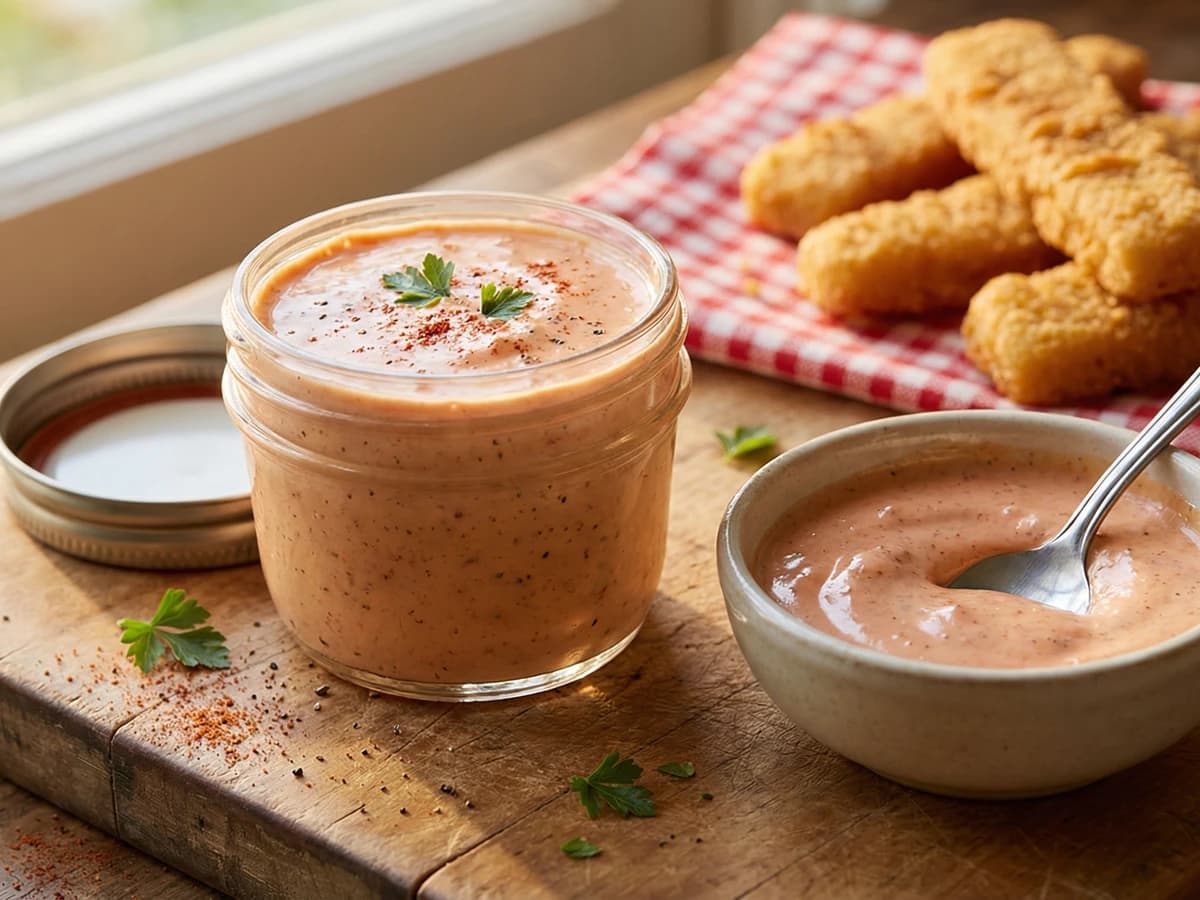
Mississippi's beloved dipping sauce, tangy and sweet with a whisper of heat, the kind of condiment that turns ordinary food into something you can't stop eating and keeps you reaching for one more bite.
Chef Remy
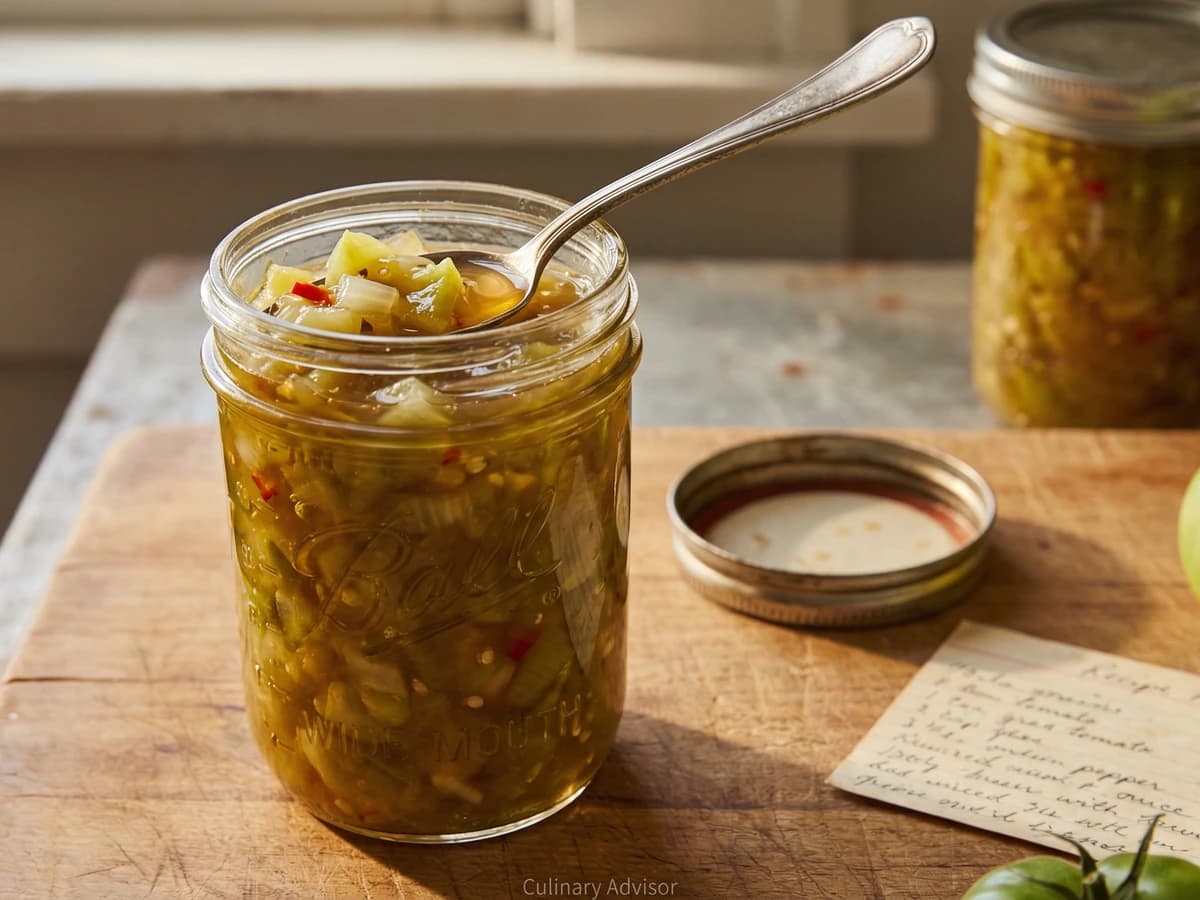
Crisp green tomatoes, sweet onions, and colorful peppers transformed into a tangy, vibrant relish that belongs in every Southern pantry, ready to elevate hot dogs, pork chops, and black-eyed peas into something memorable.