Culinary Explorer

A cooking platform built around craft, culture, and the stories behind what we eat.
Discover Culinary Explorer
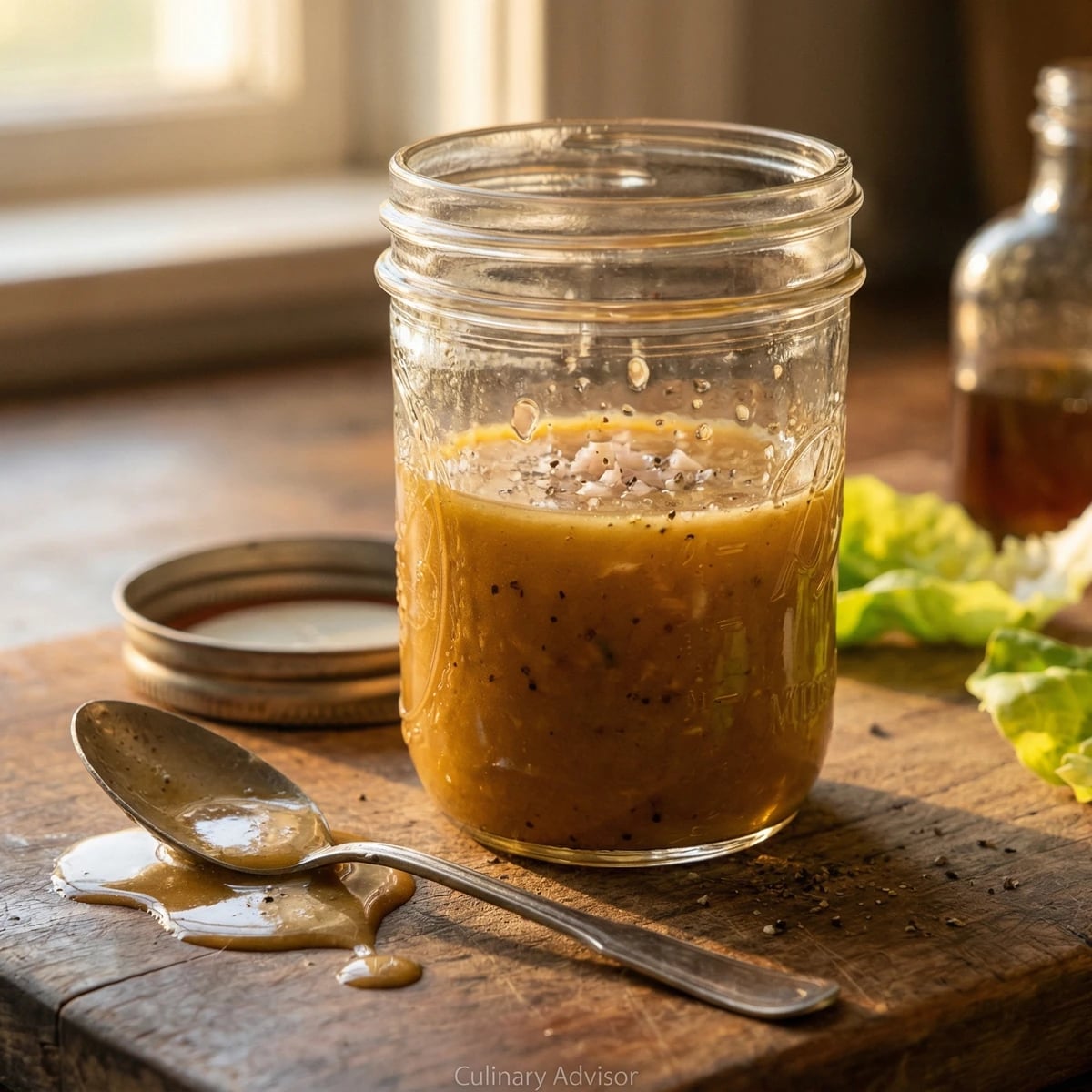
Cane Syrup Vinaigrette

Cane Syrup Vinaigrette

Created by Chef Remy

Dark Louisiana cane syrup meets sharp cider vinegar and spicy Creole mustard in a dressing that makes bitter greens sing and transforms any salad into something worth fighting over.

Sauces & Condiments
Cajun
Meal Prep
Make Ahead
10 min
Active Time
0 min cook10 min total
YieldAbout 1 cup

Cane syrup is liquid Louisiana. My grandmother Evangeline kept jars of it lined up in her pantry like soldiers, each one pressed from sugarcane grown not ten miles from her kitchen. That deep amber sweetness carries notes of molasses, caramel, and something almost smoky that you won't find in honey or maple syrup. When you balance it against sharp vinegar and peppery Creole mustard, you get a vinaigrette that belongs on every table south of the Mason-Dixon.

The secret here is building the emulsion properly. You're asking oil and vinegar to get along, and they need convincing. The mustard does the heavy lifting, its natural emulsifiers binding everything into a creamy suspension that won't break on your greens. At Lagniappe, we make this by the gallon. It goes on butter lettuce with pecans, on warm spinach salads with bacon, drizzled over sliced tomatoes still warm from the garden.

Taste as you go. That's the bayou way. Your cane syrup might be sweeter or darker than mine. Your vinegar might bite harder. Start with the proportions I give you, then adjust until it sings. When the last drop tastes as good as the first, you've done it right.

The technique, the tradition, and the story behind every dish.

Discover Culinary Explorer

Ingredients

Louisiana cane syrup

Quantity

3 tablespoons

apple cider vinegar

Quantity

3 tablespoons

Creole mustard

Quantity

1 tablespoon

shallot

Quantity

1 small

minced fine

garlic

Quantity

1 clove

minced to a paste

kosher salt

Quantity

1/2 teaspoon

black pepper

Quantity

1/4 teaspoon

freshly ground

cayenne pepper

Quantity

1/8 teaspoon

extra-virgin olive oil

Quantity

1/2 cup

Equipment Needed

  • Medium mixing bowl
  • Sturdy whisk
  • Glass jar with tight-fitting lid for storage

Instructions

  1. 1

    Build your flavor base

    In a medium bowl, combine the cane syrup, cider vinegar, and Creole mustard. Whisk until smooth. The mustard is doing important work here: those mustard seeds contain natural emulsifiers that will help the oil and vinegar stay married instead of separating the moment you turn your back.

    Steen's is the gold standard for Louisiana cane syrup. If you can't find it, look for pure cane syrup with no corn syrup added. The ingredient list should be short.
  2. 2

    Add the aromatics

    Stir in the minced shallot and garlic paste. Add the salt, black pepper, and cayenne. Let this mixture sit for five minutes. The acid in the vinegar will soften the raw edge of the shallot and garlic while the salt draws out their juices. You're building flavor in layers, not just mixing ingredients.

  3. 3

    Stream in the oil

    Whisking constantly, add the olive oil in a slow, steady stream. Start with a thin drizzle, maybe a teaspoon at a time, whisking vigorously between additions. As the emulsion builds, you can add oil faster. The vinaigrette should thicken and turn creamy, almost opaque, with that beautiful amber color showing through.

    If your arm gets tired, set the bowl on a damp towel to keep it steady. Use your free hand to stream oil while the other whisks.
  4. 4

    Taste and adjust

    Dip a piece of lettuce into the vinaigrette and taste it. This is how you should always test dressing: on the greens it will dress. The cane syrup should be present but not cloying, the vinegar bright but not harsh. Adjust salt to lift the flavors, add a touch more cayenne if you want warmth. Trust your palate.

    If the dressing breaks (separates), start fresh with a teaspoon of mustard in a clean bowl and whisk the broken dressing in slowly. It will come together.
  5. 5

    Rest before serving

    Transfer to a jar with a tight-fitting lid and let rest at room temperature for at least thirty minutes before using. This resting time lets the shallot and garlic mellow further and allows all those flavors to get acquainted. Shake well before each use.

Chef Tips

  • At Lagniappe, we serve this over warm spinach salad with crispy tasso bits and a poached egg. The heat of the greens releases the vinaigrette's aroma and the runny yolk mixes into the dressing. Pure magic.
  • Cane syrup and pecans are natural partners. Toss this vinaigrette with bitter greens, candied pecans, and crumbled blue cheese for a salad that holds its own against any steak.
  • For a lighter version, substitute half the olive oil with neutral oil like grapeseed. You'll lose some fruitiness but the cane syrup still carries the show.
  • This vinaigrette makes an excellent marinade for grilled chicken thighs. The sugars caramelize beautifully over high heat. Just watch for flare-ups.

Advance Preparation

  • Vinaigrette keeps refrigerated for up to two weeks. The shallot and garlic will mellow over time, becoming sweeter and more integrated.
  • Always bring to room temperature before serving. Cold vinaigrette thickens and the oil can look cloudy. Fifteen minutes on the counter and a good shake bring it back to life.
  • The base (everything except oil) can be prepared up to three days ahead. Whisk in oil just before serving for the freshest emulsion.

Frequently Asked Questions

Nutrition Information

1 serving (about 34g)

Calories
150 calories
Total Fat
14 g
Saturated Fat
2 g
Trans Fat
0 g
Unsaturated Fat
11 g
Cholesterol
0 mg
Sodium
175 mg
Total Carbohydrates
7 g
Dietary Fiber
0 g
Sugars
5 g
Protein
0 g

Note: Chef personas and recipes are created with AI assistance. Cook with care: follow safe food-handling practices, check doneness with a thermometer when needed, and adapt for allergies and your kitchen.

Where cooking meets culture.

Culinary guides, cultural storytelling, and the editorial depth that makes cooking meaningful.

Discover Culinary Explorer

More from Chef Remy's Sauces and Condiments

Browse the full collection