
Chef Dean
British Yorkshire Pudding
Towering golden popovers with shatteringly crisp shells and tender, custardy interiors, baked in smoking-hot beef drippings until they puff into edible vessels worthy of your finest gravy.
A cooking platform built around craft, culture, and the stories behind what we eat.

Created by
Caramelized Brussels sprouts paired with sweet roasted chestnuts and salty bacon lardons, the dish that has graced British Christmas tables for generations and turned countless skeptics into believers.
The British have understood something about Brussels sprouts that Americans are only beginning to grasp: these tight little cabbages, when treated with respect and proper heat, become something extraordinary. Paired with chestnuts and bacon, they form the holy trinity of the British Christmas table, a combination so perfect it borders on inevitable.
This dish has roots stretching back centuries. Chestnuts once grew wild across Britain before blight diminished the native trees, making them a seasonal treasure. Brussels sprouts arrived from Belgium in the late medieval period and found a permanent home in British winter cooking. Together with bacon from the autumn pig slaughter, these three ingredients represent the honest abundance of the cold season.
The technique matters more than most cooks realize. Brussels sprouts need fierce heat and fat to caramelize their outer leaves while keeping the interior tender. Cook them timidly and you'll produce the sulfurous, mushy disaster that gave this vegetable its unfair reputation. Cook them with confidence and you'll understand why the British build their Christmas dinner around them.
I've served this dish to American guests who swore they hated Brussels sprouts. By the second helping, they were asking for the recipe. The secret isn't complicated: good ingredients, high heat, and the courage to let the sprouts develop deep golden color before you touch them.
Quantity
2 pounds
trimmed and halved
Quantity
8 ounces
cut into 1/2-inch lardons
Quantity
7 ounces
roughly chopped
Quantity
3 tablespoons, divided
Quantity
2
thinly sliced
Quantity
3 cloves
minced
Quantity
1 tablespoon
Quantity
1/2 cup
Quantity
2 tablespoons
Quantity
1/2 teaspoon
Quantity
1/2 teaspoon
Quantity
1 tablespoon
chopped
| Ingredient | Quantity |
|---|---|
| Brussels sproutstrimmed and halved | 2 pounds |
| thick-cut baconcut into 1/2-inch lardons | 8 ounces |
| cooked chestnutsroughly chopped | 7 ounces |
| unsalted butter | 3 tablespoons, divided |
| large shallotsthinly sliced | 2 |
| garlicminced | 3 cloves |
| fresh thyme leaves | 1 tablespoon |
| chicken stock | 1/2 cup |
| dry sherry (optional) | 2 tablespoons |
| flaky sea salt | 1/2 teaspoon |
| freshly ground black pepper | 1/2 teaspoon |
| flat-leaf parsleychopped | 1 tablespoon |
Trim the tough stem ends from each Brussels sprout, removing any yellowed or damaged outer leaves. Halve each sprout through the root end so the layers stay connected. If some sprouts are significantly larger than others, quarter them. You want uniform pieces that will cook at the same rate. Spread them on a clean kitchen towel and pat thoroughly dry. Moisture is the enemy of caramelization.
Place the bacon lardons in a cold, large skillet (at least 12 inches) and set over medium heat. Cook slowly, stirring occasionally, until the fat renders and the bacon turns golden and crisp at the edges. This takes 8 to 10 minutes. Patience here builds the flavor foundation for the entire dish. The fat should be fragrant, not acrid. Transfer the bacon to a paper towel-lined plate, leaving every drop of rendered fat in the pan.
Increase heat to medium-high and add one tablespoon of butter to the bacon fat. When the butter foams and the foam subsides, arrange the Brussels sprouts cut-side down in a single layer. Work in batches if necessary. Do not crowd the pan. Now comes the hard part: leave them alone. Let them sear undisturbed for 4 to 5 minutes until the cut surfaces develop deep golden-brown caramelization. You'll hear steady sizzling. When you smell something sweet and nutty rather than raw and vegetal, flip and cook another 2 minutes on the rounded side.
Push the sprouts to the edges of the pan and add the remaining butter to the center. Add the sliced shallots and cook for 2 minutes until softened and fragrant. Stir in the garlic and thyme, cooking just 30 seconds until the garlic releases its perfume. Add the chopped chestnuts and toss everything together, allowing the chestnuts to warm through and pick up some color from the pan. The kitchen should smell like Christmas itself.
Pour in the chicken stock and sherry if using. The liquid will bubble vigorously. Scrape up any browned bits clinging to the pan with a wooden spoon. These fond bits carry tremendous flavor. Let the liquid reduce by half, about 2 minutes, until it forms a light glaze that clings to the vegetables. The sprouts should be tender when pierced with a knife but still have structure. Return the crispy bacon to the pan and toss to combine.
Taste and adjust seasoning with flaky salt and freshly ground pepper. Transfer to a warmed serving dish. Scatter the chopped parsley over the top for color and freshness. Serve immediately while the bacon is still crisp and the sprouts retain their beautiful color. This dish belongs at the center of the table where everyone can appreciate it.
1 serving (about 60g)
Culinary guides, cultural storytelling, and the editorial depth that makes cooking meaningful.
Discover Culinary ExplorerChef Dean
Towering golden popovers with shatteringly crisp shells and tender, custardy interiors, baked in smoking-hot beef drippings until they puff into edible vessels worthy of your finest gravy.

Chef Dean
Tender green peas glossed with sweet butter and ribbons of fresh mint, the classic British side dish that has graced Easter tables for generations and deserves a permanent place at yours.

Chef Dean
Shatteringly crisp roasted potatoes with fluffy interiors, bronzed in luxurious goose fat until every edge crackles. The British Christmas tradition that turns a humble tuber into the most contested dish on the table.
Chef Juliette
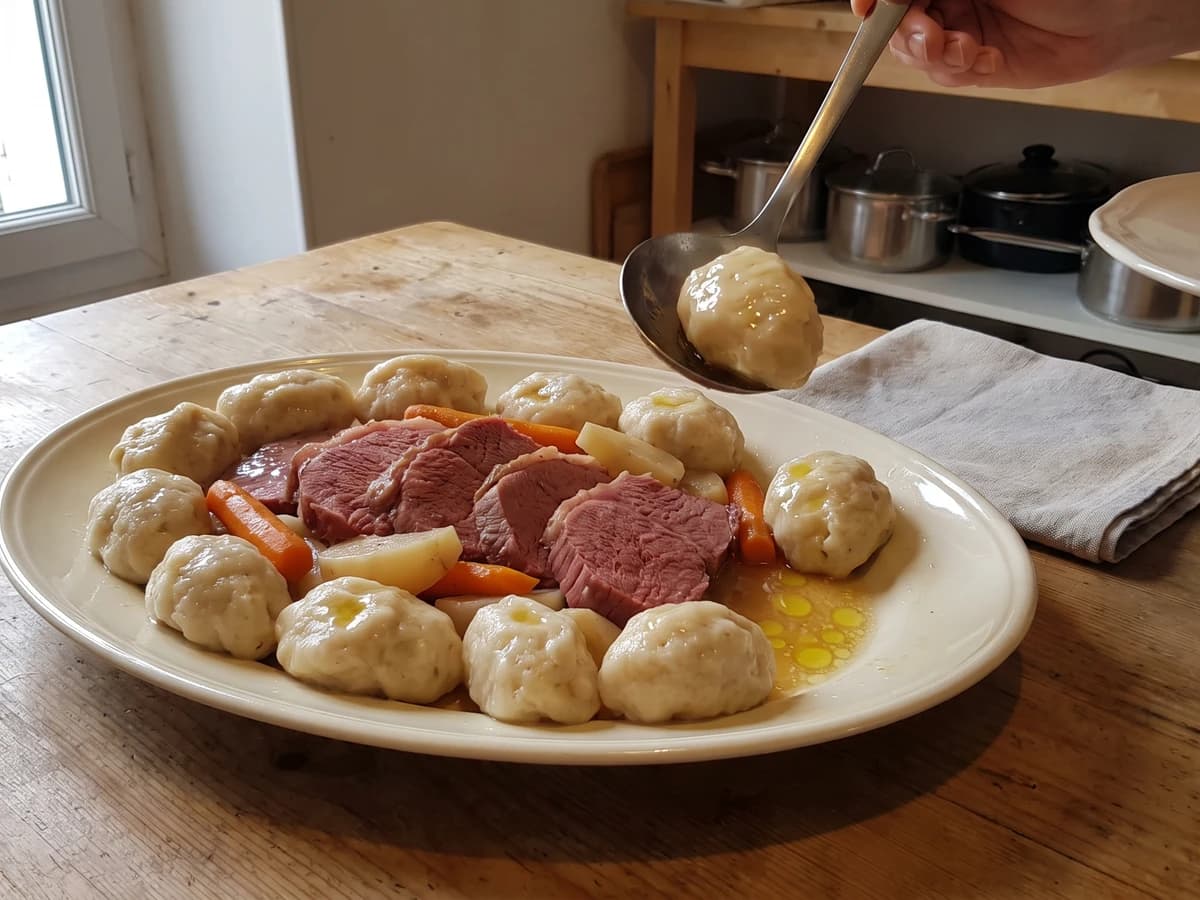
Boulettes au suif, poached beside salt beef, turn equal weights of flour and finely chopped suet into tender, rich dumplings. Keep the beef liquor at a bare tremble and the old garnish works beautifully at home.