Chef Juliana
Abobrinha Refogada
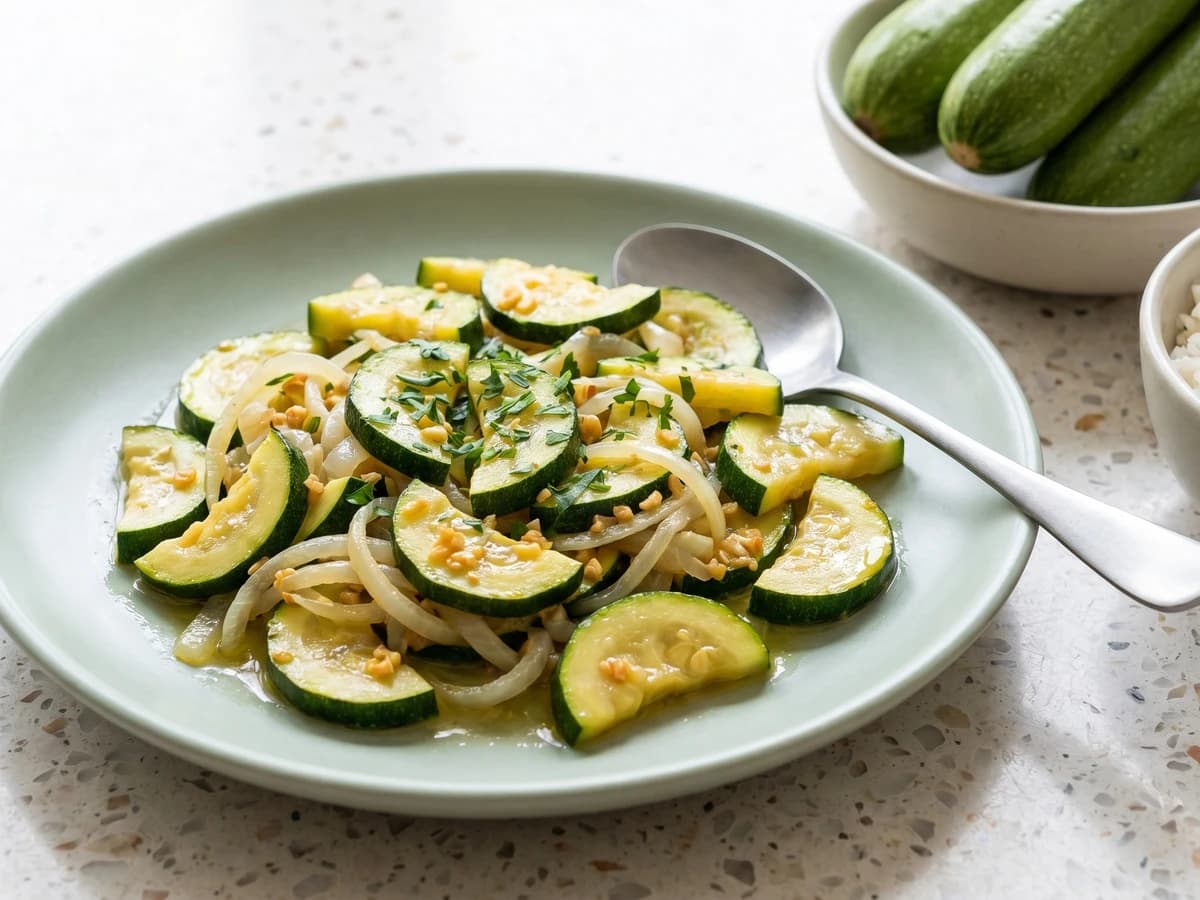
You think you'll turn zucchini into mush. Fine. Anota aí: high heat, wide pan, salt at the end, and suddenly this little green side starts solving dinner.
A cooking platform built around craft, culture, and the stories behind what we eat.
Created by
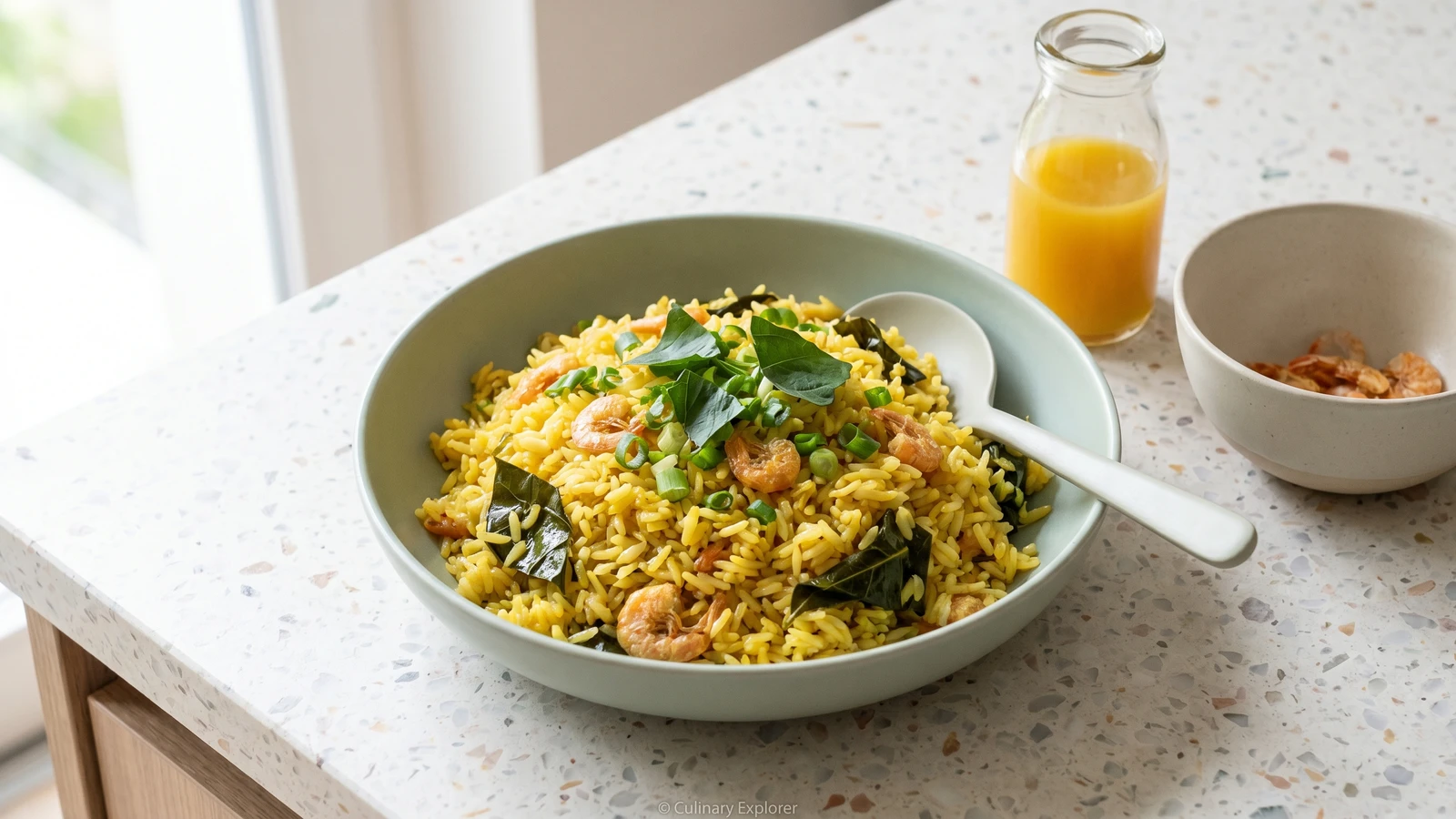
You don't need to be from Belém to learn the method. Real tucupi, a good refogado, and quiet hands give you yellow, loose rice that tastes like comida de verdade.
You look at tucupi, jambu, dried shrimp, and that small voice starts: isso não é pra mim. I know the voice. Mine used to say the same thing over plain rice, which is embarrassing and useful, because now I don't let the excuse pass. Cozinhar não é dom, é um aprendizado. Anota aí.
This is the kind of rice that proves the pê-efe is not one single plate repeated forever. In Pará, the everyday table bends around the river, mandioca, tucupi, fish, shrimp, jambu, chicória-do-pará. It is still the same honest idea: rice, beans when they belong, something from the water or the market, something green. A plate that feeds people and remembers where it is.
I teach the home version, and I say that with respect. Pará and Amazonas cooks carry this tradition; I don't own their canon and I won't pretend to. What I can do is hand you receitas que funcionam: rinse the rice so it cooks solto, build a real refogado so the flavor starts in the pot, simmer real bottled tucupi so the base tastes alive, then fold in jambu at the end so it keeps its green bite and that little mouth-tingle.
Tucupi is not negotiable here. Real bottled tucupi is the only honest starting point, already boiled properly from mandioca brava so it is safe to cook with. Molho amarelo from the shelf is not tucupi, it's a yellow shortcut selling you a lie. Jambu is the second non-negotiable when you can get it. When you can't, make the rice without it and say the truth out loud: today it's arroz de tucupi with shrimp, not full arroz paraense. Still dinner. Still yours.
Tucupi comes from the liquid pressed out of mandioca brava, the bitter cassava used across the Amazon; that liquid must be boiled for a long time to drive off cyanogenic compounds before it is safe to eat. In Pará, tucupi, jambu, dried shrimp, chicória-do-pará, and rice meet in home kitchens, lunch boxes, and market food, especially around Belém's deep mandioca and river-food traditions. The same ingredients also anchor dishes like tacacá and pato no tucupi, but arroz paraense is the weeknight, carry-it-to-work cousin: practical, bright, and built for the everyday plate.
Quantity
2 cups
Quantity
2 cups
Quantity
1 cup
Quantity
3/4 cup
Quantity
2 tablespoons
Quantity
1 small
finely chopped
Quantity
3 cloves
minced
Quantity
2 tablespoons
finely chopped
Quantity
1 small bunch
thick stems removed
Quantity
1/2 teaspoon, plus more to taste
Quantity
1 tablespoon
chopped
| Ingredient | Quantity |
|---|---|
| long-grain white rice | 2 cups |
| real bottled tucupi | 2 cups |
| water | 1 cup |
| dried salted shrimp | 3/4 cup |
| neutral oil | 2 tablespoons |
| onionfinely chopped | 1 small |
| garlicminced | 3 cloves |
| chicória-do-paráfinely chopped | 2 tablespoons |
| jambuthick stems removed | 1 small bunch |
| salt | 1/2 teaspoon, plus more to taste |
| green onion (optional)chopped | 1 tablespoon |
Put the dried shrimp in a bowl, cover with warm water, and let sit for 15 minutes. Drain, taste one, and if it is still aggressively salty, rinse once more and drain well. You want the shrimp savory, not shouting, because tucupi already has its own strong voice and the rice needs balance.
Rinse the rice in a sieve under running water until the water looks much less cloudy, then let it drain for a few minutes. This washes off loose starch so the grains cook separate instead of turning sticky. Arroz soltinho is not magic. It is rinsing, measuring, and then leaving the poor thing alone.
Pour the bottled tucupi and water into a small pot, bring to a boil, then simmer for 10 minutes. It should smell sharp, earthy, and citrusy, with a bright yellow color. Real tucupi has already been made safe by a long boil after pressing mandioca brava, but simmering it again wakes up the flavor and gives you a clean, hot liquid for the rice.
Warm the oil in a heavy 3-liter pot over medium heat. Add the onion and cook until soft and see-through, about 5 minutes, then add the garlic and chicória-do-pará for 1 minute, just until fragrant. Don't brown the garlic. Burnt garlic turns bitter and then it follows you around the whole pot like a bad decision.
Add the drained rice and stir for 2 minutes, until the grains look glossy and a little separate. This coats the rice in the refogado and helps each grain cook with flavor from the start. If you skip this, the tucupi still helps, but the rice tastes more poured-on than built-in.
Stir in the drained shrimp, then pour in the hot tucupi mixture and add 1/2 teaspoon salt. Bring to a lively bubble, stir once, lower the heat, cover, and cook for 15 minutes. The liquid should be gently moving, not raging. Too much heat makes the bottom catch before the top finishes, and then you'll blame the pot when it was the flame.
Turn off the heat and leave the pot covered for 10 minutes. Don't peek. The grains finish cooking in their own heat, and the bottom releases from the pot. Open too early and you interrupt the one part of rice cooking that does the work while you do nothing. A rare blessing.
While the rice rests, blanch the jambu in boiling water for 1 minute, just until the leaves go glossy and deep green, then drain and chop roughly. Fold it into the rested rice with a fork, lifting instead of smashing. Jambu goes in at the end so it stays green and lively; boil it with the rice and it turns tired, and a tired green is nobody's victory.
Fluff the rice gently, taste for salt, and finish with green onion if using. The rice should be loose, yellow from the tucupi, dotted with shrimp, and bright with jambu. Serve it as the rice of your pê-efe, with beans if they fit your table today, grilled fish or chicken, and something green beside it.
1 serving (about 320g)
Culinary guides, cultural storytelling, and the editorial depth that makes cooking meaningful.
Discover Culinary ExplorerChef Juliana
You think you'll turn zucchini into mush. Fine. Anota aí: high heat, wide pan, salt at the end, and suddenly this little green side starts solving dinner.

Chef Juliana
You think this is sacred enough to be impossible. It isn't. Acaçá is patience, stirring, and ponto, taught plainly, with respect for the terreiros that carry it.
Chef Juliana
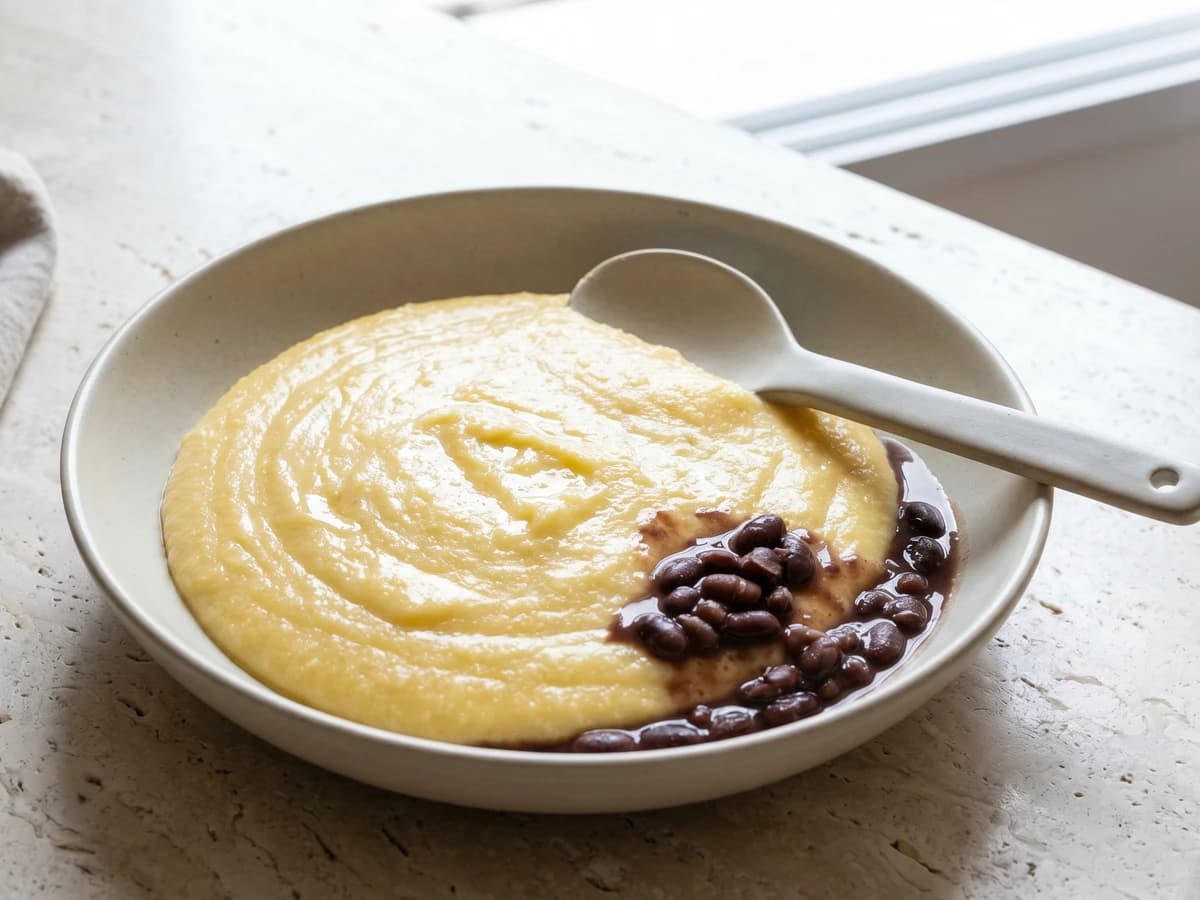
You think cornmeal will turn into lumps and shame. It won't. Cold water first, patient stirring, and a real garlic base give you angu that solves dinner.
Chef Juliana
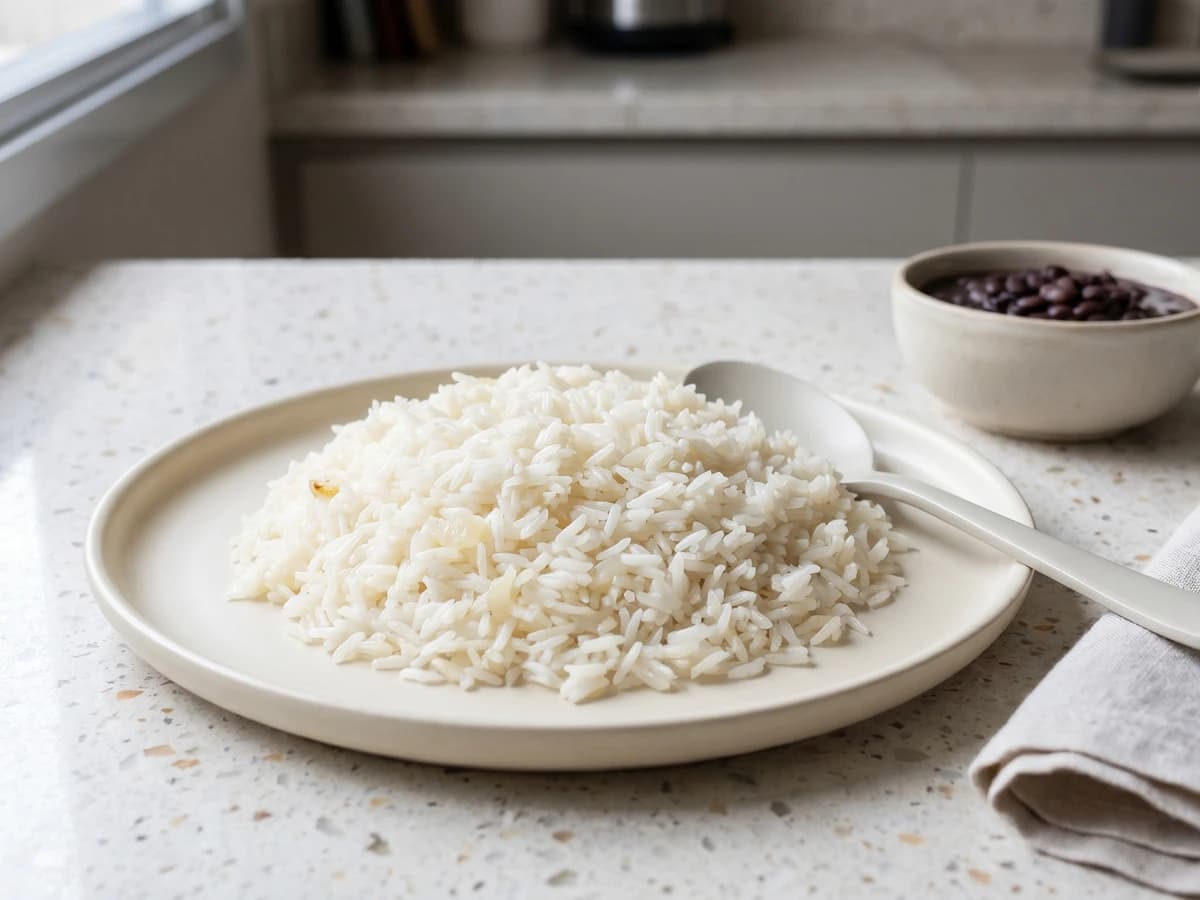
Everyone swears they can't make good rice. They're wrong. Refogue onion and garlic, use two parts water to one rice, then close the lid and leave the poor thing alone.