
Chef Thomas
A Proper Wassail Bowl
Hot spiced ale with roasted apples bobbing on the surface, honeyed and fragrant with cinnamon and orange peel, the oldest winter drink in the British kitchen and still the best.
A cooking platform built around craft, culture, and the stories behind what we eat.
Created by Chef Thomas
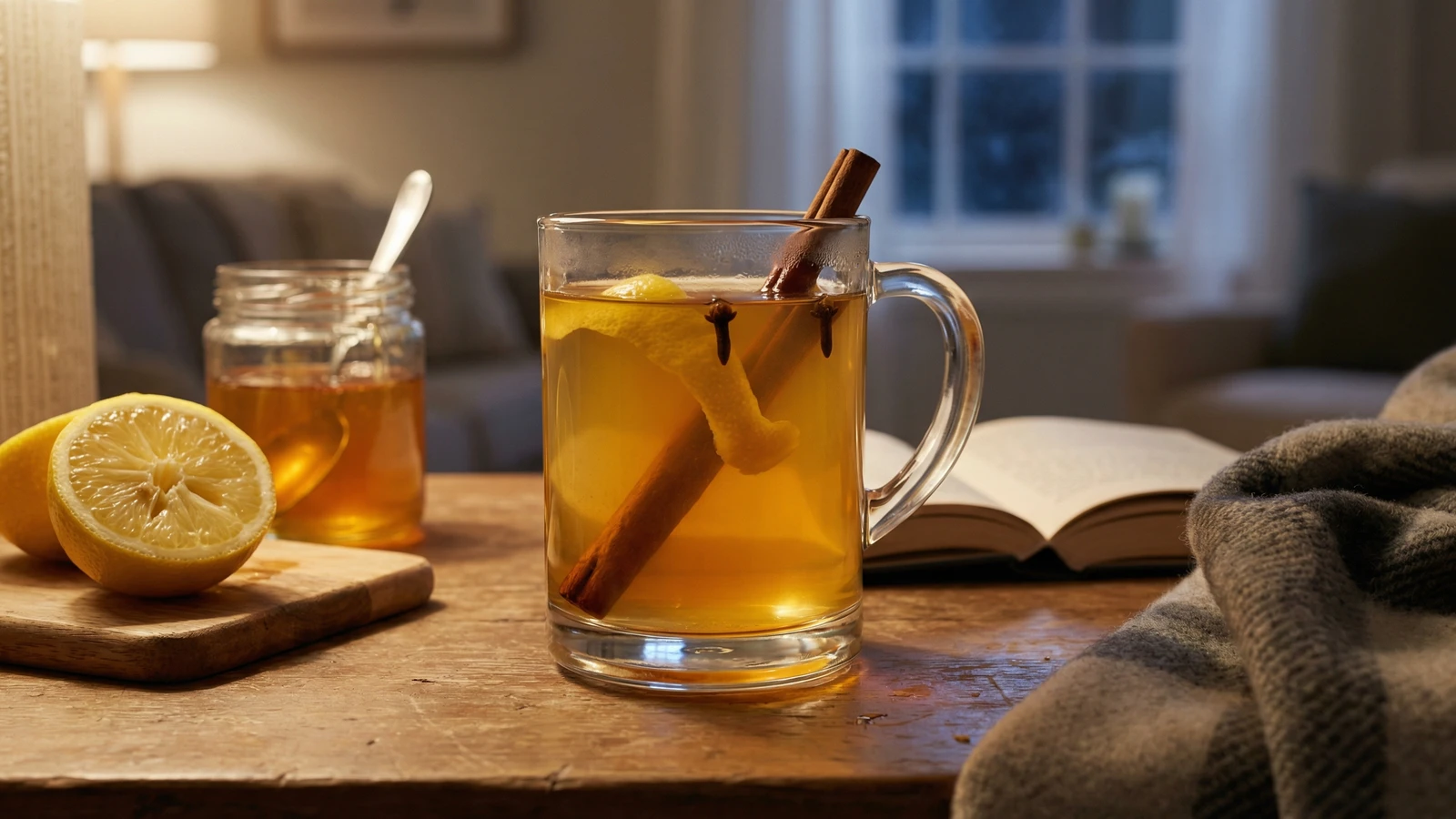
A winter glass of whisky, honey, and lemon, stirred together in a warm mug and carried up to bed when the cough won't leave and the evening has asked you politely to stop.
There's a particular kind of February evening when your throat feels lined with wool and the light has gone by four and you can't quite face another cup of tea. That's when you make one of these. Not before. A hot toddy isn't really a drink, it's a small ceremony of giving up gracefully.
Whisky, honey, lemon, boiling water. That's the whole thing. The honey soothes, the lemon cuts, the whisky warms from the inside out, and the steam on your face does half the work before you've even taken a sip. I don't know whether it actually cures a cold. I do know that it makes being unwell feel less like a problem and more like a night off.
Don't waste a good whisky on this. A decent supermarket blend is what you want, something honest and smoky enough to hold its own against the honey. Save the single malt for when you're well enough to taste it properly. A toddy isn't about the whisky, it's about the whole glass singing together.
I wrote it down in the notebook years ago after a terrible winter cough: whisky, lemon, honey, bed. Four words. It's the only cold remedy I've ever kept.
Quantity
50ml
a decent blend, nothing precious
Quantity
1 tablespoon
or more to taste
Quantity
2 tablespoons
freshly squeezed, about half a lemon
Quantity
150ml
Quantity
1 strip
Quantity
2
Quantity
1 small
| Ingredient | Quantity |
|---|---|
| Scotch whiskya decent blend, nothing precious | 50ml |
| runny honeyor more to taste | 1 tablespoon |
| lemon juicefreshly squeezed, about half a lemon | 2 tablespoons |
| boiling water | 150ml |
| lemon peel | 1 strip |
| whole cloves | 2 |
| cinnamon stick (optional) | 1 small |
Fill a sturdy heatproof glass or mug with hot water from the tap and let it sit for a minute while the kettle comes to the boil. A cold glass will rob the drink of half its warmth before you've taken the first sip. Tip the water out when you're ready.
Spoon the honey into the warmed glass. Add the lemon juice and stir until the honey starts to loosen. Drop in the strip of lemon peel, the cloves, and the cinnamon stick if you're using it. Give it a moment. The spices need the warmth to wake up.
Add the whisky. It should meet the honey and lemon and go slightly cloudy, fragrant in a way that makes you forget the cough for a second. Don't overthink the whisky. A decent supermarket blend is exactly what this drink wants. Single malts are wasted here, and the honey and lemon will bury them anyway.
Pour the freshly boiled water into the glass. Not water that's been sitting, water that's just come off the boil. Stir gently with a spoon until the honey has dissolved completely. Taste it. If it's too sharp, add more honey. If it's too sweet, more lemon. Season and taste. Then taste again. Take it to bed with a book.
1 serving (about 250g)
Culinary guides, cultural storytelling, and the editorial depth that makes cooking meaningful.
Discover Culinary ExplorerChef Thomas
Hot spiced ale with roasted apples bobbing on the surface, honeyed and fragrant with cinnamon and orange peel, the oldest winter drink in the British kitchen and still the best.

Chef Thomas
A deep, inky cordial made from a glut of August blackcurrants, bottled for the months when summer feels like something you dreamed, and poured over ice when you need proof it happened.
Chef Thomas
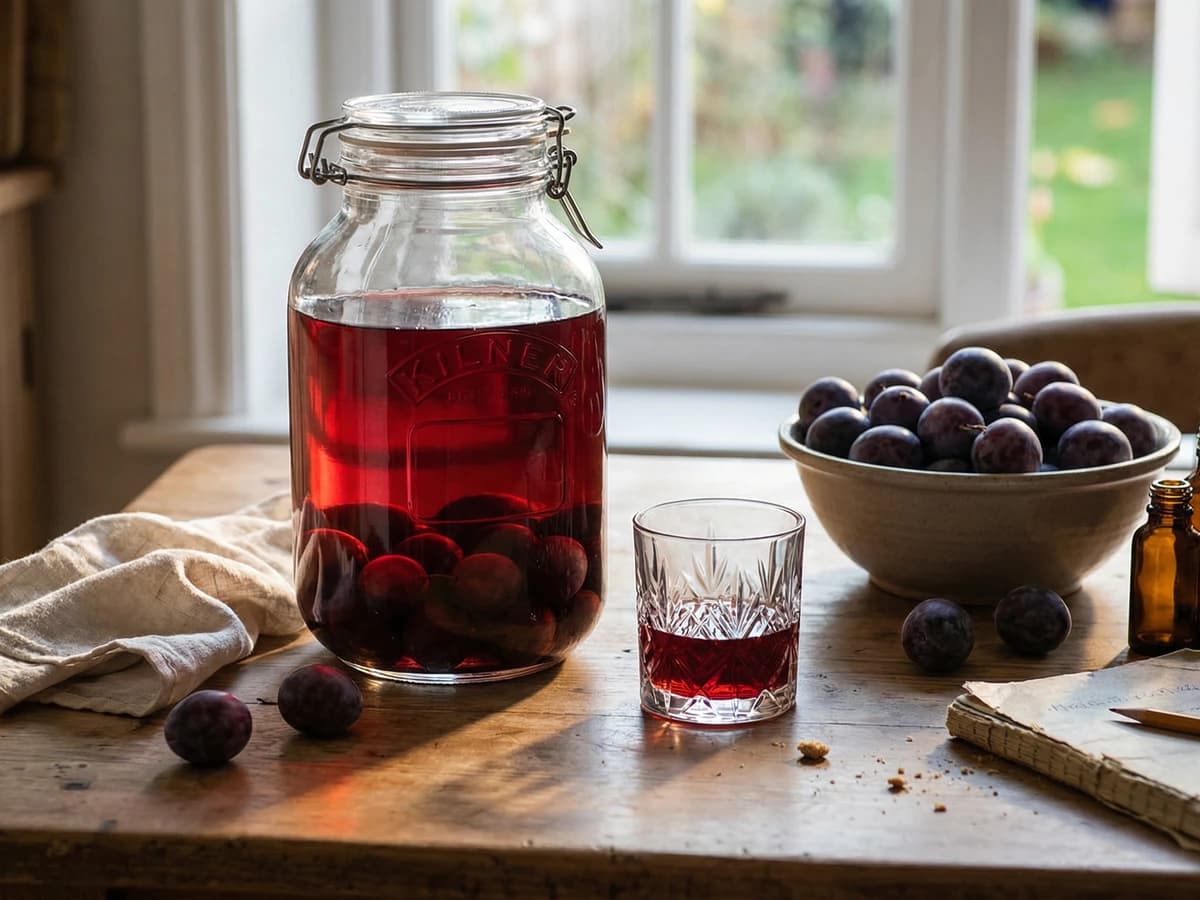
A slow autumn ritual that turns a glut of sharp purple plums into a bottle of ruby warmth, ready to pour on dark December evenings when the kitchen smells of woodsmoke and the year is winding down.

Chef Thomas
A pale gold cordial made from hedgerow elderflower in late May, steeped overnight with lemon and citric acid, the sort of thing you bottle in June and are grateful for in January.