Chef Graziella
Arista alla Fiorentina
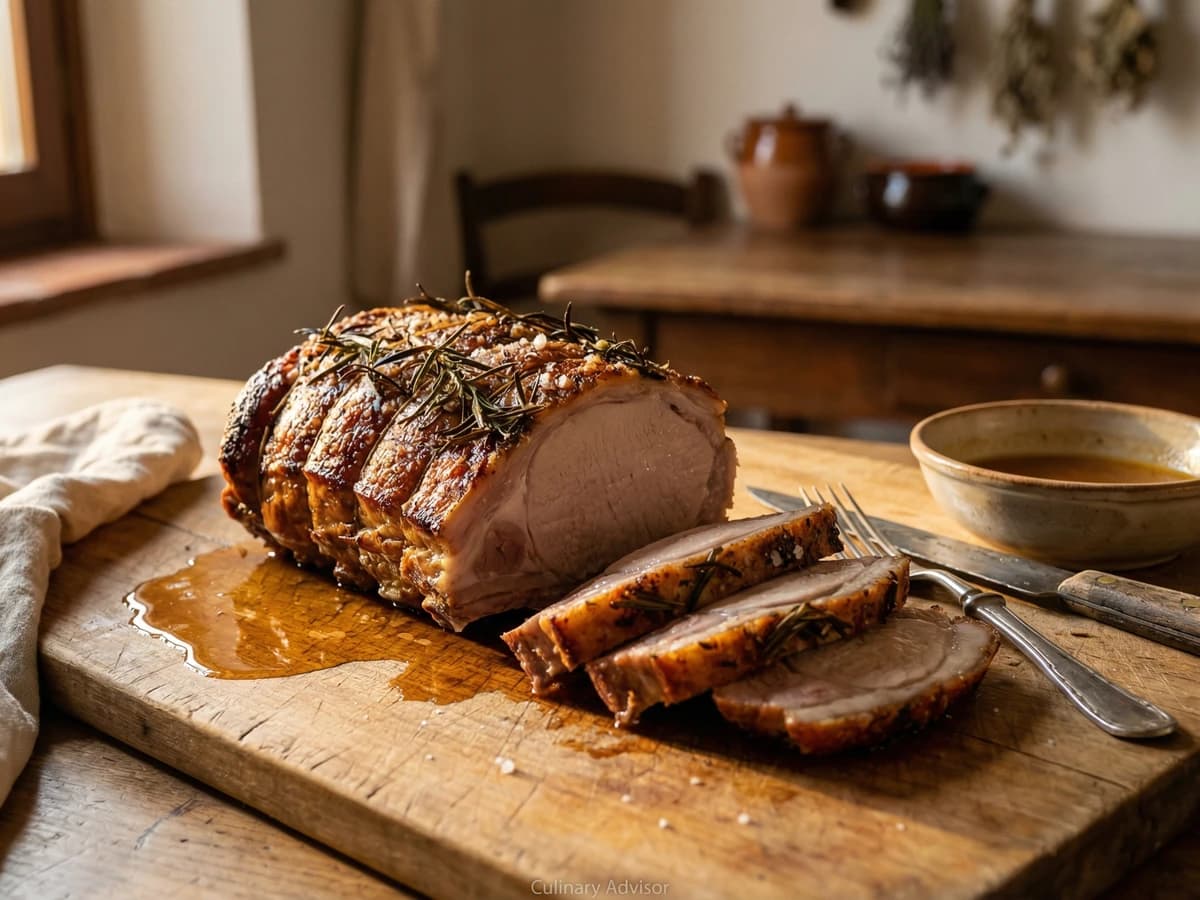
The roast pork of Florence: bone-in loin studded with rosemary and garlic, nothing more. This is the dish that earned its name from a Byzantine bishop who declared it aristos, the best.
A cooking platform built around craft, culture, and the stories behind what we eat.
Created by
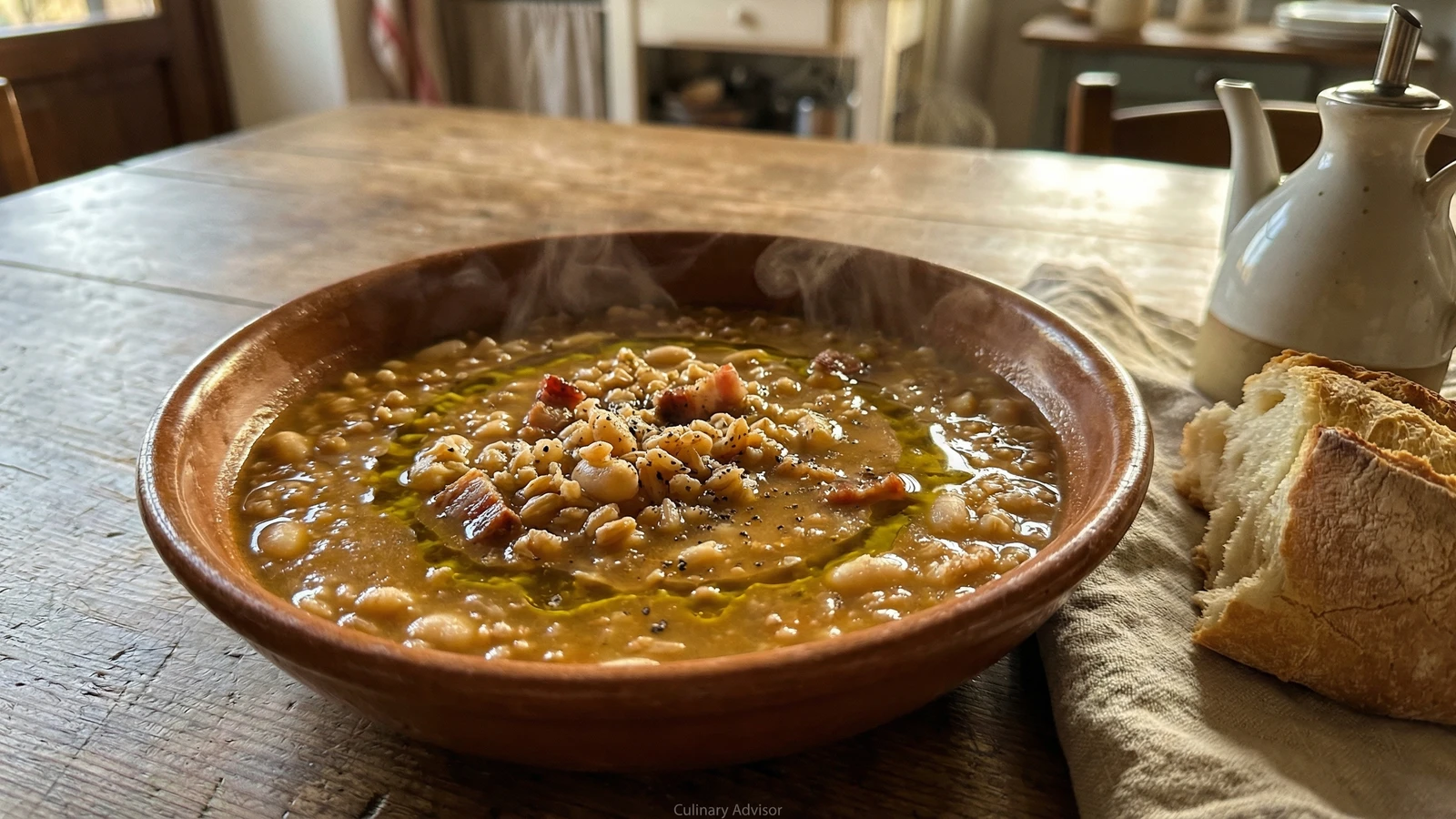
Mountain soup from the chestnut forests of Tuscany, where farro has grown since Roman times. Beans, pancetta, and ancient grain simmered until they become something that warms you from the inside.
In the mountains north of Lucca, where chestnut forests cover the slopes and the air is thin and cold, farmers have grown farro for two thousand years. This grain fed Roman legions. It sustained Tuscan peasants through winters when nothing else would grow. The soup they made from it is not delicate. It is not refined. It is food that keeps you alive.
Zuppa di farro is substantial in a way that surprises Americans, who think of soup as something you eat before the real food arrives. In Garfagnana, this is the real food. The farro swells and softens but keeps its pleasant chew. The beans dissolve partly into the broth, thickening it. The pancetta provides richness without overwhelming. What you have is a bowl that could be a meal for a woodcutter or a shepherd.
I have eaten this soup in trattorias in Castelnuovo di Garfagnana, where they bring it to the table in earthenware crocks, the olive oil already pooled on top. The owner's grandmother made it the same way. Her grandmother before that. The recipe does not change because it does not need to change. What would you add? What would you take away?
Farro cultivation in Garfagnana dates to Etruscan and Roman times, making it one of the oldest continuously farmed grains in Italy. The soup emerged as peasant sustenance in the mountain villages, where the grain stored well through harsh winters. In 1996, Farro della Garfagnana received IGP protection, acknowledging both its historical significance and the specific terroir of this small Tuscan valley.
Quantity
1 cup
soaked overnight
Quantity
1 cup
preferably from Garfagnana
Quantity
4 ounces
diced
Quantity
3 tablespoons, plus more for drizzling
Quantity
1 medium
diced fine
Quantity
1
peeled and diced fine
Quantity
1
diced fine
Quantity
2
lightly crushed
Quantity
1 can (14 ounces)
crushed by hand
Quantity
2 sprigs
Quantity
4
Quantity
3-4 inches
Quantity
8 cups
Quantity
to taste
Quantity
to taste
freshly ground
| Ingredient | Quantity |
|---|---|
| dried cannellini beanssoaked overnight | 1 cup |
| farropreferably from Garfagnana | 1 cup |
| pancettadiced | 4 ounces |
| extra virgin olive oil | 3 tablespoons, plus more for drizzling |
| yellow oniondiced fine | 1 medium |
| carrotpeeled and diced fine | 1 |
| celery stalkdiced fine | 1 |
| garlic cloveslightly crushed | 2 |
| whole peeled tomatoescrushed by hand | 1 can (14 ounces) |
| fresh rosemary | 2 sprigs |
| fresh sage leaves | 4 |
| Parmigiano-Reggiano rind | 3-4 inches |
| water or vegetable broth | 8 cups |
| kosher salt | to taste |
| black pepperfreshly ground | to taste |
Drain the soaked beans and place them in a pot. Cover with fresh cold water by three inches. Bring to a gentle simmer and cook until tender but not falling apart, about one hour. The beans should hold their shape when pressed between your fingers. Drain, reserving two cups of the cooking liquid. Set aside one third of the beans separately.
In a heavy pot, combine the diced pancetta with one tablespoon of olive oil. Cook over medium-low heat, stirring occasionally, until the fat has rendered and the pancetta is golden and slightly crisp, about 8 minutes. The pancetta should release its fat slowly. If it sizzles violently, your heat is too high.
Add the remaining two tablespoons of olive oil to the pot with the pancetta. Add the onion, carrot, and celery. Cook slowly over medium-low heat, stirring occasionally, until the vegetables are completely soft and the onion is translucent, about 15 minutes. Add the crushed garlic cloves and cook one minute more. The garlic should perfume the soffritto, not dominate it. Remove and discard the garlic.
Add the crushed tomatoes to the pot. Stir well and cook for five minutes until the tomatoes begin to break down and meld with the soffritto. Add the rosemary sprigs, sage leaves, and Parmigiano rind. Stir to combine.
Pass the reserved one third of beans through a food mill or mash them thoroughly with a fork until smooth. This puree will thicken the soup and give it body. Add the puree and the whole beans to the pot. Stir to combine.
Pour in the water or broth and the reserved bean cooking liquid. Bring to a simmer. Add the farro and stir well. Reduce heat to low. The soup should simmer gently, with only an occasional bubble breaking the surface. Cook uncovered, stirring every 15 minutes, until the farro is tender but retains some chew, about 45 minutes to one hour.
The soup will thicken as it cooks. If it becomes too thick, add water. It should be substantial but still flow from a ladle. Season with salt and pepper. Remove the rosemary stems and cheese rind. Let the soup rest off heat for 15 minutes before serving. The flavors need time to settle.
Ladle the soup into warmed bowls. Drizzle each serving generously with your finest olive oil. The oil is not decoration. It finishes the dish. Serve immediately, with good bread for dipping. This is a meal, not a first course.
1 serving (about 350g)
Culinary guides, cultural storytelling, and the editorial depth that makes cooking meaningful.
Discover Culinary ExplorerChef Graziella
The roast pork of Florence: bone-in loin studded with rosemary and garlic, nothing more. This is the dish that earned its name from a Byzantine bishop who declared it aristos, the best.

Chef Graziella
The T-bone of Florence, thick as three fingers and charred over blazing coals, rested until the juices settle, finished with nothing but salt and the best olive oil Tuscany can offer.
Chef Graziella
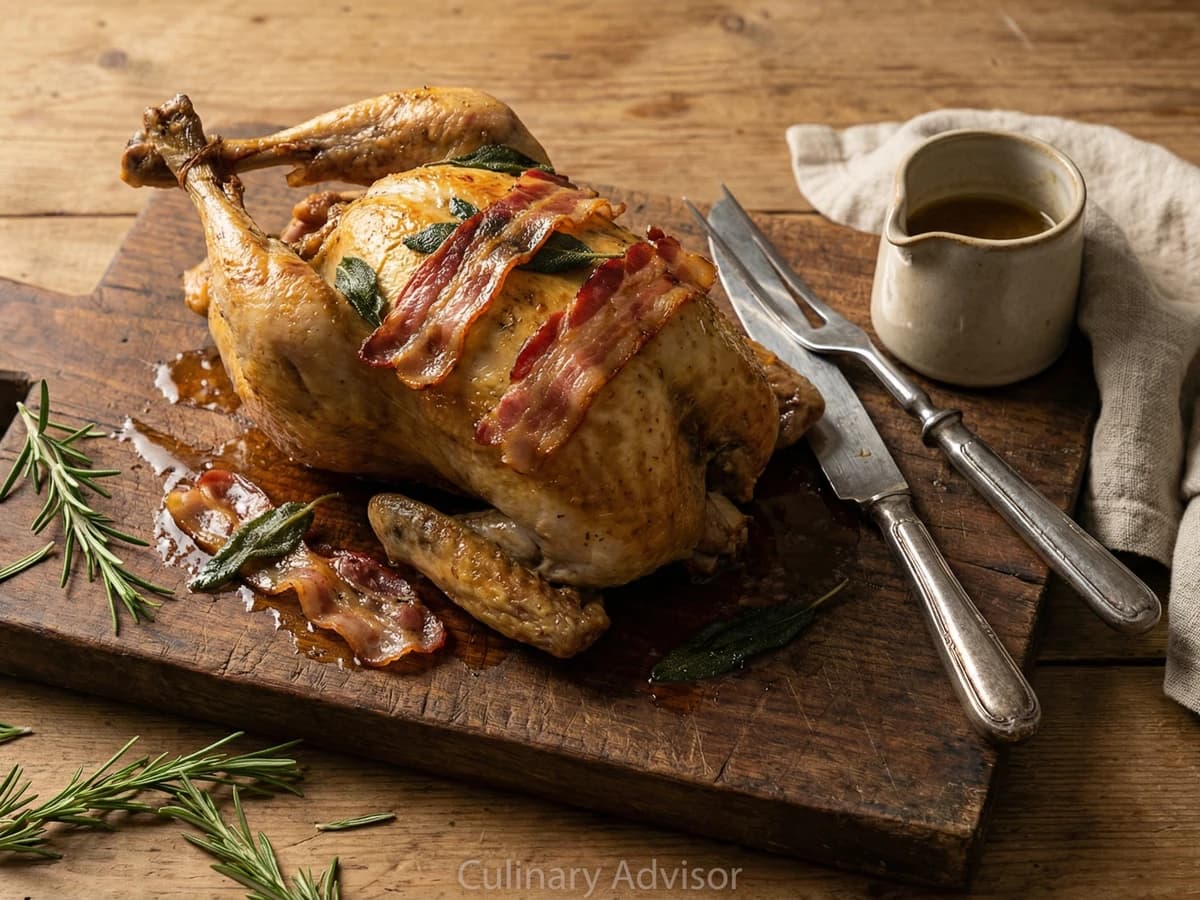
The noble guinea fowl of Tuscan farmhouses, wrapped in pancetta, perfumed with sage, roasted until the skin shatters and the meat stays moist. This is what Italians bring to the table when ordinary poultry will not serve.

Chef Graziella
The ancient grain of the Garfagnana, simmered with whatever the garden offers and finished with the green-gold olive oil that Tuscany produces better than anywhere else. Peasant food that sustained Roman legions and Tuscan farmers alike.