Chef Thomas
All-Butter Shortbread Fingers
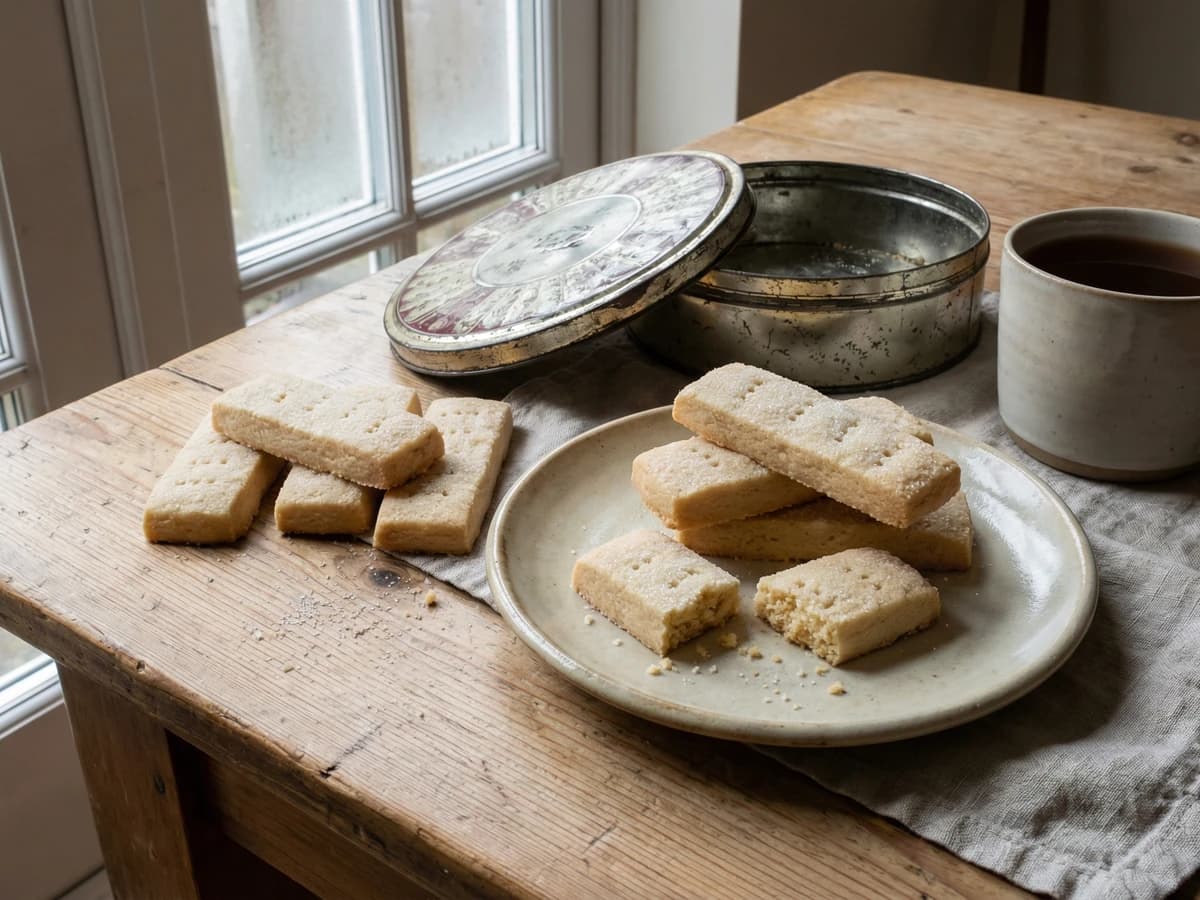
The plainest biscuit in the tin and the hardest one to stop eating, three ingredients and a slow oven turning good butter into something quietly perfect with a cup of tea.
A cooking platform built around craft, culture, and the stories behind what we eat.
Created by Chef Thomas
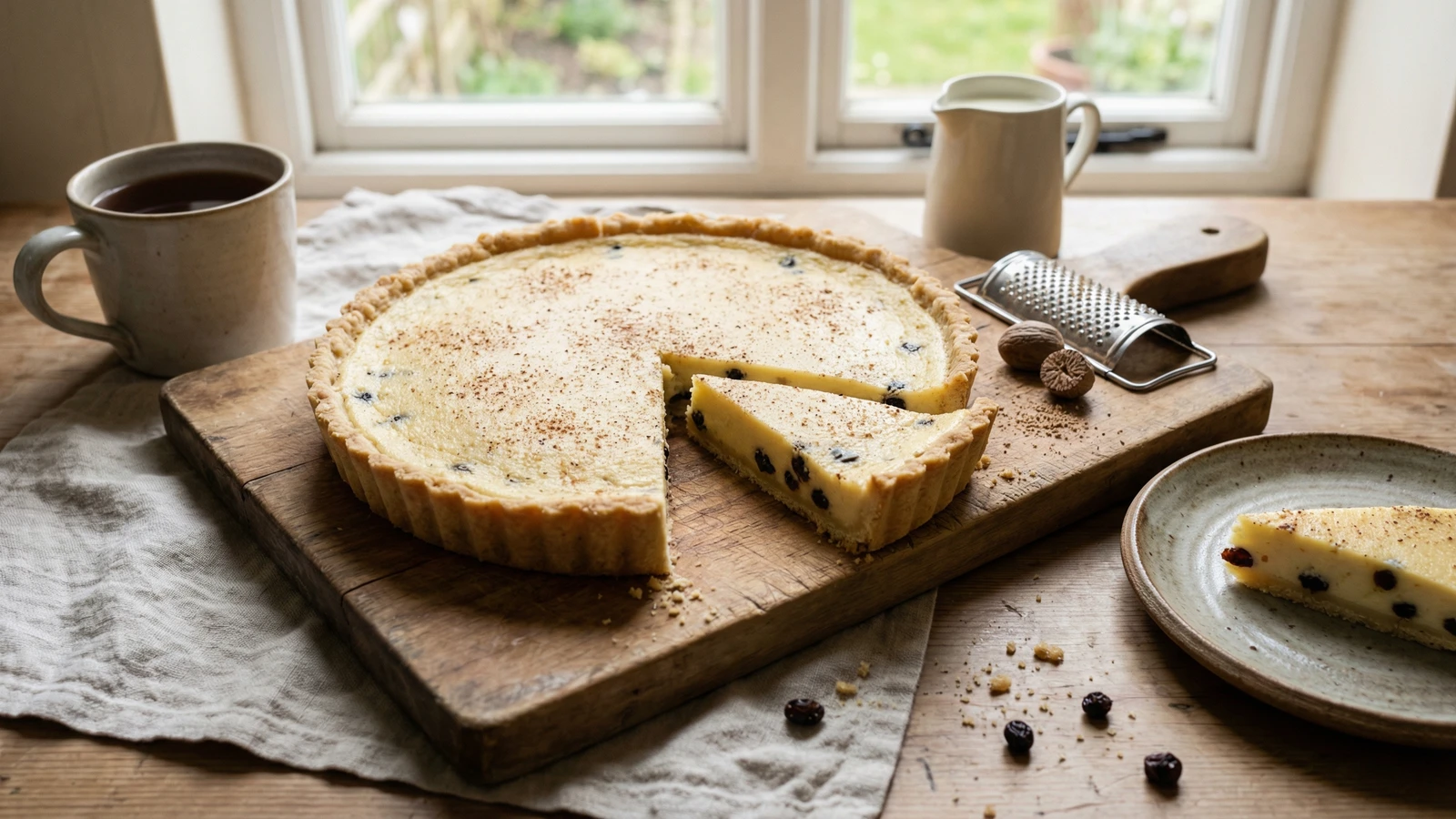
A late-spring tart of fresh curds, plumped currants, lemon and nutmeg in a buttery shortcrust. The kind of pudding that asks for nothing more than a cup of tea and someone to share it with.
There's a fortnight in late May when the hawthorn comes out and the evenings start to stretch, and somewhere in the back of the notebook there's a page that just says: curd tart. Whitsun. Make one. I always do.
This is a Yorkshire pudding in the older sense of the word. Farmhouses used to make their own cheese, and the leftover curds, soft, slightly sweet, faintly tangy, became the filling for a tart that turned up on tables around Whitsuntide. Currants for richness, lemon for lift, nutmeg for warmth, butter for the sake of butter. Held together by a buttery shortcrust that crumbles properly under a fork. Nothing clever. Nothing that wasn't already in the dairy.
You don't need a Yorkshire farmhouse or a Whitsun Sunday to make one, but if you can find proper curd cheese from a good dairy, the tart will repay you. Failing that, ricotta or even drained cottage cheese will get you most of the way there. The thing to chase is the texture: soft, faintly granular, neither smooth nor stodgy. Curds should look like curds.
I baked one last week and ate a slice standing at the kitchen window with a mug of tea, watching the rain come in over the garden. There are few better feelings than putting a warm plate in front of someone, but standing alone with something quiet and good runs it close.
Quantity
200g
Quantity
100g
cubed
Quantity
30g
Quantity
1
Quantity
2-3 tablespoons
Quantity
pinch
Quantity
500g
from a good dairy if you can find it
Quantity
75g
melted and cooled slightly
Quantity
75g
Quantity
2
lightly beaten
Quantity
1
zested
Quantity
100g
Quantity
1 teaspoon
Quantity
for grating
Quantity
pinch
| Ingredient | Quantity |
|---|---|
| plain flour | 200g |
| cold unsalted buttercubed | 100g |
| icing sugar | 30g |
| large egg yolk | 1 |
| cold water | 2-3 tablespoons |
| fine sea salt | pinch |
| fresh curd cheesefrom a good dairy if you can find it | 500g |
| unsalted buttermelted and cooled slightly | 75g |
| golden caster sugar | 75g |
| large eggslightly beaten | 2 |
| unwaxed lemonzested | 1 |
| currants | 100g |
| rose water (optional) | 1 teaspoon |
| whole nutmeg | for grating |
| fine sea salt | pinch |
Tip the flour, icing sugar and a pinch of salt into a large bowl. Add the cold butter and rub it in with your fingertips until the mixture looks like coarse breadcrumbs. Don't overwork it. You want to see a few flecks of butter still visible. Stir in the egg yolk with a knife, then add the cold water a tablespoon at a time, just until the dough comes together. Tip it onto the counter, press it into a flat disc, wrap it and rest it in the fridge for at least half an hour.
Put the currants in a small bowl and cover them with just-boiled water. Let them sit for ten minutes while you carry on with the pastry. They'll plump up and turn glossy. Drain them well and pat them dry. This small step is the difference between currants that are sullen little stones and currants that taste of something.
Heat the oven to 190C/170C fan. Roll the pastry out on a lightly floured surface until it's the thickness of a pound coin. Lift it carefully into a 23cm loose-bottomed tart tin, pressing it gently into the corners. Don't stretch it. Trim the edges, leaving a little overhang for shrinkage. Prick the base lightly with a fork, line with parchment, fill with baking beans, and blind bake for fifteen minutes. Remove the beans and parchment and bake for another five until the base looks dry and the edges are pale gold.
While the pastry is in the oven, tip the curds into a large bowl and break them up with a fork. They should look soft and slightly granular, like fresh ricotta. Pour in the melted butter and stir it through. Add the sugar, the beaten eggs, the lemon zest, the rose water if you're using it, and a generous grating of nutmeg, six or seven good rasps. A pinch of salt. Mix until just combined. It shouldn't be smooth. Curds should look like curds.
Scatter the soaked currants evenly over the base of the pastry case. Pour the curd filling in over the top. The currants will float a little, which is fine. Grate a little more nutmeg over the surface. Slide the tart into the oven and bake for thirty to thirty-five minutes. You're looking for a filling that has set around the edges but still has a gentle wobble in the middle when you nudge the tin. The top should be pale gold and faintly freckled.
Let the tart cool in the tin for at least half an hour. It firms as it cools. Slide it out, slice it generously, and serve it just warm or at room temperature. Cream is welcome but not essential. A cup of strong tea is essential.
1 serving (about 150g)
Culinary guides, cultural storytelling, and the editorial depth that makes cooking meaningful.
Discover Culinary ExplorerChef Thomas
The plainest biscuit in the tin and the hardest one to stop eating, three ingredients and a slow oven turning good butter into something quietly perfect with a cup of tea.
Chef Thomas
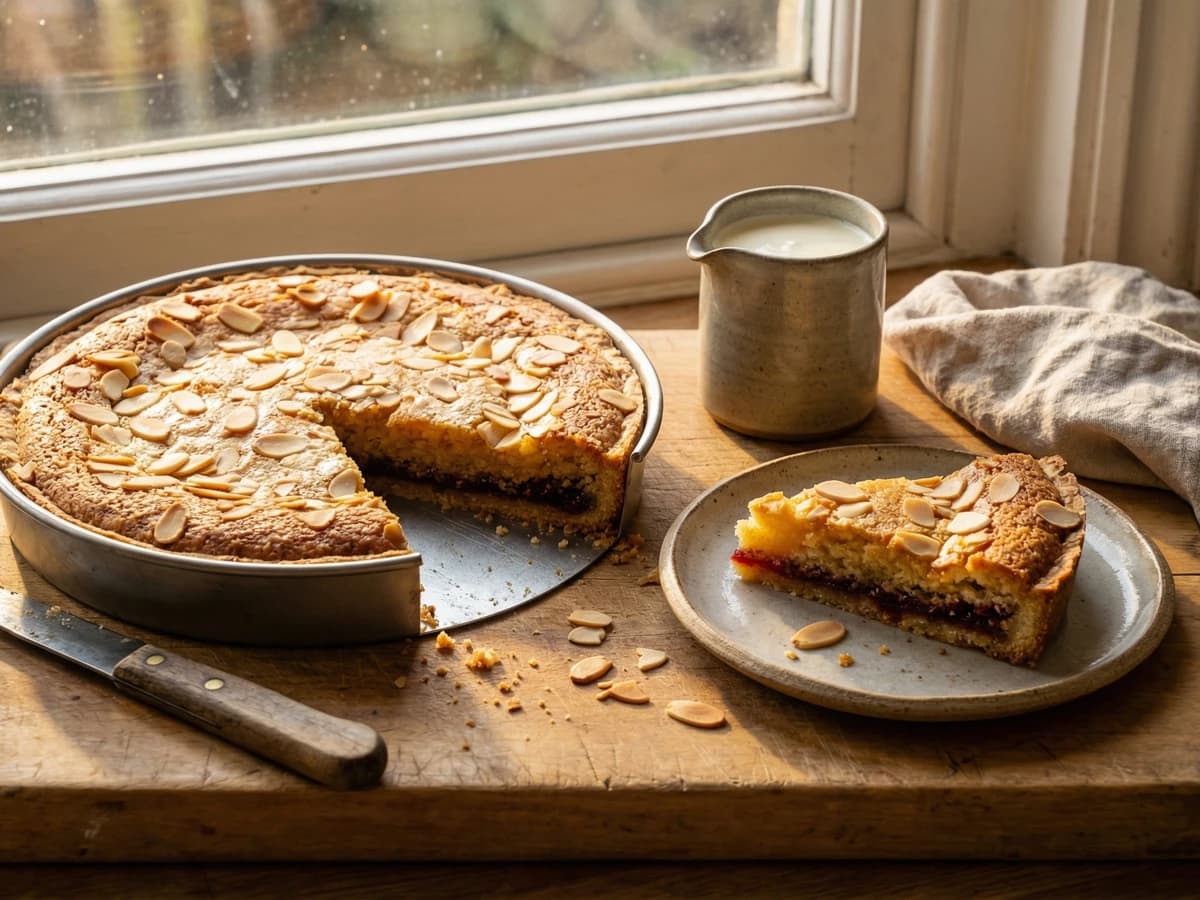
A proper Bakewell tart with buttery shortcrust, a thick layer of raspberry jam, and almond frangipane baked golden under a scattering of flaked almonds. No icing. No nonsense.
Chef Thomas
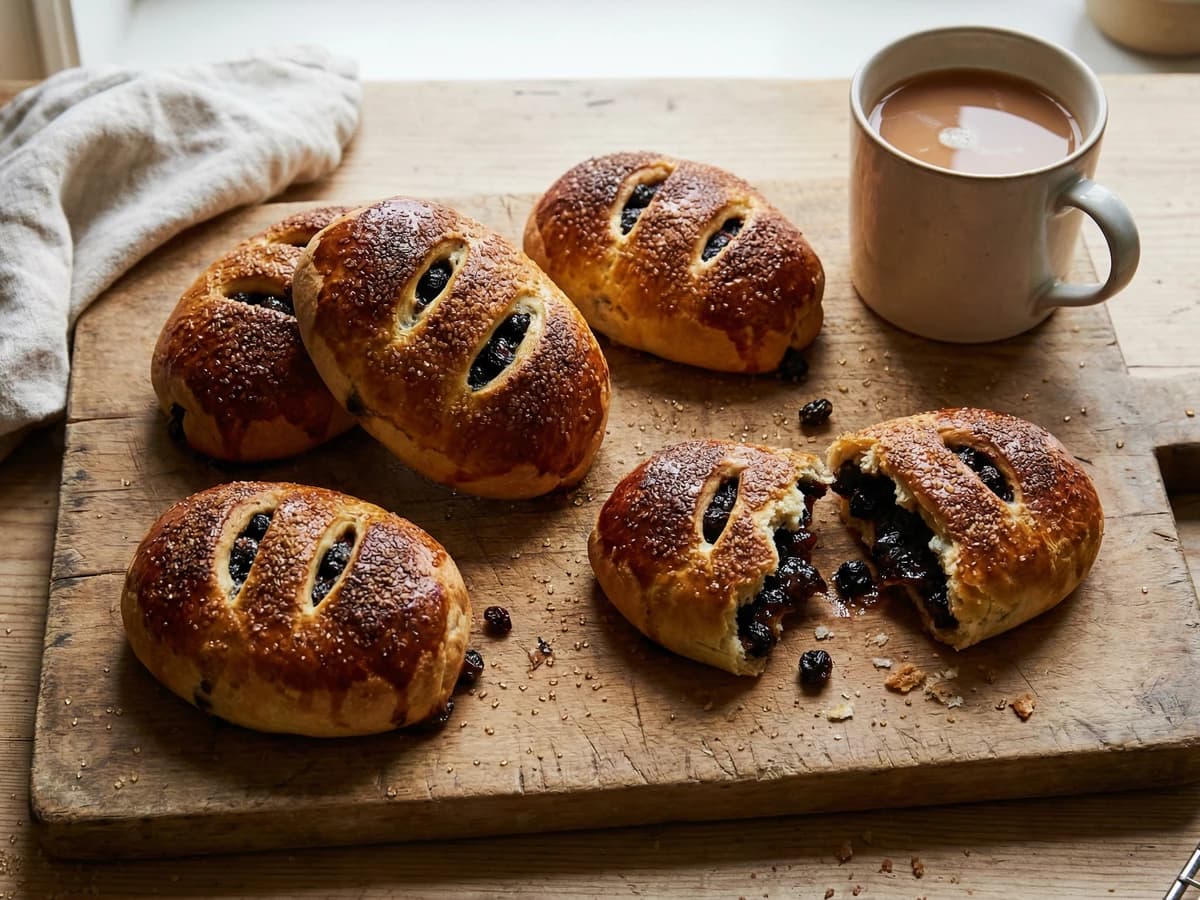
Oval pastries filled with rum-soaked currants and spice, baked until the tops crackle with sugar. The kind of thing to make on a wet Sunday afternoon when you want the kitchen to smell of something.
Chef Thomas
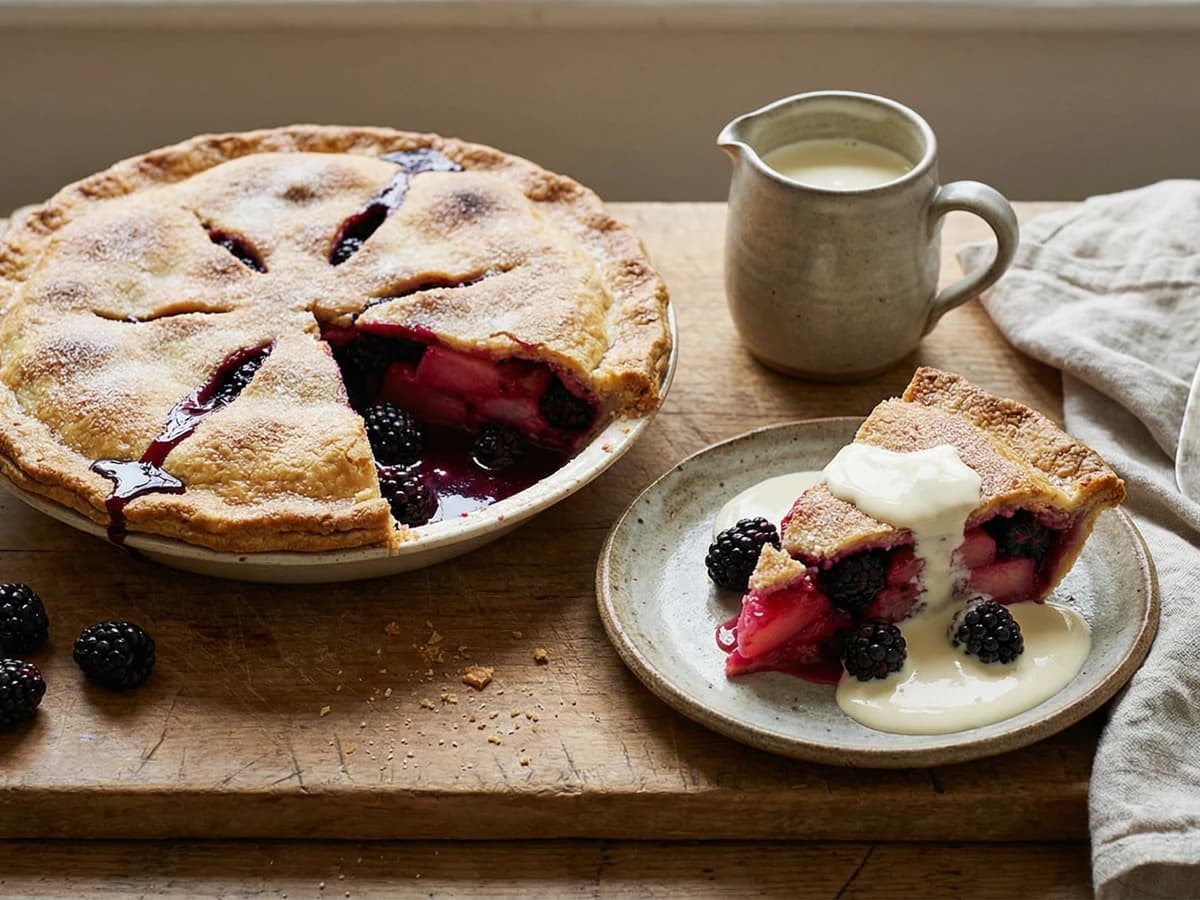
A proper hedgerow pie of Bramley apples and blackberries under a sugar-crusted pastry lid, the kind of pudding that turns a Sunday in September into something you'll remember.