
Chef Takumi
Abura Soba (油そば, brothless ramen)
Abura soba is ramen without the hiding place of soup: hot noodles, strong shōyu tare, fragrant oil, and the discipline to mix while every strand is still hot.
A cooking platform built around craft, culture, and the stories behind what we eat.

Created by
Autumn imoni is not a complicated hot pot. It is taro at its prime, beef for depth, konjac for chew, and a soy-dark broth kept clear enough to taste each piece.
Autumn in Yamagata can be read in one humble thing: satōimo, the little taro that turns creamy when it is treated gently. Imoni is named for it, not the beef, not the soy-dark broth, and that tells you where to put your attention. When the taro is at 旬 (shun, at its prime), this pot needs very little persuasion.
People see a big riverside pot and think it must be a production. It isn't. It is a nabe, a shared simmered pot, built from dashi, taro, konnyaku, beef, and negi. The first secret is order: cook the taro almost tender before the beef goes in. The taro needs time to turn creamy; the beef needs only minutes, and if you boil it like laundry it will repay the insult.
Yamagata's inland imoni is soy sauce and beef. Along the Shōnai coast, the pot often becomes miso and pork, which is also honmono, just not this pot. Here we keep the broth clear enough to taste the taro and sweet enough to flatter the beef, with nothing hidden. Set the donabe, the clay pot, in the center, give the ingredients room, and the autumn gathering is on the table, even if there is no riverbank within sight.
Imoni is most strongly tied to autumn imonikai, outdoor taro-pot gatherings held across Tōhoku, with Yamagata City especially known for large riverside pots along the Mamigasaki River. A common origin account traces the dish to Mogami River boatmen in the late Edo period, who simmered local taro with bōdara, dried cod, while waiting for cargo; beef entered the Yamagata pot after meat eating spread in the Meiji period. The regional divide remains part of the dish's identity: inland Murayama-style imoni uses beef and soy sauce, while the Shōnai coast more often uses pork and miso.
Quantity
6 cups
for dashi
Quantity
1 piece (about 10g)
Quantity
20g
Quantity
800g
scrubbed, then peeled and cut into large bite-size pieces
Quantity
1 tablespoon
for rubbing the taro
Quantity
1 block (about 250g)
torn into bite-size pieces
Quantity
300g
cut into 2-inch strips
Quantity
150g
trimmed
Quantity
2
cut diagonally into 2-inch pieces
Quantity
3 tablespoons
Quantity
1 1/2 tablespoons
Quantity
4 to 5 tablespoons
Quantity
1/2 teaspoon
| Ingredient | Quantity |
|---|---|
| cold waterfor dashi | 6 cups |
| konbu (dried kelp) | 1 piece (about 10g) |
| katsuobushi (bonito flakes) | 20g |
| satōimo (Japanese taro)scrubbed, then peeled and cut into large bite-size pieces | 800g |
| fine sea saltfor rubbing the taro | 1 tablespoon |
| konnyaku (konjac cake)torn into bite-size pieces | 1 block (about 250g) |
| thinly sliced beefcut into 2-inch strips | 300g |
| maitake or shimeji mushrooms (optional)trimmed | 150g |
| naganegi (Japanese long scallions)cut diagonally into 2-inch pieces | 2 |
| sake | 3 tablespoons |
| sugar | 1 1/2 tablespoons |
| soy sauce | 4 to 5 tablespoons |
| sea salt (optional) | 1/2 teaspoon |
Wipe the konbu with a damp cloth, but don't wash it. That pale bloom on the surface is flavor, not dirt. Put the konbu in 6 cups cold water and bring it up slowly over low heat, about 10 to 12 minutes. Pull the konbu when the water trembles and small bubbles climb the sides. Bring the water just to a gentle boil, add the katsuobushi all at once, then turn off the heat and leave it alone for 3 minutes. Strain through a cloth-lined sieve and let it drip without pressing.
Peel the satōimo with dry hands, or wear gloves if your skin is sensitive. Cut large pieces in half so they are roughly the same size. Rub them with the tablespoon of salt until the surfaces feel slick, rinse, then parboil in plain water for 5 minutes and rinse once more. This is not fussing. It removes the surface starch and prickle that can cloud the broth, while keeping the creamy heart of the taro intact.
Tear the konnyaku into bite-size pieces with your hands or the edge of a spoon, then boil it for 2 minutes and drain. The rough torn faces catch more broth than neat knife cuts, and the brief boil carries off the alkaline smell. Trim the mushrooms if using, and separate the white and green parts of the naganegi so the greens can go in last.
Put the dashi, parboiled taro, konnyaku, and sake in a donabe or wide heavy pot. Bring it to a quiet simmer and skim the surface as needed. Cook for 15 to 18 minutes, until a skewer enters the taro with slight resistance. If the pieces bob above the surface, set an otoshibuta, a wooden drop-lid, on top, or use a circle of parchment. Gentle contact keeps the pieces seasoned without stirring them to pieces.
Stir in the sugar and 4 tablespoons soy sauce. Simmer gently for 8 to 10 minutes, until the taro is tender through the center and the broth tastes savory-sweet but still drinkable. Seasoning after the taro has begun to soften keeps the centers creamy; salt too early can make the outside firm before the inside is ready. Add the last tablespoon of soy sauce only if the broth tastes thin.
Lower the heat so the broth barely moves. Add the beef in loose folds, a few slices at a time, and swish them apart with chopsticks or a ladle. Skim any foam. Add the mushrooms and the white parts of the naganegi, and simmer 3 to 4 minutes, just until the beef loses its redness and the mushrooms soften. Thin beef gives flavor quickly, and it toughens if you bully it.
Add the green naganegi tops and simmer 1 minute more. Taste the broth, adding a small pinch of salt only if it needs focus. Turn off the heat and rest the pot for 5 minutes before serving. That short rest lets the taro drink a little more broth and calms the surface. Serve from the donabe into individual tori-zara plates or shallow bowls, with a little broth in each serving and no crowded heap.
1 serving (about 700g)
Culinary guides, cultural storytelling, and the editorial depth that makes cooking meaningful.
Discover Culinary ExplorerChef Takumi
Abura soba is ramen without the hiding place of soup: hot noodles, strong shōyu tare, fragrant oil, and the discipline to mix while every strand is still hot.
Chef Takumi
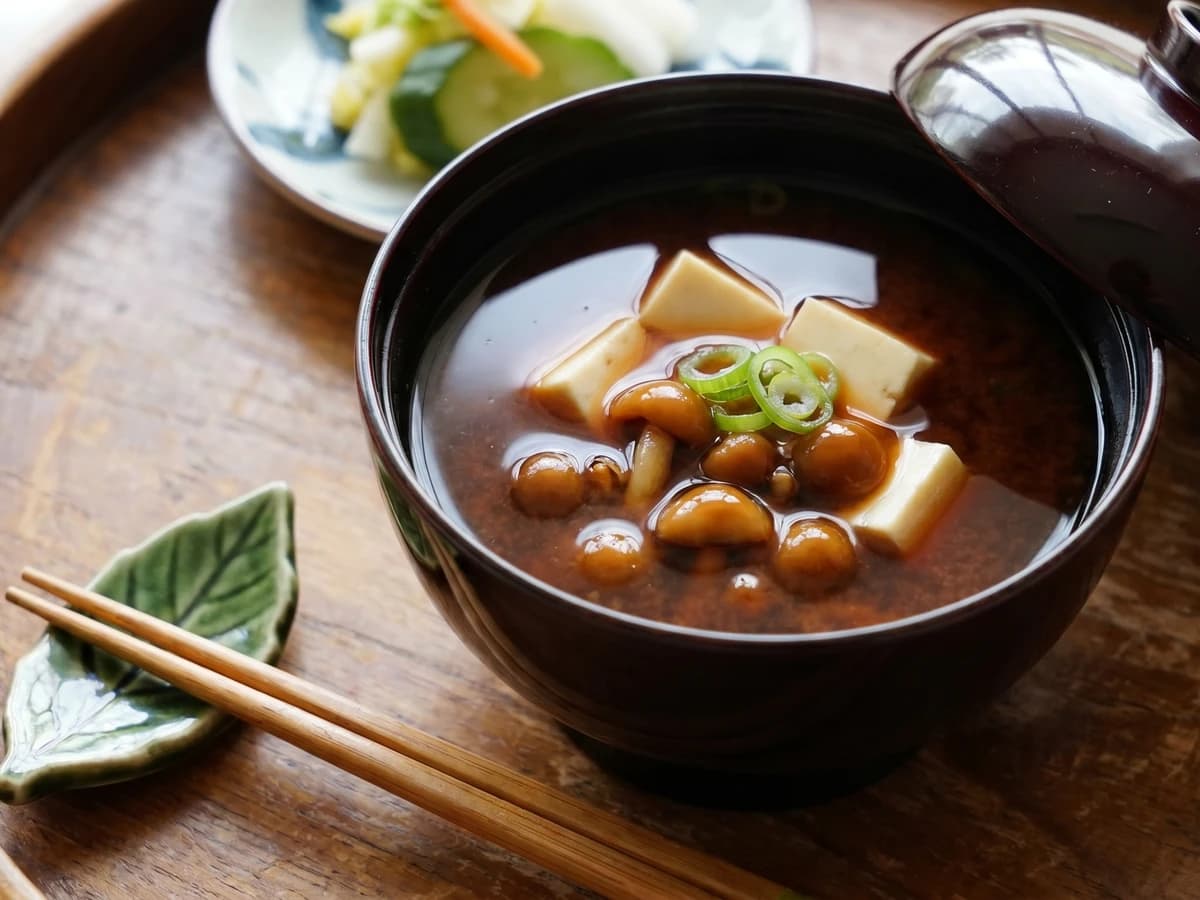
Akadashi asks you to trust the dark miso. Build a clear dashi, loosen the Hatchō mame-miso gently, and the soup turns coffee-dark, savory, and clean.

Chef Takumi
Toast the rice until its skin is firm, then let it meet chicken broth, burdock, maitake, and seri. The pot looks grand, but the work is rice, broth, and patience.
Chef Takumi
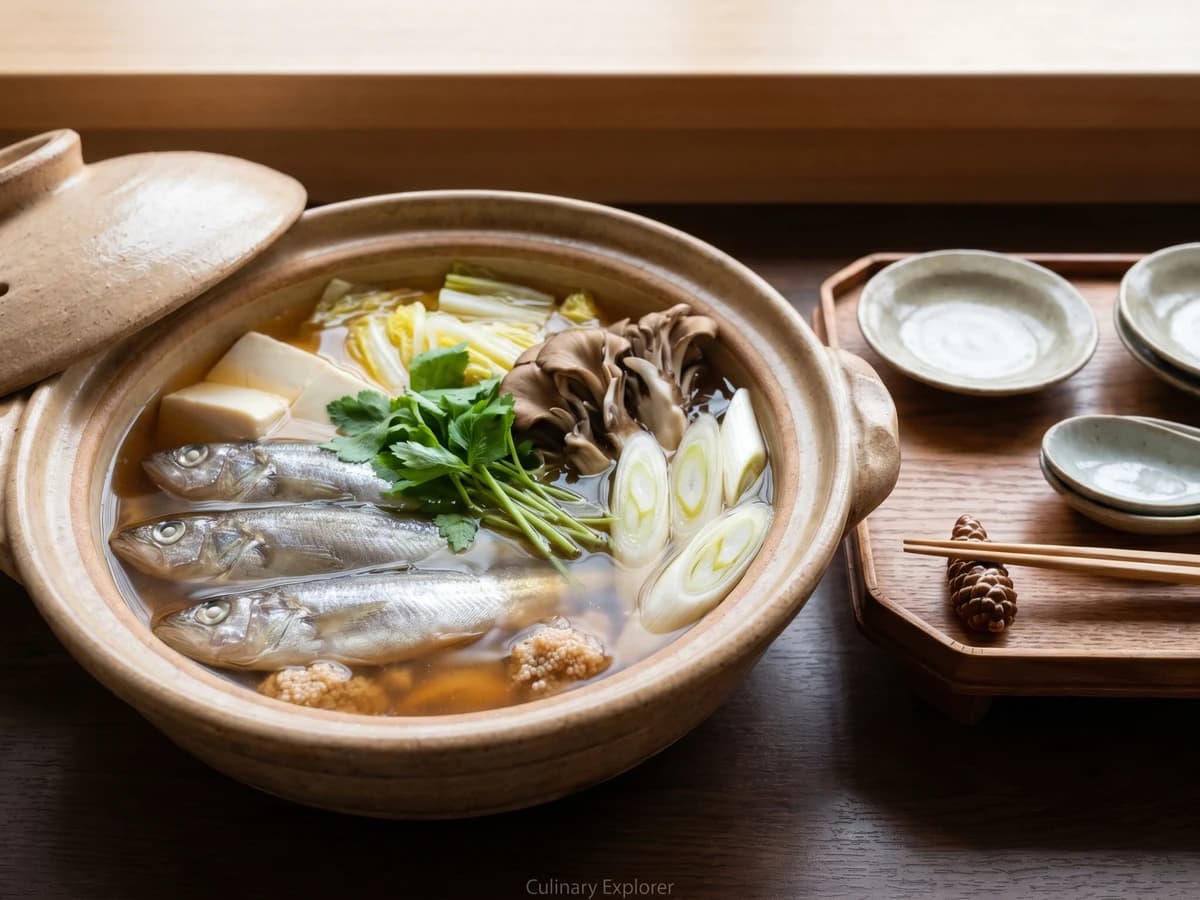
Shottsuru nabe is Akita winter in one pot: clean dashi, hatahata at shun, tofu and napa cabbage carrying a salt-deep broth without anything heavy enough to hide the fish.