
Chef Takumi
Abura Soba (油そば, brothless ramen)
Abura soba is ramen without the hiding place of soup: hot noodles, strong shōyu tare, fragrant oil, and the discipline to mix while every strand is still hot.
A cooking platform built around craft, culture, and the stories behind what we eat.

Created by
Tara-chiri is winter made plain: fresh cod, tofu, greens, and konbu water barely moving in the pot. Lift the fish when it turns opaque, dip it in ponzu, and stop fussing.
Cod is a winter fish, and it tells on you. When it is glistening fresh, firm, and sweet, tara-chiri needs almost nothing: konbu water, tofu, greens, and ponzu at the table. When the fish is tired, the dish has no sleeve to hide it in. That is not severity. It's honesty.
This is the household chiri, a hot pot so plain that people sometimes make it more complicated out of nerves. Don't. The konbu gives the water a quiet floor, the cod lends its sweetness, and the ponzu sharpens each bite only after it leaves the pot. We don't season the broth heavily because the fish is the point, and a heavy hand would only blur what winter has already given you.
The first secret is not a secret at all: keep the water below a hard boil and take the cod out when it just turns opaque. Cod flesh is tender. Boil it roughly and it flakes apart, clouds the broth, and tastes woolly under the teeth. Simmer it gently and it stays moist, clean, and faintly sweet, the way a winter white fish should.
Tara-chiri sits naturally in the rhythm of nabemono, the shared pot brought to the table when the season asks for warmth without heaviness. It is comfort food, yes, but not lazy food. Sourcing first, a clean pot second, and nothing hidden. That is honmono made reachable.
Chiri-nabe is a family of Japanese hot pots in which white-fleshed fish is cooked plainly in hot water or konbu stock and seasoned after cooking with ponzu-shōyu. The name chiri is commonly explained from chiri-chiri, the tightening and curling of fish flesh as it meets hot liquid. Cod became especially tied to winter nabemono in northern and coastal regions of Japan, where madara, Pacific cod, is landed in cold months and valued not only for its flesh but also for its roe and shirako.
Quantity
1 piece (about 10g)
Quantity
6 cups
Quantity
700g
preferably skin-on and bone-in, cut into serving pieces
Quantity
1 teaspoon
for the cod
Quantity
1/2 small head (about 350g)
cut into large pieces
Quantity
1 long negi or 2 scallions
cut on the diagonal
Quantity
1 block (about 350g)
drained and cut into 8 pieces
Quantity
4
stems trimmed
Quantity
100g
separated
Quantity
1 small bunch
tough stems removed
Quantity
3/4 cup
for dipping
Quantity
1 cup
lightly squeezed
Quantity
1/2 teaspoon
Quantity
2 tablespoons
for serving
| Ingredient | Quantity |
|---|---|
| konbu (dried kelp) | 1 piece (about 10g) |
| cold water | 6 cups |
| fresh codpreferably skin-on and bone-in, cut into serving pieces | 700g |
| sea saltfor the cod | 1 teaspoon |
| napa cabbagecut into large pieces | 1/2 small head (about 350g) |
| long negi or scallionscut on the diagonal | 1 long negi or 2 scallions |
| firm tofudrained and cut into 8 pieces | 1 block (about 350g) |
| fresh shiitake mushroomsstems trimmed | 4 |
| shimeji mushroomsseparated | 100g |
| shungiku or mizunatough stems removed | 1 small bunch |
| ponzu-shōyufor dipping | 3/4 cup |
| grated daikonlightly squeezed | 1 cup |
| ichimi tōgarashi (optional) | 1/2 teaspoon |
| thinly sliced scallionfor serving | 2 tablespoons |
Wipe the konbu with a damp cloth, but don't wash it. That pale bloom on the surface is flavor, not dirt. Put the konbu in the cold water and let it soak for at least 30 minutes, or up to overnight in the refrigerator. A slow soak gives the water body before any fish goes in, which is why tara-chiri can stay so plain and still taste complete.
Sprinkle the cod pieces lightly with the salt and leave them for 10 minutes. The salt draws out surface moisture and firms the flesh just enough to handle. Pour boiling water over the pieces, or dip them briefly in boiling water, only until the surface turns white. Rinse under cold water and rub away any blood, scales, or dark bits near the bone, then pat dry.
Set the ponzu-shōyu in small dipping bowls. Mix the grated daikon with the ichimi tōgarashi to make momiji oroshi, a red-speckled grated daikon relish, and set the sliced scallion beside it. Cut the vegetables and tofu before the pot is hot, because once the cod goes in you should be watching the fish, not hunting for a mushroom.
Pour the konbu and its soaking water into a donabe, or a wide heavy pot. Bring it up slowly over medium-low heat and remove the konbu just before the water boils, when small bubbles climb the sides. Boil the kelp and the broth can turn slick and faintly bitter. Pulling it early protects the clear taste that this hot pot depends on.
Add the napa cabbage stems, negi, tofu, shiitake, and shimeji to the konbu water. Keep the liquid at a quiet simmer, not a rolling boil. The firmer vegetables need a few minutes first, and the tofu should warm through without being knocked about. Let the pot stay calm.
Nestle the cod pieces into the open spaces, skin-side up when there is skin. Simmer gently for 4 to 6 minutes, until the flesh turns opaque and just begins to flake near the bone. Don't stir. Cod is tender and breaks if you chase it around the pot, and a hard boil clouds the broth you worked to keep clean.
Add the shungiku or mizuna for the final minute, just long enough to soften the leaves and keep their green color. Each person lifts cod, tofu, and vegetables into a small tori-zara plate, then dips them in ponzu with a little momiji oroshi and scallion. The pot itself is barely seasoned. The ponzu seasons each bite after the fish has stayed clean.
1 serving (about 615g)
Culinary guides, cultural storytelling, and the editorial depth that makes cooking meaningful.
Discover Culinary ExplorerChef Takumi
Abura soba is ramen without the hiding place of soup: hot noodles, strong shōyu tare, fragrant oil, and the discipline to mix while every strand is still hot.
Chef Takumi
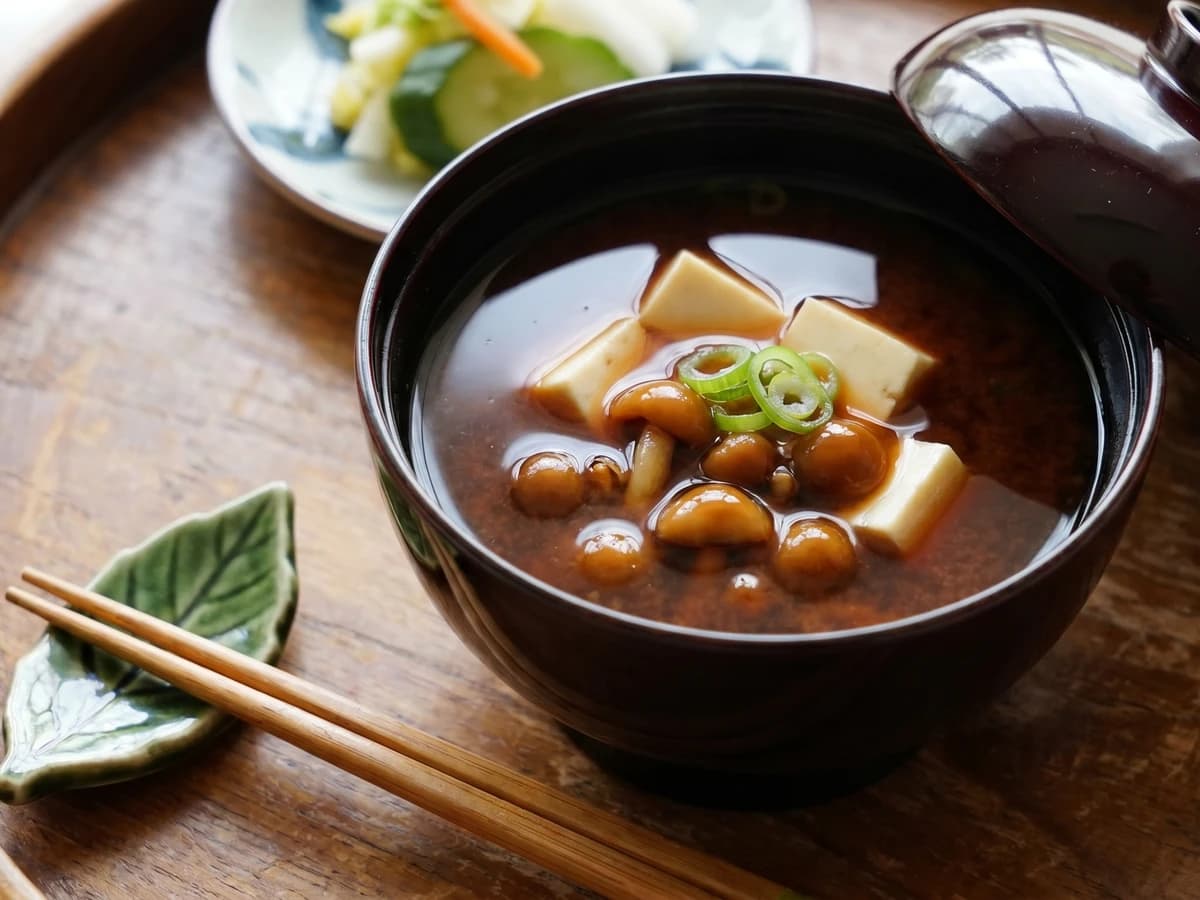
Akadashi asks you to trust the dark miso. Build a clear dashi, loosen the Hatchō mame-miso gently, and the soup turns coffee-dark, savory, and clean.

Chef Takumi
Toast the rice until its skin is firm, then let it meet chicken broth, burdock, maitake, and seri. The pot looks grand, but the work is rice, broth, and patience.
Chef Takumi
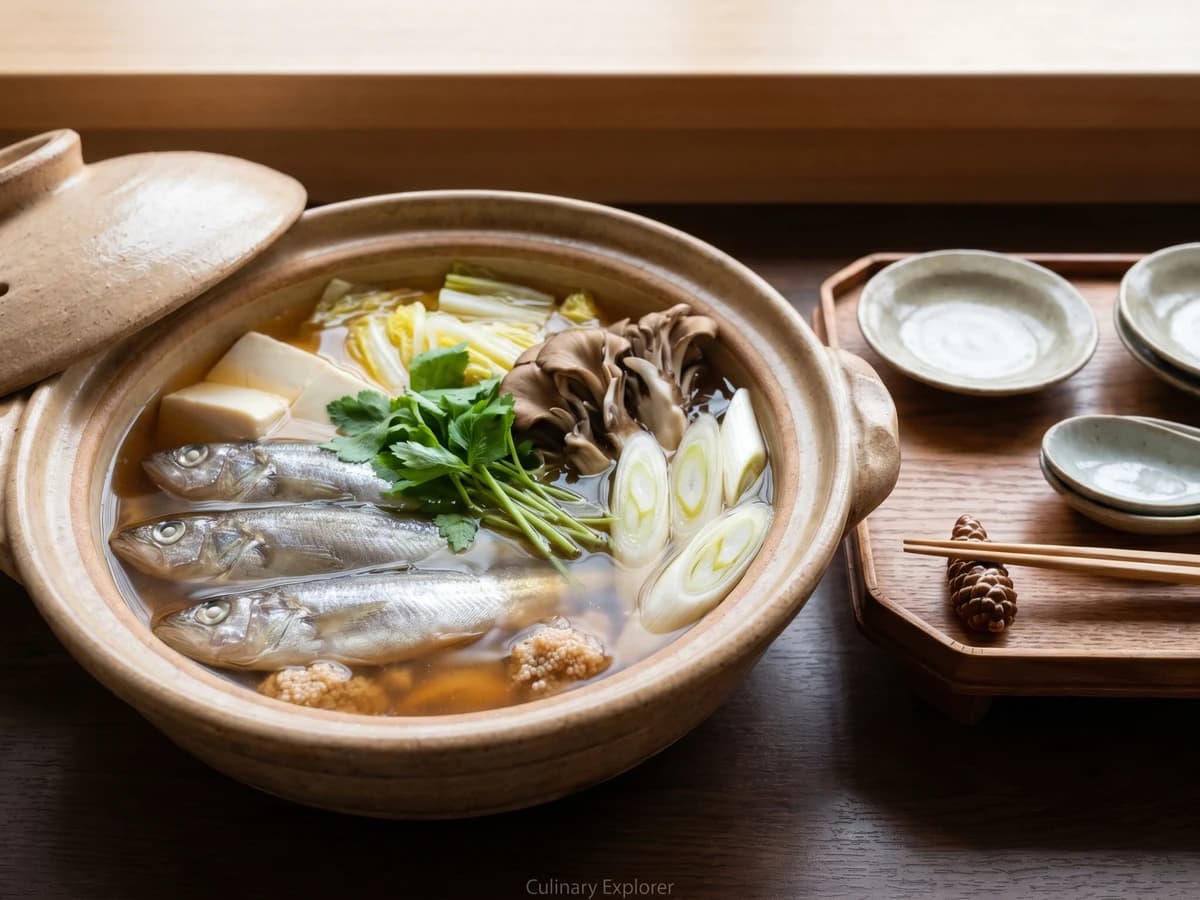
Shottsuru nabe is Akita winter in one pot: clean dashi, hatahata at shun, tofu and napa cabbage carrying a salt-deep broth without anything heavy enough to hide the fish.