Chef Isabel
Acedías Fritas de Cádiz
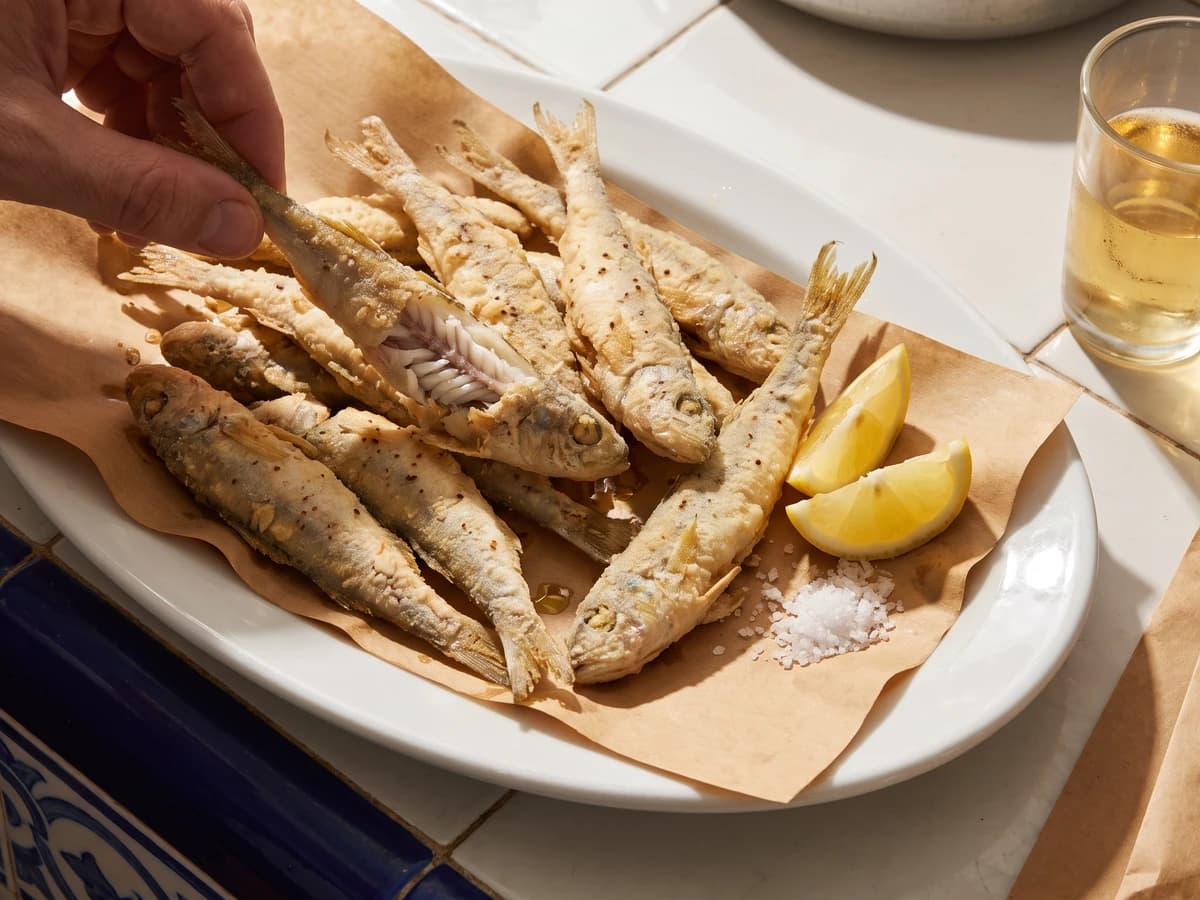
Acedías fritas belong to Cádiz: tiny wedge sole, salted, dusted in frying flour, and dropped into very hot olive oil so the rims crisp while the fish stays tender.
A cooking platform built around craft, culture, and the stories behind what we eat.
Created by
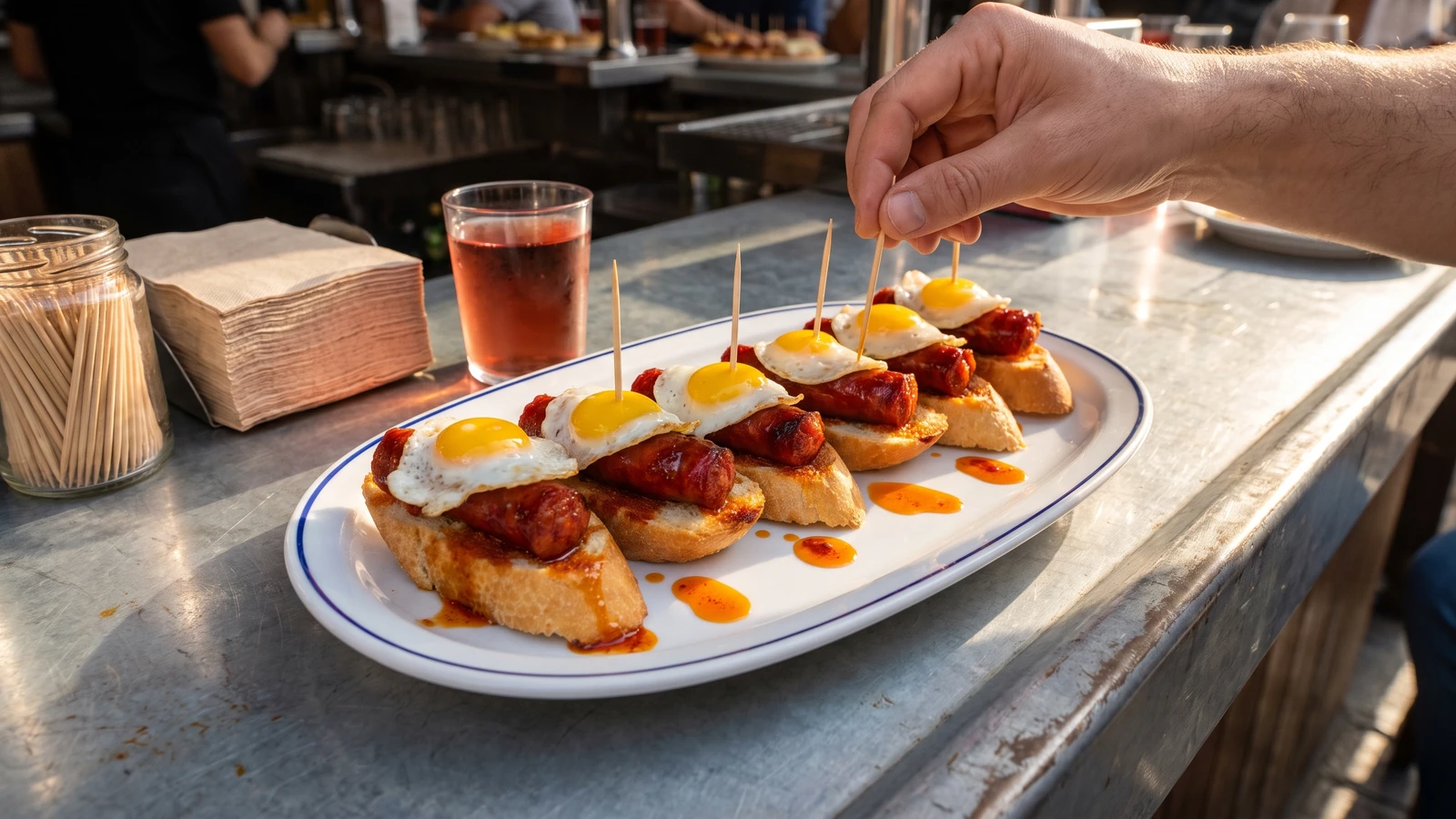
Navarra's txistorra pintxo is thin paprika sausage cooked gently until its red fat runs, set on toasted bread, and finished with a fried quail egg whose yolk does the sauce work.
Txistorra con huevo de codorniz is Navarra's pintxo: a small slice of bread, a piece of thin red txistorra, and a fried quail egg on top. It is quick food, but not careless food. The sausage is what makes it itself: softer, slimmer, and fresher than chorizo, seasoned with pimentón and garlic, made to brown fast and give up its red fat.
The method that decides it is the heat under the txistorra. Cook it too hard and the pimentón catches bitter before the sausage has rendered. Start gentler, turn the pieces often, and let the fat run into the pan until the casing blisters and the meat firms. That red oil is not waste. Spoon a little over the bread and the pintxo tastes like Navarra instead of just sausage on toast.
Quail eggs are small but not delicate in the way people fear. Crack them into little cups first, because the membrane is tougher than a hen egg's, then slide them into the pan one by one. Whites set, yolks soft. No hace falta haber pisado España. If txistorra is out of reach, use fresh Spanish chorizo fresco, not the dry slicing kind, and cut it smaller; it will be heavier and less springy, but it will do the job.
Serve these as soon as they are stacked, while the bread still has its edge and the yolk runs into the pimentón oil. Siempre sale, si lo sigues. The Margin beside this one in my notebook says only: do not rush the sausage. For once, that is enough.
Txistorra, also written chistorra in Castilian, belongs especially to Navarra and the Basque border kitchen, where pork from the matanza was seasoned with garlic, salt, and pimentón, stuffed into narrow casing, and cured only briefly. Its thinness is the point: unlike a hard chorizo made for slicing, txistorra is cooked young, fried or grilled until its paprika-red fat stains the bread. The quail egg pintxo is a bar-counter pairing shaped by size and sense, because one small egg fits one small piece of bread and turns the sausage's fat into its sauce.
Quantity
300g
cut into 12 pieces about 5cm long
Quantity
12
Quantity
1 (about 220g)
cut into 12 slices 1.5cm thick
Quantity
30ml
divided
Quantity
2g
Quantity
a pinch
| Ingredient | Quantity |
|---|---|
| txistorra or chistorracut into 12 pieces about 5cm long | 300g |
| quail eggs | 12 |
| barra de pan or narrow rustic loafcut into 12 slices 1.5cm thick | 1 (about 220g) |
| olive oildivided | 30ml |
| fine sea salt | 2g |
| flaky salt (optional) | a pinch |
Use quail egg scissors or the tip of a small serrated knife to open each quail egg into a separate small cup or spoon. Do this before the pan is hot. Quail eggs have a tough inner membrane, and trying to crack them straight into the pan is how you break yolks and start muttering at breakfast food.
Brush the bread slices with about 10ml of the olive oil. Toast them in a wide dry pan or on a plancha over medium heat until lightly golden on both sides, still sturdy enough to hold the sausage and egg. Do not make them hard as tiles; this is bread for catching fat, not a punishment.
Put the txistorra pieces in a cool heavy pan with no extra oil and set the heat to medium-low. Cook for 7 to 9 minutes, turning often, until the casing blisters, the sausage firms, and red pimentón oil gathers in the pan. Keep the heat patient. If the oil darkens too fast, lower it at once; burnt pimentón tastes bitter and there is no fixing it. The inside will stay red from the spice, so if you are unsure, check that the centre reaches 71C.
Lift the txistorra to a warm plate and leave the red oil in the pan. If there are scorched bits, wipe them out and keep only the clean fat. Add the remaining olive oil if the pan looks dry, then slide in the quail eggs in batches over medium heat. Fry 45 to 60 seconds, just until the whites set and the yolks stay soft. Salt lightly.
Set one piece of txistorra on each toast. Top with a fried quail egg, spoon over a few drops of the clean pimentón oil, and pin each one with a toothpick if you like. Finish with a flake or two of salt and serve at once, before the bread softens and the yolk sets.
1 serving (about 50g)
Culinary guides, cultural storytelling, and the editorial depth that makes cooking meaningful.
Discover Culinary ExplorerChef Isabel
Acedías fritas belong to Cádiz: tiny wedge sole, salted, dusted in frying flour, and dropped into very hot olive oil so the rims crisp while the fish stays tender.
Chef Isabel
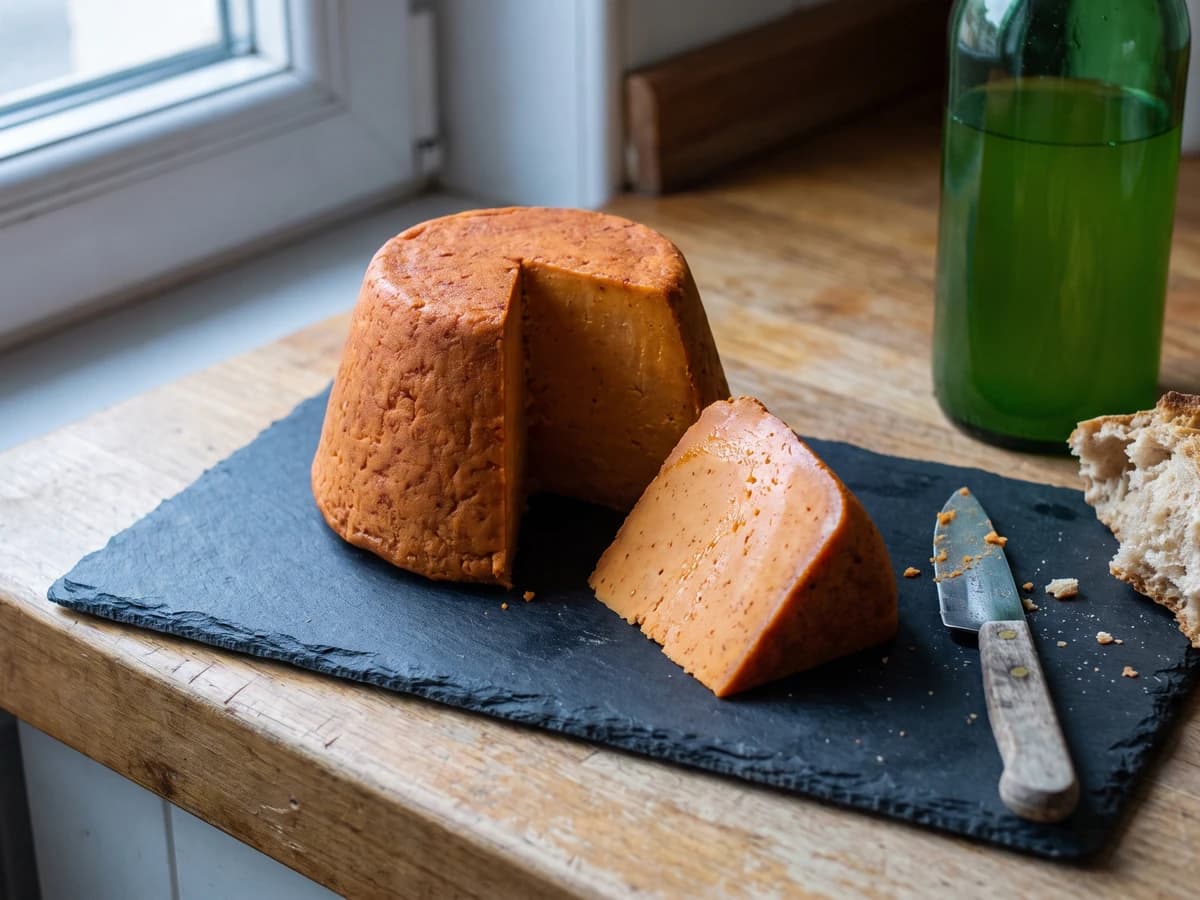
Afuega'l Pitu Roxu is Asturias in a small cheese: cow's milk set slowly to a dense curd, drained without squeezing, then kneaded with pimentón until it turns orange and grips the throat.
Chef Isabel
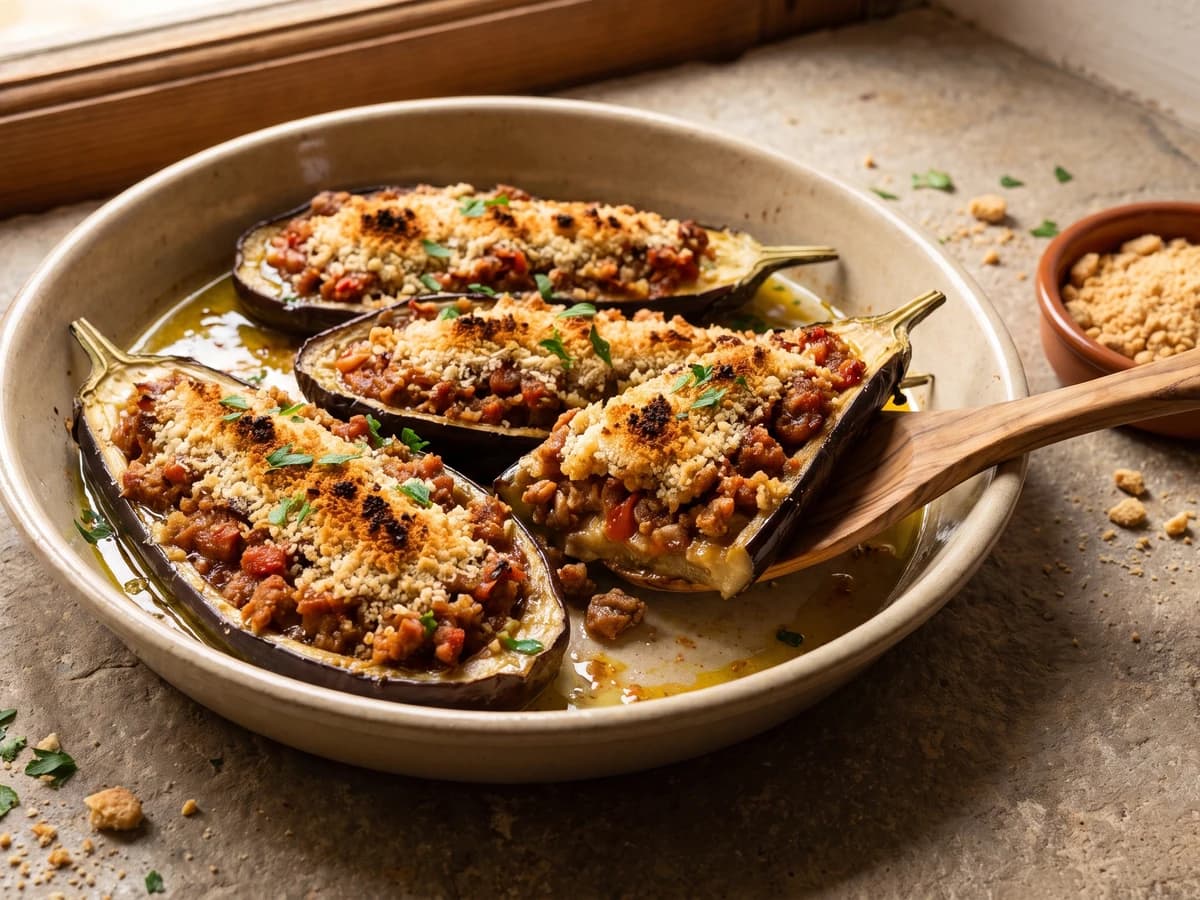
Albergínies farcides are Mallorca's summer stuffed aubergines: tender boiled shells, a slow pork sofrito with moraduix, and a plain breadcrumb cap baked until the top turns crisp and golden.

Chef Isabel
Carxofes farcides are Catalan stuffed artichokes: tender hearts filled with jamón, slow sweet onion, and breadcrumbs, then baked in a light creamy sauce until the tops turn golden.