
Chef Takumi
Abura Soba (油そば, brothless ramen)
Abura soba is ramen without the hiding place of soup: hot noodles, strong shōyu tare, fragrant oil, and the discipline to mix while every strand is still hot.
A cooking platform built around craft, culture, and the stories behind what we eat.

Created by
A moon-viewing bowl asks very little: clear dashi, springy udon, and one fresh egg left whole at the center. The broth does the work. The egg gives the season its face.
The egg is the moon. That is the whole charm of tsukimi udon, and it is a good reminder that Japanese cooking often works by restraint, not by complication. You hollow the noodles slightly, crack in a very fresh egg, and pour hot broth around it so the white softens while the yolk stays round and bright.
The one detail that decides the bowl is the dashi. If the broth is thin, the dish becomes only noodles and an egg. Make a clear stock from konbu and katsuobushi, season it lightly with usukuchi shōyu and mirin, and the bowl has depth without heaviness. Don't boil the konbu. Don't squeeze the bonito flakes. These aren't little ceremonies, they're how we keep the broth clean.
Tsukimi means moon-viewing, and the dish belongs naturally to autumn, when the harvest moon makes even a weeknight supper look a little ceremonial. Still, nothing here is beyond the home kitchen. Use good frozen udon if fresh isn't available, choose an egg you'd trust, and serve it at once. Honmono is sometimes this simple: hot broth, honest noodles, one unbroken yolk, nothing hidden.
Tsukimi, or moon-viewing, is tied to the Japanese observance of the autumn harvest moon, especially jūgoya, the fifteenth night of the eighth month in the old lunar calendar. The round egg yolk in tsukimi udon and tsukimi soba is a later everyday food expression of that seasonal image, placing the moon directly in the bowl. Udon broth also shows regional difference: Kansai bowls tend to use pale, dashi-forward broth with usukuchi shōyu, while Kantō versions are often darker from koikuchi shōyu.
Quantity
1 piece (about 10g)
Quantity
20g
Quantity
4 cups
Quantity
2 portions (about 400g total)
fresh or frozen
Quantity
2
very fresh, preferably pasteurized if raw egg is a concern
Quantity
2 tablespoons
Quantity
1 tablespoon
Quantity
1/2 teaspoon
plus more to taste
Quantity
2
thinly sliced
Quantity
1 sheet
cut into thin strips
Quantity
for serving
| Ingredient | Quantity |
|---|---|
| konbu (dried kelp) | 1 piece (about 10g) |
| katsuobushi (bonito flakes) | 20g |
| cold water | 4 cups |
| udon noodlesfresh or frozen | 2 portions (about 400g total) |
| large eggsvery fresh, preferably pasteurized if raw egg is a concern | 2 |
| usukuchi shōyu (light soy sauce) | 2 tablespoons |
| mirin | 1 tablespoon |
| sea saltplus more to taste | 1/2 teaspoon |
| scallionsthinly sliced | 2 |
| noricut into thin strips | 1 sheet |
| shichimi tōgarashi (optional) | for serving |
Wipe the konbu with a damp cloth, but don't wash it. That pale bloom on the surface is flavor, not dirt. Put it in the cold water and warm it slowly over low heat, about ten minutes, until the water trembles and small bubbles climb the sides of the pot. Lift the konbu out before the water boils, because boiling pulls bitterness and a slick edge into the stock.
Bring the konbu water just to a gentle boil, add the katsuobushi all at once, and take the pot off the heat. Let the flakes settle for two or three minutes without stirring. They give up their aroma quickly, and stirring makes the stock cloudy for no reward.
Strain the dashi through a cloth-lined sieve and let it drip on its own. Don't squeeze the flakes. Squeezing presses out strong, oily flavors, and this bowl wants a clean broth that supports the egg rather than bullying it.
Return the dashi to the pot and add the usukuchi shōyu, mirin, and salt. Warm it until very hot but not violently boiling. Taste it. It should be slightly more seasoned than a plain soup, because the noodles and egg will soften it in the bowl.
Cook the udon in a separate pot of boiling water according to the package or until springy and hot through. Frozen udon often needs only one or two minutes. Drain well, because starchy cooking water dulls the clear broth you just made.
Divide the udon between two warmed bowls and make a shallow hollow in the center of each mound. Crack one egg into each hollow, keeping the yolk whole. Pour the very hot broth around the noodles and partly over the white, not straight onto the yolk, so the white turns softly cloudy and the yolk remains round like the moon.
Scatter scallion to one side and tuck in a small fan of nori strips. Serve immediately with shichimi tōgarashi if you like. The bowl waits for no one: udon loses its spring as it sits, and the egg keeps cooking in the broth.
1 serving (about 700g)
Culinary guides, cultural storytelling, and the editorial depth that makes cooking meaningful.
Discover Culinary ExplorerChef Takumi
Abura soba is ramen without the hiding place of soup: hot noodles, strong shōyu tare, fragrant oil, and the discipline to mix while every strand is still hot.
Chef Takumi
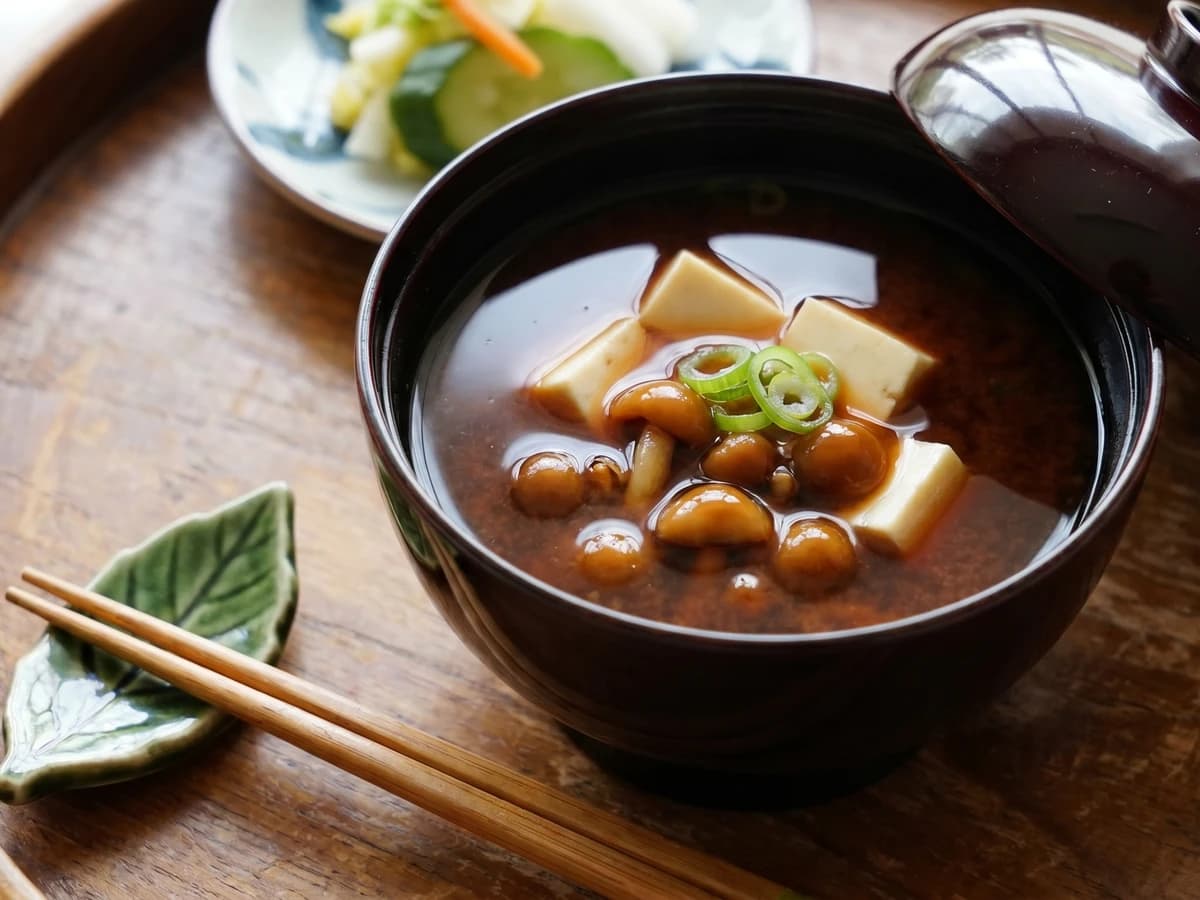
Akadashi asks you to trust the dark miso. Build a clear dashi, loosen the Hatchō mame-miso gently, and the soup turns coffee-dark, savory, and clean.

Chef Takumi
Toast the rice until its skin is firm, then let it meet chicken broth, burdock, maitake, and seri. The pot looks grand, but the work is rice, broth, and patience.
Chef Takumi
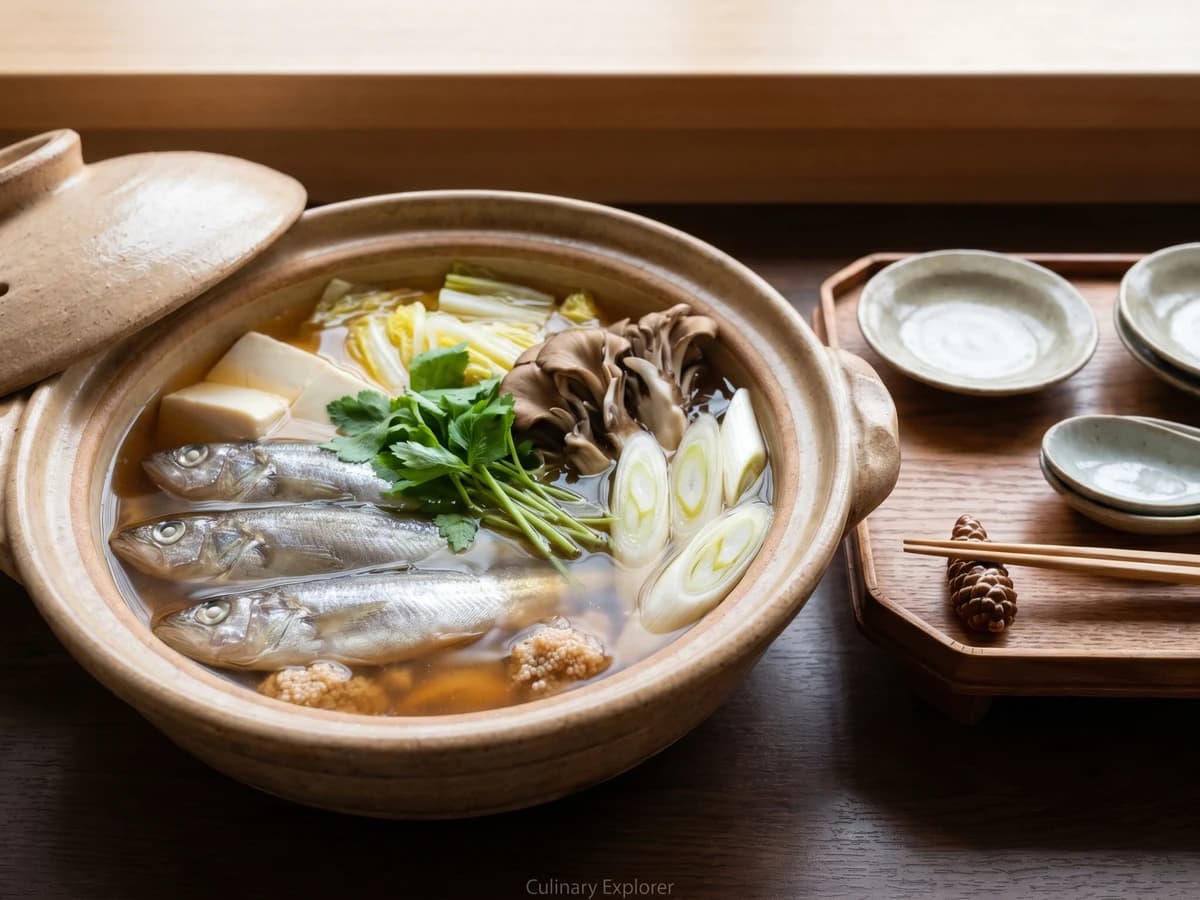
Shottsuru nabe is Akita winter in one pot: clean dashi, hatahata at shun, tofu and napa cabbage carrying a salt-deep broth without anything heavy enough to hide the fish.