Culinary Explorer
A cooking platform built around craft, culture, and the stories behind what we eat.
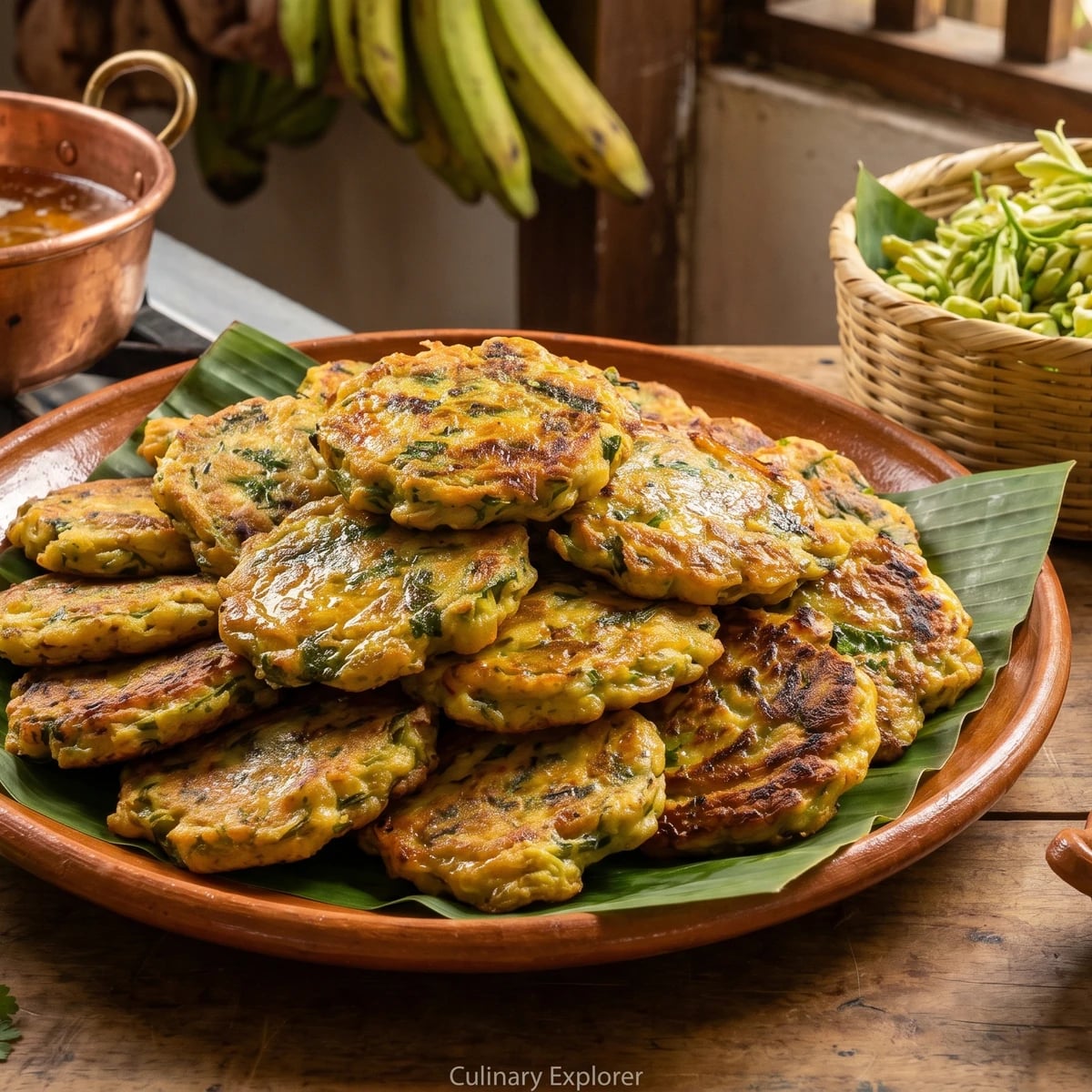
Tortitas de Flor de Cocuite
Created by Chef Lupita
Veracruz's central-coast tortitas from Coyolillo, made with tender cocuite blossoms, egg, epazote, and manteca de cerdo for a Carnaval table that remembers 400 years.
Veracruz, the central coast near Actopan, is where these tortitas belong. Coyolillo is an Afro-Veracruz village, and during Carnaval the food carries memory as clearly as the masks, the drums, and the dancing in the street. This is not food from a single Mexico. This is a 32-state cuisine, and Veracruz has its own voice.
Flor de cocuite comes from the cocuite tree, the living fence tree that grows along milpas, paths, and ranch edges in the tropics. The blossoms are tender, a little green, a little bean-like, and they need a cook who knows restraint. You blanch them briefly, squeeze out the water, season with epazote and chile jalapeno, bind with whipped egg, and fry in manteca de cerdo. No me vengas con atajos. The frying fat is part of the memory.
I learned this kind of tortita from women who cook by season, not by calendar pages printed in an office. In Coyolillo, the blossoms appear when the tree gives them. The technique belongs to home kitchens: a bowl, a fork, a skillet of lard, a stack of tortillas under a cloth. The dish is small, but the history behind it is not. Saber cocinar es saber vivir.
Ingredients
fresh flor de cocuite blossoms
Quantity
4 cups
stems and tough green bases removed
kosher salt
Quantity
1 teaspoon, plus more to taste
white vinegar
Quantity
1 tablespoon
for washing the blossoms
| Ingredient | Quantity |
|---|---|
| fresh flor de cocuite blossomsstems and tough green bases removed | 4 cups |
| kosher salt | 1 teaspoon, plus more to taste |
| white vinegarfor washing the blossoms | 1 tablespoon |
Where cooking meets culture.
Culinary guides, cultural storytelling, and the editorial depth that makes cooking meaningful.
Discover Culinary Explorer