
Chef Takumi
Abura Soba (油そば, brothless ramen)
Abura soba is ramen without the hiding place of soup: hot noodles, strong shōyu tare, fragrant oil, and the discipline to mix while every strand is still hot.
A cooking platform built around craft, culture, and the stories behind what we eat.
Created by
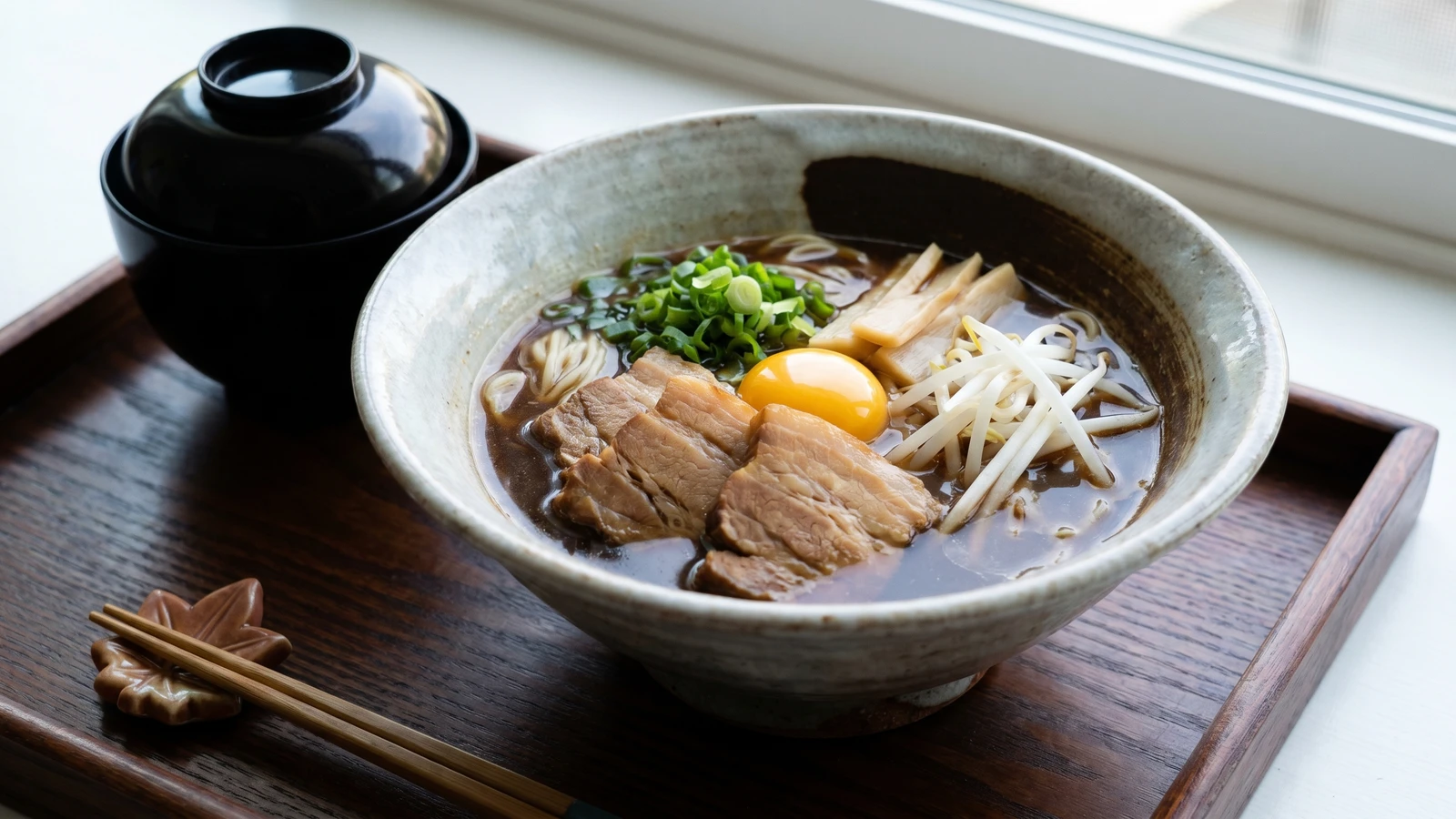
Tokushima's brown ramen is a dark, sweet-salty pork bowl, not a mystery: steady stock, a soy tare that seasons the meat, and one raw egg to round the edge.
The color arrives first: a broth so dark it looks severe, then the egg breaks and softens it. Tokushima ramen is a sweet-salty pork and shōyu bowl from Shikoku, usually eaten with rice beside it, because the soup and pork behave a little like sukiyaki. That sounds like excess. It isn't, if the tare is measured and the broth is clean.
The first secret is not the bones, though they matter. It is the pork belly simmered in soy, mirin, sake, and sugar, because that same dark liquid becomes the tare, the seasoning base in the bowl. The meat gives the soy its fat and sweetness, and the soy gives the meat its lacquered face. Nothing hidden. You are seasoning the soup and the topping with one hand.
Build the stock steadily, then stop seasoning in the pot. Put tare in each bowl, add hot pork broth cut with clear dashi, then noodles, pork, scallion, menma, and the raw egg. The egg is not decoration. Stirred in at the table, it rounds the salt and glosses the noodles. This is honmono, the real thing, made reachable by keeping the one dark sauce honest.
Tokushima ramen grew in postwar Tokushima, where pork-bone broth suited the region's meat-processing trade and local shōyu gave the soup its dark edge. Many shops called it chūka soba before the regional name spread nationally in the late twentieth century, helped by ramen guidebooks and the Shin-Yokohama Ramen Museum, which opened in 1994. The famous brown style is only one family; Tokushima also has yellow and white styles, so the argument over color is older than most visitors expect.
Quantity
2 lb (900g)
cut into small pieces by the butcher
Quantity
as needed for blanching, plus 10 cups cold water
Quantity
1
halved
Quantity
3
lightly crushed
Quantity
3 thin slices
for the stock
Quantity
2
for the stock
Quantity
1 piece (about 10g)
Quantity
4 cups
for dashi
Quantity
20g
Quantity
14 oz (400g)
about 1/8 inch thick
Quantity
1/2 cup
Quantity
1/4 cup
Quantity
1/4 cup
Quantity
2 tablespoons
Quantity
1/2 cup
for simmering the pork
Quantity
2 thin slices
for the tare
Quantity
4 portions (about 130g each)
Quantity
1 cup
drained
Quantity
2 cups
Quantity
4
thinly sliced
Quantity
4
Quantity
for serving
| Ingredient | Quantity |
|---|---|
| pork neck bones or back bonescut into small pieces by the butcher | 2 lb (900g) |
| water | as needed for blanching, plus 10 cups cold water |
| small onionhalved | 1 |
| garlic cloveslightly crushed | 3 |
| fresh gingerfor the stock | 3 thin slices |
| scallion greensfor the stock | 2 |
| konbu (dried kelp) | 1 piece (about 10g) |
| cold waterfor dashi | 4 cups |
| katsuobushi (bonito flakes) | 20g |
| thinly sliced pork belly (buta bara)about 1/8 inch thick | 14 oz (400g) |
| koikuchi shōyu (dark Japanese soy sauce) | 1/2 cup |
| mirin | 1/4 cup |
| sake | 1/4 cup |
| sugar | 2 tablespoons |
| pork stock or waterfor simmering the pork | 1/2 cup |
| fresh gingerfor the tare | 2 thin slices |
| fresh ramen noodles | 4 portions (about 130g each) |
| menma (seasoned bamboo shoots)drained | 1 cup |
| bean sprouts | 2 cups |
| scallionsthinly sliced | 4 |
| very fresh pasteurized shell eggs, or eggs sold for raw use | 4 |
| cooked Japanese short-grain rice (optional) | for serving |
Put the pork bones in a stockpot, cover with cold water, bring to a hard boil, and cook for 5 minutes. Drain, rinse the bones under running water, and scrub away any dark clots. This little bath is not fussiness. It removes the blood and gray scum that would make a sweet shōyu broth taste muddy before the tare even has a chance.
Return the bones to the clean pot with 10 cups cold water, the onion, garlic, 3 ginger slices, and scallion greens. Bring just to a boil, lower to a steady simmer, and cook for 2 1/2 to 3 hours, skimming during the first 30 minutes and adding water if the bones peek above the surface. You want body from pork, not heaviness. A steady simmer pulls collagen and sweetness without beating the stock into a dull froth. Strain and reserve 6 cups.
While the pork stock simmers, wipe the konbu with a damp cloth, but don't wash it. Put it in 4 cups cold water and bring it up slowly over low heat until the water trembles and small bubbles climb the sides, about 10 minutes. Lift out the konbu before the water boils, because boiled kelp turns bitter and slick. Bring the water to a gentle boil, add the katsuobushi all at once, turn off the heat, and leave it alone for 2 to 3 minutes. Strain through a cloth and let it drip on its own. Don't squeeze, or the strong oily flavors in the flakes will cloud the clean stock you just made. Reserve 3 cups.
In a wide pan, combine the shōyu, mirin, sake, sugar, 1/2 cup pork stock or water, and 2 ginger slices. Bring to a simmer, add the pork belly one slice at a time, and nudge it under the surface. Lay an otoshibuta, a wooden drop-lid, directly on top, or use a circle of parchment. Simmer 10 to 12 minutes, just until the pork is tender, glossy, and still supple. The drop-lid keeps the slices under the seasoning without stirring, and stirring tears thin pork. Lift the pork into a dish and keep it warm.
Simmer the pork cooking liquid uncovered for 3 to 5 minutes, then strain out the ginger. Taste one small spoonful. It should be too strong to drink, sweet, salty, and dark, because tare is not soup. It is the seasoning base that will carry a whole bowl. If it tastes harsh, add a spoonful of dashi. If it tastes timid, simmer it a minute longer.
Combine 6 cups pork stock and 3 cups dashi in a pot and warm it until the surface shines and the broth is very hot. Don't season this pot heavily. The tare goes into each bowl, which lets you control the salt and darkness instead of trapping yourself with one over-seasoned pot. The soup should taste round but quiet before the tare meets it.
Blanch the bean sprouts in boiling water for 30 seconds, drain well, and spread them on a towel. Slice the scallions thinly and have the menma ready. Wet toppings dilute the first mouthful, so let the sprouts dry a little. A ramen bowl is crowded by nature, but it should still look composed, not buried.
Warm the ramen bowls with hot water, then empty them. Bring a large pot of water to a rolling boil and cook the fresh noodles until firm at the center, usually 1 1/2 to 2 minutes. Do not salt the water. Drain hard, because cooking water thins the soup and dulls the tare. Noodles are the last thing you cook because they wait for no one, a stern little teacher.
Add 2 to 2 1/2 tablespoons tare to each warm bowl. Ladle in about 1 3/4 cups hot soup and stir once, then add the noodles and lift them lightly with chopsticks so they settle without clumping. Arrange 3 or 4 folds of pork belly, a small mound of bean sprouts, menma, and scallion over the noodles. Crack one raw egg into the center at the table, using only eggs sold for raw use or pasteurized shell eggs. If those are not available, use a soft onsen egg and say plainly that it is a sensible stand-in. Stirred into the dark broth, the egg rounds the salt and glosses the noodles. Serve with rice beside it.
1 serving (about 950g)
Culinary guides, cultural storytelling, and the editorial depth that makes cooking meaningful.
Discover Culinary ExplorerChef Takumi
Abura soba is ramen without the hiding place of soup: hot noodles, strong shōyu tare, fragrant oil, and the discipline to mix while every strand is still hot.
Chef Takumi
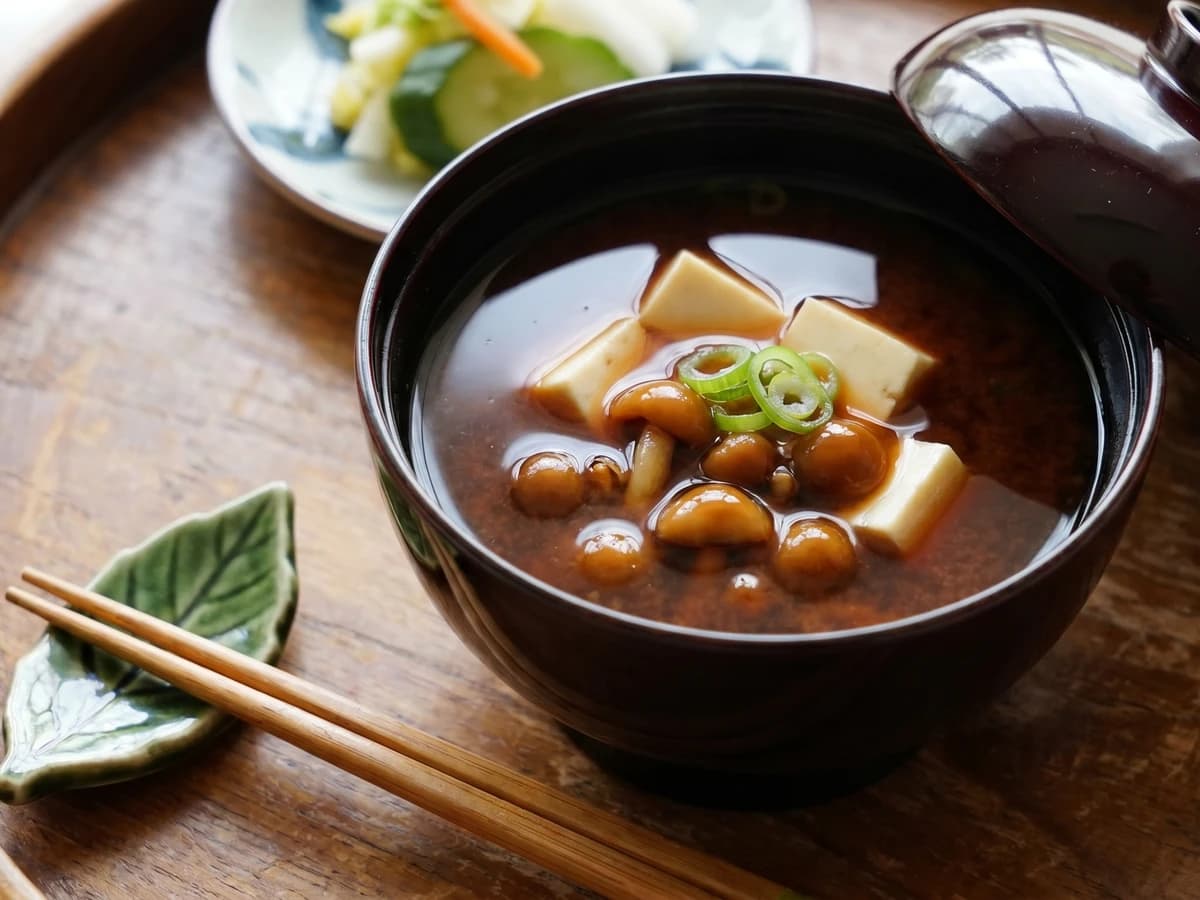
Akadashi asks you to trust the dark miso. Build a clear dashi, loosen the Hatchō mame-miso gently, and the soup turns coffee-dark, savory, and clean.

Chef Takumi
Toast the rice until its skin is firm, then let it meet chicken broth, burdock, maitake, and seri. The pot looks grand, but the work is rice, broth, and patience.
Chef Takumi
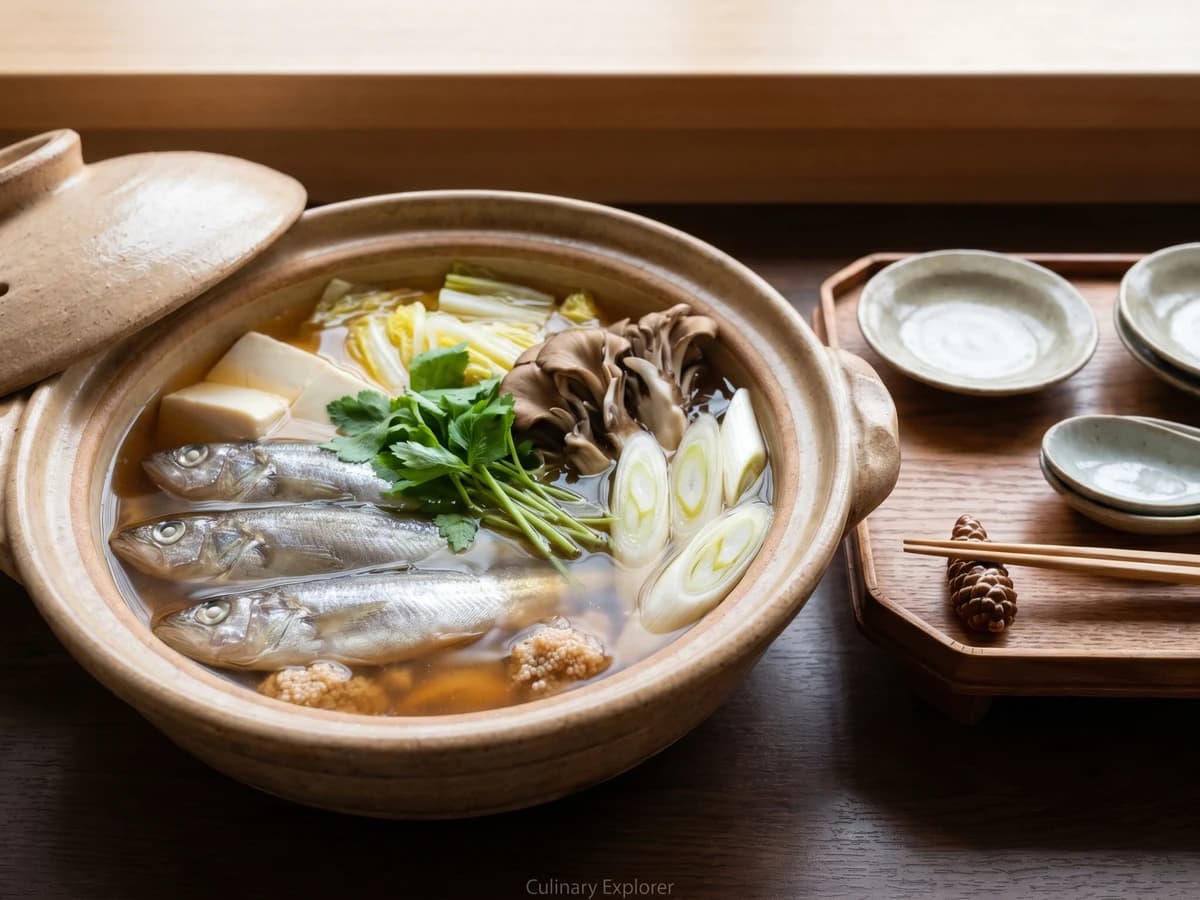
Shottsuru nabe is Akita winter in one pot: clean dashi, hatahata at shun, tofu and napa cabbage carrying a salt-deep broth without anything heavy enough to hide the fish.